REVIEW · KERALA
The Alchemist, Healing Meditation Yoga Retreat, Kerala , India
Book on Viator →Operated by Awaken Inner Buddha Yoga and Meditation · Bookable on Viator
If you want your mornings to mean something, this retreat does. In Poovar Islands, Kerala, you’ll spend eight days with a Zen-focused approach that ties together meditation, physical yoga, and healing energy work led by Zen Master Vidhi Chhariya. I like that the schedule is structured and consistent (so you’re not guessing what comes next), and I also like that the program connects body practices like breathwork with chakra-focused theory rather than keeping them separate.
One thing to consider: you’re signing up for a very early wake-up and a full day cadence. If you’re hoping for lots of free time, sightseeing-heavy days, or late mornings, this is not that kind of retreat.
In This Review
- Quick key points before you commit
- Kerala’s Poovar base: why this setting matters
- The teaching style: what you’re really paying for
- Your day-by-day flow: the 4:30 am rhythm explained
- Day 1: arrive, settle, start gently
- Days 2 to 7: same structure, deeper practice
- Day 8: final morning, then check out
- Meditation + pranayama + theory: how the program connects it all
- What “healing energy work” means here (and what to expect)
- Optional add-ons: chakra balancing and one-on-one work
- Price and what feels like “good value” here
- Packing tips that keep the experience comfortable
- Small group size: why max 15 matters
- Who this retreat fits best
- Should you book the Alchemist retreat in Kerala?
- FAQ
- How long is the Alchemist Healing Meditation Yoga Retreat?
- Where does the retreat take place?
- What time does the daily program start?
- What’s included in the price?
- Is pickup available?
- Are alcoholic drinks allowed?
- What optional sessions cost extra?
- What should I pack for the retreat?
Quick key points before you commit
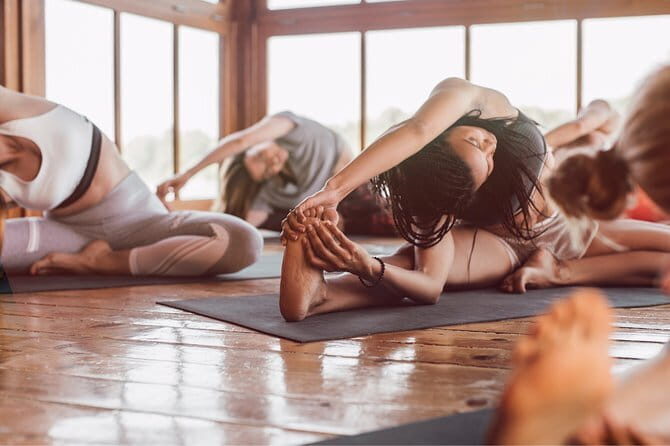
- Zen Master Vidhi Chhariya leads the retreat, with a gentle, meditation-forward teaching style
- 4:30 am starts, with breathwork and yoga building the day’s foundation
- Chakras + theory are taught alongside practice, so you know what you’re working on
- Non-touch energy healing is available as an optional add-on (and it’s positioned as balancing energy centers)
- Small group size (max 15) keeps the atmosphere focused
- Alcohol is not allowed during the program, which shapes the overall feel
Kerala’s Poovar base: why this setting matters
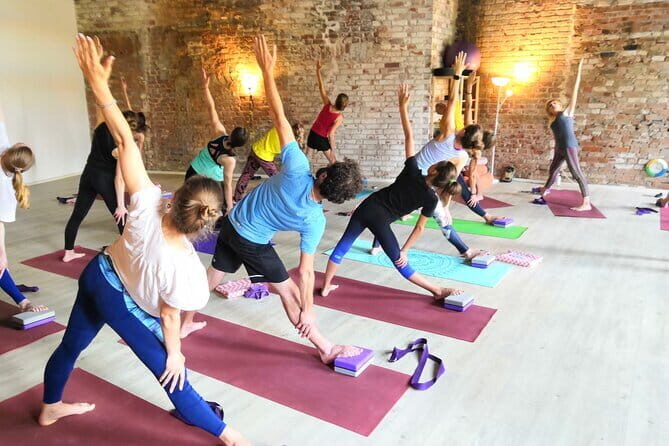
This retreat is based in Poovar Islands, a part of Kerala known for warm sea air, coconut-lined coast, and the “backwaters” vibe you see on houseboats. You don’t need to be a beach person to enjoy this. The ocean and quiet surroundings make it easier to stay in a slower rhythm once you’re done with your sessions.
Arrival on day one is about settling in, not cramming in activities. You start with a light meditation portion after landing at the property. That matters because the program later runs on a tight loop—practice, rest, and then practice again.
The meeting point is Over The Hill, Poovar – Uchakada Post (near Isola Di Cocco Resort, Thiruvananthapuram area). Pickup is offered on demand, so if you hate guessing directions after a long flight, it’s smart to request it ahead of time.
You can also read our reviews of more tours and experiences in Kerala.
The teaching style: what you’re really paying for
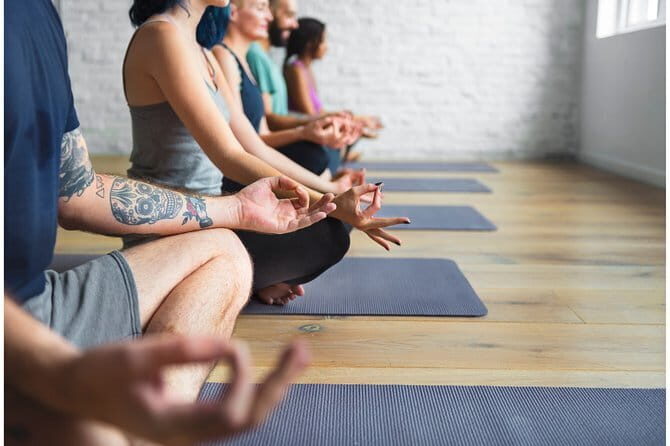
The program is conducted by Awaken Inner Buddha Yoga and Meditation, an organization that runs retreats, workshops, and classes in Zen Meditation and a classical approach to physical yoga across 35+ countries and 60+ cities. That global footprint matters less for bragging rights and more for consistency: you can expect a practiced curriculum and repeatable teaching formats.
Zen Master Vidhi Chhariya guides the retreat gently, with the work moving in three lanes:
- Meditation (learning to sit, listen, and stabilize attention)
- Physical yoga (used here as a healing method, not only for flexibility)
- Healing energy work (to resolve present and past imbalances, as the program frames it)
The “value” piece isn’t just that it includes yoga and meditation. It’s how the retreat tries to connect the dots. Breathwork isn’t presented as a standalone exercise. Chakra learning isn’t just trivia. The structure is meant to help you connect practice to an internal map—what you’re doing, why you’re doing it, and what to watch for as you go.
Your day-by-day flow: the 4:30 am rhythm explained
The retreat runs on a repeating pattern from day two through day seven, which is helpful. You don’t have to constantly re-orient yourself, and that reduces mental fatigue.
Day 1: arrive, settle, start gently
You’ll land at the resort property in Poovar Islands, get oriented, and do a short meditation program. This is a “turn the volume down” day before the early mornings kick in.
Days 2 to 7: same structure, deeper practice
Each day starts at 4:30 am. Then the pace goes like this:
- 5:00 am meditation and breathwork
- 6:30 am physical yoga class for 90 minutes
- 8:00 am breakfast
- 11:15 am meditation
- 12:30 pm theory class
- 3:00 pm yoga meditation class
- 5:00 pm dinner break
- 7:30 pm FAQs
That looks like a lot on paper. In real terms, the key is repetition. The sessions aren’t random workouts—they’re building the same skill set from different angles: breath, posture, attention, and then interpretation (theory).

Day 8: final morning, then check out
You’ll still do a morning meditation at 4:30 am, followed by yoga and breakfast at 8:00 am. Then checkout is at 10:30 am, and the retreat ends back at the meeting point area.
If you’re planning travel after this, I’d treat day 8 as a “leave with your system still waking up” kind of day. Don’t schedule anything intense right after checkout unless you know you bounce back fast.
Meditation + pranayama + theory: how the program connects it all

The retreat description highlights understanding yoga, advancing into meditation, learning about chakras, and purifying the mind and body through advanced pranayama and yogic exercises that activate energy centers. The schedule backs that up: you get multiple meditation windows and at least one theory session daily during the main days.
Here’s why that combination is so useful for most people:
- Breathwork can make meditation easier because it gives your attention a handle.
- Physical yoga can reduce the “I can’t sit still” problem by waking up the body and improving tolerance for quiet.
- Theory gives context. Even simple explanations can help you stop chasing random sensations and start noticing what changes matter.
The retreat also emphasizes learning about how to heal yourself and others. That doesn’t mean you’ll leave with a medical license—it means the program’s framing is about self-regulation: learning practices that calm, rebalance, and restore steadiness.
What “healing energy work” means here (and what to expect)
The retreat includes healing energy work as part of the teaching approach, and it also offers optional sessions. One add-on that stands out is chakra balancing by the master and one-on-one transcendental sessions.
From the program’s description of their healing style, the optional energy healing is positioned as non-touch therapy focused on balancing and energizing energy centers, along with cleansing the energy channel. People have described feeling deeply relaxed afterward, including improved sleep and reduced worry-like states.
Still, keep expectations grounded. Energy work can feel subtle or very noticeable depending on the person and the day. The smartest approach is to treat it like training attention and regulation—not like a guaranteed fix for everything in your life.
If you tend to be skeptical, you’ll probably still appreciate it as a structured, guided ritual that pushes you away from mental noise and back toward bodily awareness.
Optional add-ons: chakra balancing and one-on-one work

The retreat lists a few sessions that cost extra:
- Chakra balancing by the master: Rs 9,000 per 60 minutes
- One-on-one transcendental session by the master: Rs 9,000 per ongoing hour
- Massage therapy by the master: Rs 9,000 for 60 minutes
These aren’t required for the core program, but they can be tempting—especially if you know you respond well to coaching and hands-on or guided work.
My practical advice: choose based on your real goal.
- If you want deeper clarity about internal energy centers, and you enjoy focused guidance, consider chakra balancing.
- If you want a personalized “what should I do with my experience” conversation, one-on-one makes sense.
- If you’re someone who uses bodywork as a way to release tension and settle afterward, the massage add-on may be worth considering.
Because the main retreat already includes yoga and long meditation blocks, adding extras can also increase intensity. If you’re new to this kind of work, start with the core program and add only one optional session so you don’t overload your recovery time.
Price and what feels like “good value” here
The listed price is $4,630.41 per person for about 8 days. At that level, value isn’t just “you get classes.” You’re paying for:
- Guided multi-day structure (including daily theory)
- Instruction under a specific senior leader (Zen Master Vidhi Chhariya)
- Included accommodation
- 50 hours program certificate
- Meals included (breakfast 8 times, dinner 8 times)
The cost also reflects that this is not a “drop in for a weekend.” The schedule runs long hours across multiple disciplines, with no alcohol allowed and a consistent routine you likely wouldn’t replicate on your own in Kerala.
What’s not included is equally important:
- Treatments and massages (available by direct payment)
- Optional master sessions (chakra balancing, one-on-one)
- Any picnics or guided tours
- Transportation to/from attractions
- Alcoholic drinks (also explicitly not allowed during the program)
So yes, it’s expensive. But you’re buying time, structure, and instruction in one place—plus meals and lodging that remove a lot of logistics.
If you want a retreat where you also want to roam freely every day, this price may not match your style. If you want focus and repetition, it’s closer to a “worth it” category.
Packing tips that keep the experience comfortable
The retreat encourages specific clothing choices so teachers can correct alignment during yoga:
- For women: leggings and shorts are encouraged
- Bring comfortable clothing for sitting in meditation postures and doing yoga
They also encourage swimwear and sunscreen if you want to swim, plus sun-ready basics because Kerala is warm and sea-based.
A few practical add-ons you may not think about:
- If you get cold during early morning meditation, bring a light layer for after the yoga warm-up.
- Bring something for wet-humidity comfort—Kerala mornings can feel different from afternoons even when it’s warm.
Also, service animals are allowed, and most people can participate. That said, this is a physically and mentally structured program, not a casual wellness spa.
Small group size: why max 15 matters
The maximum group size is 15 travelers. That number changes the feel. In a smaller group, instructors can better track who’s struggling with posture, who needs reminders during meditation, and where theory might need rephrasing.
It also means you’re less likely to get lost in the shuffle. For a retreat that depends on repetition and careful attention, that’s a big plus.
Who this retreat fits best
This is a strong match if you want:
- A retreat built around practice (meditation + yoga + breathwork)
- A structured daily schedule with minimal decision-making
- Chakra and healing energy concepts taught alongside physical work
- A calmer, disciplined environment (including no alcohol)
It may not be the best fit if you want lots of sightseeing, late mornings, or a flexible “do whatever each day” approach. The early start is real, and the day is packed.
If you’re coming as a beginner, the “gentle” teaching style can help you settle in—especially with daily FAQs at 7:30 pm, where you can ask questions as you go. If you’re more advanced, you may appreciate the consistent structure and the focus on pranayama and energy-center work.
Should you book the Alchemist retreat in Kerala?
Book it if you want an 8-day reset that’s built on daily meditation, breathwork, and yoga, plus chakra-focused theory and optional deeper sessions. This is the kind of program where you can measure progress by how your attention and body settle over time—not by collecting activities.
Skip it (or reconsider dates) if you know you can’t handle 4:30 am starts, or if you want free hours for tours and wandering. Also keep budgeting for optional add-ons if you’re tempted—chakra balancing, one-on-one sessions, and master massage are priced separately.
If your goal is to train steadiness—mind and body together—then Kerala + Poovar’s calm + Zen Master Vidhi Chhariya’s approach is a very logical place to spend your retreat time.
FAQ
How long is the Alchemist Healing Meditation Yoga Retreat?
It’s listed as 8 days (approximately), with daily sessions from the early morning through the evening and a checkout on the final day at 10:30 am.
Where does the retreat take place?
The retreat is in Kerala, India, at Poovar Islands. The meeting point is Over The Hill, Poovar – Uchakada Post, opposite Isola Di Cocco Resort.
What time does the daily program start?
Most days start with wake-up and practice around 4:30 am, followed by meditation and breathwork at 5:00 am.
What’s included in the price?
Included items are accommodation, all yoga/meditation/healing classes, a certificate for the 50-hour program, and meals: breakfast (8) and dinner (8).
Is pickup available?
Pickup and drop to and from the resort is available on demand, and hotel pickup can be requested directly with the hotel. The activity also uses mobile tickets.
Are alcoholic drinks allowed?
No. Alcoholic drinks are not allowed during the program.
What optional sessions cost extra?
Optional add-ons include chakra balancing by the master (Rs 9,000 per 60 minutes), one-on-one transcendental session (Rs 9,000 per ongoing hour), and massage therapy by the master (Rs 9,000 for 60 minutes).
What should I pack for the retreat?
Bring comfortable clothing for sitting in meditation postures and doing yoga. Kerala sun is part of the setting, so bring sunscreen, and swimwear if you want to swim.