REVIEW · BANGALORE
Farm stay in Sikkim to explore monasteries and villages over 5 days
Book on Viator →Operated by 5 Senses Walks · Bookable on Viator
Five days in Sikkim starts with quiet mountain air. This farm stay near Rinchenpong puts you at 6,000 ft in a Tibetan-style base, with Pemayangtse Monastery as a highlight and real village life just outside the gate. You get the kind of trip where monastery bells, prayer flags, and working farmland all feel like part of the same day.
I especially loved the way the itinerary pairs a major sacred site with tangible history. Pemayangtse is not treated like a quick photo stop; you’re guided to important rooms, including the top-floor wooden structure depicting Sang-tok-palri, linked to Late Dungzin Rimpoche.
My main caution is the good-weather dependency. This route needs decent weather, and the Himalaya views depend on it, so cloudy skies can soften the wow factor.
In This Review
- Key things you’ll remember from this Sikkim farm stay
- Yangsum Farm at 6,000 Feet: A Working Organic Base, Not a Fancy Retreat
- How the 5-day route actually feels: early flights, scenic drives, and slow mornings
- Day 2 on the 44-acre Yangsum Heritage Farm: forests, fields, and seasonal crops
- Pemayangtse Monastery: the Nyingmapa jewel with a top-floor surprise
- Rabdentse ruins: a 2 km nature reserve trek to Sikkim’s former capital
- Rinchenpong villages and monasteries on Day 4: prayer wheels, lessons, and daily chores
- Rooms, food, and real comfort: Tibetan-style stays with modern basics
- Price and value: what $885 buys when flights and entry fees are in the mix
- Who should book this Sikkim farm-and-monastery stay?
- Should you book this 5-day Yangsum Farm experience?
- FAQ
- What are the flight times from Bangalore and back?
- What kind of rooms do you get at the farm?
- Which Buddhist monasteries and historical sites are included?
- Is there trekking involved?
- Is Yangsum Farm organic, and what does it grow?
- Is pickup provided and is it a private group?
- What happens if weather is poor or if I cancel?
Key things you’ll remember from this Sikkim farm stay
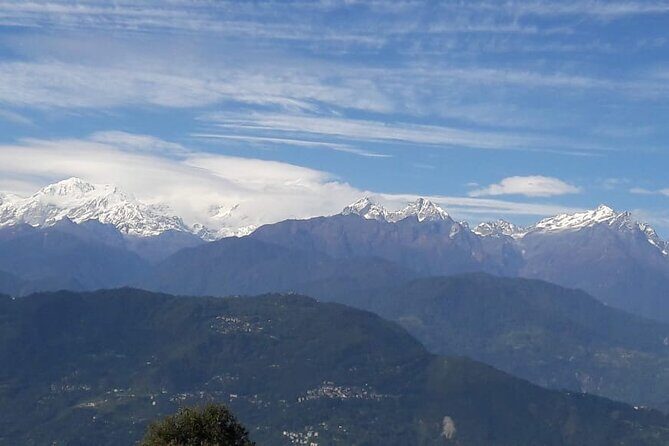
- Yangsum Farm at 6,000 ft: a serene working organic farm stay near Rinchenpong
- Pemayangtse details that go beyond the basics: including the top-floor depiction of Sang-tok-palri
- Rabdentse ruins with a 2 km trek: a nature reserve walk plus views of the former capital
- 44 acres of organic cultivation: pine forests, seasonal crops, and a real sense of daily farming
- Comfort in the countryside: Tibetan-style rooms with modern conveniences like wifi and phone network connectivity
Yangsum Farm at 6,000 Feet: A Working Organic Base, Not a Fancy Retreat
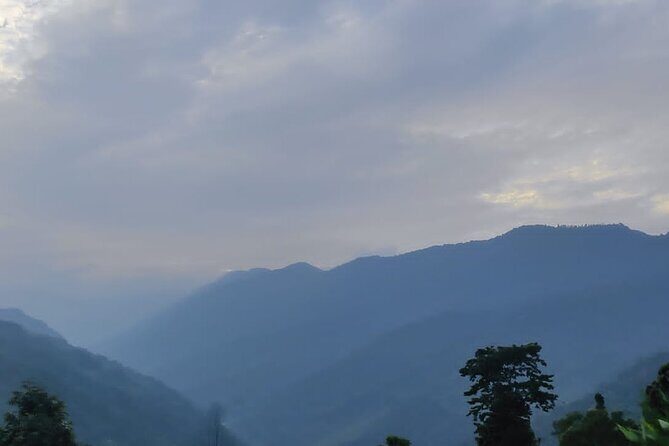
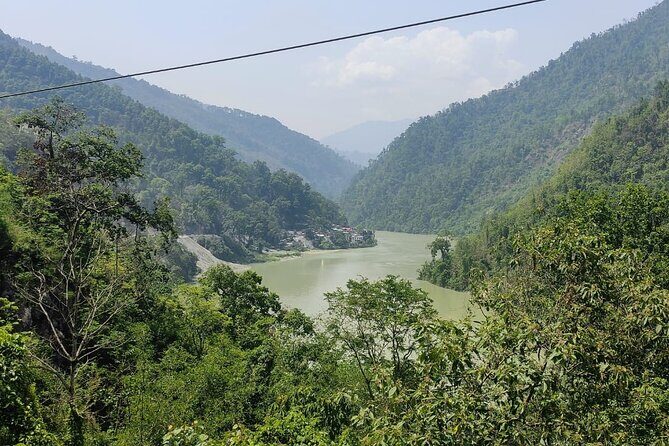
This is a farm stay in West Sikkim, set near the small village of Rinchenpong and about 6,000 ft above sea level. The farm is called Yangsum Farm and sits in a hill region where you can often spot the Himalayan range on clearer days—think wide air, slower time, and a view that changes as clouds move.
What makes it feel authentic is that you’re not just sleeping on farmland. The stay is built around the idea of living from the land. The farm is fully organic and managed like a working place, so your experience has that steady rhythm of cultivation, seasonal crops, and quiet routines.
One nice detail: the farmhouse has history. It was built in 1833 and later remodeled in 1966—so it has the feel of an old hill home, not a brand-new tourist prop. Even the setting points you toward local stories, like Rabindranath Tagore’s short stay at a nearby place called Rabindranath Smriti Van (around 2 km from Rinchenpong bazaar).
You can also read our reviews of more tours and experiences in Bangalore.
How the 5-day route actually feels: early flights, scenic drives, and slow mornings
The trip begins in Bangalore with an early start. You depart by flight at around 6:15 AM and arrive in Bagdogra (Siliguri) at about 9:15 AM. Then comes the longer transfer: a 4.5 hour drive from Bagdogra to Yangsum Farm in West Sikkim.
That first travel day is a lot, but it matters because it sets expectations. You’re trading an easy afternoon for a real arrival into the hills. By the time you check in at around 6:30 PM, you’re done with transport and ready for the farm’s quiet atmosphere.
The schedule continues with a smart pace:
- Day 2 is mostly on the farm itself.
- Day 3 and Day 4 focus on monasteries and village areas.
- Day 4 ends with a move to Siliguri for an overnight before your flight back to Bangalore.
If you like trips with a clear plan and no wasted half-days, this one works. If you’re hoping for lots of free time, you’ll want to adjust your expectations—your activities are built around the religious sites and village visits.
Day 2 on the 44-acre Yangsum Heritage Farm: forests, fields, and seasonal crops
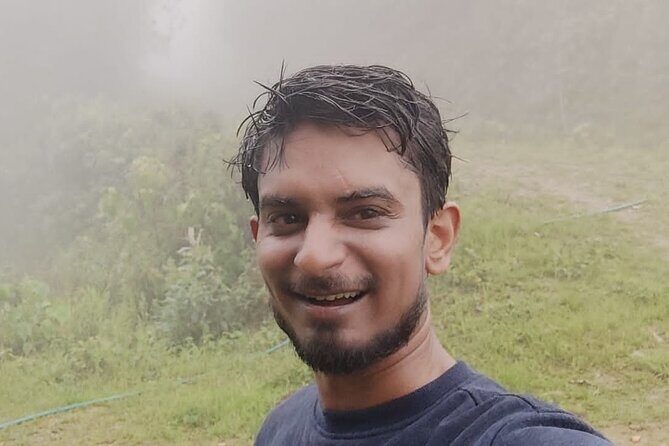
Day 2 is where the farm stay earns its keep. You’ll spend time at Yangsum Heritage Farm, covering about 44 acres of mixed forest and farmland. This isn’t just a walk around pretty grounds; it’s a look at how an organic mountain farm operates.
The farm includes open forest types and trees like pine, Himalayan alder, chestnut, magnolia, rhododendrons, cherry, and more. You’ll also see the practical side of the place with crops that change by season. Cardamom, avocados, oranges, bananas, pears, apricots, and mangoes are part of the mix, along with vegetables like cauliflower, cabbage, tomatoes, and peas.
During cultivating periods, the farm produces things like maize, paddy, millet, potatoes, ginger, turmeric, and sweet potatoes. That list is the key point: it’s a real working system designed for multiple harvests, rather than a single-crop setup.
One more thing I appreciated from the overall experience: the farm doesn’t force you to give up basic comfort. Reviews noted wifi and phone network connectivity, which can make the trip feel more manageable if you need to stay in touch or just want less stress at night.
Pemayangtse Monastery: the Nyingmapa jewel with a top-floor surprise
On Day 3, you head to Pemayangtse Monastery, with a drive of about 90 to 100 minutes. Pemayangtse is described as the most important monastery of the Nyingmapa order, and it was built in the late seventeenth century by Lama Lhatsum Chenpo—a name tied to consecration ceremonies linked to Sikkim’s early religious monarchy.
This visit is the kind that rewards a slower look. The monastery houses a range of religious idols and worship objects, but the standout tip is to don’t miss the top floor. That upper level includes a wooden structure depicting Sang-tok-palri, described as a masterpiece created by Late Dungzin Rimpoche.
That detail matters because it turns your visit from general sightseeing into something specific and meaningful. When a trip guide points out the right room, you leave feeling like you actually saw the heart of the place, not just the facade.
Practical note: monastic sites often involve quiet, respectful movement. If you keep your pace calm and your voice low, you’ll fit right in.
Rabdentse ruins: a 2 km nature reserve trek to Sikkim’s former capital
After Pemayangtse, you go to Rabdentse Ruins. Rabdentse was the second capital of Sikkim, established in the late seventeenth century by the second Chogyal of Sikkim. It was later abandoned toward the end of the eighteenth century due to threats from Nepal, and the capital shifted to Tumlong.
Today, Rabdentse is in ruins—so you’ll understand it best through scale and setting. The route includes a trek of about 2 km from the main road near Pemayangtse. You pass through a nature reserve, which is described as a sanctuary for 106 species of birds.
That bird sanctuary detail gives the trek a bonus feel. Even if you’re not there for birdwatching, the walk through the reserve changes the experience from “ruins only” to “ruins plus a quiet nature corridor.”
Comfort tip: wear shoes with grip. The trek is not long, but it’s a hill environment, and you’ll feel it underfoot.



Rinchenpong villages and monasteries on Day 4: prayer wheels, lessons, and daily chores
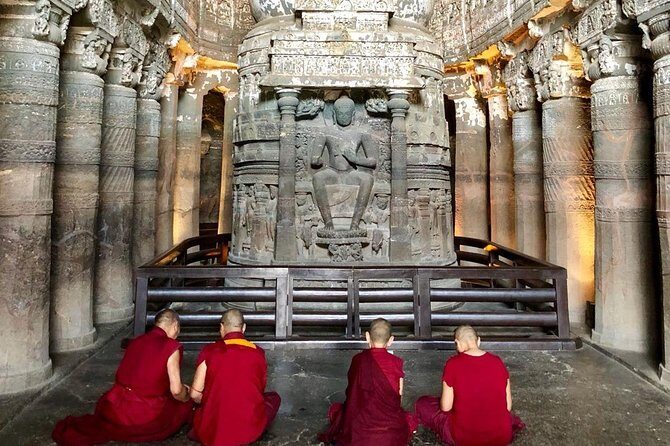
Day 4 is a more human-feeling day. You’ll visit local villages and Buddhist monasteries, including older sites. The emphasis here is less on monuments and more on daily routines: watch young monks in lessons, or doing chores around the monastery spaces.
You may also spin prayer wheels, listen to chanting, or simply sit and let the hilltop quiet do its job. This is the kind of time where you stop trying to “collect sights” and start noticing how religious life is woven into ordinary days.
You’ll spend about 3 hours in this Rinchenpong area before leaving the farm around 2:00 PM. Then you’re back to Siliguri for a hotel check-in at about 6:30 PM, which positions you well for the return flight the next morning.
Rooms, food, and real comfort: Tibetan-style stays with modern basics
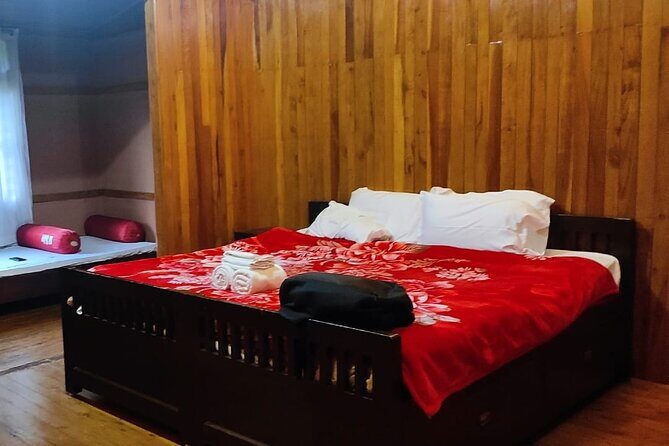
Your stay is planned in Tibetan style rooms at Yangsum Farm. The point isn’t luxury. The point is that you’re sleeping close to the cultural and agricultural setting—so mornings feel like part of the trip, not just the start of it.
What surprised me in the feedback is how comfortable the experience is despite the rural setting. Reviews highlighted great rooms, food and service, and the presence of wifi plus phone network connectivity. That combination matters because it keeps the stay grounded and practical. You don’t feel cut off; you just feel away from the noise.
If you’re the type who likes to charge your camera, check messages, or plan your next monastery shot without stress, this is a good fit.
Price and value: what $885 buys when flights and entry fees are in the mix
At $885 per person for roughly 5 days, the value depends on what you compare it to. If you normally pay separately for flights, private transfers, and monastery entry fees, this starts to look fair.
Here’s why it adds up: the itinerary includes a flight from Bangalore to Bagdogra and back, plus substantial road transfers into West Sikkim. Several stops have admission marked as included or free (for example, the farm experience is listed as included on Day 2, and monastery and ruins admissions are marked included on Day 3).
You also get a trip structure that reduces planning friction. You’re not juggling schedules between sites, and you’re moved with drivers and local guidance throughout the key areas. One review specifically called out how well organized everything felt and praised enthusiastic coordination from drivers and guides.
My advice: judge the cost against convenience and time saved. If you have to arrange your own transportation and handle entry tickets while also figuring out how to see Pemayangtse and Rabdentse efficiently, you’ll likely spend time and energy you don’t want to spend on logistics.
Who should book this Sikkim farm-and-monastery stay?
This tour fits best if you want three things together:
- Monasteries with context, not just quick stops
- A real farm setting where organic cultivation is part of the story
- Village life around Rinchenpong, including monks doing everyday work
You’ll probably love it if you’re comfortable with early starts and modest walking (like the 2 km trek to Rabdentse). If you’re extremely sensitive to altitude, long drives, or very busy schedules, you may find the pace more demanding than a slow homestay with no driving.
Still, for many people, that balance is the point. You get countryside calm at the farm, then culture and history in focused bursts.
Should you book this 5-day Yangsum Farm experience?
I think you should book if you want a trip that feels locally grounded: an organic working farm stay at 6,000 ft, plus a day centered on Pemayangtse, another day for Rabdentse ruins and bird reserve walking, and a calmer final cultural window in Rinchenpong.
Two deciding factors for me:
- Weather tolerance: the best Himalayan views depend on conditions, and the experience requires good weather.
- Your travel style: if you like structured days with planned stops, this will feel easy. If you want maximum free time, it might feel a bit full.
FAQ
What are the flight times from Bangalore and back?
You depart Bangalore by flight around 6:15 AM and arrive Bagdogra (Siliguri) at about 9:15 AM. On the return day, you depart Bagdogra around 9:40 AM and arrive Bangalore at about 12:40 PM.
What kind of rooms do you get at the farm?
The stay is planned in Tibetan style rooms at Yangsum Farm, located near Rinchenpong at roughly 6,000 ft above sea level.
Which Buddhist monasteries and historical sites are included?
You visit Pemayangtse Monastery and Rabdentse Ruins. You also visit additional local villages and Buddhist monasteries around Rinchenpong on Day 4.
Is there trekking involved?
Yes. To reach Rabdentse Ruins you trek about 2 km from the main road near Pemayangtse through a nature reserve.
Is Yangsum Farm organic, and what does it grow?
The farm is described as fully organic and grows crops such as cardamom, avocados, oranges, bananas, pears, apricots, mangoes, and vegetables like cauliflower, cabbage, tomatoes, and peas. Seasonal cultivation includes maize, paddy, millet, potatoes, ginger, turmeric, and sweet potatoes.
Is pickup provided and is it a private group?
The experience states that pickup is offered, and it’s set up as a private tour/activity where only your group participates.
What happens if weather is poor or if I cancel?
The experience requires good weather. If it’s canceled due to poor weather, you’re offered a different date or a full refund. For cancellations, you can cancel up to 6 days in advance for a full refund; later cancellations have reduced or no refund based on how close you are to the start time.