REVIEW · TRIVANDRUM
Heritage & Cultural Walk of Trivandrum 2 Hour Guided Walking Tour
Book on Viator →Operated by Yo Tours · Bookable on Viator
Trivandrum clicks into focus on foot. This 2-hour Heritage & Cultural Walk strings together the city’s big sights and the quieter lanes between them, with a guide sharing history, architecture notes, and practical local tips. You start at the Kanakakunnu area and finish near the Kerala Government Secretariat, with stops timed to give you a smooth sense of direction.
I especially like the mix of major landmarks and human-scale street details. The tall national flag at Kanakakunnu Palace sets the tone, and the walk then moves into places like the Napier Museum and Connemara Market where Trivandrum’s culture feels lived-in. I also like that the guide experience is the star of the show—English and Hindi are used, and guides such as Sureshkumar, Biju, and Siddharth are praised for clear explanations, enthusiasm, and patience with questions.
One consideration: this is still a short, practical walk between several stops, so not every minute is narrow-lane wandering. If you’re hoping for a slow, alley-only route, think of it as an efficient introduction where the guide can steer you toward side streets when possible.
In This Review
- Key highlights to know before you go
- Why this walking route works for first-timers
- Entering the starting point: Kanakakunnu flag and palace atmosphere
- Napier Museum: when you want culture with objects, not just labels
- Keralam Museum and Mateer Memorial Church: heritage you can read
- Rama Rao Lamp, old houses, and the pull of older institutions
- A 150-year-old Latin Rite cathedral: a calm checkpoint during the walk
- Connemara Market: the best ending for shopping instincts
- How the guide makes or breaks the experience
- Price, pace, and what you should bring for a smooth 2 hours
- Getting the most out of each stop: a simple strategy
- Should you book this Trivandrum heritage walk?
- FAQ
- How long is the Heritage & Cultural Walk of Trivandrum?
- Where does the tour start and end?
- What is included in the tour price?
- Is hotel pickup or drop-off included?
- Are bottled water or snacks provided?
- What happens if weather is poor?
Key highlights to know before you go

- A 2-hour orientation that helps you understand where sights sit in Trivandrum, from Kanakakunnu toward Palayam.
- Storytelling-led stops at places such as Napier Museum, Keralam Museum of History and Heritage, and an Archdiocese cathedral.
- Artifacts-focused museum time at Napier Museum, including bronze idols, ornaments, a temple chariot, and ivory carvings.
- Side lanes and local errands baked into the route, including guidance for food, shopping, and where to pause for a break.
- Flexible format with group discounts and the option to upgrade to a private tour for your own pace.
- Market energy at the end with the Connemara Market’s arched entrance and street-vendor variety.
Why this walking route works for first-timers
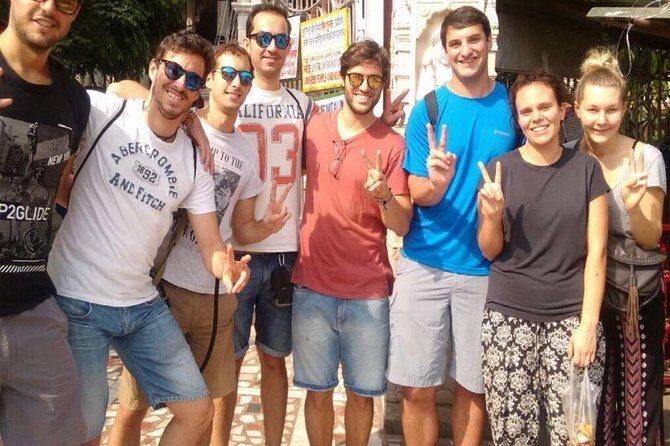
If Trivandrum feels like it’s moving under your feet—busy roads, big buildings, and unfamiliar place names—this walk is a smart way to reset your brain. In two hours, you’re not trying to “see everything.” You’re learning how the city connects: palace grounds to museums, churches to old houses, and then down to a classic market zone.
The biggest value is the order of stops. Kanakakunnu gives you a ceremonial starting point. The museums and heritage buildings give you context. And Connemara Market gives you everyday context—how locals actually shop and browse. Guides like Gokul are specifically praised for steering the group like a local resident, including recommending a quiet coffee spot mid-walk.
You can also read our reviews of more walking tours in Trivandrum

Entering the starting point: Kanakakunnu flag and palace atmosphere
You begin at the Kanakakunnu Flag Post on Kanakakunnu Palace Road. The first stop centers on a detail that’s hard to ignore: the tallest national flag in India flying at Kanakakunnu Palace. It’s a strong visual anchor, and it instantly helps you orient because everything else on the route becomes easier to place after you’ve seen this ceremonial landmark.
From here, you get the feeling that the walk isn’t just about ticking off famous sites. It starts by framing what Trivandrum celebrates—public symbolism, royal-era spaces, and how those influences show up in today’s city layout.
Practical note: since you’re starting outdoors, wear shoes you can trust for a continuous walk and be ready for warm afternoon light. You won’t have hotel pickup, so plan to arrive at the meeting point under your own steam.
Napier Museum: when you want culture with objects, not just labels
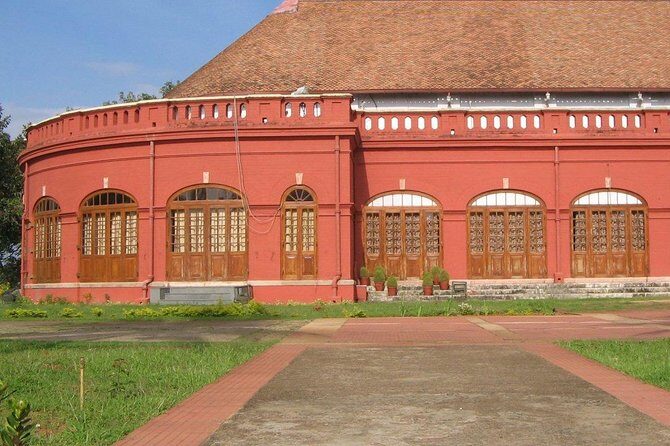
Next up is the Napier Museum, an art and natural history museum built in the 19th century. This is one of the best stops on the route if you like more than postcard views. The museum is known for historical artefacts such as bronze idols, ancient ornaments, a temple chariot, and ivory carvings.
That artifact list matters because it changes how you look at the city. Trivandrum isn’t just temples and buildings—it’s also craft traditions, religious objects, and historical design language. A good guide will point out what you’re seeing and why it matters, turning a quick visit into a memorable “oh, that’s what that was” moment.
If you’re short on attention span, the museum stop may feel like the densest part of the walk. On the bright side, a strong guide can pace you and answer questions in real time, which is exactly what people praise in guides like Biju and Naveen.
Keralam Museum and Mateer Memorial Church: heritage you can read
After Napier Museum, the walk shifts into heritage and faith sites. One stop is Keralam – Museum of History and Heritage, paired with Mateer Memorial Church.
This part of the route is valuable because it widens your lens. Napier Museum gives you 19th-century collections and broader history themes. Then Keralam Museum and the church land you in Trivandrum’s story through local heritage and built religious culture. If you like architecture, this is where you’ll notice design details more than you expected—church forms, institutional space, and the way these sites sit within the surrounding streets.
A tip for you: keep an eye out for how the guide connects religious and cultural history. When the guide is strong, these stops start sounding less like separate attractions and more like pieces of one city puzzle.
Rama Rao Lamp, old houses, and the pull of older institutions
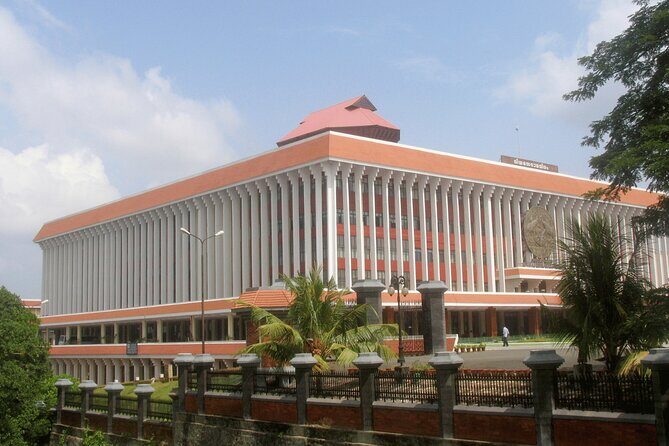
Another highlight is the Rama Rao Lamp stop, followed by a stretch focused on old houses of Kerala, plus stops around the state library and old university.
This section is for travelers who enjoy texture: not just what’s inside museums, but how older neighborhoods and institutions feel from the street. Old houses and historical lamps and campuses can seem quiet until someone shows you what to notice—materials, forms, and the “why” behind place names.
In practical terms, this is also where you’ll likely get the most useful commentary for your future exploring. When a guide explains how areas connect, you’ll start to recognize patterns you can reuse later—what streets tend to run toward which landmarks, and which zones are more practical for food and shopping.
You can also read our reviews of more guided tours in Trivandrum



A 150-year-old Latin Rite cathedral: a calm checkpoint during the walk
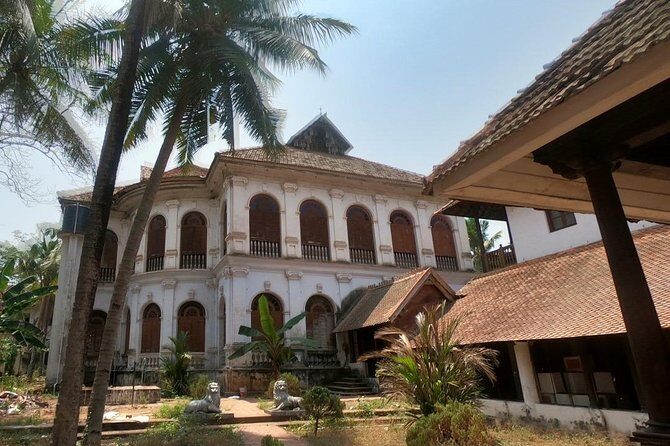
The route includes a Roman Catholic Latin Rite cathedral connected to the Archdiocese of Trivandrum, noted as being built about 150 years ago.
Cathedrals can feel similar across travel destinations—big doors, tall walls, and the usual “take a photo” instinct. What makes this stop worth your time on this walking tour is that it comes at the right moment: after museums and old-institution sights. You’re ready for a different tempo, and the guide’s commentary can help you see details that you might otherwise ignore.
Also, churches often provide a natural break in the walk. Even when you’re not going inside, you’ll feel the shift in scale and sound from surrounding streets.
Connemara Market: the best ending for shopping instincts
The final stop is the Connemara Market, described as the oldest Connemara Market with an arched entrance and a known variety of items sold by street vendors.
Ending here is smart. Museums can make your head feel full. Markets bring your body back to the real city. You get a sense of what people are buying, browsing, and carrying home—plus it’s an easy place to apply your guide’s local recommendations for what to look for.
If you like souvenir shopping but want it to feel practical instead of random, this is where you’ll benefit most from the guide’s advice. Some guides are even praised for helping with shopping, not just steering you toward the nearest store.
How the guide makes or breaks the experience
This tour lives or dies by the guide, and the good news is that the guide experience is the core strength here. The included guide is described as friendly, trained, and able to speak English & Hindi. The best versions of this walk shine because the guide doesn’t just recite facts—they explain with energy and answer questions without rushing you.
Names that come up in feedback include Suresh/Sureshkumar, Gokul, Vijay, Biju, Naveen, Hareesh, and Siddharth. The consistent theme is clear communication and a patient pace. One guide style that’s especially useful: stopping mid-route for a relaxed break. Gokul, for example, is praised for helping find a quiet coffee place midway, which is exactly the kind of real-world support that makes a short walk feel comfortable.
Price, pace, and what you should bring for a smooth 2 hours
At $11.35 per person for about 2 hours, this is priced like an “intro” tour, not a long private day. For that money, the value comes from three things: a guide included in the price, a route that links multiple major sites, and practical tips on food and shopping.
It helps that you’ll have access to hidden lanes and places, which is where walking tours can earn their keep. You’re not only looking at famous buildings; you’re learning how to move through the city and what to do next.
Just be prepared for what isn’t included. Bottled water and snacks aren’t provided, and there’s no hotel pickup/drop-off. I’d plan to bring water (especially since you’re walking outdoors) and a small snack if you tend to get hungry. If you do the tour in hotter hours, that simple prep keeps the whole experience enjoyable.
Pace-wise, it’s a two-hour “see and orient” run. If you want extended museum time or long sit-down breaks at each stop, you may have to save that for a return visit.
Getting the most out of each stop: a simple strategy
You’ll get more from this walk if you treat it like a learning path, not a photo sprint.
- Ask one or two questions at the start, and then keep your eyes open for the answers.
- When you reach a worship site or museum, pause for a minute before rushing on. Your guide will usually explain what matters most.
- Use Connemara Market as a practical “test.” If you want to shop later, you’ll know what kind of items the area is known for and how vendors operate there.
Also, keep your expectations realistic about “walking.” This is a route that connects several attractions, so you’ll have some streets between points. The payoff is that the guide can still redirect your attention toward the smaller lanes and cultural details when you’re close enough to see them.
Should you book this Trivandrum heritage walk?
Book it if you want a fast, friendly orientation to Trivandrum’s culture and landmark geography in just two hours. The combination of Kanakakunnu Palace, Napier Museum (with its specific artifact focus), heritage church and museum stops, and an ending at Connemara Market gives you variety without dragging the day out.
Skip it or adjust expectations if you want only alley-style wandering for the entire tour. This walk is designed to connect key sites, so some road segments are part of the deal. If that’s your concern, choose a private upgrade when available, so you can ask for more time on side lanes and fewer stretches that feel like simple transit.
If you value guides who explain clearly, stay patient, and offer real local suggestions, this is a strong pick for your first or second day in town.
FAQ
How long is the Heritage & Cultural Walk of Trivandrum?
The tour lasts about 2 hours.
Where does the tour start and end?
It starts at the Kanakakunnu Flag Post near Kanakakunnu Palace Road, and ends at the Kerala Government Secretariat main block area near the Statue in Palayam.
What is included in the tour price?
Included are a trained English/Hindi-speaking guide, access to hidden lanes and places, and local tips and recommendations. You’ll also get storytelling and conversation during the walk.
Is hotel pickup or drop-off included?
No. Hotel pickup and drop-off aren’t included.
Are bottled water or snacks provided?
No. Bottled water and snacks aren’t included, so plan to bring your own.
What happens if weather is poor?
If the experience is canceled due to poor weather, you’ll be offered a different date or a full refund.