REVIEW · MUMBAI
Dharavi Slum Tour in Mumbai
Book on Viator →Operated by Mystical Mumbai · Bookable on Viator
Two hours, one hard-to-forget walk. This Dharavi slum tour in Mumbai goes beyond the film-famous headlines by focusing on daily work—especially recycling and small-scale manufacturing—explained by a guide who actually lives in Dharavi. I like how the tour uses guided commentary to connect what you see (workshops, industries, community spaces) to the realities residents face. I also like the human scale: a walk that moves at neighborhood pace, with a small-group feel built around close conversation, not a rush of photos.
One possible drawback: you’ll walk through tight lanes and you’ll want to stay respectful and steady—comfortable shoes help, and dress should be modest (shoulders and knees covered) throughout India.
In This Review
- Key things to know before you go
- Dharavi, explained the practical way
- Meet a guide who lives the neighborhood
- Where the tour starts: Mahim Station to 13th Compound
- The industries you’ll actually see up close
- Film-famous Dharavi, with the real issues included
- Stops at schools and churches: community beyond production
- How long it takes, and what pace feels like
- Price and value: what $70 gets you
- Pickup, tickets, and getting there without stress
- What to wear and how to act (so the visit stays respectful)
- Who this tour fits best
- Should you book Dharavi with this operator?
- FAQ
- How much does the Dharavi Slum Tour cost?
- How long is the tour?
- Where does the tour start?
- Is pickup included?
- What’s the maximum group size?
- Who guides the tour?
- What will I see during the tour?
- Is lunch included?
- What should I wear?
- Is the tour physically demanding?
- What is the cancellation policy?
Key things to know before you go
- College-student guides from Dharavi who share what daily life and work look like from the inside
- Small-group setup with a maximum of 2 travelers for a calmer experience and more Q&A time
- Hands-on industry stops, including a plastics and metals recycling yard at 13th Compound
- Local community moments with stops at schools and churches for context beyond the workshops
- A clear, film-famous framing using Dharavi’s Slumdog Millionaire connection—without letting it replace the real story
Dharavi, explained the practical way
Dharavi is the kind of place people talk about in extremes: shock, curiosity, or a quick movie reference. This tour takes a different angle. Instead of turning the neighborhood into a headline, it treats Dharavi like a working community where people make things, trade materials, and solve problems every day.
The core value is the guide. You’re not just walking; you’re getting commentary while you go. That matters here, because Dharavi isn’t a single “attraction.” It’s an interlocking mix of homes, businesses, schools, and churches, all layered closely together. A good guide helps you understand what you’re seeing without turning it into a spectacle.
Also, the tour is built around a walking format for a reason. In a place like this, you learn the rhythm by moving through the lanes, slowing down where the work happens, and noticing where community life continues around it.
You can also read our reviews of more tours and experiences in Mumbai.


Meet a guide who lives the neighborhood

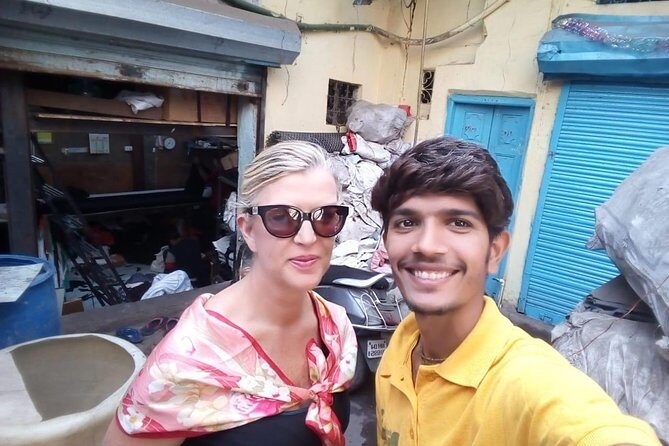
You’ll be led by a college student guide who is a resident of Dharavi. That setup changes the tone immediately. You get answers that sound like daily logic, not rehearsed tourist talk.
From the names shared in past experiences, guides such as Rajesh, Samir, and Anton/Anthony have led this tour format. Even more important than the names: these guides help their own schooling through the work, so the tour isn’t only about showing you Dharavi—it also supports the guide’s education.
How does that show up in real life? You’ll want to bring questions. The style described around this tour emphasizes a two-way conversation, and it’s encouraged to ask things and take photos when appropriate. You’ll still want to stay sensitive. But the goal is comfort and clarity, not discomfort for its own sake.
Where the tour starts: Mahim Station to 13th Compound

The tour begins at Mahim Railway Station. That’s convenient because you’re starting near public transport, and it also helps you orient yourself fast. Once you meet your guide, you head toward the industrial side first.
Your early stop is the Plastic and Metal Recycling yard of 13th Compound (13th Compound). This is where the tour gives you one of its most concrete “aha” moments.
You’ll see how plastic is handled in small-scale ways—melting and moulding—alongside manufacturing tied to consumer products. One described example is plastic toys, plus items like buttons made for popular brands (including Barbie Dolls of India). The details matter. The point isn’t to say Dharavi is “perfect” or “romantic.” The point is to show how a dense population turns waste and materials into work and outputs.
A practical note: this kind of start sets expectations for the whole walk. After you understand the recycling and production basics, the later stops—residential life and community spaces—make more sense.
The industries you’ll actually see up close
The tour is often described as an eye-opener because it reframes Dharavi away from the lazy stereotype of only poverty and begging. You come for the walking tour, but you stay for the range of work.
As you move through the neighborhood, you can expect to see examples of the following types of activity:
- Plastic recycling and processing connected to manufacturing
- Soap production (part of the neighborhood’s small-scale industrial work)
- Pottery and other craft-based production
- Other local methods and workshop trades, which may include work with materials like paint cans, cardboard, and leather
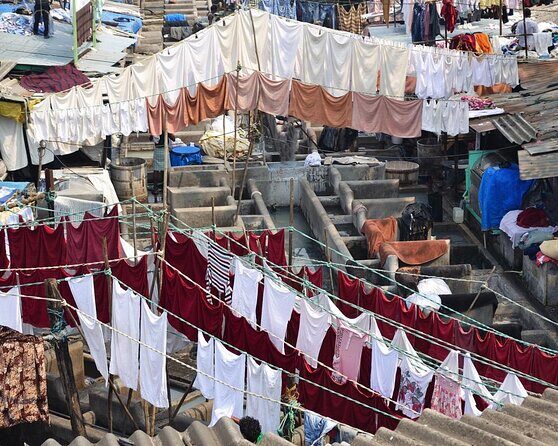
Even when you’re just a visitor, you can learn something useful by watching how production fits into everyday life. Small workshops exist next to homes. Supplies and tools don’t disappear just because you’ve stepped into an alley. The whole place functions like a network.
This is also where the guided commentary earns its keep. Without explanations, you might see “workshops” and stop there. With the guide’s narrative, you can connect the dots: where materials come from, how things get processed, and why these trades survive and persist in a tightly packed urban area.
Film-famous Dharavi, with the real issues included
Dharavi is known internationally because of the 2008 film Slumdog Millionaire. This tour uses that connection as a starting point, but it doesn’t let the movie version replace the actual community.
What I like here is the balance between work and challenges. The neighborhood is presented through the lens of resident life—what it costs to live there, what kinds of issues residents face, and how the community continues despite those pressures.
That matters for you because it keeps the visit honest. It also helps you avoid the “either-or” trap: either you romanticize poverty as grit, or you treat the place as a problem to be pitied from a safe distance. The tour’s structure pushes you toward something more useful: understanding people as workers, neighbors, students, and faith-community members.





Stops at schools and churches: community beyond production

A major part of this tour is the shift from industry to community. You’ll have stops at local schools and churches to get a sense of the neighborhood through daily social and spiritual life.
These pauses do something practical. They break up the workshop focus, so you don’t leave with only images of labor. They also help you see residents as part of institutions that shape future generations—education and community support.
Guides handle this with sensitive commentary. You can feel the difference between being “shown around” and being guided through meaning. And when you’re in a place where outsiders might be tempted to stare, the school-and-church stops provide a more grounded way to pay attention.
How long it takes, and what pace feels like
This experience runs about 2 hours. That’s a good length for a first Dharavi visit. Long enough to get past surface impressions, short enough that you’re not stuck in fatigue or overstimulation.
The tour also has a moderate physical requirement. It’s not described as extreme, but you should assume steady walking through areas with uneven footing and close lanes. One tip that comes up for comfort: wear solid walking shoes. If your feet get unhappy, your brain stops paying attention, and you’ll miss the guide’s commentary.
Group size is intentionally tight. This activity is set up for a maximum of 2 travelers, which is fantastic if you prefer more interaction and fewer people competing for attention.
Price and value: what $70 gets you
The price is $70 per person for roughly 2 hours. On paper, it’s easy to compare to “cheaper tours.” In practice, the value comes from what’s included and what you’re paying for.
Here’s the value equation:
- You’re paying primarily for a resident, college-student guide and the explanations you can ask questions about
- The tour includes a guide service, and your admission ticket is listed as free
- Pickup is offered, but hotel pickup/drop-off isn’t automatically included unless arranged
- If you choose the tour option that includes it, lunch is included; food and drinks otherwise are not
So for me, this isn’t a low-cost “snap a photo” tour. It’s closer to paying for understanding. If you show up curious, ask questions, and respect the pace of the neighborhood, you’ll feel the cost fairly quickly.
Pickup, tickets, and getting there without stress
You’ll want to plan for the start at Mahim Railway Station, since that’s where the tour begins. The tour is near public transportation, so you’re not stuck with complicated transfers.
Pickup is offered, and there’s also the option to arrange hotel pickup/drop-off if you want it, but it isn’t listed as included by default. You’ll also receive a mobile ticket, which is handy for keeping things simple on travel days.
If you’re trying to do this efficiently during a short Mumbai trip, starting near a railway station helps you connect it with other plans without burning an entire day just getting to the meeting point.
What to wear and how to act (so the visit stays respectful)
Modesty matters here. The tour notes that conservative dress is recommended throughout India, specifically covering shoulders and knees.
That isn’t about rules for show. In small local spaces, it’s about comfort, respect, and blending into the everyday reality rather than acting like a walking costume party.
Also, treat photography and questions as a shared moment with your guide. The tour format encourages asking questions and taking photos when appropriate. Your best move is simple: follow your guide’s lead on where photos are welcome and when it’s better to just listen.
Who this tour fits best
This Dharavi slum tour fits best if you want your Mumbai to include more than skylines and beaches.
You’ll like it if:
- you enjoy walking tours with real-world context
- you’re curious about how recycling and small manufacturing work in dense urban areas
- you want a resident perspective, led by a college student living in Dharavi
- you prefer small groups, ideally up to 2 people
You might not love it if:
- you hate walking through tight lanes and crowded sidewalks
- you want a purely entertainment-style tour with minimal human complexity
- you’re uncomfortable with sensitive commentary about real living conditions
Should you book Dharavi with this operator?
Yes, I think you should consider booking if your goal is understanding, not judging from the outside.
Make the decision based on these practical checks:
- Can you handle a 2-hour walk with a moderate fitness level?
- Are you ready to dress modestly and act respectfully?
- Do you want a guide who lives in Dharavi and explains daily work, schools, and churches—not just “poverty snapshots”?
- Are you okay paying for a small-group experience at $70 per person, where the biggest cost is the resident guide’s time and education support?
If your answers are yes, this tour is one of the more meaningful ways to experience Dharavi without turning it into a theme park.
FAQ
How much does the Dharavi Slum Tour cost?
It costs $70.00 per person.
How long is the tour?
The tour lasts about 2 hours.
Where does the tour start?
The tour begins at Mahim Railway Station.
Is pickup included?
Pickup is offered, but hotel pickup and drop-off are listed as not included unless arranged.
What’s the maximum group size?
This tour/activity has a maximum of 2 travelers.
Who guides the tour?
The guide is a college student who lives in Dharavi.
What will I see during the tour?
You’ll walk through Dharavi and see local industries, including plastic recycling and related manufacturing, plus stops at local schools and churches.
Is lunch included?
Lunch is included if you select the tour option that includes lunch. Food and drinks are otherwise not included.
What should I wear?
Conservative, respectful clothing is recommended, with shoulders and knees covered.
Is the tour physically demanding?
It requires a moderate physical fitness level.
What is the cancellation policy?
Free cancellation is available. You can cancel up to 24 hours in advance for a full refund. Cancellation less than 24 hours before the start time is not refunded.