REVIEW · NEW DELHI
Delhi Street Art Walk in Lodhi Art District with Chai & Food
Book on Viator →Operated by Explore Real India · Bookable on Viator
Street art turns a neighborhood into a storybook. This walk through Lodhi Art District pairs big-color murals with a guide who connects each painting to real inspiration. You’ll also slow down for homemade chai and light bites, which makes the whole experience feel more like a local hang than a photo stop.
I loved how the murals aren’t treated like decoration. You’ll hear the backstory of the artworks and how artists draw inspiration from India and beyond, all while walking a pedestrian-friendly area where public art has been growing since 2015. One thing to consider: it’s a good-weather experience, so if conditions are poor, the plan may shift or you’ll need a different date.
In This Review
- Key things you’ll notice
- Why Lodhi Art District feels like a living gallery
- Walking the murals: what you’ll learn on the first 60 minutes
- Chai break at the district: why the 30 minutes matters
- JD’s approach: mural meanings, jokes, and better photos
- Price and what you’re really paying for
- Getting the most from a street art walk in Delhi
- Who should book this Lodhi street art and chai walk
- Should you book this tour in Lodhi Art District?
- FAQ
- How long is the Delhi Street Art Walk in Lodhi Art District with Chai & Food?
- Where does the tour start?
- Is the tour entirely in Lodhi Art District?
- What food and drinks are included?
- What kind of art will I see?
- Is there an admission ticket cost to enter the area?
- What ticket format do I get?
- How big is the group?
- Do I need good weather?
- What is the cancellation window?
Key things you’ll notice
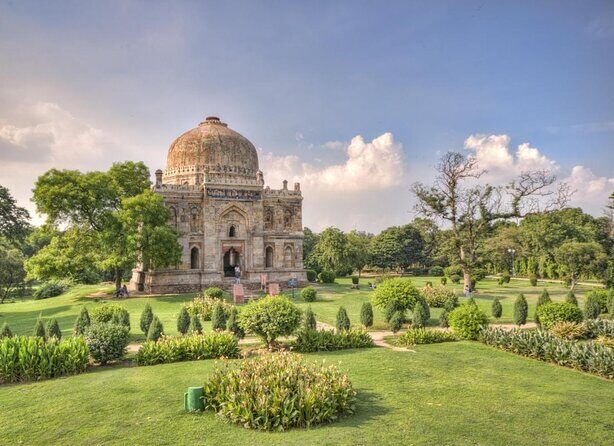
- A public street art district, built over years with more than 50 artists since 2015
- Mural backstories on the walk so you’re not just looking, you’re understanding
- Chai and light traditional bites to break up the walking and cool down
- Photo tips plus playful posing that help you get better shots faster
- A small group size (max 20) so the conversation actually stays human
- Some Hindi basics plus practical advice for handling markets with more confidence
Why Lodhi Art District feels like a living gallery
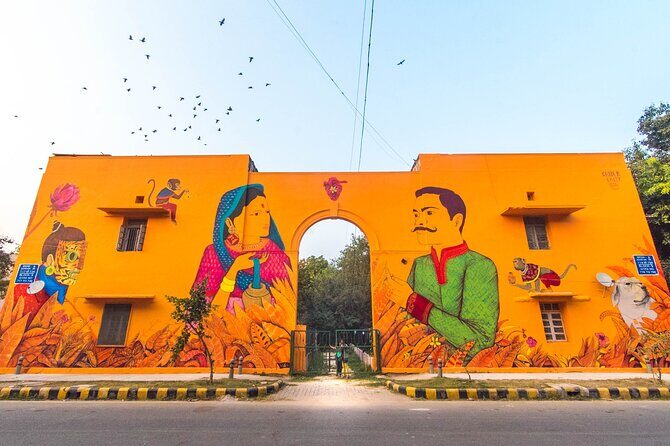
Lodhi Art District works because it’s not a museum. It’s on wide, evenly spaced facades in a part of the city you can actually walk through. Since 2015, the walls have been getting painted by artists from India and around the world, which means the styles you’ll see can change from mural to mural—think different techniques, different themes, different ways of telling a story.
That “art in public” setup is what makes this tour special. You’re not trapped behind ropes or signs. You get to stand where the artist stood, in the middle of the neighborhood’s everyday rhythm, and look closely at how the work fits the space. It’s a reminder that creativity isn’t limited to galleries with admission desks.
You’ll also learn how public art changes how people use a neighborhood. During the walk, you’re encouraged to share your perspective on what you see. That turns the tour from passive sightseeing into a back-and-forth conversation about meaning—what it’s saying, what it might suggest, and why someone would want to re-imagine everyday walls.
You can also read our reviews of more walking tours in New Delhi



Walking the murals: what you’ll learn on the first 60 minutes
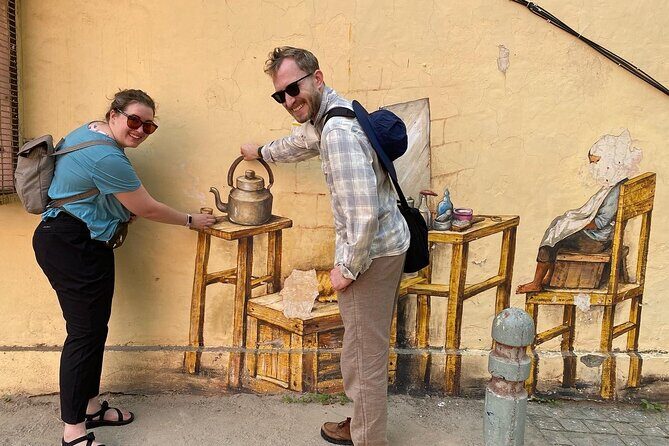
Your main block is an art walk through Lodhi Art District, where you’ll spend about an hour moving from mural to mural. The focus stays on the stories behind the images: why a mural looks the way it does, what inspired it, and how the artist’s background connects to the idea they’re putting on the wall.
This is where the experience becomes more than “pretty pictures.” The guide’s job is to help you read murals like a language. You’ll get the kind of context that makes details matter—symbols, composition choices, and the emotional tone behind the work. It also helps you notice how international street art influences show up next to work rooted in Indian themes.
If you care about photography or video, this part of the walk is also built for it. You’ll have plenty of opportunities to stop, frame a shot, and capture the color and texture up close. One of the best parts is that the guide doesn’t just point at walls; they help you get better photos. The vibe is practical and friendly, and you’ll likely end up feeling more confident about how you pose with the art in the background.
The group stays small (up to 20 people), which keeps the walk from turning into a fast shuffle past walls. You can ask questions without feeling like you’re interrupting, and the guide can adjust pacing if a mural demands more attention.
Chai break at the district: why the 30 minutes matters
After the mural loop, you shift into a relaxed break: homemade chai plus light, traditional bites. This 30-minute segment isn’t just a snack stop. It’s a way to slow the tour down and make the experience feel rooted in daily life rather than rushed sightseeing.
Chai is a big deal in India, and having it here at the Lodhi Art District keeps the theme consistent—color outside, warmth inside. The light bites are there to keep your energy steady for lingering around the area afterward, or simply to enjoy the calm after walking and looking for an hour straight.
You’ll also learn about local life during this downtime. That matters because street art can feel abstract if you only treat it like design. When you hear how people think, talk, and live nearby, the murals stop being random color and start feeling like part of a neighborhood conversation.
And yes, chai makes photos easier too. Your hands are busy with a cup instead of just hovering, and you’ll get a few natural moments that feel more real than a rushed “standing in front of a wall” picture.
JD’s approach: mural meanings, jokes, and better photos
One reason this tour gets such strong ratings is the guide energy. JD, in particular, comes across as genuinely friendly, with a knack for making the art make sense. Instead of throwing facts at you, JD links each mural’s story to what you can actually see—so the meaning lands while you’re standing in front of it.
JD also knows how to help you with photos without making it awkward. In practice, that means you’re likely to get quick direction and playful posing ideas, so you don’t have to guess what looks good. If you’re traveling solo, it can also help you feel less “awkward tourist,” because the guide gives you something concrete to do with your body and your camera setup.
Then there’s the human touch: tips and small lessons that help you move around India with more confidence. The tour includes practical advice for staying safe and bargaining, and it also includes some Hindi instruction. That combo is surprisingly useful. A few words in Hindi can make interactions feel warmer, and the bargaining tip helps you avoid the most common frustration when prices are negotiable.
Price and what you’re really paying for
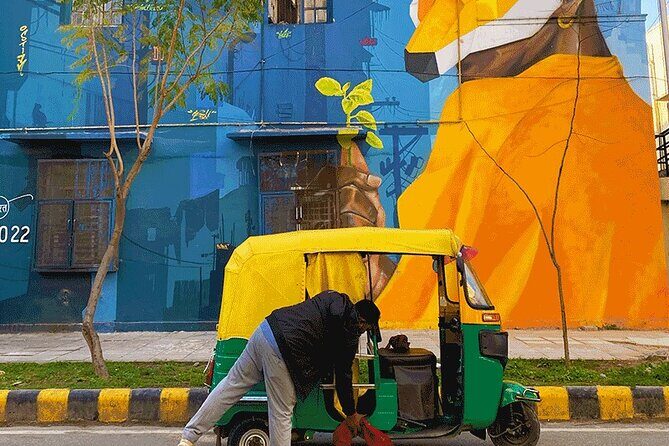
At $33.71 per person for about 1 hour 30 minutes, this isn’t a cheap “just show up” attraction. You’re paying for three key things:
- A guided mural interpretation, which is the heart of the value. Street art only becomes meaningful when someone helps you connect symbols and styles to inspiration.
- Chai and light bites, which turn a walking tour into an experience you can actually enjoy at a neighborhood pace.
- A small group size (max 20), which keeps the guide-to-participant ratio strong enough for real questions and a calmer vibe.
The mobile ticket feature also helps. You don’t have to hunt for paperwork, and it makes the check-in feel smoother on the day you’re in Delhi.
Is it worth it? If you like color, creativity, history, and the unexpected—and you care about understanding what you’re seeing—this price feels fair for the time, guidance, and snack included. If you only want quick photos and don’t care about mural meanings, you might find the walking portion offers less for you.
You can also read our reviews of more food & drink experiences in New Delhi





Getting the most from a street art walk in Delhi
This tour is designed for people who like walking and looking closely. Wear comfortable shoes, because you’ll be moving around a pedestrian-friendly area and stopping often. Also plan to go at a time when you can focus. If you’re arriving frazzled or rushing to another reservation, the mural stories will feel harder to absorb.
The tour also requires good weather. That’s not a minor note—it affects comfort and the overall experience. Street art looks great in any light, but rain or rough conditions can change how much you can linger and how pleasant the chai break feels.
If you want better photos, treat this as an opportunity to slow down. Don’t just shoot from one angle. Move a step, change height, and capture parts of the mural up close. The guide’s photo tips are meant to speed up that process so you don’t spend the whole walk fiddling.
Finally, lean into the interaction. The experience invites you to share your perspective on the murals. You don’t need to be an expert. If a mural makes you feel curious or confused, that’s exactly the kind of reaction that can turn into a good conversation.
Who should book this Lodhi street art and chai walk
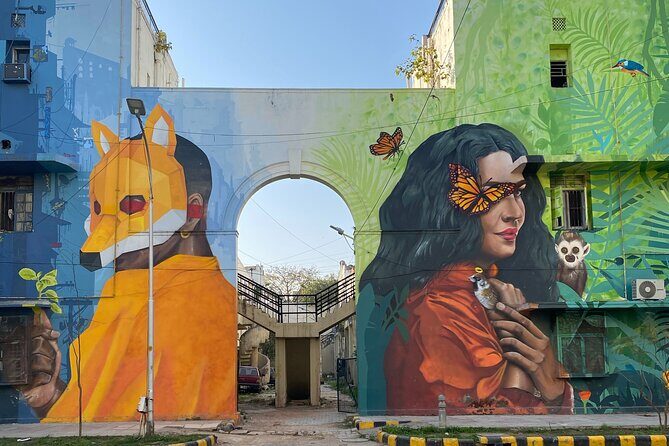
I think this is a great fit if you want Delhi in a different mood. It’s for travelers who are tired of only seeing monuments and want something more human—something created by people now, in public spaces you can reach on foot.
You’ll likely enjoy it most if:
- you love street art and want the stories behind it
- you want a short, focused experience (about 1.5 hours)
- you like small groups and a guide-led conversation
- you want a snack that feels like part of the culture, not an afterthought
- you’re open to learning some Hindi basics and practical advice for everyday situations
If you hate walking, or if you only want “see it and go,” you might feel the time is better spent elsewhere. This is a looking-and-listening tour first, speed-run second.
Should you book this tour in Lodhi Art District?
Book it if you want a guided street art experience that actually explains what you’re looking at, then rewards you with a warm chai break. The combination of murals, context, and chai is the main reason the tour feels complete rather than like a random neighborhood stroll.
Skip it or consider another option if weather is unpredictable for your dates, because it’s a good-weather experience. Also, if you’re not interested in mural backstories or interaction, the value will drop since the tour’s strength is meaning, not just visuals.
If you do book, arrive ready to slow down. Let the murals be more than backgrounds for photos. The payoff is how the art connects to the neighborhood—and how quickly you start seeing Delhi in a fresher, more colorful way.
FAQ
How long is the Delhi Street Art Walk in Lodhi Art District with Chai & Food?
It runs about 1 hour 30 minutes total, with roughly 1 hour for the street art walk and about 30 minutes for chai and light traditional bites.
Where does the tour start?
The meeting point is Lodhi Art District, 18 Lodhi Rd, Gokalpuri, Institutional Area, Lodi Colony, New Delhi, Delhi 110003, India.
Is the tour entirely in Lodhi Art District?
Yes, both the street art portion and the chai/bites portion are in the Lodhi Art District area.
What food and drinks are included?
You’ll have homemade chai along with light traditional bites.
What kind of art will I see?
You’ll see street art murals in the Lodhi Art District created by artists from India and across the world, with background on the murals and inspiration.
Is there an admission ticket cost to enter the area?
The tour description lists admission ticket free for both the street art stop and the chai stop.
What ticket format do I get?
You receive a mobile ticket.
How big is the group?
The maximum group size is 20 travelers.
Do I need good weather?
Yes. The experience requires good weather. If it’s canceled due to poor weather, you’ll be offered a different date or a full refund.
What is the cancellation window?
You can cancel for a full refund up to 24 hours before the experience’s start time. If you cancel less than 24 hours before, the amount paid is not refunded.