REVIEW · BAGDOGRA
Cultural Tour of Sikkim (7 Days)
Book on Viator →Operated by The Folk Tales · Bookable on Viator
Sikkim feels personal on this week-long cultural route. You sleep in homestays, meet locals from different communities, and mix village walks with a trek in a wildlife sanctuary—plus you still get the big sights like Rabdentse and Yuksom. It’s the kind of trip where the day is planned, but the real moments come from people, food, and places you don’t usually find on a quick stopover.
Two things I really like: the focus on community-based life in places like Kewzing and Pelling, and the hands-on activities (a cooking class and even a herbal bath after a hill trek). You also get a strong nature/culture balance: monasteries and burial grounds in the same week as waterfalls, lakes, and forest trails.
One drawback to consider is the physical side. The Maenam Hill hike can take about 6 hours and the exact effort depends on your fitness, plus the whole trip needs good weather to run smoothly.
In This Review
- Key highlights worth your attention
- Why Kewzing, Pelling, and Yuksom Feel Like Sikkim’s Real Side
- Getting There from Bagdogra: Private Car, Teesta Views, and a Real Start Time
- Kewzing: Village Walks, Herbs, Monasteries, and a Cooking Class
- Maenam Hill Trek in Maenam Wildlife Sanctuary: Forest Footsteps and Herbal Bath Recovery
- Pelling with a Limbu Homestay: Temi Tea Gardens, Burial Grounds, Ruins, and Bonfire Evenings
- Yuksom Sights by Private Car: Waterfalls, Khecheperi Lake, Dubdi Monastery, and the Coronation Throne
- Price and Value for a 7-Day Private Cultural Program from Bagdogra
- Weather, Pace, and the One Thing That Can Change Your Plan
- Who Should Book This Tour—and Who Might Prefer Something Else
- Should You Book the Cultural Tour of Sikkim (7 Days)?
- FAQ
- What city does this tour start from?
- How long is the Cultural Tour of Sikkim?
- What is the price per person?
- Is it a private tour or shared?
- What meals are included?
- Does the trek include food?
- How long is the Maenam Hill trek?
- What time does the tour start?
- What happens if weather is poor?
Key highlights worth your attention
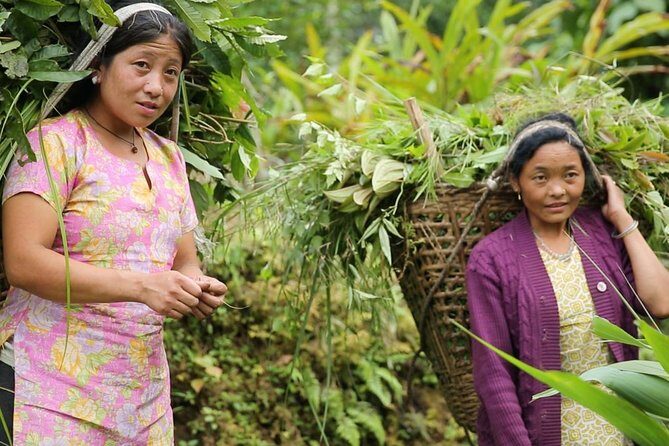
- Bhutia and Limbu homestay life: You spend evenings with families tied to local traditions, not just at a hotel desk.
- Kewzing village walk + monastery visits: Corn, rice, cardamom, herbs, and both Buddhist and Bon monasteries.
- Maenam Hill trek inside Maenam Wildlife Sanctuary: Forest trekking with packed food and a herbal bath afterward.
- Pelling culture stops: Temi tea gardens, Rabdentse ruins, Pemayangtse monastery, and evening priest interaction.
- Yuksom’s quiet royal past: Dubdi monastery and the coronation throne, paired with waterfalls and Khecheperi Lake.
- Private car from Bagdogra: You avoid the stress of piecing together rides across West Bengal into Sikkim.
Why Kewzing, Pelling, and Yuksom Feel Like Sikkim’s Real Side
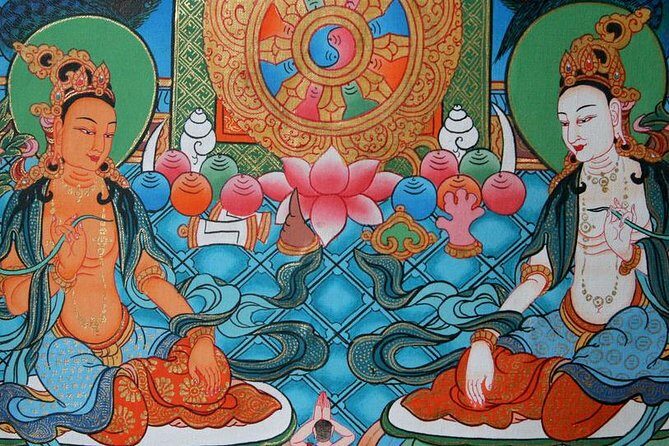
This tour’s strength is that it doesn’t treat Sikkim like a checklist. You move through a chain of small towns and villages—Kewzing first, then Pelling and Yuksom—so you get a sense of how people actually live between viewpoints.
I like how the cultural pieces are specific, not vague. In Kewzing you learn about local herbs and see plantations like corn, rice, and cardamom, then you visit both Buddhist and Bon monasteries. Later, in Pelling, you’re taken through farm life and even ancient burial grounds tied to the Limbu community.
Nature lovers get their turn too, without the trip becoming all “walk to a view and leave.” Waterfalls, Khecheperi Lake, and the forest trek to Maenam Hill bring a quieter, more personal pace than the typical big-bus day.
The overall vibe is gentle but meaningful: enough structure to keep you from feeling lost, with time for rest and local conversation at the homestay level.
You can also read our reviews of more tours and experiences in Bagdogra.
Getting There from Bagdogra: Private Car, Teesta Views, and a Real Start Time
You start with a 10:00 am beginning from the Bagdogra area (or New Jalpaiguri railway station). Your route is by private car into south Sikkim, which matters more than it sounds—this kind of terrain is much easier when you’re not coordinating public transport.
On the way, you’re set up for roadside scenery, including views of the Teesta river. It’s the sort of drive that turns “getting there” into part of the experience rather than a chore.
The tour ends back at your meeting point after the final morning departure toward Bagdogra or New Jalpaiguri. So you don’t have to worry about last-day logistics getting complicated.
One more thing: the tour description emphasizes that it’s near public transportation, but it still works best if you’re comfortable riding in the car for multiple days. If you’re the type who hates being in a vehicle, this might feel like more time than you expect—even though it also keeps the schedule smooth.
Kewzing: Village Walks, Herbs, Monasteries, and a Cooking Class
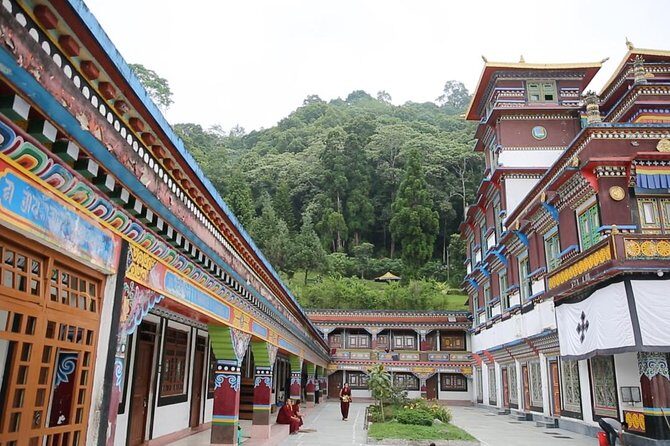
Your first full day in Kewzing is built around local life. You go for a guided village walk through farms and growing areas, with a focus on plantations like corn, rice, and cardamom. You also learn about local herbs, which is one of those details that makes the later meals feel less random.
The cultural stops are well-placed, not tacked on. You visit Buddhist and Bon monasteries, then spend time with local artisans, so you’re not only looking at religion as a landmark—you’re seeing how it connects to daily culture and crafts.
In the evening, you do a hands-on cooking class. You learn some practical tips about Sikkimese cuisine, which is valuable because it helps you recognize what you’re eating later in the week rather than just nodding politely at “traditional flavors.”
If you’re wondering what kind of energy this day has: it’s active, but not exhausting. You’re outside enough to feel the place, but the schedule still leaves room to settle into the homestay rhythm.
Maenam Hill Trek in Maenam Wildlife Sanctuary: Forest Footsteps and Herbal Bath Recovery
This is the most physical day and, for many people, the most memorable. You trek up toward Maenam Hill through dense forest with a guide who shares folk tales, herbs, and wildlife information as you go.
You’ll have packed food for the trek, so you’re not stopping to scramble for snacks in the middle of the climb. The trek time is listed as about 6 hours, and it explicitly depends on your fitness and how far you want to go.
After returning to the village, you get time to relax. One of the most distinctive parts is the herbal bath, described as a way to recover your muscles—exactly the kind of local practice that makes a trek feel less like punishment and more like a ritual.
Practical note: because the exact distance and pace are flexible, you can scale your effort. But still, if you dislike uphill walking or you’re dealing with any mobility limits, you should treat this as the centerpiece of the trip and plan accordingly.
Also remember: the trip requires good weather. A clear day makes the trail feel manageable; bad weather can affect how comfortable conditions are on the trek.
Pelling with a Limbu Homestay: Temi Tea Gardens, Burial Grounds, Ruins, and Bonfire Evenings
Pelling is where the tour shifts from village learning to deeper cultural grounding. On your way in, you stop at Temi tea gardens, which breaks up the transfer and adds a major “Sikkim” flavor—literally.
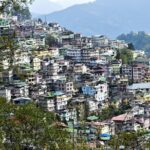
Then you arrive in Pelling by noon and settle into a homestay with the family of the Limbu tribe. Evening brings a guided village walk where you can watch locals working in their farms. You also come across ancient burial grounds of the Limbu tribe, a reminder that culture here isn’t limited to festivals and temples—it includes how communities remember and honor people.
The vibe continues at night with a bonfire and downtime back at the homestay. This is one of those parts that’s hard to recreate with a standard hotel tour: the day ends with conversation and comfort rather than a quick transfer to dinner elsewhere.
The next day leans into the classic Pelling sights, but you’re still working at a local pace. You do a self-tour in your private car of Rabdentse ruins and Pemayangtse monastery, then you visit a local priest in the evening. Having that priest interaction is a big deal because it shifts the experience from sightseeing into understanding.
What I’d watch for here: “self tour” days can be great if your schedule includes a guide for the key points. Since the plan is private-car based, you’ll still have the structure, but your energy matters—this is still a week where you’ll be walking around and paying attention.
Yuksom Sights by Private Car: Waterfalls, Khecheperi Lake, Dubdi Monastery, and the Coronation Throne
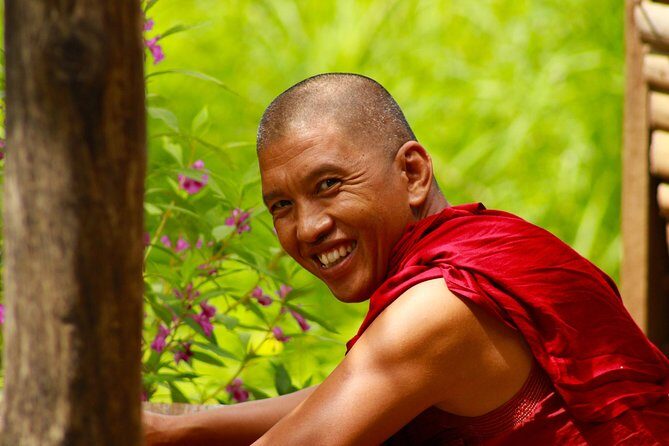
Yuksom is Sikkim’s older pulse. You go there with a guided/self approach using your private car, hitting Kanchanjunga waterfalls, Khecheperi Lake, and the town itself.
What makes Yuksom interesting is that it’s not presented like a crowded tourist scene. You’re told it’s still a sleepy town, which fits what you want on a cultural week: time to notice how daily life looks when there isn’t a nonstop parade of group tours.
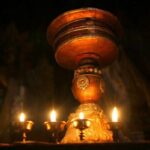
Religious and historical stops round out the day. You visit Dubdi monastery and see the coronation throne of the king, then you spend time observing local life in Yuksom before returning to the homestay.
This day works well as the “quiet payoff.” Earlier in the week you’ve done villages, herbs, cooking, and trekking. Here you switch to slower observation—water, monastery spaces, and a feel for how the region’s identity connects to history.
Price and Value for a 7-Day Private Cultural Program from Bagdogra
At $949.34 per person, this is not the cheapest way to see Sikkim. But when you compare it to what you’d pay if you tried to assemble everything yourself—private transport, homestay-style accommodation, multiple guided experiences, and several meal inclusions—the math starts to look steadier.
The tour includes accommodation, round-trip transportation from Bagdogra, and meals that matter: 6 breakfasts and 6 dinners, plus 2 lunches. That meal coverage is more than a convenience. It means you’re eating where the trip’s culture actually lives, instead of always hunting for food near major roads.
You also get a mix of guided and self time: guided village walks and monastery visits, a guided trek with packed food, then private-car exploration for the ruins and Yuksom stops. That structure helps manage energy while still keeping you from being “just driven around.”
One practical value point: this style of tour reduces friction. In a place like Sikkim, where getting from point A to B takes time and planning, having the transfer handled keeps your attention on experience rather than logistics.
Weather, Pace, and the One Thing That Can Change Your Plan
This tour requires good weather. That isn’t small talk—it matters because the Maenam Hill trek and outdoor village time are sensitive to conditions.
There’s also an important flexibility note. In at least one real situation tied to permits, the trip plan was reorganized and included Kaziranga National Park when Sikkim access wasn’t possible. That tells me the operator can adjust instead of leaving you stranded with a half-finished vacation.
Pace-wise, you’ll likely feel the rhythm by day three: village walks and cooking class in the Kewzing phase, then the forest trek, then back into more walking and cultural visits around Pelling and Yuksom. If you’re traveling with decent stamina, it feels well balanced. If you’re not, you’ll want to go into the trek day with a realistic mindset.
If you tend to overbook your body (early starts plus long hikes plus late nights), this tour might feel packed. But if you like a steady flow and don’t mind being active most days, you’ll find it workable.
Who Should Book This Tour—and Who Might Prefer Something Else
This tour is a great fit if you want Sikkim culture that happens in real places: homestays with community ties, village walks, monasteries with context, and a trek that’s not just about views.
It’s also a strong match if you like food learning. The cooking class in Kewzing gives you a way to remember the region beyond photos.
I’d think twice if you want minimal walking. The Maenam Hill trek is time listed at around 6 hours, and while the distance can depend on fitness, you should still expect a real hike.
Also consider your tolerance for long car days. The private-car route from Bagdogra into south Sikkim takes time, and the schedule still includes multiple drives.
Should You Book the Cultural Tour of Sikkim (7 Days)?
Book it if you want a week that blends community life, culture, and nature without feeling like you’re chasing twenty checkboxes. The homestay base, meal inclusions, monastery visits, and herb-focused experiences give the trip a distinct shape.
Don’t book it (or plan differently) if you’re looking for a low-effort sightseeing tour. The trek day is the big commitment, and weather affects comfort and timing.
One final decision tip: ask yourself whether you want Sikkim to feel like a place you understand for a week, not just a place you photograph. If the answer is yes, this tour’s mix of Kewzing, Pelling, Maenam Hill, and Yuksom is a very logical way to do it—especially with private transport doing the heavy lifting.
FAQ
What city does this tour start from?
It starts from Bagdogra, India. The plan also covers pickup from the New Jalpaiguri railway station area.
How long is the Cultural Tour of Sikkim?
It’s listed as approximately 7 days.
What is the price per person?
The price is $949.34 per person.
Is it a private tour or shared?
It’s a private tour/activity, meaning only your group participates.
What meals are included?
The tour includes 6 breakfasts and 6 dinners, plus 2 lunches.
Does the trek include food?
Yes. Packed food is provided for the Maenam Hill trek.
How long is the Maenam Hill trek?
It’s described as about 6 hours, but the duration depends on your fitness level and how far you want to go.
What time does the tour start?
The start time is 10:00 am.
What happens if weather is poor?
The experience requires good weather. If it’s canceled due to poor weather, you’ll be offered a different date or a full refund. You can also cancel up to 3 days in advance for a full refund.