REVIEW · NEW DELHI
15 Days North India Best Tours In Himachal Pradesh With Amritsar & Delhi
Book on Viator →Operated by Indian Travel Online · Bookable on Viator
Fifteen days, five regions, and a border ceremony. This is a high-coverage North India loop that links Delhi history, Himalayan hill towns, and the famous Wagah flag retreat into one smooth plan. What makes it interesting is the way it mixes big landmarks (Qutub Minar, Raj Ghat) with mountain pace (Kufri, McLeod Ganj) and a very specific nighttime military ritual near Amritsar.
I especially like that you get guided time in Old Delhi and New Delhi, including Raj Ghat and Jama Masjid, plus a practical way to move through Chandni Chowk with a traditional cycle-rickshaw. I also like the mountain-side structure: Shimla temple stops, Manali monasteries and kunds, then Dharamshala and Dalhousie laid out without feeling like you’re constantly rushing.
One thing to consider: you’ll spend a lot of time on the road between regions (several long driving days), and some major moments have extra costs you’ll handle yourself, like Rohtang Pass.
In This Review
- Key highlights worth circling
- Entering Delhi: Old Delhi lanes, Raj Ghat, and Qutub Minar days
- Road to Shimla: long drive, big rewards in the Shivalik foothills
- Kufri: a short hop that turns into real mountain time
- Manali’s mix: monasteries, kunds, temples, and Mall Road evenings
- Rohtang Pass day: the snow thrill, the extra costs, and smart expectations
- Dharamshala and McLeod Ganj: temples, art, and a slower day built in
- Dalhousie and Khajjiar: pine forests, a saucer plateau, and a floating island view
- Amritsar and Wagah Border: the Flag Retreat ceremony night
- Chandigarh’s gardens on the return: Rock Garden, Rose Garden, and Pinjore
- Delhi farewell: one last road trip and an airport/rail drop
- Price and what makes it good value for 15 days
- Hotels, meals, and the human factor (Ajay Verma and driver care)
- Who should book this route, and who should think twice
- Should you book this 15-day North India circuit?
- FAQ
- What time does the tour start?
- How long is the tour?
- What is included in the price?
- What is not included?
- Is Rohtang Pass included?
- Is there free cancellation?
Key highlights worth circling
- Old Delhi on wheels: Raj Ghat, Jama Masjid, and Chandni Chowk explored efficiently with a cycle-rickshaw ride.
- Shimla temples plus Kufri reset: Kalbadevi, Jakhu, Hanuman, Christ Church, then a short hop to Kufri for nature time.
- Manali mix of faith and views: Hadimba Temple, Tibetan Monastery, Tankha/Tanka painting stops, and Vashistha’s hot & cold kunds.
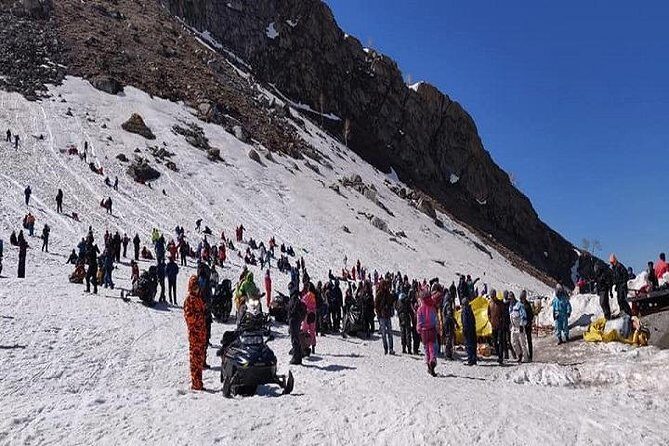
- Rohtang day with add-on costs: snow fun, viewpoints, and multiple stops; the pass itself is at your cost.
- Dharamshala evening slowdown: Baijnath Shiva temple, War Memorial, Kangra Art Museum, Dal(l)y Lake, McLeod Ganj.
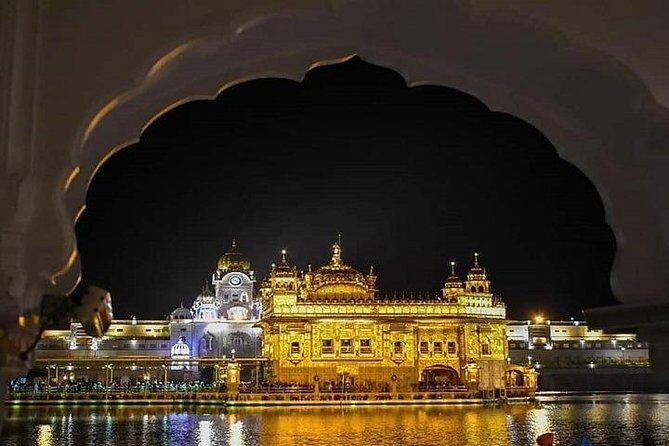
- Wagah Border timing: you’re in position for the evening Flag Retreat ceremony near Amritsar.
Entering Delhi: Old Delhi lanes, Raj Ghat, and Qutub Minar days
If Delhi is your first taste of India, this trip starts with the right mix: respectful history in Old Delhi, then iconic monuments in New Delhi. You land, you get picked up, and you sleep in the city—no weird half-day scramble.
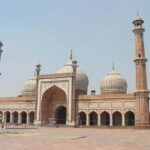
In Old Delhi, the morning-focused plan hits Raj Ghat (Mahatma Gandhi’s memorial) and Jama Masjid, the large and important mosque that anchors the area. Then you shift into Chandni Chowk, one of the most active market belts in the old city. The cycle-rickshaw piece matters because it helps you see the streets without fighting traffic chaos on foot. It’s also a solid way to get your bearings fast.
Then comes New Delhi, where the tour goes straight for major landmarks. Humayun’s Tomb is a classic stop for anyone who likes architecture with calm, symmetrical lines. Qutub Minar brings the visual punch—tall, dramatic, and instantly recognizable when you’re standing there. You also get a drive along a ceremonial boulevard area (the exact named stretch isn’t the point here; the idea is getting that “planned capital” feel after Old Delhi’s tight lanes).
Practical tip: keep comfortable shoes for Delhi Day 2. Even with transport, you’ll still walk through monument zones and market areas.
You can also read our reviews of more tours and experiences in New Delhi.


Road to Shimla: long drive, big rewards in the Shivalik foothills
Day 3 is a long transfer from Delhi to Shimla—343 km and about 8 hours. This isn’t the kind of travel day where you’ll feel refreshed by the time you arrive, so think of it as your buffer day. You check into your Shimla hotel and let the cooler air do its job.
Shimla itself is a former summer capital, and you’ll feel that British-era imprint in places like Christ Church. But the real payoff is the mountain setting. On this route, Shimla is less about one single viewpoint and more about collecting multiple stops that show different sides of town—from temples to church windows to a nearby nature escape.
Morning in Shimla starts with temple visits: Kalbadevi Temple, Jakhu Temple, and Hanuman Temple. If you enjoy religious architecture and the human energy around it, you’ll likely find these stops more interesting than they sound on paper. These are active spiritual places, not just photos.
Then you get a quieter, artistic angle at Christ Church, noted here for stained-glass windows from the 1850s. That’s the kind of detail that makes a morning feel complete, even if you’re not chasing museums.
Kufri: a short hop that turns into real mountain time
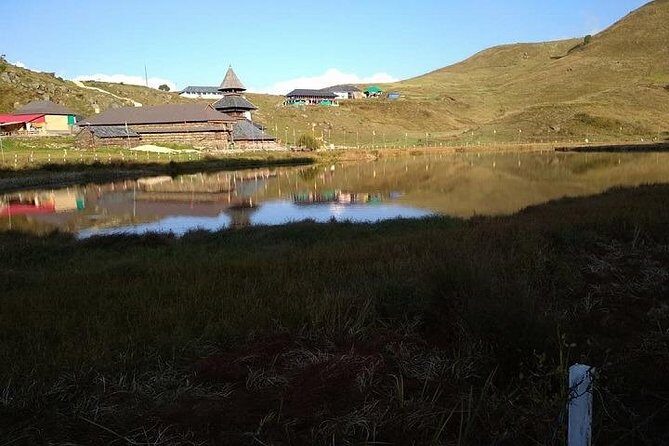
After the Shimla morning, you get an afternoon excursion to Kufri, about a 30-minute drive. The plan frames it as a nature stop surrounded by forest and snow-capped mountain views. That’s exactly what I think you want after a day of temples and sightseeing—less schedule pressure, more open air.
This is also where you can adjust your pace. If you want to just sit and take in the air and views, you can. If you want a bit more walking, there’s room for that too. It’s a good reminder that on a big multi-city circuit, having even one light afternoon is what keeps the trip from feeling like a checklist.
Manali’s mix: monasteries, kunds, temples, and Mall Road evenings
The next driving day takes you from Shimla to Manali (about 7–8 hours). Again, this is a chunk of time on the road. The upside is the scenery changes as you climb into Manali’s valley setting, and you arrive ready to explore rather than just transport.
Manali Day 6 is where the tour becomes very “do-it-all mountain town.” You start with Hadimba Temple, then move to the Tibetan Monastery—two stops that reflect very different cultural worlds within the same hill-town atmosphere. You also see a stop associated with Lord Buddha and Tankha/Tanka paintings. Even if you don’t buy anything, it’s a chance to understand the visual language and devotion style you’ll see around the area.
Then comes Vashistha Temple and the famous hot & cold water kunds. This is one of those practical sightseeing ideas: you don’t need a long lecture to understand why people come here. It’s tactile, visual, and memorable.
The plan also includes a Club House stop and then leaves you time to wander the Mall Road in the evening for shopping. That’s useful because it gives you a gentle independent segment without cutting your day too short. You also have dinner included at your hotel on this day, so you’re not stuck hunting food after a full schedule.
Rohtang Pass day: the snow thrill, the extra costs, and smart expectations
Day 7 is your full-day Rohtang Pass outing, but it comes with an important note: it’s at your own cost. That means you should budget extra beyond the package price if you want to do this properly.
The program includes a couple hours at the snow haven with options like a sledge ride and trying snow slopes. You’ll also have scenic stops on the way back, including Rahalla Falls and Solang Valley, plus halts at Marhi, Ralha Falls, and Nehru Kund. In other words, it’s not just one point on a map—it’s a sequence of mountain moments.
A balanced approach here: if you’re traveling in seasons with heavy crowding or weather shifts, snow access can change. Since the pass itself is treated as an add-on, I’d go in with flexible expectations and treat the day as a mountain highlight rather than a guaranteed snow movie.


Dharamshala and McLeod Ganj: temples, art, and a slower day built in
The shift from Manali to Dharamshala is another road transfer (you’ll drive and check in on arrival). Dharamshala Day 8 mixes religious sites with cultural stops, which is a great pairing. You begin with Baijnath, described here as the oldest existing Shiva temple in the country. That kind of claim adds weight to the stop—if you like temple history, you’ll likely feel it.
Then you visit the War Memorial and the Kangra Art Museum, followed by Dal(l)y Lake. You also get to McLeod Ganj and St. John’s Church. This combination works because it covers three sides of the area: spirituality, memory/history, and local culture—then ends with a British-era church reference that mirrors the earlier Shimla connection.
Day 9 is intentionally lighter: leisure activities, with dinner and overnight at the hotel. For a big tour like this, I appreciate that you’re not crammed every single day. This is your chance to slow down, snack your way through the town, or just recover from the driving rhythm.
Dalhousie and Khajjiar: pine forests, a saucer plateau, and a floating island view
Dalhousie is reached by road in about 4 hours. You check in and get the rest of the day for leisure and shopping. That’s a useful reset after busy mountain sightseeing.
Then you move into Khajjiar. The plan describes it as a saucer-shaped plateau about 18 km from Dalhousie, surrounded by pine and deodar forests. There’s also a small lake in the center with a floating island and a 9-hole golf course. Even if you don’t golf, it’s a fun detail that tells you this isn’t just a quiet meadow—people actively enjoy it.
One day later, the schedule returns to Dalhousie local sightseeing with Panjipula and Subhash Baoli, plus an excursion to Khajjiar again (noted as 24 km from Dalhousie). That repetition might sound odd at first, but in practice it can work for two reasons: you either catch a different vibe depending on timing, or you get a second chance if earlier conditions were less favorable.
Amritsar and Wagah Border: the Flag Retreat ceremony night
Amritsar is reached from Dalhousie by road, then you check in and head for the best-known evening event: Wagah Border and the Flag Retreat ceremony.
This is the part many people remember because it’s theatrical, disciplined, and loud. The soldiers from both sides march in perfect drill while the flags are brought down, and the ceremony ends with the evening lights and thunderous applause. Even if you’re not into military events, it’s still a strong cultural moment: you get a feeling for national identity expressed through ritual.
Timing matters. The plan frames Wagah as 30 km from Amritsar and the daily highlight being the evening retreat. That means you’ll want to be punctual on the transfer and ready to watch at the right time window, not wandering for extra stops.
Chandigarh’s gardens on the return: Rock Garden, Rose Garden, and Pinjore
Day 14 is a longer return segment: you either take drop to Chandigarh (about 6 hours) and then check in at the hotel. After freshening up, you tour major garden stops—Rock Garden, Rose Garden, and Pinjore Garden.
This is a calmer way to end a mountain-heavy trip. You still get sightseeing, but the pacing is gentler than the temple-and-market days. If you like photogenic spaces and relaxing walking, Chandigarh is a nice landing zone before finishing back in Delhi.
Delhi farewell: one last road trip and an airport/rail drop
On the final day, you check out and drive back to Delhi, with a drop at the airport or railway station. The fact that your end point is back at the meeting point simplifies the wrap-up: you’re not left figuring out how to connect onward travel.
Price and what makes it good value for 15 days
At $1,245.13 per person for roughly 15 days, this package is priced like an organized “best of North India” circuit—meaning you’re paying to avoid the headache of coordination across multiple states and long transfers.
Here’s what you’re paying for that matters:
- Private-car transfers for the sightseeing and intercity legs.
- 14 nights of accommodation on double sharing basis.
- Breakfast and dinner are included for 14 days each (breakfast 14, dinner 14).
- Toll taxes, parking fees, fuel, and driver allowances are included.
- Taxes like GST and all government taxes are included.
- Assistance on arrival, plus a mobile ticket approach.
Where you should expect extra costs:
- Monument entry tickets and camera charges are not included.
- Rohtang Pass day is explicitly at your own cost.
- Any extras not listed in the included items.
My practical read: if you hate planning and want someone to handle routing, hotels, and daily movement, this kind of package often feels worth it. If you prefer custom pacing or you want to spend more time in fewer places, you may find a fixed multi-city schedule too rigid.
Hotels, meals, and the human factor (Ajay Verma and driver care)
The reviews attached to this tour consistently praise the people running it. In particular, Ajay Verma comes up as the tour organizer and guide described as genuine and safety-minded. People also mention that the driver was very good, and that the hotel quality and food were tasty.
That matters because on a route with long drives and tight daily schedules, it’s not the postcard view that makes or breaks the experience—it’s reliability. When the operator and driver stay on time and keep things smooth, you spend your energy on the sights instead of logistics.
Who should book this route, and who should think twice
This trip fits best if you:
- Want a fast, structured tour through Delhi, Himachal, and Punjab without planning every transfer.
- Like a mix of major monuments (Qutub Minar, Humayun’s Tomb), temples (Kalbadevi, Hadimba, Baijnath), and one big cultural set-piece (Wagah).
- Are okay with long road days if it means you hit many regions in one trip.
You might think twice if you:
- Hate being in transit often. The route includes multiple long driving segments.
- Don’t like tours that include add-on-cost activities like Rohtang Pass.
- Prefer total freedom. You’ll have leisure time, but the core day structure is fixed.
Should you book this 15-day North India circuit?
I’d book it if your goal is breadth: Delhi to the Himalayas and back with the major highlights handled for you. The value comes from included meals, hotels for 14 nights, and the private-car logistics that remove a lot of stress from a multi-state route.
Skip it or adjust expectations if you want deep time in just one place, or if you’re sensitive to road travel. Also budget for extra monument entries and the Rohtang Pass day—those are the main predictable costs outside the package.
If you want the simplest version of a best-of Northern India vacation—with a real sequence of sights and a team that’s been doing this reliably—this route is a solid bet.
FAQ
What time does the tour start?
The experience start time is listed as 9:00 am.
How long is the tour?
It’s approximately 15 days.
What is included in the price?
The package includes accommodation for 14 nights on double sharing basis, breakfast and dinner (14 days each), and all transfers/excursions/sightseeing by private car, along with tolls, parking, fuel, driver allowances, and GST/government taxes.
What is not included?
Not included are monument entry tickets, camera use charges, and any extra charges or taxes not mentioned in the included items.
Is Rohtang Pass included?
No. The full day Rohtang Pass outing is listed as at your own cost.
Is there free cancellation?
Yes. You can cancel up to 24 hours in advance for a full refund.