REVIEW · CHENNAI
Chennai: Mylapore Walk for an immersive cultural experience
Book on GetYourGuide →Operated by 5 Senses Tours · Bookable on GetYourGuide
Temple doors open onto Chennai’s story. This walk through Mylapore connects four major religious stops with practical explanations of why rituals look the way they do. I like that you get more than sightseeing: you also learn how different communities in this neighborhood share space and meaning. I also like the pace-for-time logic, because you cover standout places in under three hours. The main drawback is simple: it’s hands-on and rules-based, so you’ll need to follow the dress code and remove footwear in temples.
If you’re the type who wants context, this is built for you. The guide starts at Ramakrishna Math, then threads you through temple architecture, sacred stories, and even the neighborhood’s trade-era backstory from Roman times onward. I especially appreciate the way guides such as Kalpana, Kannan, Harish, and Kennan tend to explain things in a clear, human way, not just recite facts. Just plan for a short walk between sites, and don’t expect food along the route.
In This Review
- Key things to know before you go
- A Mylapore walk that makes religion make sense
- Getting started at Ramakrishna Math (and why it sets the tone)
- The universal temple, museum, and library stop
- Kapaleeswar Temple: Dravidian style and ritual purpose inside
- Vasupujya Swami Jain Temple: marble calm and plural faith energy
- St Thomas Cathedral Basilica: a Portuguese-era church and relics
- What the walk feels like (timing, group size, and pace)
- Dress code and footwear rules you must plan for
- Guide quality: why the names you hear matter
- Price and value: what $49 buys you
- Who this tour is best for
- Should you book the Chennai: Mylapore Walk?
- FAQ
- How long is the Chennai Mylapore walk?
- What does the tour cost?
- Is the tour guided, and what language is it in?
- Where do we meet the guide?
- Does the tour include pickup?
- Which places are included on the walk?
- Are entrance charges included?
- Is food included?
- What dress code do I need to follow?
- Do I need to remove footwear?
Key things to know before you go
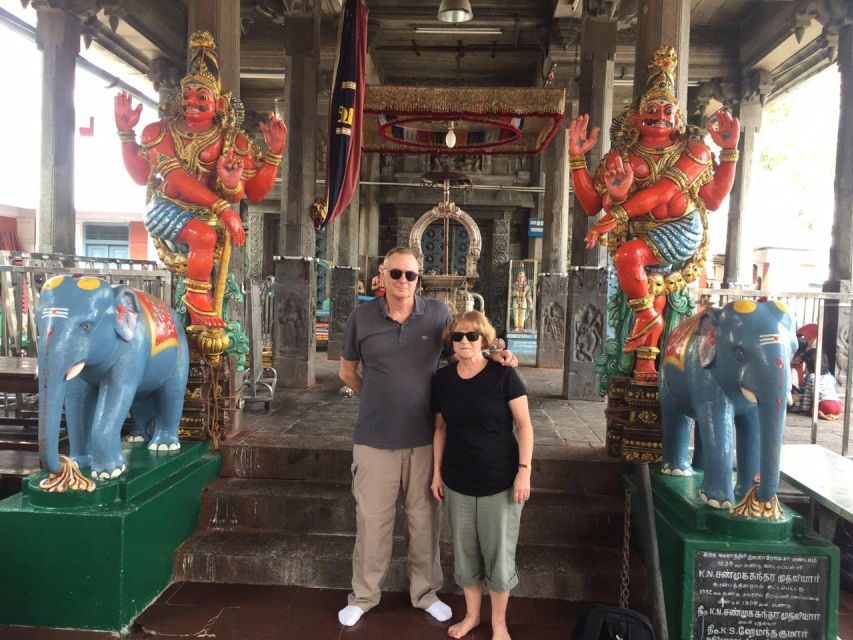
- Rituals explained like a story, not a rulebook, so you understand the purpose behind what you see
- Four distinct faith sites packed into about 3 hours: Shiva temple, Jain temple, Ramakrishna Math, and San Thome Basilica
- St Thomas relic shrine inside the Basilica, focused on the apostle’s connection to Mylapore
- Ramakrishna universal temple with a multimedia museum and an intriguing library visit
- Jain architecture and ambience at the Vasupujya Swami Shwetambara temple, dedicated to Mahavira and the 24 Tirthankaras
A Mylapore walk that makes religion make sense

Chennai can feel overwhelming at first glance: big streets, major landmarks, and a lot of religious signage. This tour works because it gives you a map for what you’re looking at. You start with the idea that Mylapore is a neighborhood where different traditions evolved side by side, and the guide keeps pointing back to that theme.
What I find useful is that the walk doesn’t treat temple life as mystery-wrapped. You get help decoding why so many gods appear in one place and what ritual actions are actually trying to do. That kind of explanation turns a quick photo stop into something you understand as you go.
And yes, you’ll see impressive structures. But the best part is the logic. The guide will connect form to meaning: carvings and layouts, ceremonial timing, and what a visitor should notice while inside.
You can also read our reviews of more walking tours in Chennai

Getting started at Ramakrishna Math (and why it sets the tone)
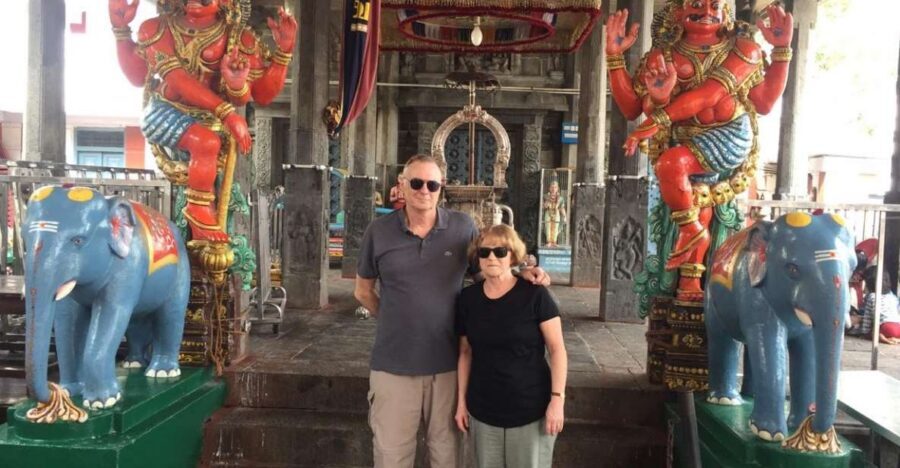
You meet your guide at the entrance of Ramakrishna Math in Mylapore. That matters because the tour begins with a worldview, not just with a timetable.
Here’s what you can expect in practice: you’ll take a guided look around the monastic organization dedicated to Sri Ramakrishna, a 19th-century saint/philosopher. From this point, the walk’s theme becomes clear—this isn’t just about one faith or one building style. It’s about how teachings and practice overlap across religious life in the city.
During the start, the guide also traces Mylapore’s history back to Roman times, when the area was trading pepper and fine cloth for gold. You then hear about Portuguese occupation in the 16th century and later British rule until independence in 1947. Even if those centuries feel far away, they explain why the neighborhood carries layered influences.
What makes this first stop especially valuable is that it gives context for the next ones. When you later enter other religious spaces—Hindu, Jain, Christian—you’ll recognize the same human pattern: people building places where meaning, community, and ritual are supposed to feel real.
The universal temple, museum, and library stop
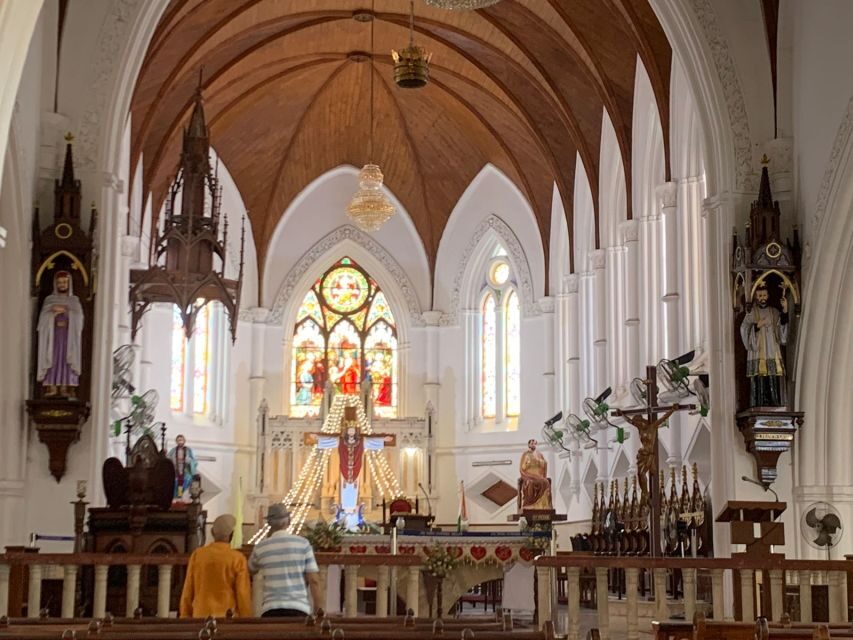
After the initial Ramakrishna Math introduction, you’ll get time with the universal temple concept and the site’s internal features. You can expect to see a multimedia museum and an enchanting library as part of the visit.
This is a smart inclusion. A temple isn’t only architecture. It’s also memory and teaching. The multimedia museum can help you connect stories and ideas without needing to already know the tradition. The library element gives you a sense that learning continues beyond the walk.
If you like tours where the guide explains the “why,” this is one of the stops that pays off most. It’s also a good moment to slow down before you move to taller, more visually dramatic sites.
Kapaleeswar Temple: Dravidian style and ritual purpose inside
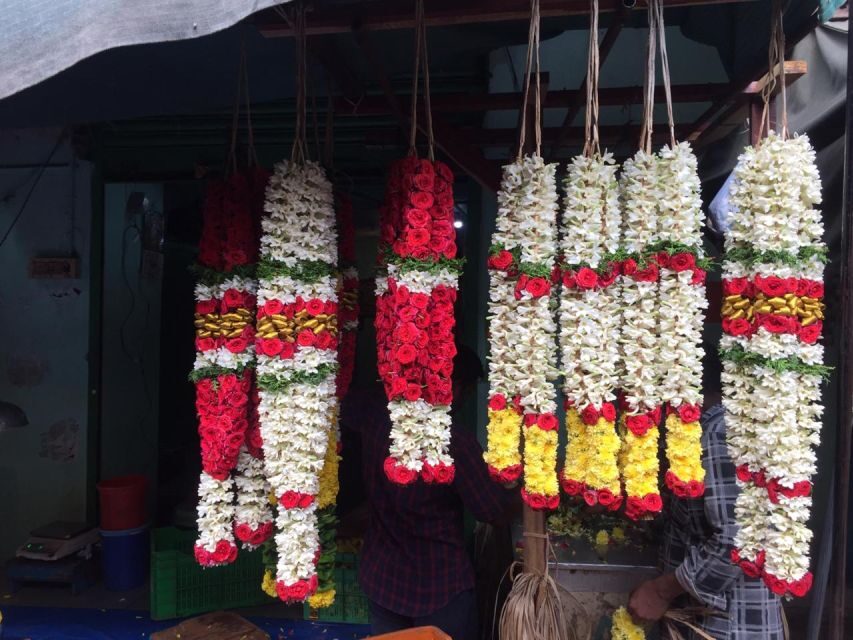
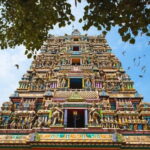
Next comes Kapaleeshwar Temple, dedicated to Lord Shiva. You’ll learn it dates back to the 7th century and is built in Dravidian architecture, with a towering gopuram rising above the complex.
This is where many people expect fireworks. The thing I liked about this style of explanation is that it’s not just about admiring the tower. Your guide focuses on what to notice when you’re inside: how rituals unfold, what they signal, and how visitors are meant to participate respectfully.
A Dravidian temple can look busy if you’re not sure what to watch. The guide’s job here is to make you feel oriented. You’ll get help demystifying the logic behind what you see—why particular actions happen at certain moments and what devotees often seek from the experience.
Practical note: plan to arrive with patience for normal temple rhythms. You’ll be walking and listening, but the space itself sets a slower pace once you’re within.
Vasupujya Swami Jain Temple: marble calm and plural faith energy
Then you shift from Hindu ritual space to Shwetambara Jain tradition at the Vasupujya Swami temple, dedicated to Lord Mahavira and the other 24 Tirthankaras.
The value here is contrast. Jain temples in general tend to invite a quieter kind of attention—details, light, and a different feel in the air compared with a mainstream Hindu temple visit. The tour frames this as a key part of Mylapore’s religious diversity, not as a side quest.
If you’re trying to understand how plural faith works in a living city, this stop helps. You see that different communities have their own visual language—architecture, devotion, and ambiance—yet all are integrated into the same neighborhood life.
You’ll also likely appreciate the “spells binding ambience” described as part of the visit. That’s the kind of atmosphere that makes you lower your voice and look closer.



St Thomas Cathedral Basilica: a Portuguese-era church and relics
The walk continues to St. Thomas Cathedral Basilica, also known as St Thomas’ Basilica. It’s described as the principal church of the Roman Catholic Archdiocese of Madras and Mylapore.
What makes this stop distinct is the relic connection. The shrine is focused on apostle St Thomas, linked to a visit about 2000 years ago. If your interest includes how Christianity took root in South India, this is the part of the tour that gives you a tangible anchor.
Architecturally, you’ll notice it’s neo gothic, built by Portuguese explorers in the 16th century. That detail is worth filing away because it helps you see the building as a historical record, not only a current place of worship.
Also, it’s a different kind of devotional experience. Instead of temple rituals you might recognize from Hindu sites, you’ll be in a church environment where reverence and symbolism follow Christian tradition. With the guide explaining what you’re seeing, the shift doesn’t feel jarring.
What the walk feels like (timing, group size, and pace)
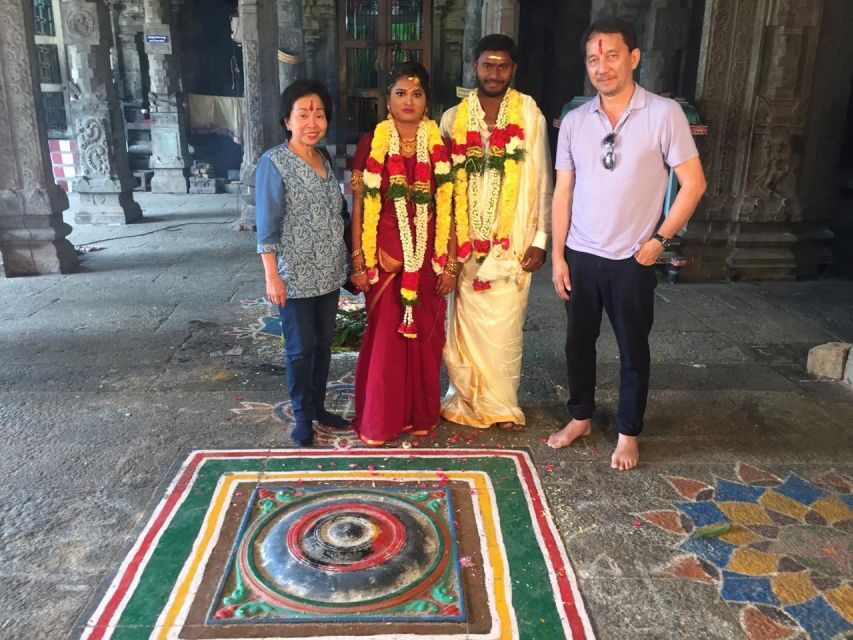
This experience runs about 2.5 to 3 hours, which is a sweet spot if you want several major stops without giving up half a day.
The tour is offered in private or small groups, and it’s guided in English. That matters because explanations are the main product here. When the group is small enough, the guide can adjust pace and answer questions without steamrolling the conversation.
It’s also a walk with multiple “instruction moments.” You’ll need to follow footwear rules in temples, and you’ll need to dress correctly before you reach the sites.
If you’re traveling with kids, the structure still works. One practical sign from past guides: when participants flag, the guide can adapt on the fly. In at least one instance, a guide arranged a quick coffee and snacks break to keep energy up and keep the tour moving.
Dress code and footwear rules you must plan for
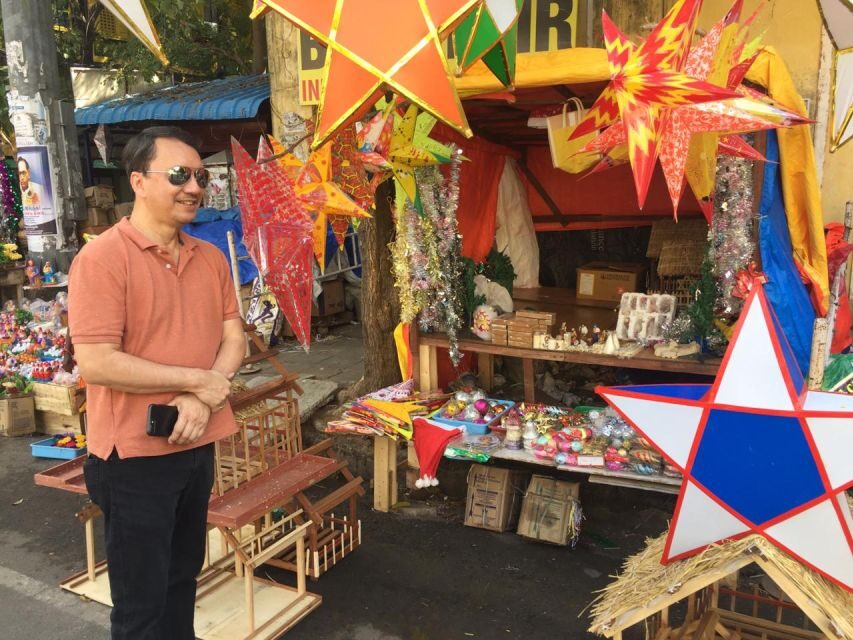
Before you go, make sure your outfit won’t get you stopped at the gate. The rules are straightforward:
- No shorts, short skirts, or sleeveless shirts
- Cover knees and shoulders
- You’ll remove footwear before entering temples
This isn’t about being picky. It’s about respecting the worship spaces and avoiding stress at check-in. If you’re traveling in hot weather, choose breathable clothing that still meets the coverage requirement.
Guide quality: why the names you hear matter
The biggest predictor of a great experience on this kind of walk is the guide’s ability to explain without turning the tour into a lecture. Past guides have leaned into storytelling and humor while keeping the religious and historical points clear.
You may encounter guides such as Kannan, Kalpana, Harish, Jaunth, or Kennan. Across different groups, the pattern is similar: they’re enthusiastic, respond to the group’s energy, and connect the dots between architecture, ritual, and local history.
If you like tours where you can ask questions and get a human answer, this is a good match.
Price and value: what $49 buys you
At $49 per person for about 2.5 to 3 hours, you’re paying for two main things: an English live guide plus entrance charges.
Food is not included, so budget separately if you need a snack. But the tour is designed to avoid that becoming a distraction. For many people, not stopping for meals is what makes the schedule work and lets you pack four major sites into one outing.
Also, the provider is described as recognized by the ministry of tourism, and the company supports local communities through livelihood, training, employment of local guides, and procurement of local products. That doesn’t magically improve your day, but it is a meaningful sign of how the tour operates on the ground.
If you want a low-effort way to understand Mylapore’s layered faith landscape in one morning or afternoon, this price starts to feel fair.
Who this tour is best for
This walk fits best if you want:
- Context for temples, Jain devotion, and Christian history in one route
- A guide who explains the logic behind rituals
- A manageable time commitment with major landmarks in a short window
It may be less ideal if you prefer long, quiet hours in one site or you’re not comfortable following dress and footwear rules. Also, it’s a walk, so it’s not designed as a sit-and-watch-only experience.
Should you book the Chennai: Mylapore Walk?
Yes—if you’re curious about how multiple faith traditions live close together and you want your questions answered while you’re standing inside the places. This tour is built around explanation, not just observation, and that makes it a strong first-time option for Mylapore.
Book it especially if you like the idea of starting at Ramakrishna Math, learning how the neighborhood’s past stretches back to Roman trade and through Portuguese and British eras, and then finishing with the St Thomas relic shrine.
If your main goal is purely relaxation or purely one religion, you might find the pace a bit active. But for most visitors, the value comes from seeing four very different spiritual worlds with a guide who helps it all click.
FAQ
How long is the Chennai Mylapore walk?
It lasts about 2.5 to 3 hours.
What does the tour cost?
The price is $49 per person.
Is the tour guided, and what language is it in?
Yes, it includes a live tour guide speaking English.
Where do we meet the guide?
You meet the guide at the entrance of Ramakrishna Mutt Temple, Myapore. The guide’s phone number and picture are shared a day earlier.
Does the tour include pickup?
Pickup is optional. The pickup point can be your hotel lobby.
Which places are included on the walk?
You visit Ramakrishna Math, Kapaleeswar Temple, the Vasupujya Swami Jain temple, and St. Thomas Cathedral Basilica.
Are entrance charges included?
Yes. Entrance charges are included.
Is food included?
No. Food is not included.
What dress code do I need to follow?
You must cover knees and shoulders. Shorts, short skirts, and sleeveless shirts are not allowed.
Do I need to remove footwear?
Yes. Footwear needs to be removed before entering temples.