REVIEW · NEW DELHI
6-Day Private Golden Triangle Tour – Explore Delhi, Agra & Jaipur
Book on Viator →Operated by Crystal India Holidays · Bookable on Viator
Six days can feel like a whirlwind. This private Golden Triangle keeps it civilized with door-to-door pickup and expert local guides linking Delhi, Agra, and Jaipur without you playing travel logistics Tetris.
I especially like the way the days blend major monuments with human-scale moments, like Old Delhi’s rickshaw ride through Chandni Chowk and the calm, structured stops at stepwells and tomb gardens. I also appreciate the comfort-first setup: your vehicle matches your group size, bottled water is provided, and you start with daily breakfast if you choose the hotel option. One thing to plan for: entrance fees are not included (listed as ₹6,000 per person), so your total trip budget will depend on that amount.
In This Review
- Key things I’d circle on your plan
- Delhi to Agra to Jaipur: the value of doing it in one coordinated sweep
- Day 1 in New Delhi: land, check in, then choose your own pace
- Old Delhi by rickshaw and on foot: Chandni Chowk, spice fumes, and stepwell calm
- Delhi’s mix of empires: Qutub Minar, Gandhi Smriti, and the Lotus Temple
- The Yamuna Expressway to Agra: why sunset planning pays off
- Agra Fort and the Taj Mahal: morning light vs your energy budget
- Jaipur arrival day: check in and let your feet reset
- Amber Palace day: fort views, Mirror Palace, and stair-and-courtyard time
- Jaipur’s final morning of icons, then back to Delhi
- Price and logistics: what ₹6,000 in entrances changes, and what you’re really paying for
- Who this private Golden Triangle is best for
- Should you book this 6-day private Golden Triangle?
- FAQ
- Is this a private tour or shared group transport?
- Which cities are covered in the 6 days?
- What’s included in the tour price?
- Are monument entrance fees included?
- What meals are included?
- Where can pickup and drop-off happen?
- What vehicle will you use for my group?
- Can I cancel for a full refund?
Key things I’d circle on your plan
- Fully private, no shared transport: your driver and guides work just for your group.
- Comfort matched to group size: sedan for 1–2, MPV for 3–4, van for 5–10.
- Real Old Delhi texture: a traditional rickshaw ride in the narrow lanes.
- Taj Mahal parking-area transfer included: a battery-powered bus ride helps you arrive smoothly.
- Big sights with sensible pacing: timed blocks like sunrise/sunset viewing windows and protected rest periods in between.
Delhi to Agra to Jaipur: the value of doing it in one coordinated sweep
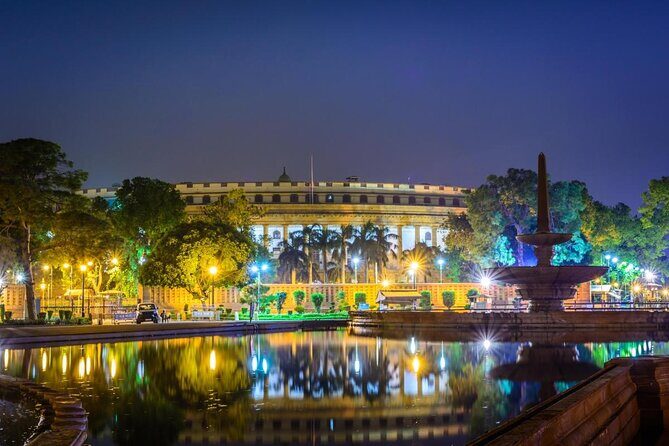
If you’re short on time but still want the Golden Triangle highlights, a coordinated private tour can be a smart choice. You’re not just seeing places; you’re also buying back energy by letting a driver handle the city-to-city transfers and letting local guides explain what you’re actually looking at.
This plan is built around three main anchors: Delhi’s Mughal-era and British-era landmarks, Agra’s Taj-focused monuments, and Jaipur’s fort-and-palace architecture. The biggest value for me is that you get a guide in each city, so the story keeps moving and you’re not left with guesswork.
Still, it’s a fast trip by nature. You’ll do a lot of driving and a lot of sights in a short stretch, so it helps if you’re okay with a schedule that’s structured, not slow.
You can also read our reviews of more private tours in New Delhi


Day 1 in New Delhi: land, check in, then choose your own pace
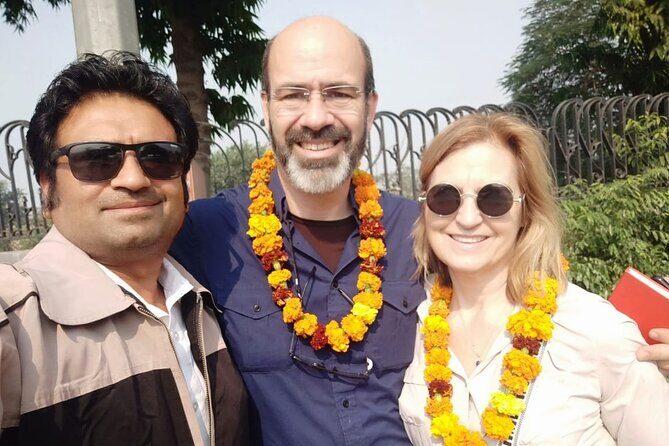
Your first day starts with pickup from wherever you’re staying (airport, railway station, or a hotel in Delhi, Noida, or Gurugram). Then it’s a transfer to your hotel and check-in, with the rest of the day open for your own plans.
That flexibility matters. After travel days, you can choose light sightseeing nearby, a long shower, or an easy meal without thinking about where your next ticket line might be. Also, since the tour includes private transportation, you’re not locked into a fixed start time for every attraction—your guide and driver can help you keep the day comfortable.
This is also a good day to get your bearings. You’ll likely spend the next days in places with big crowds and heavier traffic, so a calm start helps.
Old Delhi by rickshaw and on foot: Chandni Chowk, spice fumes, and stepwell calm
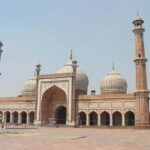
Day 2 is your Old Delhi day, and it works because it mixes energy with moments of quiet. You begin at Jama Masjid, one of the largest mosques in India, built by Mughal emperor Shah Jahan in 1656. You’ll have time to look around and enjoy views from the minarets’ vantage points, but the big payoff is understanding the scale of Mughal power in a living city.
Next comes the Old Delhi rickshaw ride through the narrow lanes of Chandni Chowk. This is one of the most fun parts of the whole tour because you’re moving through the market’s tight geometry at the pace it demands—no cars speeding you past the details.
Then you step into sensory overload at Khari Baoli, Asia’s largest spice market. Even if you don’t buy anything, you get a strong sense of what a spice economy looks like up close. If you’re sensitive to strong smells, take it as a quick stop and pace yourself.
After that, you shift to calmer, more architectural moments:
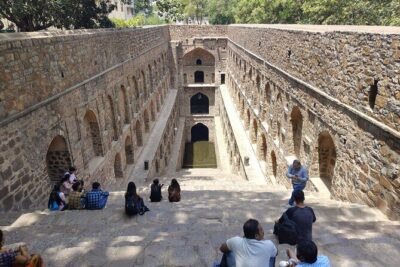
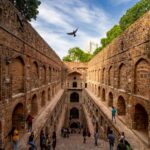
- Agrasen Ki Baoli, a mysterious ancient stepwell with arched niches
- Gurudwara Bangla Sahib, a serene Sikh temple with its sarovar (holy water pond) and the langar community kitchen
- India Gate, a straightforward war memorial stop for a breather
From there, you move into Mughal and post-Mughal Delhi with Humayun’s Tomb (a UNESCO site and often described as the first garden tomb in India). Even if you only spend an hour, it helps you connect how royal tomb gardens influenced later monuments.
Finally, you round out with places that feel quieter in tone: Gandhi Smriti (Gandhi’s final days memorial) and the Lotus Temple, known for its lotus-like shape and meditative, silence-friendly atmosphere. You end with Qutub Minar, a 73-meter tower of victory on a UNESCO site.
Two practical notes:
- Some stops have admission costs not included, so keep a mental list of what you’ll need to pay later.
- Old Delhi can feel chaotic fast. Having a private driver and local guide keeps you from getting stuck in the wrong lanes too long.
Delhi’s mix of empires: Qutub Minar, Gandhi Smriti, and the Lotus Temple
What I like about this Delhi lineup is the contrast. You’re not only doing one theme. You see Mughal grandeur, imperial-era government influence, and spiritual spaces that don’t require any special planning beyond showing up and respecting the rules.
Qutub Minar is your big UNESCO anchor here. Even without the inside details being ticket-included in your package, the height and surrounding complex give you the “you are in the right place” feeling. Pairing it with the Lotus Temple and Gandhi Smriti also keeps the day from feeling like museum-only time.
This day’s flow is also useful for jet lag and fatigue management. Stops vary in length, from short photo stops to longer blocks like Humayun’s Tomb time. That variety helps you keep energy for the main moments.
If you’re the kind of traveler who likes to watch how people live, Delhi is a strong match. You’ll be walking through market streets, temple courtyards, and memorial spaces that feel part of daily life.
The Yamuna Expressway to Agra: why sunset planning pays off
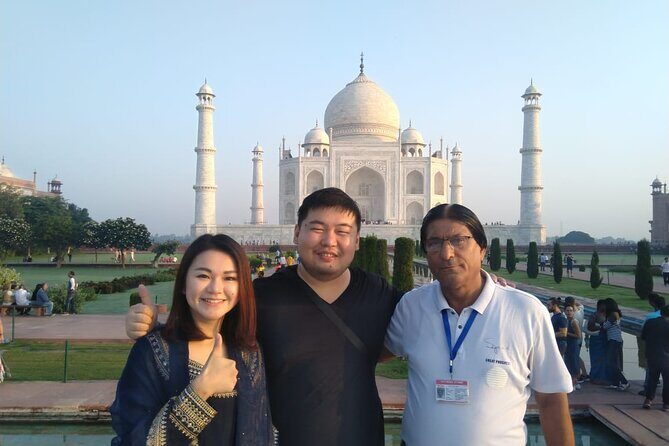
On Day 3, you head to Agra after breakfast via the Yamuna Expressway, roughly a 3.5 to 4-hour drive (timing shifts with traffic). This is a long transfer day, but it’s also one of the easiest parts of the trip because the route is straightforward and your driver handles the complexity.
When you arrive, you get a Taj Mahal View Point time aimed at sunset across the Yamuna River. This is smart even if you’ve already seen photos. The river setting and changing light make the monument feel more alive, and it buys you a calmer introduction before you go in for the main Taj visit.
Then you visit Itmad-ud-Daula, often called the Baby Taj. The reason I like this stop is simple: it helps you understand marble artistry and inlay detailing before you hit the Taj itself. You start to notice patterns and craftsmanship rather than only looking for the biggest photo angle.
A small reality check: sunset viewing can run tight depending on the time of year and daylight. The good part is that with a private setup, your schedule can flex within reason so you’re not standing around waiting for the group bus.
A few more New Delhi tours and experiences worth a look




Agra Fort and the Taj Mahal: morning light vs your energy budget
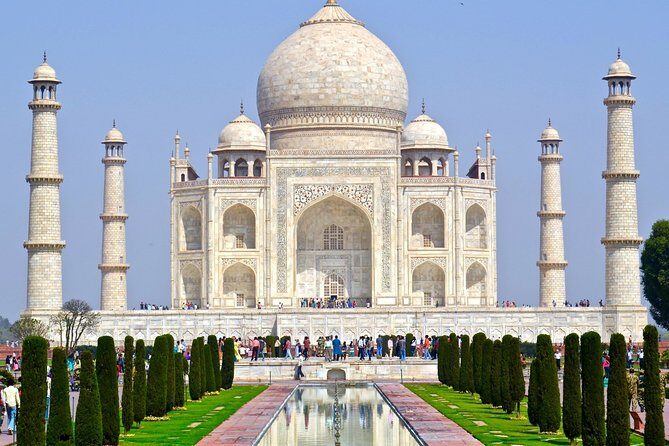
Day 4 is built around the Taj Mahal plus Agra Fort afterward. You’ll visit the Taj as first rays hit the white marble surface, with a stated 2-hour time block. That timing is one of the main reasons people choose a Golden Triangle itinerary—this is where the trip earns its name.
You should also know the trade-off: two hours at the Taj can feel perfect or too short depending on how slow you like to go. If you’re a photo-first traveler, it’s plenty. If you want to linger, take notes, and really study details, keep a steady pace and prioritize the angles you care about.
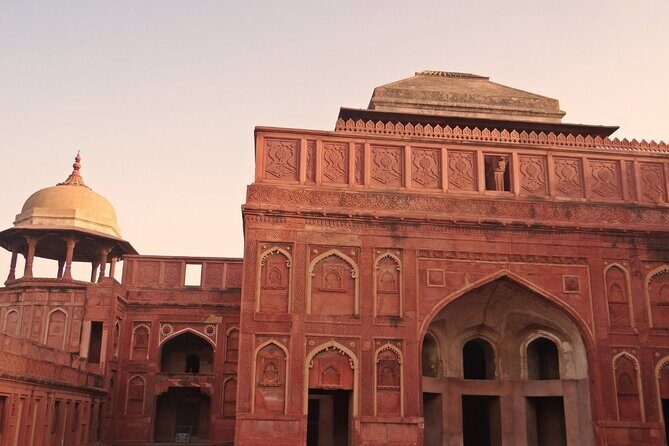
After that, Agra Fort gives you contrast. It’s a UNESCO World Heritage site and a former residence of Mughal emperors, with palaces, audience halls, and Mughal gardens. The Taj is about the emotional masterpiece; Agra Fort is about power, daily court life, and architectural planning.
A helpful included touch is the battery-powered bus ride to and from the Taj Mahal parking area. It may not sound glamorous, but it saves energy and reduces the hassle of longer walks in heat or crowds.
Jaipur arrival day: check in and let your feet reset
Day 4 includes travel from Agra to Jaipur, with an approximate 5-hour drive. Once you arrive, you check in and have overnight time in Jaipur, with no major forced sightseeing on the schedule beyond that.
This is a nice reset. Jaipur’s next days include forts, palace interiors, and multiple architectural icons, which means you’ll want at least one evening to stretch, eat well, and not rush into more walking the second you arrive.
If you can, plan a simple meal near your hotel and get an early night. Jaipur works best when you’re not running on fumes for the fort day.
Amber Palace day: fort views, Mirror Palace, and stair-and-courtyard time
Day 5’s core is Amber Palace. You’ll go after breakfast and spend about 2 hours exploring the hilltop fort blending Rajput and Mughal architecture. Inside, you’ll visit the Sheesh Mahal (Mirror Palace) and Diwan-i-Aam.
Amber Palace is one of the best places in Jaipur to feel how empires turned into daily aesthetics. Even if you only pick out a few key halls, the structure of the place helps you see why rulers built in elevated positions—and how they used architecture for both control and spectacle.
After Amber, the pacing shifts to smaller, memorable stops:
- Panna Meena ka Kund, a beautifully symmetrical stepwell with a striking stair pattern
- Jal Mahal, a water palace in the middle of Man Sagar Lake (photo stop)
- Gaitore Ki Chhatriyan, royal cremation grounds with carved cenotaphs
- City Palace of Jaipur, where courtyards, museums, and regal rooms still connect to the royal family’s presence (time: about 1 hour)
Then you finish with Jantar Mantar, a UNESCO-listed astronomical observatory, and Hawa Mahal, the Palace of Wind with its five-story façade and 953 windows designed for royal women to watch street festivals.
Here’s the practical thing: Jaipur days can feel like a lot of moving parts. The itinerary staggers stops, but the terrain and time spent inside can add up. If you want the best experience, keep water with you, wear comfortable shoes, and don’t let every stop turn into a photo marathon.
Jaipur’s final morning of icons, then back to Delhi
Day 6 is the return trip to Delhi after breakfast. The drive is about 5 hours, and you can be dropped at your preferred location in Jaipur if you’re continuing onward.
This last day is intentionally lighter. You’ve already hit the emotional peak (Taj Mahal) and the big architectural days in Jaipur. So your goal on the return drive is simple: stay hydrated, keep snacks if you like, and arrive with enough energy to continue your trip.
If you’re flying out of Delhi the same day, make sure your departure timing leaves room for traffic buffers. Delhi traffic is no joke, and even a good driver can’t erase gridlock.
Price and logistics: what ₹6,000 in entrances changes, and what you’re really paying for
The tour price is listed at $236.70 per person for the 6-day private experience (approx.). What makes that number worth evaluating is that the tour includes a lot beyond tickets.
Included items that add real value:
- Private transportation in an air-conditioned vehicle with a professional driver
- Local guided sightseeing in each city
- Five nights’ accommodation (only if you choose the hotel option), with daily breakfasts
- Bottled mineral water during car journeys
- The Old Delhi rickshaw ride
- The battery-powered Taj parking transfer
Not included:
- Entrance fees for monuments, listed as ₹6,000 per person
- Lunch and dinner
- Optional gratuities
So the way I’d budget is simple: treat the base price as “transport + guides + hotels/breakfast (if chosen)” and treat monument entry fees and meals as separate add-ons. If you’re traveling with a group, entrance costs are a fixed line item, while your appetite for paid experiences can change meal by meal.
Also pay attention to room setup. Rooms are generally twin-sharing. If you book 3 people, the default is triple-sharing unless you want to split into 2 rooms, which may cost extra. That matters for comfort and privacy.
One more thing: the tour description highlights time connected to a tiger sanctuary, but your day-by-day specifics emphasize Delhi/Agra/Jaipur monuments. If animal-wildlife time is a top priority, confirm how and when it fits your exact departure.
Who this private Golden Triangle is best for
This is a strong match if you want:
- A private setup (your group’s pace, your driver, your guides)
- Efficient city-to-city movement without planning dozens of tickets and directions
- A blend of major icons (Taj Mahal, Amber Palace, Hawa Mahal) plus supporting stops (stepwells, tomb gardens, observatory)
It’s especially good for couples, families, and small groups who don’t want to negotiate with taxis all day. Older travelers often like this style because the vehicle transport reduces time lost between sights.
If you’re the type who hates schedules and wants hours of free wandering with no plan, you might feel boxed in. This tour is designed to hit big monuments in a short window.
Should you book this 6-day private Golden Triangle?
Book it if you want the Golden Triangle done with private guides and transport handled from the moment you land in Delhi. The included comfort pieces (vehicle matched to group size, breakfast, bottled water, and Taj area bus ride) make the trip smoother than doing it independently, especially if you’re not familiar with routes and ticket timing.
Skip or adjust the plan if entrance fees and meal costs will stress your budget, or if you strongly prefer a slow pace. Also, if you care a lot about the tiger sanctuary element, confirm the exact inclusion day and timing before you commit.
Overall, this looks like a practical way to get maximum meaning out of a limited number of days: you’ll see the headline sights, but you’ll also get enough architectural and cultural context to understand what you’re looking at, instead of just collecting photos.
FAQ
Is this a private tour or shared group transport?
This is a fully private tour. You’ll have your own vehicle, driver, and local guides in each city, and only your group participates.
Which cities are covered in the 6 days?
The tour covers Delhi, Agra, and Jaipur, with five nights of accommodation if you book with the hotel option.
What’s included in the tour price?
The included items are private air-conditioned transportation with an experienced driver, local guided sightseeing, bottled mineral water in the car, the Old Delhi rickshaw ride, and five hotel breakfasts if you choose the accommodation option. The battery-powered bus ride to and from the Taj Mahal parking area is also included.
Are monument entrance fees included?
No. Entrance fees are listed as ₹6,000 per person for all monuments, and entrances marked Not Included are not covered in the tour price.
What meals are included?
Daily breakfast is included for five days if you select the hotel option. Lunch and dinner are not included.
Where can pickup and drop-off happen?
Pickup and drop-off can be arranged from your hotel, the airport, a railway station, or any desired location in Delhi, Noida, or Gurugram. On the final day, you can also be dropped at a preferred location in Jaipur if you’re continuing elsewhere.
What vehicle will you use for my group?
The vehicle depends on group size: a four-seater sedan for 1–2 people, a six-seater MPV for 3–4 people, and a ten-seater van for groups of 5–10.
Can I cancel for a full refund?
Yes, free cancellation is available. You can cancel up to 24 hours in advance for a full refund based on the experience’s local time.