REVIEW · BANGALORE
Bangalore: UNESCO Belur & Halebidu + Shravanabelagola Tour
Book on Viator →Operated by Hidden Gems Tours · Bookable on Viator
Three ancient stops, one well-planned day. This tour is appealing because you start with a smooth, air-conditioned pickup and you’re not left guessing what you’re looking at thanks to an English guide who explains what each monument was built to communicate. You’ll pack in three major heritage sites—Shravanabelagola’s Jain monolith world, plus UNESCO-listed temples at Halebidu and Belur—without the hassle of figuring out transport between them.
The only real drawback is the long stretch of time: you start at 6:30am and you’re out for roughly 12 to 14 hours, so you’ll want a decent level of stamina and shoes you can walk in for temple time.
In This Review
- Key highlights worth your attention
- A long day of UNESCO temples, done the easy way from Bangalore
- The start: 6:30am pickup and what to expect from the ride
- Stop 1: Kunigal—an early pause before the heritage heavy lifting
- Stop 2: Shravanabelagola and the Jain monolith experience
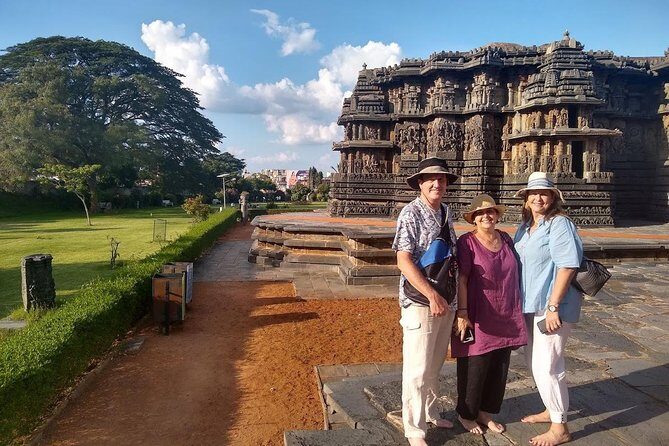
- Stop 3: Halebidu’s Hoysaleshwara Temple (UNESCO) and its sculpted storytelling
- Stop 4: Belur lunch break—fuel without the tourist hassle
- Stop 5: Belur’s Chennakeshava Temple—where the day lands in stone
- Value check: what you get for $179.77 from Bangalore
- Logistics and comfort: the stuff that affects your enjoyment
- Who this tour is best for (and who should think twice)
- Should you book the Bangalore Belur, Halebidu, and Shravanabelagola day tour?
- FAQ
- What time does the tour start?
- How long is the day trip?
- Is hotel pickup and drop-off included?
- What meals are included?
- Are monument entry fees included?
- Is the guide available in English?
- How big is the group?
- What is the cancellation policy?
Key highlights worth your attention
- A true day-trip rhythm: early start, structured stops, and return transport so you don’t burn time on logistics
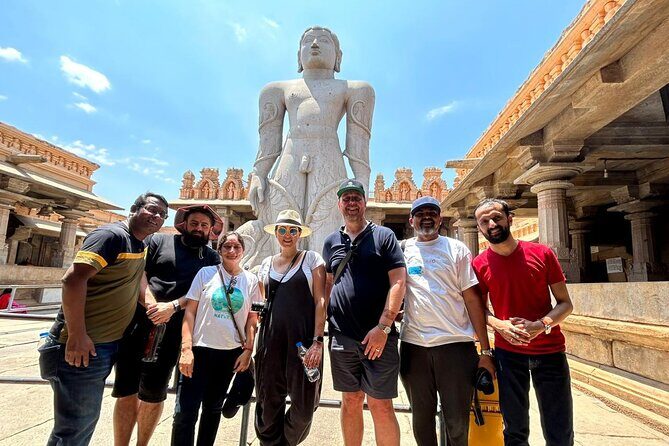
- Shravanabelagola’s famous Jain monolith setting: see the towering Gomateshvara statue and understand why this place matters
- UNESCO temple focus: Halebidu’s Hoysaleshwara Temple and Belur’s Chennakeshava Temple get real context from your guide
- Small groups: capped at about 8 per booking (and up to 10 travelers), which keeps the experience easier than big buses
- Food + entry fees handled: breakfast and lunch included, plus monument admissions so you can stay in sightseeing mode
A long day of UNESCO temples, done the easy way from Bangalore
A day tour like this is what you want when you’ve got limited time in Bangalore but still want “wow” heritage. The value comes from the way the day is built: hotel pickup, A/C transport, a guide from the first stop, and meals so you’re not hunting food between monuments.
What you’re really buying is time and clarity. These sites can look like beautiful stone clutter if you show up without context. With a good guide, the carvings start to behave like a visual language—figures, symbols, and architectural choices that connect to the people and beliefs behind the temples.
And yes, it’s a long day. But if you’re the type who’d rather see three big sites with breathing room than five rushed ones, this fits well.
You can also read our reviews of more tours and experiences in Bangalore.

The start: 6:30am pickup and what to expect from the ride
Your tour starts at 6:30am, with central hotel pickup and drop-off included. You’ll move in an A/C vehicle, which matters a lot when you’re going from city mornings into countryside heat.
The itinerary begins with a drive around 75 minutes, and then you’ll have a short stop at Kunigal. The time there is listed as part of the schedule, but the key point for you is how the day is paced: it’s not just driving straight through. You’ll get a bit of a reset before the heritage focus ramps up.
Practical tip: set your expectations for the schedule. You’ll likely feel the early start more than the distance. Plan a simple breakfast at home if you can’t eat on tour, but remember traditional breakfast is included once the day gets going.
Stop 1: Kunigal—an early pause before the heritage heavy lifting
Kunigal is the first named stop on the day. Since the itinerary doesn’t spell out a specific attraction here, treat this as the transition point where the tour gets you positioned for the bigger sites later.
This early pause is useful. It helps you avoid the classic day-trip mistake: walking into your first major site tired, hungry, and mentally behind. Even a small break changes how much you notice in the temples that follow.
If you’re someone who likes photos, this is also a good moment to sort camera settings and power banks—because after this, you’ll be moving steadily through structured visits.
Stop 2: Shravanabelagola and the Jain monolith experience
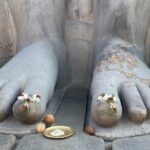
Shravanabelagola is the star for many people, and the schedule gives it the right amount of time—around 3 hours. This is a Jain pilgrimage and learning center with deep roots, described as a 2,300-year-old town connected to spirituality and scholarship.
The headline attraction is the Gomateshvara monolith—called India’s tallest monolith in the tour description. What makes this stop special isn’t only the size of the statue. It’s the feeling of standing in a place where devotion and craft have shaped the landscape for centuries.
What you’ll likely get from the guide here is the “why,” not just the “what.” A monolith can look like an impressive object; it becomes more meaningful when you understand the symbolism and why the site became a destination for pilgrims and thinkers.
A small consideration: if you have mobility limitations, temple environments often involve uneven stone and steps, depending on the route to viewpoints. The tour only asks for moderate physical fitness, but still, wear shoes with grip and keep your pace steady.
Stop 3: Halebidu’s Hoysaleshwara Temple (UNESCO) and its sculpted storytelling
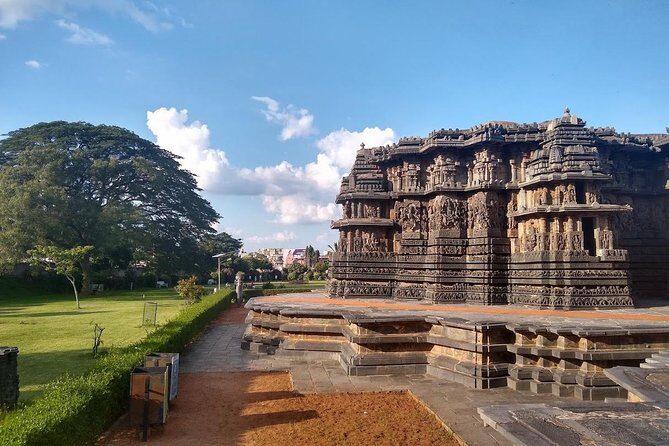
After Shravanabelagola and breakfast, the day turns toward temple architecture with real depth. Your next stop is Hoysaleshwara Temple in Halebidu (UNESCO World Heritage listed), with about 2 hours on site.
The tour description focuses on what you should be looking for: Hoysala architecture and the unmatched intricacy and craftsmanship. Halebidu is known for carved details, and in this kind of temple, the “wow” is often in the repeat. Patterns, figures, and ornamental logic keep returning, and your brain starts reading it like a puzzle.
A helpful angle from the guide is symbolism. Good explanations can turn a wall of carvings into a structured narrative—what the artists wanted viewers to notice, and how the architecture guided attention.
Real-world note from the kind of guide experience this tour is known for: guides such as Dinna are praised for detailed explanations and pleasant company. That matters here because the value of a temple visit is tied to whether you can follow what you’re seeing while you’re standing in front of it.
Time check: two hours can feel short at a carving-heavy site, but this schedule is designed to keep you from burning out. If you want extra quiet time for photos, you’ll have to choose your angles and commit to a few sections rather than trying to see everything equally.




Stop 4: Belur lunch break—fuel without the tourist hassle
Between UNESCO-level monuments, you get a local lunch. The stop is planned as a calm break around 2 hours, with a serene lunch spot described as quiet and centered on local charm.
This part is simple but important. Temple days can make you cranky fast—especially when you’ve started at 6:30am. A proper included lunch gives you energy for the final temple stretch rather than forcing you into messy searches for food.
If you’re picky, don’t assume it’s fancy. The description frames it as traditional South Indian flavors and a quiet place to sit, eat, and reset.
Also remember: alcoholic drinks are not included (they’re available to purchase). So if you want tea or water, plan on ordering it there rather than expecting it to be part of the included meal.
Stop 5: Belur’s Chennakeshava Temple—where the day lands in stone
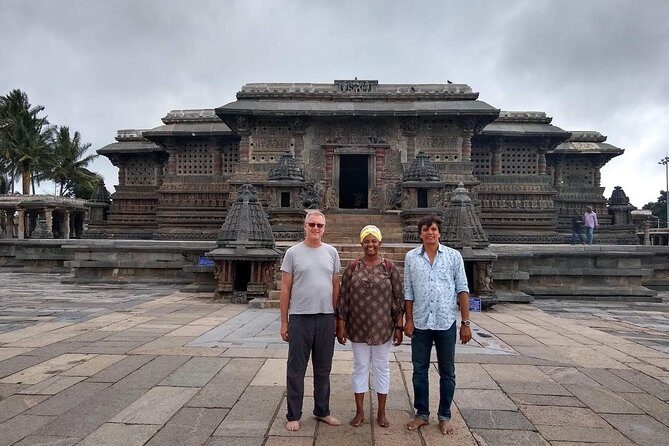
The final stop is Belur Sri Chennakeshava Temple. It’s also UNESCO-listed, and the itinerary gives it the most time—around 4 hours—which tells you it’s the finale meant to stick with you after the long day.
This temple is described as a living masterpiece that’s captivated travelers, pilgrims, and art lovers for over 900 years. That’s a good framing, because with temples of this age, you can feel continuity. It’s not just old walls; it’s a site that still functions in a cultural and religious way.
What you’ll want to focus on with a guide is the combination of scale and detail. When you walk into a major temple complex, your eyes race upward first. With explanation, you learn how to slow down and notice the “in between” spaces: carved panels, structural choices, and the way the design organizes movement through the complex.
The tour wraps up with admissions included, and this is where the earlier guide storytelling pays off. If you understood the design language at Halebidu, the Belur temple feels like a more complete chapter of the same architectural tradition.
Guides like Praveen are specifically praised for taking care of guests and sharing stories throughout the day. That kind of follow-through makes the last site land harder—because you’re not starting from scratch when the most time-heavy stop begins.
Value check: what you get for $179.77 from Bangalore
At $179.77 per person, this tour isn’t trying to be the cheapest way to reach three famous sites. It is priced more like a convenience package with real inclusions: hotel pickup and drop-off, A/C transport, a certified English guide, breakfast and lunch, and entry fees and admissions across the monuments.
Here’s the value logic that makes it feel fair for many people:
- If you travel independently, you still need transport (and coordinating timing between distant heritage sites isn’t free in time or stress).
- Entry tickets and meals add up quickly when you’re organizing everything yourself.
- The guide compresses learning. Instead of spending your limited vacation hours reading on your phone, you get structured explanations while you’re standing in front of the artwork.
If your goal is maximum independence and minimum structure, you might feel constrained by a schedule. But if your goal is a day that feels complete and easy, the inclusions are doing real work here.
Logistics and comfort: the stuff that affects your enjoyment
This tour is built for a small group setting, with a cap around 8 per booking and a maximum of 10 travelers. Small groups usually mean less waiting, and more flexibility when the guide wants to pause for questions.
Dress code is listed as smart casual. You don’t need to dress up like a wedding guest, but do plan for a day that includes temples and time outdoors. Comfortable layers help because mornings can feel cooler than midday.
A key comfort point: you’re out for roughly 12 to 14 hours. Even if you’re excited, fatigue will creep in. To keep the day enjoyable:
- Bring patience for the early start.
- Pace yourself at each temple instead of rushing for every view.
- Prioritize the carvings or viewpoints you truly care about, and let other areas be “seen well enough.”
Who this tour is best for (and who should think twice)
This is a strong fit if:
- You want a one-day UNESCO heritage plan from Bangalore.
- You prefer guided context so temple carvings actually make sense.
- You like the idea of seeing three major sites without building your own transport puzzle.
- You’re traveling with family or friends who benefit from an organized schedule.
It may be less ideal if:
- You dislike early starts and long days.
- You want total control of timing and pace at each monument.
- You have concerns about walking/standing in temple environments. The tour asks for moderate physical fitness, so if you’re unsure, it’s smart to ask the provider what areas involve more movement.
Should you book the Bangalore Belur, Halebidu, and Shravanabelagola day tour?
I think you should book if you want a heritage day that’s focused, guided, and not overly complicated. The combination of Shravanabelagola with its monolith, plus the UNESCO temples of Halebidu and Belur, is a big cultural payoff for one day—especially when breakfast, lunch, admissions, and pickup are handled for you.
If you’re the kind of traveler who enjoys understanding symbols and architecture while standing in the exact place those carvings were made, the guide-driven format is exactly what makes this tour worth it. And when guides like Praveen or Dinna are praised for detailed explanations and caring attention, that’s a good sign you’ll get more than ticket-holder sightseeing.
If you’re purely chasing the cheapest option or you want to linger endlessly without any schedule, you might feel restricted. But for most visitors short on time, this hits a practical sweet spot.
FAQ
What time does the tour start?
The tour start time is 6:30am.
How long is the day trip?
The duration is listed as approximately 12 to 14 hours.
Is hotel pickup and drop-off included?
Yes. The tour includes central hotel pickup and drop-off.
What meals are included?
Breakfast and lunch are included.
Are monument entry fees included?
Yes. The tour includes all monument entry fees and admission tickets.
Is the guide available in English?
Yes. The tour is English only.
How big is the group?
The tour notes a maximum of 8 people per booking, and it also lists a maximum of 10 travelers.
What is the cancellation policy?
You can cancel for a full refund up to 24 hours in advance of the experience’s start time. If you cancel less than 24 hours before, the amount paid isn’t refunded.