REVIEW · BANGALORE
Old Bangalore town Pettah walk
Book on Viator →Operated by bengalurubyfoot · Bookable on Viator
Pettah markets tell Bangalore’s story. This 3-hour walk through Old Bangalore (the Pettah) mixes big-name history with hands-on street life: temples, a mosque, a flower market, and working crafts, all guided by someone who knows the city’s rhythms. I love how the route connects the founding-era story of Kempe Gowda to what you can still see today, street by street.
A second thing I really like is the focus on everyday skills, including the chance to see silk weaving and other trades still being practiced. The one drawback to keep in mind: you’ll be walking in a market area, so heat/crowds and modest clothing rules can be more of a factor than you might expect.
In This Review
- Key highlights worth your time
- Why Pettah Still Feels Like Old Bangalore
- Meeting at Kempe Gowda’s Statue and Getting Your Bearings
- Breakfast First: How Food Sets the Tone
- Temple and Mosque Stops: More Than Photo Stops
- The Flower Market: Learn What You’re Seeing and Shop Smarter
- Watching Handicrafts Get Made (Not Just Sold)
- Silk Weaving and Other Trades You Can Still See
- Time on Foot: Pace, Weather, and What to Bring
- Price and Value: What $60 Really Buys You
- Who This Pettah Walk Fits Best
- Should You Book the Old Bangalore Pettah Walk?
- FAQ
- Where does the tour meet?
- How long is the Old Bangalore Pettah walk?
- Is this a private tour?
- What’s included in the price?
- Is alcohol included?
- Do I need modest clothing?
- Is there a vegetarian option for breakfast?
- Is the tour suitable for kids?
- What if the weather is bad?
- What’s the cancellation policy?
Key highlights worth your time

- Kempe Gowda to Pettah today: learn how the 1537 city founder shaped the layout, even if the old fort is mostly gone
- Temple + mosque in one loop: see how multiple faiths live side-by-side in the same neighborhood
- Flower market shopping with context: you’ll know what you’re looking at, so you’re not just browsing blindly
- Handicrafts in action: watch local artisans working, not just posing for photos
- Silk weaving and other old trades: the day’s best moments come from seeing crafts while they’re happening
Why Pettah Still Feels Like Old Bangalore
Old Bangalore’s Pettah doesn’t try to be a museum. It’s practical. It’s noisy. It’s crowded in the way that tells you people still live and trade here. And that’s exactly why this walk works: you’re not just passing sights, you’re watching how the city functions.
The tour starts with a big idea: Kempe Gowda founded Bangalore in 1537, and the fort he built around the Pettah has largely disappeared. Yet the neighborhood’s spirit remains. Your guide ties that founder-era planning to the street reality you see now, which makes the past feel less like a timeline and more like a pattern.
I also like that the guide isn’t just naming places. You’ll hear legends and stories of valor tied to the city’s identity. Whether you take every tale literally or just enjoy it as local storytelling, it gives the walk a sense of momentum.
You can also read our reviews of more walking tours in Bangalore

Meeting at Kempe Gowda’s Statue and Getting Your Bearings
Your meeting point is in Bengaluru, in front of Kempe Gowda’s statue. From there, you’ll head out with your local guide to a cluster of religious sites and market areas.
This matters more than it sounds. Pettah is a working neighborhood, not a closed “tour zone.” Starting at a clear landmark helps you get oriented fast, and you’re not spending your first hour trying to understand where you are. Since the meeting is near public transportation, it’s also easier to build a day around this—grab breakfast, do the walk, then move on.
One practical note: you’ll likely cover a decent amount of walking for a 3-hour experience, with time spent stopped at different places. You’ll want moderate physical fitness, especially if you’re not used to market sidewalks and standing around for explanations.
Breakfast First: How Food Sets the Tone
You don’t rush into temples and streets on empty energy. The experience includes breakfast in the morning before you really get rolling through Pettah.
If you’re choosing this tour for flavor and local routine, breakfast is doing double duty. It gives you a calm start while your guide sets the context for what you’ll see. It also keeps you from turning the day into a constant hunt for snacks.
Food choice can matter for some people. There is a vegetarian breakfast option—you just need to request it at booking. That’s a simple detail, but it can save you from the stress of sorting meals later.
Temple and Mosque Stops: More Than Photo Stops
The core of the walk includes visiting religious sites—specifically a temple and a mosque—followed by market time. This is one of the best ways to understand Pettah, because the neighborhood’s religious life is woven into the everyday economy.
What makes these stops valuable is the way you’re encouraged to look beyond architecture. Your guide shares background on town planning and the old-city layout logic, then ties it to why these structures sit where they do. You’ll also get cultural context while you’re standing in place, which beats reading history later in your hotel room.
A possible consideration: religious sites often come with modest dress requirements. It’s best to plan ahead. If you arrive in clothing you’ll need to adjust, you’ll slow down the whole group.
Also, expect a real neighborhood feel. This isn’t a quiet chapel tour where everyone keeps perfect silence. The point is to see how people actually move through the area.
The Flower Market: Learn What You’re Seeing and Shop Smarter
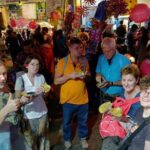
After breakfast and the religious sights, the walk shifts into the market side of Pettah—especially the flower market. This is where the tour earns its keep for people who like to shop, observe, or just understand how cities work.
Here’s the trick: if you go to a market without context, you end up staring at colors and price tags. With a guide, you’ll learn what the flower market represents in local life and how different areas of the city’s markets connect to each other.
You’ll also have time to window shop along the way. That sounds casual, but in practice it means you can slow down, browse, and ask questions without feeling like you’re holding up a long line at a landmark. Your guide helps you see what’s worth noticing—materials, local crafts, and the kinds of goods people actually come here for.
If you want souvenirs, this is a good place to find them because Pettah has layers: fabrics, wedding clothing, and other everyday market categories show up as the route progresses. Even if you don’t buy, you’ll leave with a clearer sense of what this city’s commerce looks like.



Watching Handicrafts Get Made (Not Just Sold)
One of the most praised parts of this walk is the chance to watch artisans make handicrafts. This is more than a quick photo moment. It’s a window into how skill passes from one generation to the next, and how that skill still has customers today.
Because the walk is led by native Bangaloreans with extensive research and travel publications, you’re not only getting a behind-the-counter story—you’re also getting explanations that connect craft traditions to local culture.
What I’d expect you to enjoy most is the contrast. You’ll walk from structured religious space into commercial streets, then you’ll land on skilled making. It’s the “how” moment. How the goods are produced. How people earn a living. How the market stays alive.
You don’t need to be an art collector for this to land. Even if you just like seeing how things are made, it’s satisfying.
Silk Weaving and Other Trades You Can Still See
The tour’s standout specialty is silk weaving. You’ll get a highlight look at professions practiced right there in Pettah—even now.
This is the part that turns a generic city walk into something more memorable. Instead of only collecting landmark photos, you’re seeing craft work during the day, with people doing their jobs as part of the neighborhood. That keeps the experience grounded. It also helps you understand why markets exist where they do: because the supply chain and the skills are local.
If you’re a hands-on learner, plan to take your time here. Watch how workers handle materials, and pay attention to what’s being made and what tools or materials seem essential. Your guide’s explanations will help you connect the trade to the broader city story.
One note: weaving and handicraft areas can be busy. If you’re sensitive to crowded spaces, keep your expectations realistic. You’ll still enjoy it—just don’t expect a quiet studio.
Time on Foot: Pace, Weather, and What to Bring
This is a 3-hour private walking tour. “Private” is important because you won’t be squeezed into a giant group with a schedule that forces you to rush. It also means your guide can adjust stops based on what your group is curious about, within reason.
The tour requires good weather. If it’s canceled due to poor weather, you’ll be offered a different date or a full refund. So if you’re visiting Bangalore during a rainy window, it helps to keep your schedule flexible on this one day.
What to bring:
- Comfortable shoes for market streets
- Modest clothing (plan it, don’t improvise it)
- A light layer if you get chilly inside restaurants
- Your water habits in mind (bottled water is included)
And yes, you’ll want to bring a bit of patience. Pettah isn’t a theme park. Movement can be slow in bursts, and crowds can swell around market activity.
Price and Value: What $60 Really Buys You
The price is $60 per group, with group discounts available and a minimum of 1 person per tour. That structure is worth thinking about, because your cost can drop if you’re traveling with others.
What you get for that money is not just walking time. The experience includes bottled water, breakfast, lunch, and snacks (plus morning breakfast if you’re on that option). Alcohol isn’t included, though it can be purchased. When a tour bundles real meals, it often saves you from spending your time in line for food later.
You’re also paying for something harder to price: a private local guide who’s doing more than pointing. The walk includes explanations of town planning and ancient city layout ideas, plus legends and stories connected to Bangalore’s identity.
So the value is best if you:
- Want context while you walk, not afterward
- Plan to eat well anyway
- Like markets and crafts
- Prefer a guide over self-guided wandering
If you’re the type who only wants “see it, snap it, leave,” you might feel like 3 hours is too long. But if you like texture and learning, this price tends to feel fair.
Who This Pettah Walk Fits Best
This walk is a great match if you enjoy any of these:
- Market culture and shopping with guidance
- Religious sites as living spaces, not staged backdrops
- Craft traditions, especially silk weaving
- A slower, story-based approach to understanding a city
It’s also a good option for first-timers to Bangalore who want a grounded introduction to the city’s older, commercial heart.
Where it may not be your best choice: if you dislike crowds or can’t handle modest dress expectations. Also, if your main goal is modern Bangalore highlights (malls, skyscrapers, curated viewpoints), Pettah will feel like a different mood than you might be seeking.
Should You Book the Old Bangalore Pettah Walk?
I’d book it if you want a 3-hour experience that mixes history, daily life, and working crafts in the same neighborhood. Pettah is a real market district, and a guide is the difference between wandering and actually understanding what you’re seeing.
I’d skip or rethink if you hate walking in busy areas, can’t meet modest dress expectations, or only want top-tier “must-see” landmarks with minimal time in markets. Also, because the experience depends on good weather, try not to schedule it as your one fixed activity on a stormy day.
If you like learning by looking—temples, mosque life, flower shopping, and silk weaving—this is one of the more rewarding ways to spend a morning in Bangalore.
FAQ
Where does the tour meet?
You meet your guide at your selected departure in front of Kempe Gowda’s statue in Bengaluru.
How long is the Old Bangalore Pettah walk?
It’s about 3 hours.
Is this a private tour?
Yes. It’s a private tour/activity, and only your group will participate.
What’s included in the price?
Included items list bottled water, a private local guide, breakfast (morning option), lunch, and snacks.
Is alcohol included?
No. Alcoholic drinks are available to purchase, but they’re not included.
Do I need modest clothing?
Yes. The tour asks that you dress modestly.
Is there a vegetarian option for breakfast?
Yes. A vegetarian option is available for breakfast if you advise at booking.
Is the tour suitable for kids?
Children must be accompanied by an adult.
What if the weather is bad?
The experience requires good weather. If it’s canceled due to poor weather, you’ll be offered a different date or a full refund.
What’s the cancellation policy?
This experience is non-refundable and cannot be changed for any reason. If canceled for poor weather, you’ll get a different date or a full refund.