REVIEW · AGRA
Agra Walking And Tasting Guided Tour
Book on Viator →Operated by Keeper Landwey · Bookable on Viator
Agra can overwhelm your senses fast, which is exactly why this guided walk works so well. You trade the usual quick-snap sightseeing for local food stops plus two major faith landmarks, and your guide handles the tricky parts like menu translation and ordering so you can focus on what you’re eating. I especially like the way the tasting is paced for a short visit, with samples that feel like a real street-food education instead of a rushed buffet.
The main consideration is simple: it’s a walking-and-eating format, so you’ll want comfortable shoes and an open mind about trying lots of small items in a compact time window.
In This Review
- Key Things To Know Before You Go
- How The 2-Hour Agra Food Walk Actually Feels
- Lord Shiva Temple + Jama Masjid: Sightseeing With Context
- Tuk Tuk Transfers + A Guide to Narrow Streets
- Keeper Landwey and Chaat Gali: Where Your Taste Buds Get a Map
- The Tastings: What You’ll Eat (and Why It Works in One Route)
- Your Guide Matters More Than You Think
- Price and Value: Why $31 Can Be a Win in Agra
- Who Should Book This Agra Walking and Tasting Tour
- Should You Book It?
- FAQ
- How long is the Agra walking and tasting guided tour?
- What is the pickup and drop-off location?
- What food and drinks are included?
- Do I need help with language or ordering?
- Is transport included?
- Is the tour ticketing digital?
Key Things To Know Before You Go
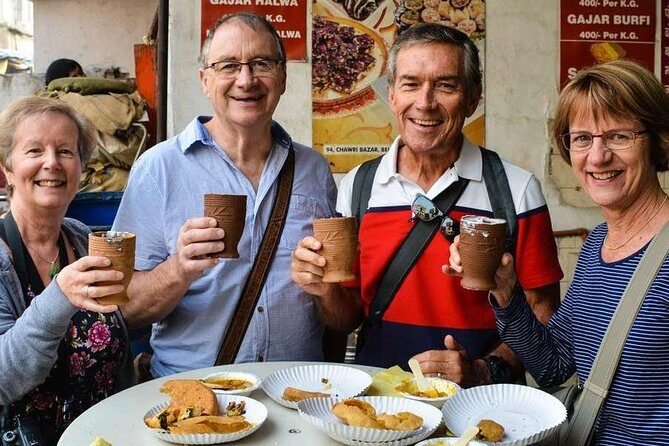
- Hotel pickup and drop-off mean you don’t waste time figuring out transport in Agra
- Tuk tuk transfers keep the food crawl efficient while you still get the street-level feel
- Translation and ordering support help you navigate menus without guessing
- Personalized tasting lets the guide adjust samples to your taste and spice comfort
- Temple and mosque stops add context to Agra beyond food
- Food variety in 2 hours covers savory snacks, fried breads, and sweets like jalebi and petha
How The 2-Hour Agra Food Walk Actually Feels
This tour is built for a tight schedule. At around 2 hours, you’re moving between food spots and two landmark stops, which makes it a smart choice if Agra is just one stop on a longer trip. For $31 per person, the value comes from what’s bundled: hotel pickup and drop-off, a local tuk tuk ride, a professional guide, local bites in the market, and a water bottle. In other words, you’re paying for time, guidance, and access—then letting the tastings do the heavy lifting.
A small but important detail: you’ll start and end back at the meeting point near Courtyard AgraFatehabad Rd (Taj Nagri Phase 2). That loop matters. It keeps logistics simple and reduces the chances that you end up hungry, late, or stuck trying to re-find your way in an unfamiliar area.
Expect a mix of walking and short transport hops. The street-food portion happens in market lanes where getting lost is easy—so going with a guide is the point. This isn’t a sit-and-watch show; you’re sampling as you go.
One practical tip: bring an appetite that’s flexible. The tour includes a mix of savory and sweet, and part of the fun is learning how the items work together (crisp, spicy, tangy, sweet) rather than eating just one kind of thing.
You can also read our reviews of more walking tours in Agra



Lord Shiva Temple + Jama Masjid: Sightseeing With Context
One reason I like this tour format is that it connects food to place. Before you’re knee-deep in chaat and sweets, you’ll visit an ancient Hindu temple devoted to Lord Shiva, with a statue and idols of the deity. Lord Shiva is often linked with the idea of overcoming or destroying evil in Hindu tradition, and having that explanation before you start eating helps you read the city differently. It’s not just monuments on a route—it’s culture shaping daily life, including the foods sold on nearby streets.
Next up is the Jama Masjid in Agra, sometimes called Jami Masjid or the Friday Mosque. It sits near Agra Fort Railway Station and faces overlooking Agra Fort. Even if you don’t consider yourself a religion-and-architecture person, this stop works because your guide can explain what you’re seeing in plain terms and help you notice the right details. Think of it as learning the local “scene-setting” so the market stops feel more grounded.
A consideration here: mosque and temple spaces often have expectations for dress and behavior. The tour info recommends comfortable clothes and walking shoes, but you’ll still want to dress in a way that feels respectful for religious sites. If you’re the kind of person who plans outfits for museums, treat this like a cultural site stop too.
Tuk Tuk Transfers + A Guide to Narrow Streets
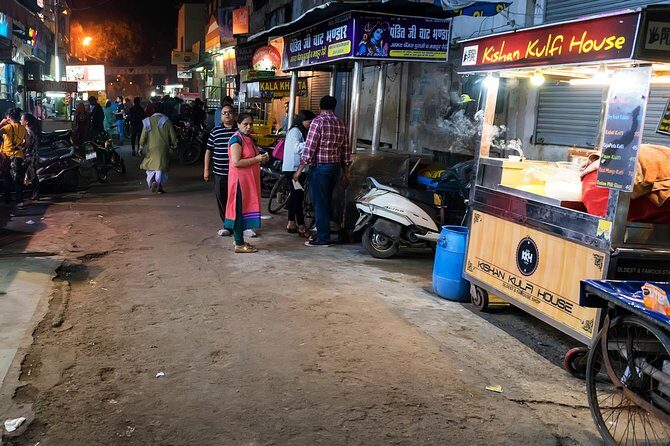
The best street-food experiences in Agra can be hard to replicate on your own. The lanes are tight, the menus can be confusing, and the difference between similar-sounding items matters. That’s why the tuk tuk ride between stops is more than a convenience. It keeps you from losing time and energy before the food begins.
Once you hit the market area, the guide becomes your cheat code. The tour is designed with you in mind: there’s no translation worry because your guide accompanies you to handle menus. And based on how the experience is described by past guests, guides also answer lots of questions and help you feel sure about what you’re eating.
You’ll also get the practical value of someone who knows where to go and how fast to move. A food crawl without a plan can turn into random snacks and a lot of missed choices. Here, the route is focused around places that make sense for a tasting route—so your time goes into learning flavors instead of wandering.
Keeper Landwey and Chaat Gali: Where Your Taste Buds Get a Map
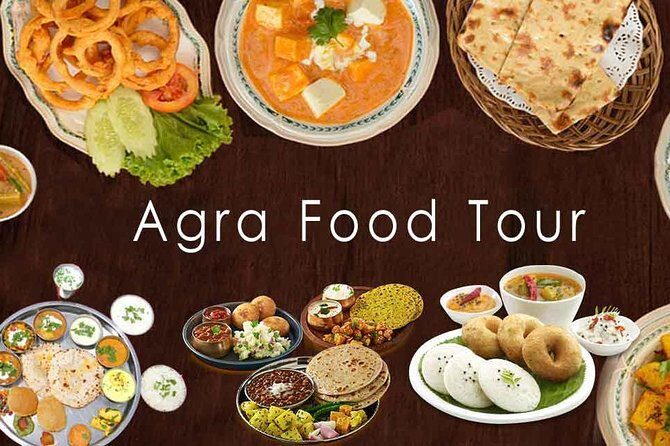
The heart of the tour is the food section around Keeper Landwey, in and around chaat gali—a street lined with chaat vendors. Chaat gali is basically your tasting classroom. Chaat is broad in India: it can mean crisp, tangy snacks, spicy potato-based plates, breads with chutneys, and quick bites that feel like they’re built for eating while standing.
You’ll get a mix of crowd-pleasers and classic Agra-style street flavors such as:
- Pani puri, with hollow fried crisp shells filled with potato, onion, and chickpeas, plus the kinds of tangy and spicy additions that make you keep chasing the next bite
- Aloo chaat, aloo tikki, and other potato-led snacks that balance crunch and seasoning
- Pav bhaji, which brings a warm, spiced mash moment into the mix
- Vada pav, a fried potato mixture with chutneys served on a bun
This is where the guide’s “personalize it” approach really matters. The tour is tailored based on your taste preferences and your level of adventure, which is useful if you’re curious but not trying to turn your stomach into an adventure park. If you want milder flavors or you’re cautious about spice, you can communicate that and the guide adjusts what you receive.
And if you’re worried you’ll miss something because you don’t know the right names, don’t be. The guide handles selecting and translating so you can just follow along and taste.
The Tastings: What You’ll Eat (and Why It Works in One Route)
This tour isn’t one snack and done. It’s built as a sequence of different textures and flavors, which keeps it interesting and stops you from getting tired halfway through.
Here’s how the tasting mix is likely to come together, based on what’s included:
- Savory street snacks like samosas and kachori, which bring warm, fried crunch and spiced fillings
- Fried-and-stuffed bites like pani puri and vada pav, which are hands-on and flavor-packed
- Chaat classics such as aloo chaat and aloo tikki, where the balance of seasoning and chutney does most of the magic
- Indian burger-style bites (like the vada pav category) that scratch the comfort-food itch in a local way
- Sweets that reset your palate, including jalebi and petha
That sweet pair—jalebi and petha—is a smart move. Jalebi is syrupy and crisp at the edges, so it provides a sticky-sweet contrast to all the spiced crunch. Petha, a local sweet often known for its mild sweetness and chewy feel, helps you slow down and appreciate dessert without it becoming too heavy.
You’ll also get samples across a range of vendors. That matters because street food varies block to block. If you try everything from one stall, your experience can feel one-note. Here, the guide takes you between spots so you get variety in a controlled way.
One more reason this works well: you’re not doing the meal planning. You’re just tasting a curated set of items. Even if you end up loving only one or two of the dishes, you still leave with a broader sense of what Agra street food is about.
You can also read our reviews of more food & drink experiences in Agra





Your Guide Matters More Than You Think
A food walk lives or dies on the guide. Not because they make it dramatic, but because they reduce your friction.
In the experience, you’ll have a professional tour guide who can:
- accompany you and handle menu translation
- answer questions as you go
- tailor tastings to your preferences and spice comfort
- help you navigate market pace so you don’t feel lost or pressured
One named guide that shows up in guest feedback is Sanjay Kesarwani, and that’s a good clue about what to expect: guests describe feeling safe, feeling confident about the food, and getting real guidance instead of a generic script.
You can also use the guide actively. If you’re curious about an ingredient, ask. If you want to swap a dish for a milder version, ask. This kind of tour is designed to respond, not just deliver.
And yes, safety matters in market areas. A guide’s presence makes a big difference: you’re not wandering on your own, and the food stops are chosen with order and timing in mind.
Price and Value: Why $31 Can Be a Win in Agra
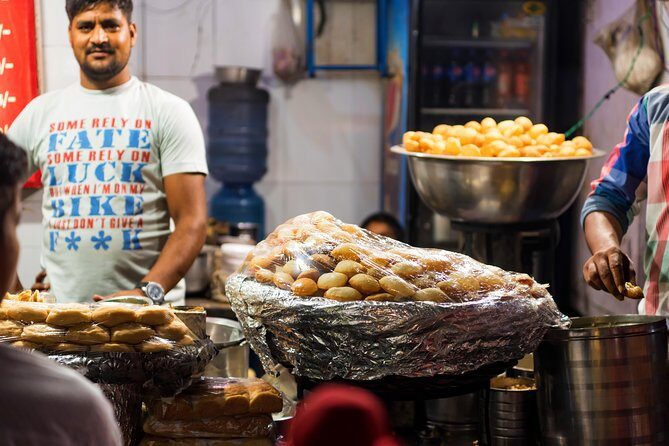
Let’s talk value without pretending it’s magic. $31 per person for about 2 hours is not “cheap eats” pricing. But it’s also not only paying for food. You’re paying for:
- Pickup and drop-off near Courtyard Marriott area
- Tuk tuk transport between stops
- A guide who translates and helps you choose
- Local bites across multiple stalls
- Bottled water
- Admission noted as free
If you were to recreate this on your own, you’d still need a guide-like solution for translation, plus transport time, plus the knowledge of which stalls are worth your appetite. That’s the difference here: you’re buying fewer decisions and less guesswork.
So for me, the value is greatest if you’re short on time, don’t speak Hindi, or you want a tasting that feels organized instead of chaotic.
If you’re already an expert street-food hunter and you’re comfortable navigating markets solo, you might not need as much guidance. But the translation support and tasting curation are the main reasons this tour works.
Who Should Book This Agra Walking and Tasting Tour
This is a good fit if you:
- want a food-first way to experience Agra in a short window
- like street food but don’t want to gamble on what to order
- appreciate pairing landmarks with everyday culture
- prefer a guide to handle navigation and translation
It’s also a solid choice if you’re traveling with limited time and want hotel convenience without paying separately for taxis.
You might want to rethink it if:
- you dislike walking or you’re dealing with mobility limits (it is a walking format)
- you strongly prefer full sit-down meals over tastings
- you have strict dietary requirements. The tour data says the guide tailors samples to tastes and adventure level, but it doesn’t spell out special dietary handling.
In those cases, you should still consider asking the operator ahead of time about how they handle restrictions, so you don’t end up stuck with choices that don’t fit your needs.
Should You Book It?
I’d book this if your goal is to eat well and understand Agra beyond the postcard spots. The blend of Lord Shiva temple, Jama Masjid, and then a guided run through chaat gali is a smart use of time. Add the tuk tuk transfers, the menu translation, and the fact that the tasting can be personalized, and you get an experience that feels efficient without being sterile.
Skip it only if you want a long, slow tour or you’d rather eat at one restaurant with a set menu. This one is for people who like variety, small bites, and learning by tasting.
If you book, show up hungry, wear shoes you can walk in for a couple hours, and don’t be shy about telling the guide what you like. That’s where the experience gets truly better than a standard food tour.
FAQ
How long is the Agra walking and tasting guided tour?
The tour lasts about 2 hours.
What is the pickup and drop-off location?
Pickup and drop-off are near 7. Amanat Manzil near Courtyard Marriott, Uttar Pradesh 282001, and the activity ends back at the meeting point.
What food and drinks are included?
The tour includes local bites in the market and a water bottle. Items mentioned include jalebi, pani puri, vada pav, samosas, kachori, and petha, among others.
Do I need help with language or ordering?
You don’t need to handle menus alone. A professional tour guide accompanies you to help with translation and ordering.
Is transport included?
Yes. You’ll use a local tuk tuk ride for transfers between stops.
Is the tour ticketing digital?
Yes. The tour includes a mobile ticket, and you receive confirmation at booking.
If you want, tell me your dietary restrictions or spice comfort level, and I’ll suggest how to frame that with the guide before you arrive.