REVIEW · AMRITSAR
6 Days Taxi Dalhousie Dharamshala Amritsar Tour
Book on Viator →Operated by Lion Tour & Travels · Bookable on Viator
Two mountains, one tight road trip.
This private taxi tour connects Dalhousie, Dharamshala, and Amritsar in one go, so you spend less time planning and more time seeing. I like that it’s structured around real places with clear time windows, and you get an air-conditioned vehicle that makes the long stretches feel manageable.
What I really like is the mix: you’re not only chasing views, you’re also moving through Sikh places of worship and a major colonial-era memorial. My only caution is that a couple of stops are listed with admissions separate from the package, and there’s no tour guide included, so you’ll want your driver to handle most on-the-ground context.
In This Review
- Key highlights you’ll feel on the road
- The big idea: a private taxi that stitches together two states
- Dalhousie: churches, Dainkund Peak, and Subhash Baoli
- Khajjiar: India’s Mini Switzerland feel, plus Kalatop’s green calm
- McLeod Ganj: Little Lhasa and the Tibetan government-in-exile
- Dharamshala Temple Loop: Tsuglakhang, Bhagsu Naag, and HPCA’s high cricket ground
- Wagah Border at evening: the Beating the Retreat ritual
- Golden Temple and Jallianwala Bagh: worship plus hard memory in Amritsar
- Price and what you’re really buying (up to 4 people)
- The driver experience: comfort, safety, and local know-how
- Who should book this tour, and who should skip it
- Should you book the 6-day taxi circuit?
- FAQ
- What time does the tour start, and where?
- Is this a private tour, and how many people are in a group?
- What’s included in the price?
- Do I need to pay admission at each stop?
- Is a tour guide included?
- What’s the cancellation policy?
Key highlights you’ll feel on the road
- Private group travel in an air-conditioned taxi, designed for up to four people
- Dalhousie hill-town stops like colonial-era churches, Dainkund Peak, and Subhash Baoli
- Khajjiar + Kalatop for the classic Mini Switzerland look and forest-and-peak scenery
- McLeod Ganj’s Little Lhasa vibe, tied to Tibetan culture and the government-in-exile
- Dharamshala Temple Loop plus Bhagsu Naag and HPCA’s high cricket ground
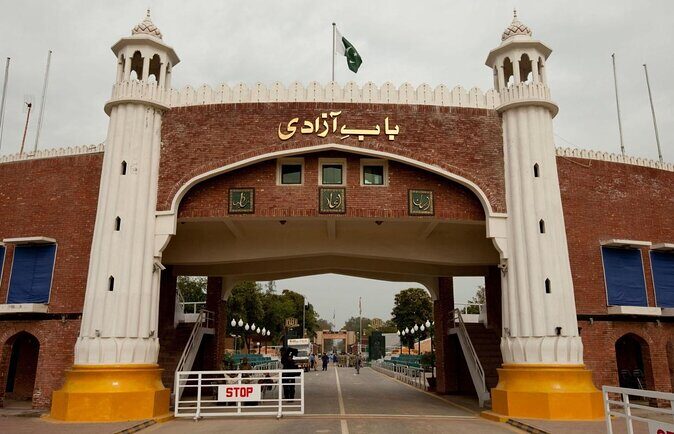
- Wagah Border ceremony with the evening drill and flag routine
The big idea: a private taxi that stitches together two states
This tour is built for people who don’t want to juggle buses, transfers, or separate bookings. You start in Amritsar at 9:00 am, then your taxi carries you north into Himachal Pradesh, before you return for two heavy, meaningful stops in Amritsar.
The payoff is that the itinerary moves logically. You’re not bouncing randomly across regions—you’re progressing through hill towns first (Dalhousie, Khajjiar, McLeod Ganj/Dharamshala), then ending with Sikh worship and a famous historical site.
For most people, the pace feels like a string of “out-and-back” excursions: arrive, see, walk around, take photos, then get back in the car. The one thing to be ready for is that road time is real on a 6-day circuit, and weather can affect how long you’ll want to linger at viewpoints.
A few more Amritsar tours and experiences worth a look
Dalhousie: churches, Dainkund Peak, and Subhash Baoli
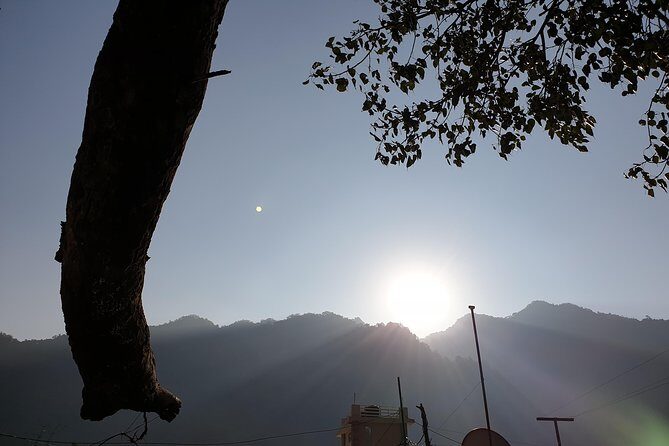
Day 1 is all about settling into Dalhousie’s hill-town world. It’s described as a high-altitude town spread across five hills near the Dhauladhar mountain range, which is why your day includes both architectural stops and short nature movements.
You’ll start with Dalhousie’s colonial-era buildings, including St. Francis and St. John’s churches from the 1800s. If you like travel that’s not just temples and forts, these churches add variety. They also give you a quick sense of the town’s layered past before you move into views and walking.
Next comes the Dainkund Peak trek to Pholani Devi Temple. This is the day’s nature-and-spiritual combo. It’s not framed as a long expedition, but it does mean you should wear shoes that work for uphill walking.
Then there’s Subhash Baoli, a quieter spot with pine trees and panoramic views to the north. If you’re the kind of person who likes to pause instead of rushing through photo stops, this is the portion where your schedule supports it. Admission for the Dalhousie stop is listed as free, which helps keep the day easy on the budget.
Practical consideration: if you’re sensitive to stairs or incline, the Dainkund Peak portion is the one to take seriously. Build in a slower pace so it stays enjoyable.
Khajjiar: India’s Mini Switzerland feel, plus Kalatop’s green calm
Day 2 splits into two very different “outside” experiences, both centered on what makes this region popular: scenic ridgelines, Himalayan views, and that postcard-green atmosphere.
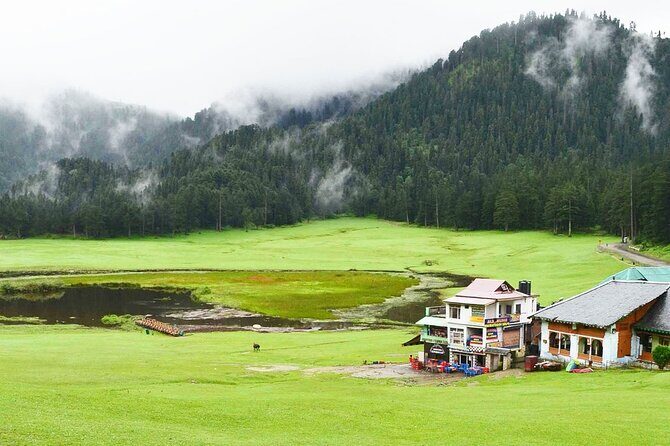
First is Khajjiar, often called India’s Mini Switzerland. The description you’re given is specific: Khajjiar is thought to be a glacial bowl formed in the last Himalayan ice age, with a lake that gradually withered away. That’s a fun mental model while you’re there—suddenly the scenery feels connected to geology, not just vibes.
You’ll have about 2 hours here, which is enough time to wander without turning it into a full hike day. If you want one day in the middle of the trip that feels light and easy, Khajjiar is that day.
Then you move to Kalatop Wildlife Sanctuary for around 1 hour. The focus here is “pristine” and green, with snow-capped Himalayan peaks in the mix. The only drawback is practical: admission is not included. So if you’re budgeting tightly, set aside a bit for that entrance fee.
How to make this day work for you: treat Khajjiar as your photo-and-stroll window, then switch gears for Kalatop. The sanctuary stop is shorter, so don’t expect it to replace a longer nature trek.
McLeod Ganj: Little Lhasa and the Tibetan government-in-exile

Day 3 gives you a cultural shift. McLeod Ganj is described as a suburb of Dharamshala in the Kangra district, and it carries a nickname: Little Lhasa (also written as Dhasa). It’s known for its Tibetan population, and the tour notes that the Tibetan government-in-exile is headquartered here.
That matters because it turns your time there into more than sightseeing. You’re walking through a place shaped by community life, not just architecture. Expect cultural rhythm: monasteries, Tibetan influence in daily life, and a sense of purpose that’s tied to the long arc of displacement and governance-in-exile.
The time window is about 2 hours, so I’d treat McLeod Ganj like a getting-your-bearings day. You’ll likely want to pick one or two anchors—then leave space to look around, rather than trying to tick off everything.
Tip from how the day is designed: keep your walking comfortable. A mid-trip cultural day works best when you’re not too tired from earlier hills.
Dharamshala Temple Loop: Tsuglakhang, Bhagsu Naag, and HPCA’s high cricket ground
Day 4 is where the itinerary becomes a full “Dharamshala experience,” mixing Tibetan religious space, an older temple stop, and a sports landmark.
First is the Dalai Lama Temple Loop. The temple highlighted is the Tsuglakhang Temple, described as a politico-religious center in Dharamsala. This is the anchor stop for Tibetan culture in your itinerary, and it’s listed with admission included and about 1 hour.
Next comes Bhagsu Naag Temple, about 3 kilometres from McLeod Ganj. The tour description emphasizes its setting—surrounded by lush greenery and pools. It’s also identified as one of the oldest ancient temples in the area. You’ll have about 2 hours, which makes it more than a quick photo stop.
Then you’ll head to Himachal Pradesh Cricket Association Stadium (HPCA), listed as one of the highest sports grounds in the world. It’s operated by the HPCA and serves as practice ground for the Indian cricket team, the Himachal Pradesh state-level team, and even an IPL team tied to Kings XI Punjab (as referenced in your trip notes). Admission is listed included, and you’ll have about 1 hour.
This day is powerful because it doesn’t force everything into the same category. You get religious space, a heritage temple feel, and a modern sports landmark in a single afternoon.
Possible drawback: Day 4 is packed. If you’re traveling with anyone who gets tired easily, you may want to keep a slower pace at the temple stops so the cricket stadium doesn’t feel like a rushed finish.


Wagah Border at evening: the Beating the Retreat ritual
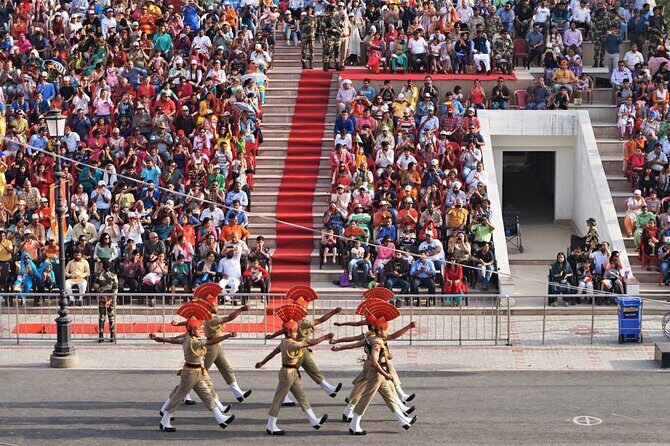
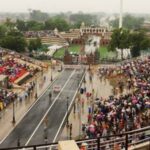
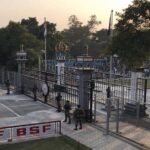
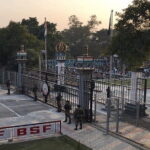
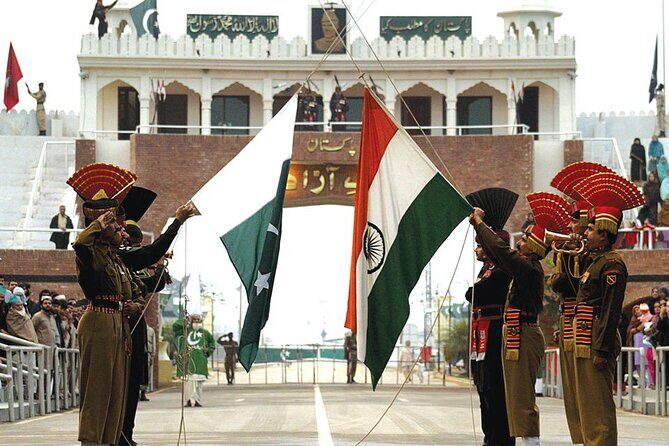
Day 5 is about one big evening event: Wagah Border. The feature described is the daily “Beating the Retreat” ceremony.
Here’s what the itinerary highlights as the core of the experience: soldiers from both sides march in perfect drill, including steps tied to bringing down national flags. As the sun goes down, the ceremony ends with lights switched on and thunderous applause.
The allotted time is about 5 hours, which is a clue that you’re not just watching from a platform for a few minutes—you’re building the day around this ceremony. For many people, that’s exactly the point. It’s a structured way to experience a charged public ritual without treating it like an add-on.
Consideration: this is an emotionally intense cultural spectacle. If you prefer quieter travel, this may feel more loud and theatrical than the hill-temple days before it.
Golden Temple and Jallianwala Bagh: worship plus hard memory in Amritsar
Your last day in Amritsar is heavy and meaningful, and the itinerary builds it with intent: start with the place of Sikh worship that anchors the city, then move to a memorial tied to colonial violence.
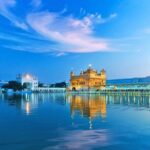
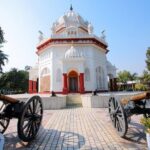
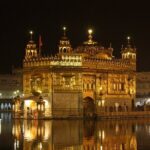
First is Golden Temple (Harmandir Sahib / Harimandir), also called Darbar Sahib. The notes you’re given explain why it matters: it’s described as the chief gurdwara and the Sikh faith’s most important pilgrimage site. You also get key origin details, including that the first Harmandir Sahib was built in 1604 by Arjan, placed on a lower level so everyone had to step down to enter, and with entrances on all four sides to signal openness to people of all castes and creeds. The foundation stone is described as being laid by Mian Mīr, a Muslim divine of Lahore. The temple was destroyed several times by Afghan invaders and was ultimately rebuilt in marble and copper.
You’ll have about 2 hours here, which is enough time to take in the scale and atmosphere without turning it into a race.
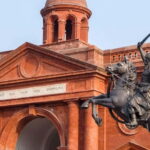
Then comes Jallianwala Bagh, remembered for the massacre ordered by General Dyer in April 1919. The tour data also notes the date was Punjabi New Year. It lists about 379 people killed and about 1,100 injured, and says a monument was built in 1951 to remember those who died.
This is not a stop you rush. The time allocation listed for Jallianwala Bagh is long, which supports a slower pace so you can read, absorb, and reflect.
Why this ending works: The tour starts with nature and Tibetan culture, then lands you in a place where faith and history sit side by side. That mix gives the trip emotional balance.
Price and what you’re really buying (up to 4 people)
The price is $382.72 per group, for up to four people, over about 6 days. In plain terms, you’re paying for a private car that covers a long-distance circuit and wraps in a lot of entry fees.
Here’s the practical value breakdown based on what’s included:
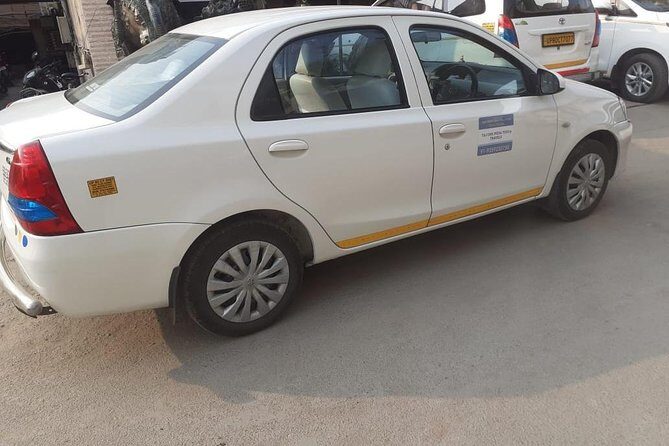
- Air-conditioned vehicle
- All fees and taxes
- Many listed admissions are included across the stops
What’s not included:
- Tour guide
- Kalatop Wildlife Sanctuary admission (explicitly noted as not included)
Also, it’s a private tour/activity, so it’s only your group. That matters because split-the-cost tours can create schedule friction. Here, your pace is yours.
Who this is best for financially: families or small groups of friends who can share the car. If you’re traveling solo, the cost-per-person climbs, but you still gain the convenience of door-to-door style movement with one dependable driver.
The driver experience: comfort, safety, and local know-how
Even though there’s no dedicated tour guide included, this kind of private taxi tour often works because the driver fills the gap: routes, timing, where to stop, and how to keep things smooth.
From the service quality shown in the experience notes, drivers are described as professional and helpful, including names like Sri Navtej Singh, Sarabjit, Malkeet Singh ji, and Gurpreet (associated with arrangement and cab coordination). The recurring theme is polite, cooperative, and well-informed driving, plus help around sightseeing flow, food, and shopping.
That’s a real advantage on a multi-state loop, because you’re dealing with long drives and several distinct stops. A steady driver reduces stress, and it helps you spend time where it counts.
What you can do: if you want more context at temples and ceremonies, ask your driver questions in the car. They’re often the best bridge between the route and what you’re seeing.
Who should book this tour, and who should skip it
This tour fits best if you:
- Want a single private car to connect Dalhousie, Dharamshala/McLeod Ganj, and Amritsar
- Like a mix of religion, culture, and nature in one trip
- Travel with a group of up to four, so you get value from sharing the taxi
You may want to consider a different option if you:
- Want a dedicated tour guide to handle history-heavy explanations at every stop
- Prefer a slower pace with fewer packed days (Day 4 and Day 5 are more intense)
Should you book the 6-day taxi circuit?
I’d book it if you want convenience without sacrificing variety. The combination of Hill India (Dalhousie, Khajjiar), Tibetan cultural heartbeats (McLeod Ganj), modern landmark viewing (HPCA stadium), and then the emotionally weighty end in Golden Temple + Jallianwala Bagh is a strong arc.
Book it with confidence if you’re traveling as a small group and you’re okay using your driver for context. Just budget for the one clear extra admission at Kalatop Wildlife Sanctuary, and keep your expectations realistic on days that are packed.
If that sounds like your kind of trip, this is a very practical way to see more of Punjab and Himachal in 6 days—without turning your vacation into a logistics project.
FAQ
What time does the tour start, and where?
The tour starts in Amritsar, Punjab, India at 9:00 am.
Is this a private tour, and how many people are in a group?
It’s a private tour/activity, and only your group will participate. The price is listed per group up to 4.
What’s included in the price?
Included items are air-conditioned vehicle and all fees and taxes.
Do I need to pay admission at each stop?
Most listed admissions are included, but Kalatop Wildlife Sanctuary admission is not included.
Is a tour guide included?
A tour guide is not included.
What’s the cancellation policy?
You can cancel for a full refund if you cancel at least 24 hours before the experience start time. If you cancel within 24 hours, the amount paid is not refunded.