REVIEW · NEW DELHI
4-Days Golden Triangle Tour {Taj Mahal at Sunrise}
Book on Viator →Operated by Tour Guide Delhi · Bookable on Viator
A sunrise over the Taj Mahal is hard to beat. This 4-day Golden Triangle run links Delhi, Agra, and Jaipur with a tight plan, a private guide, and an early start that puts you at the Taj Mahal before the day gets loud. I like that the tour builds in real structure: you see major UNESCO sites plus classic street scenes, then you sleep in a real hotel instead of hopping all night.
My favorite part is the Taj Mahal at sunrise, scheduled for 5:45 AM meet-up time with your guide. The other big win for me is how much you can cover with a private, chauffeur-driven AC vehicle plus a guide who can explain what you’re actually looking at, like Mughal architecture, Jaipur’s plan, and what makes the forts and observatory worth your time.
One thing to consider: monument entrance fees are not included, and the days are long. If you hate early mornings or you like slow travel, you may feel the pace.
In This Review
- Key things to keep in mind
- Why this Golden Triangle makes sense for first-timers
- Entering Old Delhi: Red Fort photo stop, Jama Masjid, Chandni Chowk by rickshaw
- Morning light at the Taj Mahal: what the 5:45 AM start changes
- Jaipur the practical way: Amber Fort, City Palace, Jantar Mantar
- Day 4: a clean exit back to Delhi (no extra detours)
- Guides and comfort: why this trip feels easy to manage
- Price and value: what $206.96 likely covers
- Who should book this 4-day Taj Mahal sunrise Golden Triangle
- Should you book it
- FAQ
- FAQ
- Which cities are included in the Golden Triangle tour?
- Is the Taj Mahal visit really scheduled for sunrise?
- What is the duration of the tour?
- Are hotel and breakfasts included?
- What type of transport is provided?
- Are entrance fees to monuments included?
- What pickup options are available?
- Is this a private tour?
- What happens on the last day?
- Can I get a full refund if I cancel?
Key things to keep in mind
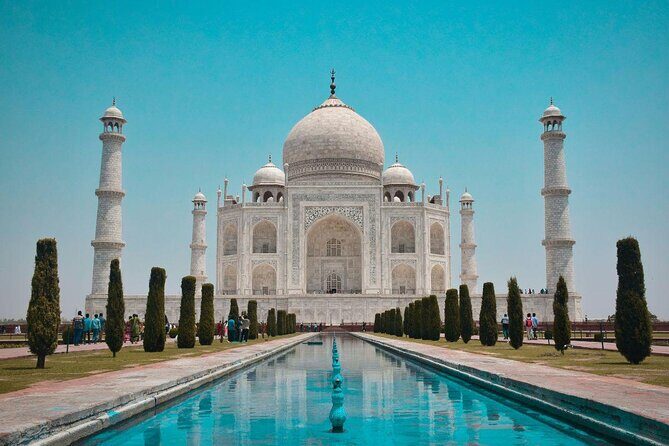
- Taj Mahal timing at 5:45 AM: you’ll need to be ready early, but the payoff is the morning light.
- Two guides in two cities: in Delhi, Vivek Handa is highlighted for being friendly and informative; in Agra, Dilip helps with Taj Mahal and Agra Fort.
- Entrance fees are extra: plan a daily budget for tickets once you see the sights.
- Long city days: Delhi and the forts days run about 8 hours, so wear comfortable shoes.
- Comfort details matter: bottled water and WiFi on board are included, plus pickup and drop-off.
- Hotels depend on your option: 3, 4, or 5-star stays are available if you choose that category.
Why this Golden Triangle makes sense for first-timers
The Golden Triangle (Delhi–Agra–Jaipur) works because it’s built around the big visual landmarks most people come to India for, without drowning you in logistics. In four days, you’re not just ticking boxes. You’re seeing how India changes by region: Mughal Delhi’s monumental Islam-influenced architecture, Agra’s imperial story, and Jaipur’s royal city planning.
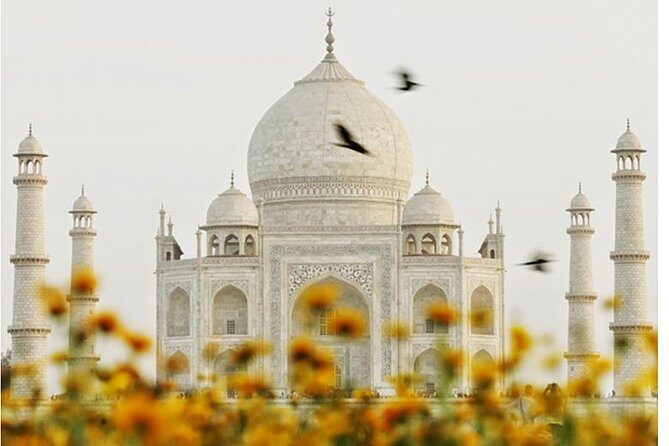
The standout move here is the sunrise Taj Mahal. Most visitors see it later, when crowds and heat push in fast. With a 5:45 AM meet-up and a guided visit right away, you’re more likely to get calmer viewing conditions and better photos. Even if you’ve seen the Taj Mahal in books, seeing it in early morning light hits differently. The marble looks less flat, shadows add shape, and the whole setting feels more controlled.
I also like that this tour mixes the major sites with lived-in street experiences. Delhi isn’t only forts and tombs. You get a Rickshaw ride in Chandni Chowk and stops that connect the city to modern India as well as Mughal-era power.
The only real caution is mental and physical pace. The schedule is efficient. That’s good value if you want momentum, but it’s less ideal if you want long afternoons free to wander without a timetable.
A few more New Delhi tours and experiences worth a look



Entering Old Delhi: Red Fort photo stop, Jama Masjid, Chandni Chowk by rickshaw
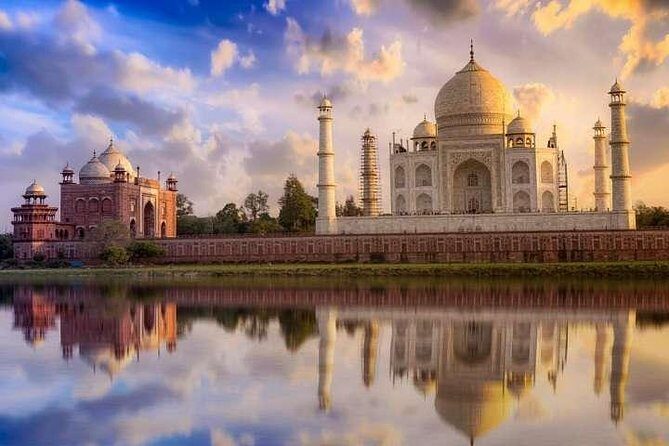
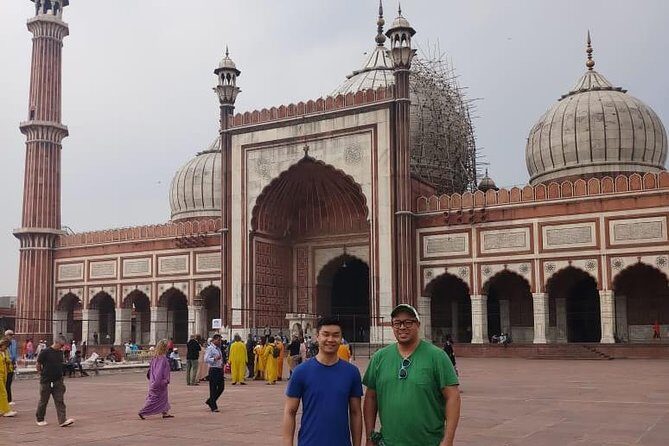
Day 1 is a real hit of Delhi, and it’s smartly sequenced. You start with a Red Fort photo stop, then go to Jama Masjid, described here as India’s biggest mosque. That pairing helps you understand the scale of Mughal Delhi: massive political power, then a grand religious space tied to everyday life.
After that, you head into Chandni Chowk for a rickshaw ride. This is the kind of experience that feels like a shortcut to understanding a city street culture—tight lanes, loud commerce, and constant movement. Even if you’re not shopping, the ride helps you get your bearings fast.
Next you shift into modern remembrance with a stop at Rajghat, the memorial linked to Mahatma Gandhi. It’s a different tone from the monuments, and it gives context for what “India” means beyond the imperial era.
Then Humayun’s Tomb appears on your path. It’s a UNESCO World Heritage Site, and it matters because it’s connected to Mughal imperial storytelling and the way they built their legacy into stone. From there, you move toward Qutub Minar, also UNESCO-listed, a 73-meter-tall minaret often called a victory tower.
You finish Day 1 with India Gate and a drive past the President’s House area (the Rashtra… residence). This end of the route is useful because it shows you the modern capital’s landmarks after the older layers.
What to watch for: Day 1 runs about 8 hours, and it can feel like nonstop sightseeing. If you’re prone to fatigue, plan to keep your water close and your shoes ready. Also note that admission tickets for monuments are listed as not included, so some parts of the visit may require extra ticket budgeting.
Morning light at the Taj Mahal: what the 5:45 AM start changes
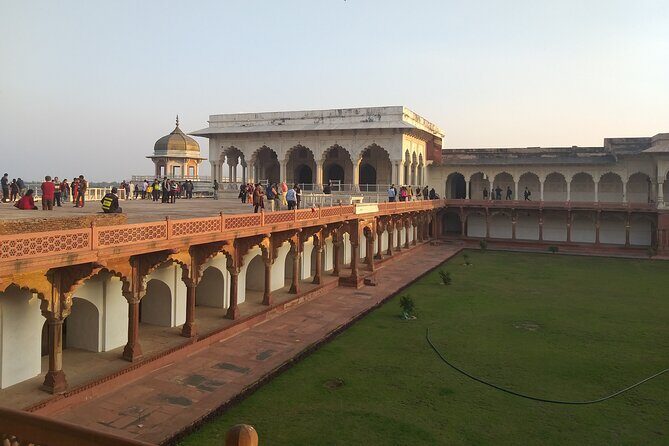
The heart of this trip is the Taj Mahal at sunrise. The schedule is clear: meet your private guide at the hotel lobby at 5:45 AM, then go straight for the visit. That early start is not just for photos. It changes the whole experience: softer light, fewer crowds, and a calmer atmosphere before the day fully wakes up.
Your guide will also tie the site to the story of Shah Jahan building it in memory of Mumtaz Mahal. Even if you already know the love-story basics, a guide can usually put structure around it—how the complex is designed, why it became such a lasting symbol, and what to pay attention to beyond the main view.
After the Taj Mahal, you head back for breakfast and time to freshen up. Then you check out and keep going. This is one reason the tour feels balanced: it doesn’t chain you into another long day without a break.
Next stop is Agra Fort, another UNESCO World Heritage Site. This fort matters because it connects to the Mughal emperors’ lives, and it’s described as the only fort in India where early Mughal emperors lived. That’s the kind of detail that makes your visit more than a photo-op.
Then you move toward Jaipur via Fatehpur Sikri. The plan includes a stop at Fatehpur Sikri, described as a beautiful and deserted medieval city. That word deserted is doing a lot of work. It’s a place where you can slow down a bit visually because you’re not constantly fighting for space, and the buildings can feel like they belong to another era.
Day 2 is also about transition. You’re moving from early morning marble into fort walls, then into an in-between stop before Jaipur. It’s long, but it keeps the story moving forward instead of repeating the same type of sight.
Jaipur the practical way: Amber Fort, City Palace, Jantar Mantar
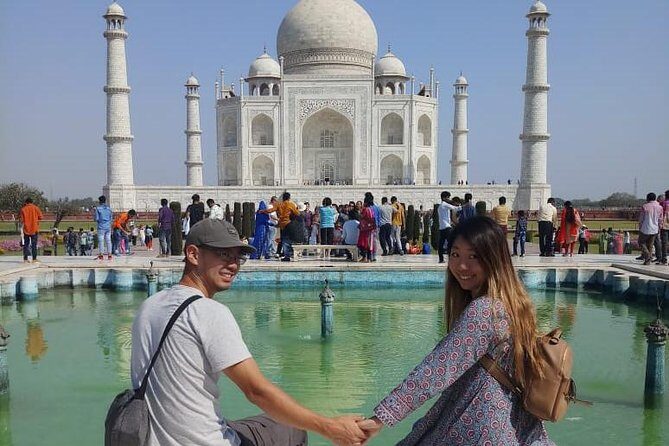
Jaipur is called the Pink City, and here you’ll see why. The tour explains that Jaipur was founded in 1727 by Maharaja Sawai Jai Singh II and was the first planned city in India. It also notes the city was painted pink to honor Prince Albert’s visit in 1882. Even if you only catch glimpses from the road and viewpoints, that planning detail helps you read the city instead of just staring at pretty facades.
After breakfast, you head to Amber Fort. This complex is described using pale yellow and pink sandstone and white marble, split into main sections. You’ll also get a Jal Mahal photo stop, which is useful because it shows you the fort and palace style from the scenic angle most people recognize. Photo stops are a trade-off: you may not have time to wander deeply there, but you do get a quick visual anchor.
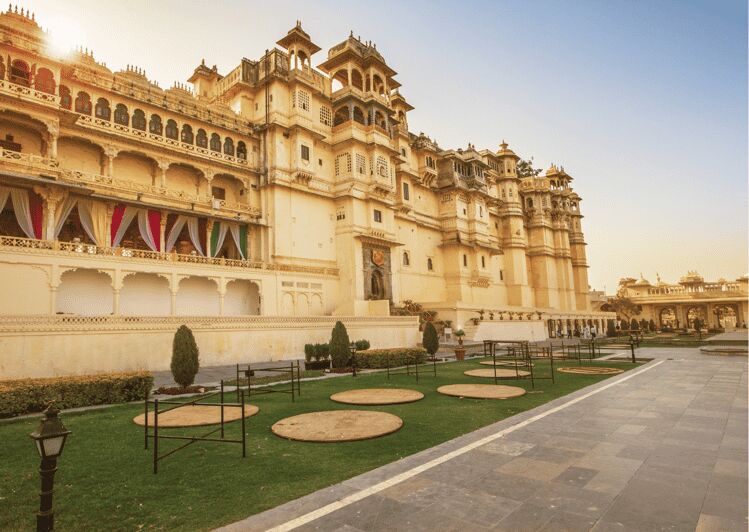
Then the tour focuses on the royal seat: City Palace of Jaipur. It’s noted to include Chandra Mahal and Mubarak Mahal palaces and to be the seat of the Maharaja of Jaipur. City Palace visits work best when you treat them as a mix of architecture and status—where design signals power, and where rooms and courtyards explain how rulers lived.
Next comes Jantar Mantar, a collection of nineteen astronomical instruments. The highlight mentioned is the world’s largest stone sundial. This is a great stop if you like science built into everyday observation. It’s also a nice contrast after the forts and palaces: fewer “look at the weapon” vibes, more “how did they measure time and the sky” thinking.
Day 3 runs about 8 hours, so it’s another full day. The sites are dense, but the sequence makes sense: forts first (big views and terrain), then palaces (power and design), then instruments (intelligence and measurement).
Entrance fees are again not included, so budget for tickets in advance so you don’t hit surprise costs mid-day.
Day 4: a clean exit back to Delhi (no extra detours)
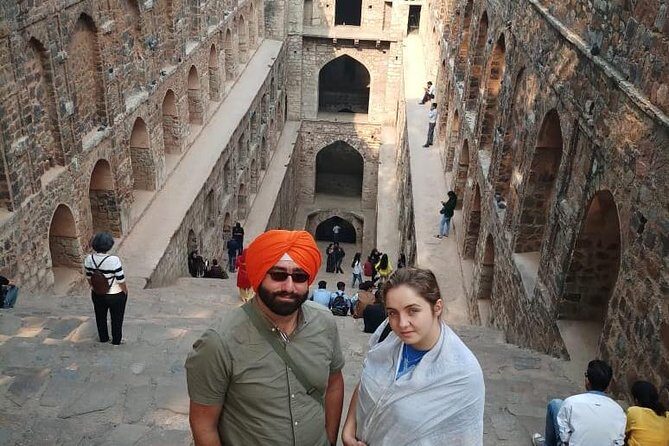
Day 4 is essentially the handoff back to reality. After breakfast, you travel from Jaipur to the airport or your onward destination in Delhi. The plan lists it as about 5 hours / 270 km.
This matters because some Golden Triangle tours try to squeeze in one last major sight on the way out. Here, you get a straightforward transfer, which is a real quality-of-life benefit. It also means you can choose flights without worrying about losing the last day to another round of ticket lines.
If you’ve got an evening flight, you’ll still want to keep an eye on local traffic timing, but the itinerary gives you the basic travel window.





Guides and comfort: why this trip feels easy to manage
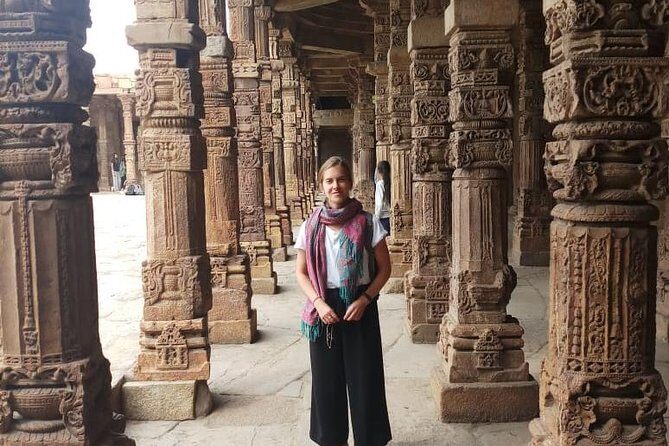
This is a private tour, so the pacing is set around your group, not a mass schedule you can’t escape. Your transportation is a private air-conditioned car with a driver, and the trip includes packaged drinking water and WiFi on board. Those details might sound small, but they help when you’re switching cities fast and temperatures can climb.
The guide component is where the experience often turns from sightseeing into learning. The reviews highlight Vivek Handa in New Delhi as especially helpful and entertaining, with strong knowledge and good communication. They also mention he recommended restaurants and shopping areas, and that he took people to clean and safe places. In Agra, Dilip is singled out for taking care around Taj Mahal and Agra Fort.
That kind of guide matters because it can change what you notice:
- You’ll understand why buildings were placed where they were.
- You’ll know which angles are worth your time.
- You’ll avoid wasted effort on spots that are less interesting than they look from the map.
Also, your tour includes a packaged structure: hotel, breakfast, and transport are part of the deal. That’s valuable if you don’t want to piece together a Delhi–Agra–Jaipur plan on your own.
Price and value: what $206.96 likely covers
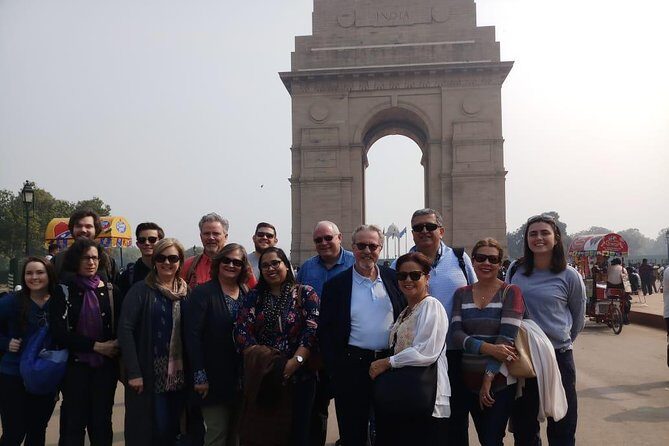
At $206.96 per person, this is positioned as a budget-friendly way to do a classic India sampler with a private guide and AC transport. The key value isn’t only the sightseeing. It’s the fact that most heavy lifting is included:
- private car with driver
- sightseeing with a private professional guide
- 3 breakfasts
- bottled water and WiFi on board
- hotel nights if you pick the 3, 4, or 5-star option
What’s not included is monument and camera/entrance fees and gratuities. Since those tickets can add up across several major sites, I suggest you treat the listed price as the framework, then add your ticket budget on top.
Another value point: the tour is built for first-timers who want a clear route. You’re not spending time figuring out train timings, intercity transfers, and local navigation for each city. You pay for that convenience, and the trade is you give up a bit of freedom.
If you’re traveling as a couple or a small group, the private guide experience can feel like better value because the per-person cost can make sense against doing multiple separate tickets and transfers on your own.
Who should book this 4-day Taj Mahal sunrise Golden Triangle
This tour fits best if you:
- want a classic Delhi–Agra–Jaipur overview in a short time
- like the idea of an early start to beat crowds for the Taj Mahal
- prefer a private guide to explain what you’re seeing
- care about comfort during long travel days (AC vehicle, water, WiFi)
It may not fit if you:
- hate early mornings (the Taj Mahal meet-up is 5:45 AM)
- want lots of unscheduled free time in each city
- dislike paying extra for entrance tickets and want everything prepaid
A practical tip: bring comfortable shoes, dress for early mornings, and plan a ticket budget before you go. If you do that, the schedule becomes far less stressful.
Should you book it
I’d book this if you want a clean, structured Golden Triangle tour with the one thing many people struggle to nail on their own: the Taj Mahal at sunrise plus a guided run through Delhi and Jaipur’s major sights. The private guide quality is a big plus, especially with names like Vivek Handa and Dilip appearing in the experience feedback.
If you’re traveling with flexibility and you’re okay adding monument tickets on top of the base price, this is a strong way to get the story of three cities without wasting days on transport logistics.
FAQ
FAQ
Which cities are included in the Golden Triangle tour?
The tour covers Delhi, Agra, and Jaipur as a classic Golden Triangle route.
Is the Taj Mahal visit really scheduled for sunrise?
Yes. You meet your private guide at the hotel lobby at 5:45 AM for the Taj Mahal sunrise visit.
What is the duration of the tour?
It’s listed as 4 days (approx.) with 3 nights across the cities.
Are hotel and breakfasts included?
Breakfast is included 3 times during the tour. Hotels are included depending on the option you choose (3, 4, or 5-star).
What type of transport is provided?
You travel by a private air-conditioned car with a driver.
Are entrance fees to monuments included?
No. Camera/Monument entrance fees are not included, and gratuities are also not included.
What pickup options are available?
Pickup is offered from the Delhi Airport, hotel, railway station, or your desired location in Delhi/Noida/Gurgaon.
Is this a private tour?
Yes. It’s described as a private tour/activity, meaning only your group participates.
What happens on the last day?
You’ll be driven from Jaipur to Jaipur airport or Delhi airport (about 5 hours / 270 km) for your onward journey, or to your desired location.
Can I get a full refund if I cancel?
You can cancel up to 3 days in advance of the experience start time for a full refund.