REVIEW · CHENNAI
2 day Chettinad tour from Chennai to Palatial mansions with Guide by flight
Book on Viator →Operated by 5 Senses Walks · Bookable on Viator
Cave art and traders’ palaces in two days. This Chettinad-focused break from Chennai strings together Sittanavasal, a Jain rock-cut cave with mural work that dates back around 2,000 years, plus the showpiece Chettinad palatial mansions built by the region’s trading families. I especially like how the schedule doesn’t just list monuments; it links them to how people lived, prayed, and made fortunes.
The main thing to watch is the pace. You’re on a flight-based itinerary with an early start, and that kind of tempo works best if you like moving every day rather than lingering at each stop.
In This Review
- Key Highlights Worth Planning For
- Price and Logistics (What You Get for $426.67)
- Meeting Chennai at 6:30 am: How the Day Starts
- Day 1 in Trichy: Sittanavasal Cave Temple and Kudumiyanmalai
- Rock-Cut Jain Monastery at Sittanavasal (Sittanavasal Cave)
- Kudumiyanmalai Temple: The 1,000-Pillared Hall
- Day 2: Chettiar Palatial Mansions and Thirumayam Fort
- Kanadukathan Mansions: Natukottai Wealth in Stone
- Athangudi: More Palaces, Another Trading Lens
- Thirumayam Fort: A Ring of Walls and a Freedom-Fighter Story
- Flights Back to Chennai: Finishing the Route
- What Makes This Tour Work (And for Who)
- Practical Tips That Will Save Your Day
- Should You Book This Chettinad Tour?
- FAQ
- What is the duration of the Chettinad tour?
- What cities and sites are included?
- Are flights included?
- Does the tour include pickup?
- What are the admission ticket details?
- Is this tour private?
- What if the weather is bad?
Key Highlights Worth Planning For
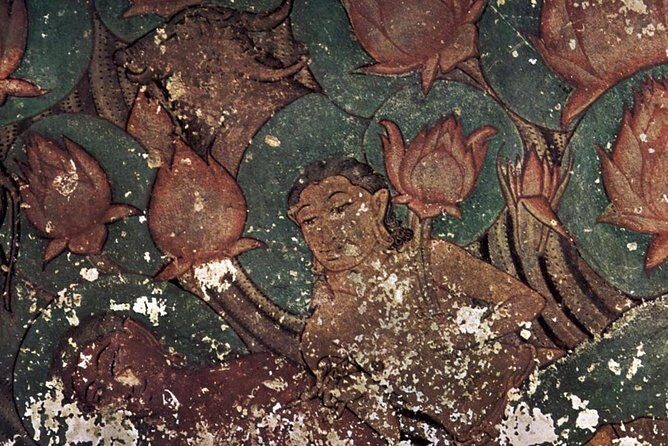
- Sittanavasal’s Jain cave murals and special acoustics that help sound carry during meditation moments
- A steep climb to seventeen rock-carved beds, including a raised end meant for a pillow
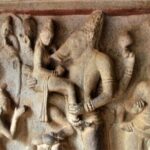
- Kudumiyanmalai’s 1,000-pillared hall with stand-out sculptures like Rati and Manmadha and a dancing Shiva
- Chettiar mansion visits in Kanadukathan and Athangudi, tied directly to old trade routes across South and Southeast Asia
- Thirumayam Fort as a freedom-fighter stage, including the story of Veerapandi Kattabomman and British-era use during conflict
Price and Logistics (What You Get for $426.67)
At $426.67 per person for a 2-day route, this isn’t a budget day trip. The value comes from three built-in costs you would otherwise have to manage yourself: flights, a guided itinerary, and most admissions (with some stops being free). You also get pickup offered, a mobile ticket, and a private setup where it’s only your group.
The other “logistics reality” is the timing. Your day starts early (meeting point at 6:30 am), and Day 1 includes a flight from Chennai with arrival in Trichy by late morning. Day 2 ends with a flight back to Chennai in the evening. If you’re traveling with a strong preference for slow sightseeing, you may feel a little rushed. If you like efficient route planning, this format makes sense.
Weather matters too. The experience notes it requires good weather, and if it’s canceled due to poor conditions, you’ll be offered a different date or a refund. That’s especially relevant because parts of the visit involve walking and climbing.
You can also read our reviews of more guided tours in Chennai


Meeting Chennai at 6:30 am: How the Day Starts
This tour is built around an early start, with the meeting point at 6:30 am and pickup offered. Practically, that means you should be ready for an organized morning rather than a casual start.
Why that matters: once the flight and sightseeing windows are locked in, the group moves like a train schedule. The advantage is that you get daylight for the key sites and still make the evening flight on Day 2.
Day 1 in Trichy: Sittanavasal Cave Temple and Kudumiyanmalai
Rock-Cut Jain Monastery at Sittanavasal (Sittanavasal Cave)
Sittanavasal is the headliner on Day 1. You’ll visit a cave monastery linked with Jain monks, with murals that are described as dating back around the 2nd century and with ceiling decoration attributed to later work around the 7th century. What makes this stop feel different from a typical temple visit is the way the cave is designed to be used.
The murals are made with vegetable and mineral dyes, which gives the art a handmade, grounded look. Even if you only spend time reading the main panels, the overall effect is that the cave isn’t a museum object—it’s a place built for worship and concentration.
Then there’s the cave’s sound. The acoustics are part of the experience: a mild hum can resonate and help monks focus. One review-related detail that’s useful for you: if you try sound in very low frequencies, you may notice extra resonance. You don’t need to do anything theatrical—just know the cave is engineered so that sound behaves in a special way.
After the cave floor visit, there’s a steep climb to the top of a hillock. The payoff is the view and the rock-cut devotional feature: seventeen polished beds carved into the rock. These were used by Jain ascetics since the 3rd century, and the beds have a raised portion at one end that functions like a pillow. It’s one of those small architectural details that makes the site feel lived-in, not just carved.
Admission is included here, and the time block is generous enough to look closely, not just rush past.
What to keep in mind: wear shoes you trust on uneven stone. The climb is described as steep, and this is one of those parts where comfortable footing matters more than fashion.
Kudumiyanmalai Temple: The 1,000-Pillared Hall
After Sittanavasal, the tour moves to Kudumiyanmalai Temple, a site with layered South Indian temple connections. The temple is attributed to the Cholas, with renovation by the Pandyas in the 13th century. That combination matters because you can often spot changing styles in sculpture and hall design over time, and this complex is famous for its hall architecture.
The big draw is the main hall with about 1,000 pillars. Even when you don’t count them, you get the sense of scale. The structure creates a rhythmic visual field, and it’s the kind of space where the carvings on columns feel intentional, not decorative.
Two sculpture elements are worth attention during your visit:
- Rati and Manmadha, described as a standout masterpiece
- Shiva in a dancing pose, another highlight within the complex
Admission is included, and the stop length is about an hour, which is enough to see the main hall atmosphere and pick out a few key sculptures without exhausting yourself.

Day 2: Chettiar Palatial Mansions and Thirumayam Fort

Kanadukathan Mansions: Natukottai Wealth in Stone
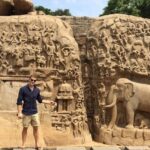
Day 2 shifts from cave and temple to the region’s trader-built wealth. You’ll drive about 45 minutes to Kanadukathan, where the focus is the palatial residences of the Chettiar community.
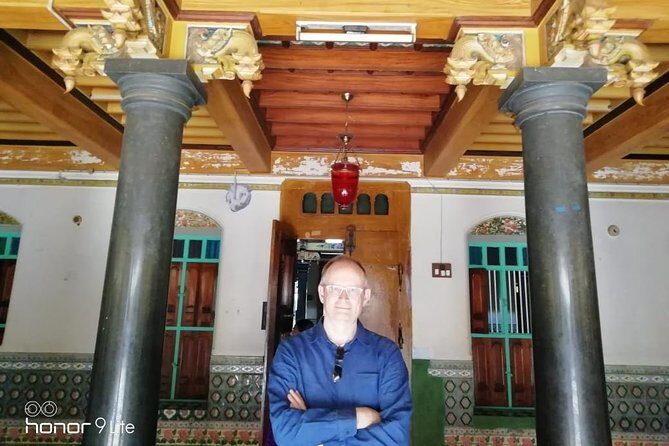
Here’s what I like: the mansions aren’t treated as random sightseeing stops. They’re presented as products of trade. The Chettiars built these residences after profits from commerce, including trade in items like salt and gems, with connections reaching toward Burma, Malaysia, and Singapore.
Historically, these residences were also called Natukottai or regional forts. That label is useful because it tells you what to look for: the scale, the fortified feel, and the sense that these homes protected both family and status.
Your visit includes a couple of mansions for about an hour. That’s a good amount of time because it helps you compare layouts and styles without turning the day into a marathon.
Admission is listed as free for this stop.
Athangudi: More Palaces, Another Trading Lens
Next up is Athangudi, another area strongly linked to the Chettiar trading network. This region is described as famous for business that expanded across South and Southeast Asia, including places like Myanmar, Malaysia, Singapore, Indonesia, Vietnam, and the Philippines.
As with Kanadukathan, the mansion story is the point. Some residences were extremely large, with one reference describing sizes up to around 70,000 sq ft. Even if you don’t see something that exact size, that number sets expectations: these were not modest homes.
Your stop runs about 1 hour 30 minutes, and you’ll visit a few mansions. If you go in expecting straight “architectural photos,” you may miss the better layer. Pay attention to how the traders’ income translated into space planning, rooms, and the overall statement the buildings make.
Admission is listed as free here too.
What to keep in mind: you’ll be in and around buildings, so keep an eye on the temperature and humidity. The tour plan assumes you’ll move steadily rather than sit for long periods.
Thirumayam Fort: A Ring of Walls and a Freedom-Fighter Story
The last big historical stop is Thirumayam Fort, tied to the independence struggle and conflict with British forces. The fort was built in 1687 AD by Sethupathy Vijaya Ragunatha Thevar. It’s described as ring-shaped, with seven concentric walls around a broad moat. This design is dramatic in plan and makes the fort feel like a system, not a single wall.
The fort’s story includes multiple time periods:
- It was significant during the Polygar Wars
- During World War II, it was used as an arsenal by the British army
- It served as a hideout for Veerapandi Kattabomman, a freedom fighter who resisted the British
Your guide’s narration is part of the experience here. This is one of the stops where a guided retelling changes the feel of the ruins. You’re not only looking at stones; you’re following how the fort functioned during conflict and how that shaped local memory.
Admission is included for this stop, and the timing fits with the evening flight from Trichy back to Chennai.
Flights Back to Chennai: Finishing the Route
Day 2 ends at 8:00 pm with a flight from Trichy to Chennai, arriving around 9:00 pm. That means you’re sightseeing during daylight and not stuck late in traffic.
From a planning perspective, that’s convenient if you’re continuing your trip after returning to Chennai. Just don’t treat the evening as “free”—you’ll want to be ready to head to the airport on time.
What Makes This Tour Work (And for Who)
This tour works best if you like travel that links sites together by theme: faith and art, then temple culture, then trader power, then fortress-era resistance.
The most praised parts from the experience are easy to understand:
- Sittanavasal is repeatedly singled out for its Jain murals and its unusual acoustics, including that sense of sound carrying in a way that feels built for contemplation
- The overall route gives a time-travel feel across multiple eras, not just one “quick hits” list
- The Chettiar mansions add a strong human layer because they explain how wealth from trade shaped architecture
This is a good fit for:
- People who enjoy history that’s still visible in stone and walls
- Travelers who don’t mind an early start if it buys efficient sightseeing
- Anyone who wants more than a temple circuit and is curious about how communities lived and built
It may feel less ideal if:
- You hate climbs and uneven paths (there is a steep climb at Sittanavasal)
- You want maximum free time in each location (the plan is structured and timed)
Practical Tips That Will Save Your Day
- Wear sturdy shoes. The climb at Sittanavasal is part of the main experience.
- Keep your expectations flexible on Day 2. Mansion visits can vary in how much you can walk comfortably inside.
- Bring a light layer and water. Temple complexes and fort areas can feel warm, and you’ll be outside during key blocks.
- When you’re in the cave, treat sound as part of the story. You don’t need to test it hard—just know the acoustics are a feature, not a coincidence.
Should You Book This Chettinad Tour?
If your goal is two days of meaningful Tamil Nadu monument-hopping—cave art, a pillar hall temple, trader mansions, and a fort tied to real resistance—this is a strong choice. The flights and guide remove the hardest planning friction, and the itinerary covers themes you don’t always see in one tight route.
I’d book it if you’re excited by the idea of connecting places: Jain ascetics in Sittanavasal, sculpted devotion at Kudumiyanmalai, and the Chettiar trading world made visible through mansion design, all capped with Thirumayam Fort’s layered conflict history.
I’d skip or reconsider if you want slow travel, minimal walking, or a schedule that leaves room for long, unstructured breaks. This one is designed to move.
FAQ
What is the duration of the Chettinad tour?
The tour runs for approximately 2 days.
What cities and sites are included?
You’ll visit Sittanavasal and Kudumiyanmalai on Day 1, and Kanadukathan, Athangudi, and Thirumayam Fort on Day 2, with travel between Chennai and Trichy by flight.
Are flights included?
Yes. The itinerary includes flying from Chennai to Trichy on Day 1 and flying from Trichy back to Chennai on Day 2.
Does the tour include pickup?
Pickup is offered, and the meeting point time is listed as 6:30 am.
What are the admission ticket details?
Admission is included for Sittanavasal and Kudumiyanmalai. Kanadukathan and Athangudi are listed as free. Thirumayam Fort includes an admission ticket as well.
Is this tour private?
Yes. It’s described as a private tour/activity, with only your group participating.
What if the weather is bad?
The experience requires good weather. If it’s canceled due to poor weather, you’ll be offered a different date or a full refund.