REVIEW · JODHPUR
Tour Guide for Jodhpur
Book on Viator →Operated by Walk in Blue City · Bookable on Viator
Jodhpur makes sense fast with the right guide. This private half-day route connects the big sights—Mehrangarh Fort Museum and Toorji Ka Jhalra stepwell—with plain-English context and stories that make the city feel logical, not random. Guides like Tarun and Mahaveer Singh are singled out in feedback for tailoring the pace and talking through art, history, and culture in English or even Italian.
I love that the tour is private, so you can ask questions and slow down when something grabs you. I also like the mix of “wow views” (fort and marble memorial) with practical, everyday Jodhpur energy at Ghanta Ghar and the local marketplace. One thing to consider: not every stop’s admission is listed the same way, so you’ll want to double-check which entry fees are included for Mehrangarh and Jaswant Thada before you arrive.
In This Review
- Key highlights you’ll actually feel
- Where you start: Mehrangarh Fort, right where the story begins
- Inside Mehrangarh: courtyards, palaces, and royal details
- Toorji Ka Jhalra stepwell: water infrastructure with a wow factor
- Ghanta Ghar and local market time: a quick dose of real streets
- Rao Jodha Park: a breather between monuments
- Jaswant Thada: the white marble memorial you’ll want to slow down for
- The private guide factor: pace, language, and smart questions
- Price and value: is $25 per person a bargain?
- What to bring and how to plan a smooth half day
- Should you book this Jodhpur private guided tour?
- FAQ
- How long is the Jodhpur private guided tour?
- Is this tour private or shared?
- What languages are available?
- Where does the tour start and end?
- What does the ticket cost?
- Is the tour admission included?
- What’s included in the tour price?
- What isn’t included?
- Do I need to buy a paper ticket?
- What happens if weather is bad?
Key highlights you’ll actually feel
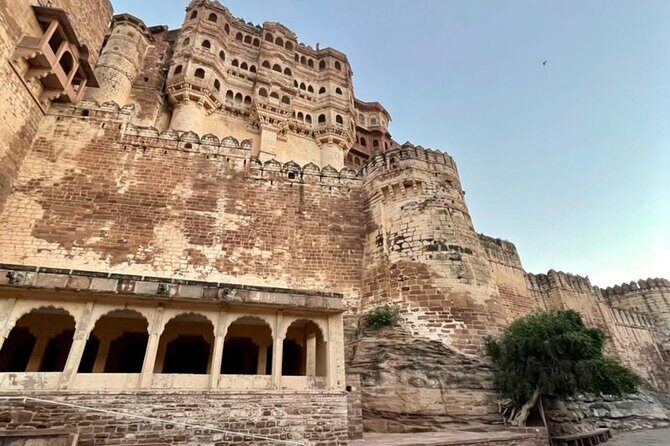
- Mehrangarh Fort Museum: courtyards, rooms, palaces, and royal collections explained in real context
- Toorji Ka Jhalra stepwell: an 18th-century water system stop that turns architecture into a story
- Ghanta Ghar + market time: quick local browsing without turning the day into a shopping chore
- Jaswant Thada: white marble memorial design, built to honor Maharaja Jaswant Singh II
- Private guide pacing: conversations + custom angles, not a rushed script
- Mobile ticket: a simple, modern way to handle your entry info on the day
Where you start: Mehrangarh Fort, right where the story begins
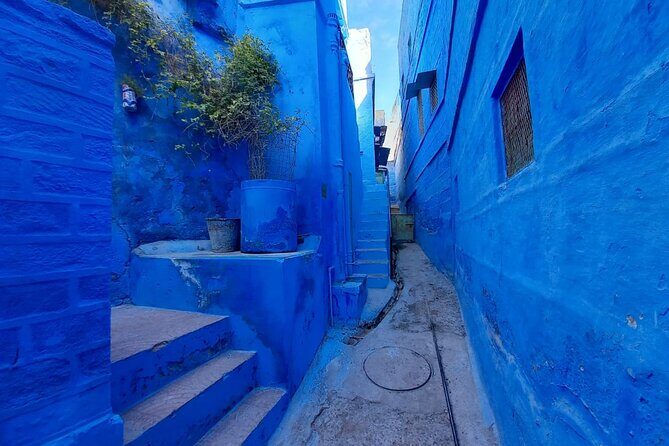
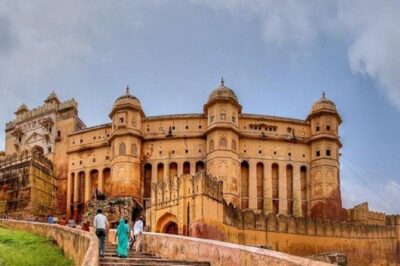
Your tour starts at Mehrangarh Fort area (Sodagaran Mohalla). This matters because Mehrangarh isn’t just a landmark—it’s the backbone of how Jodhpur grew and how power was displayed. When you start here, the rest of the city stops feeling like separate attractions and starts feeling like one connected place.
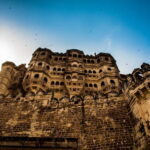
Mehrangarh Fort was built in 1459 by Rao Jodha, and on this tour you’ll see how that legacy plays out inside the museum. Expect time spent walking through courtyards and inside spaces that were once royal rooms and palaces. You’ll also get pointed attention to special collections, including royal palanquins and cradles, plus highlights like a conference hall and a dancing room. Even if you’re not a museum person, these details help you picture daily court life instead of just reading a sign.
What to watch for: the fort experience is visual and physical. You’ll want good walking shoes, and you’ll probably want to slow down when your guide flags something small—doorways, room layouts, or the purpose of a particular space. This tour is set up so you can move at a human pace, not a cattle-car pace.
You can also read our reviews of more guided tours in Jodhpur


Inside Mehrangarh: courtyards, palaces, and royal details
Mehrangarh Fort Museum is the main “time chunk,” with about two hours on the clock. That’s a good amount for a half-day visit because you can actually understand what you’re looking at, not just snap photos and hope it makes sense later.
Here’s what the fort visit gives you in practical terms:
- You see the layout of royal life: courtyards connect spaces; rooms weren’t random.
- You get visual reminders of status, not just stories. Royal palanquins and cradles are the kind of artifacts that turn “history” into something you can picture.
- You hear how Rajasthan’s Rajput era shaped power and culture, framed in everyday human terms.
One advantage of having a guide for the museum is that the place can feel overwhelming on your own. Mehrangarh is big. A guide can help you choose what matters most—especially if you only have a half-day.
Toorji Ka Jhalra stepwell: water infrastructure with a wow factor
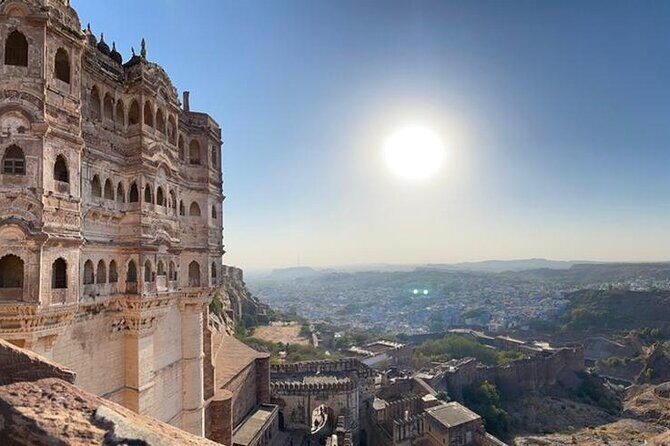
Next comes Toorji Ka Jhalra, sometimes described as 18th-century and tied directly to how the city managed water. The big lesson here is that stepwells weren’t just “pretty architecture.” They were practical reservoirs—built so people could access water when they needed it.
You’ll spend around 25 minutes at this stop. It’s a short visit, but the value is high because it changes how you see Jodhpur. Rajasthan is often framed in terms of forts and palaces. This stop forces a different perspective: engineering, survival, and community planning.
Also, the tour lists admission for this stop as included. That’s helpful if you’re trying to keep the cost and paperwork simple.
Practical tip: if the light is good, take a moment to look down into the stepwell structure rather than only across it. Your guide can point out what to notice, like how the steps functioned and why the design mattered for a whole city.
Ghanta Ghar and local market time: a quick dose of real streets
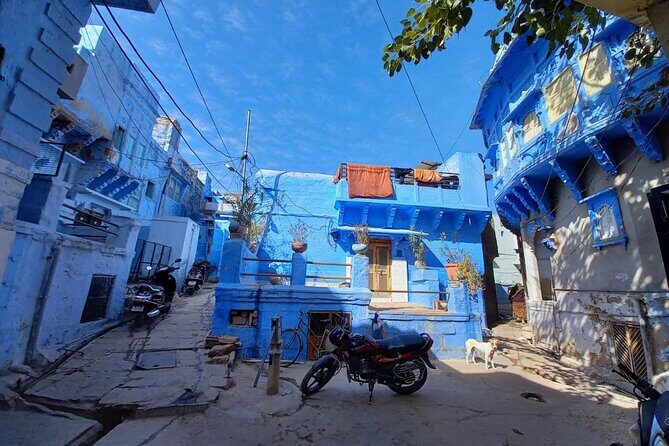
After the fort-and-water contrast, the tour moves to Ghanta Ghar and a local marketplace area. You’ll have about 30 minutes here, and the admission is listed as free for this segment.
This is the part that usually feels most “Jodhpur,” because it’s not staged like a museum. It’s everyday life: shops, movement, and the rhythm of local commerce. And because the tour time at the market is capped, it won’t eat your whole day.
What I like about this setup is that it balances the heavy sights with something lighter. If you love food, you’ll appreciate that the same guide energy that explains forts can also help you find what’s worth trying nearby—especially when you want snacks without overthinking it.
Consideration: the market is where you’ll feel the heat and crowds most (depending on the time of day). Wear something comfortable and plan on taking breaks if you need them.
Rao Jodha Park: a breather between monuments
The itinerary includes a stop at Rao Jodha Park. You don’t get a lot of time specified here, but a park pause can be a smart reset in a half-day schedule. It helps you recover between major monuments and re-center your attention before the final marble memorial.
Even without a long stay, a park stop is useful because it gives you space to catch your breath, grab a photo, and look around at how the city sits beyond the big tourist structures. In Jodhpur, views from slightly elevated or open areas are part of the experience.
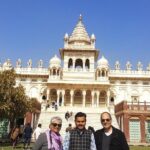


Jaswant Thada: the white marble memorial you’ll want to slow down for
The tour finishes (after park time) with Jaswant Thada, a memorial dedicated to Maharaja Jaswant Singh II. It was built by his son Maharaja Sardar Singh in 1894, and the key detail that makes it visually distinctive is the use of white marble brought from Mirana.
This stop gets about 30 minutes. That’s enough time to appreciate the shape and feel the stillness without feeling like you’re rushing a meditation session you didn’t book.
Here’s why this memorial matters in the context of the day:
- Mehrangarh shows royal power through fortress space.
- Toorji Ka Jhalra shows the city’s relationship with water and survival.
- Jaswant Thada shows remembrance—how a dynasty chose to be honored in stone.
The itinerary lists admission for this stop as not included, so you may pay entry separately depending on how your booking is structured. If you’re watching costs, this is one place to confirm in advance.
Photo tip: take one wide shot first, then come back for details. Marble looks best when the light hits it at an angle, and your guide can often point out where to stand.
The private guide factor: pace, language, and smart questions
This is a private tour, meaning it’s just your group. That changes everything. You can ask why a room had a certain function, what a stepwell design suggests about water habits, or how to connect what you’re seeing to the bigger story of Rajput Rajasthan.
Language options include English, Hindi, or Italian, and guides have been described as speaking clearly in those languages. If you’re traveling with someone who’s not comfortable in English, this is a real advantage because you’re not stuck with “good enough” translation.
A common theme in the feedback is that the guide doesn’t just recite facts. People appreciated guides who take time to learn what you’re into—architecture, history, culture, even philosophy—and adjust the tour accordingly. One guide was even described as combining thoughtful conversation with recommendations like books and films to keep the ideas going after the tour ends.
If you’re someone who hates feeling herded, this private format is where you’ll feel the win. You can linger at Mehrangarh, speed through the parts that don’t click, and still leave with a coherent understanding of the city.
Price and value: is $25 per person a bargain?
At $25 per person for a 3 to 4 hour private guided experience, this is the kind of pricing that can feel like a bargain—especially if you value context as much as photos. The tour includes a water bottle, and it’s built around major, high-impact stops that are otherwise easy to visit but harder to interpret.
Here’s where value depends on one detail: admissions and what’s covered. The tour description says admission tickets are included, but the day plan specifically marks some entries as included (like Toorji Ka Jhalra) and others as not included (like Mehrangarh Fort Museum and Jaswant Thada). So your real all-in cost may vary a bit.
Still, even with a couple of tickets paid separately, you’re buying something you can’t DIY well: an organized path through Jodhpur with human storytelling. If you’ve ever visited a fort and felt like you spent half the time reading tiny signs, a guide makes the hours feel more efficient.
One more practical note: the listing notes this is commonly booked about 50 days in advance, which suggests it stays popular. If you have fixed plans, booking earlier can reduce stress.
What to bring and how to plan a smooth half day
Because this is a half-day route with forts and monuments, plan like you’re walking more than you think you will. Bring:
- Comfortable shoes (Mehrangarh and marble areas require solid footing)
- Sunscreen and water (you get a water bottle, but you’ll still want to pace yourself)
- A light layer if evenings cool down after your last stop
Also, since transport isn’t included, you’ll want to decide how you’re getting between start and end points. The start is at Mehrangarh Fort area, and the tour ends near Sardar market (Rawaton Ka Bass area). If you’re using local transit, confirm your route based on those exact zones.
The tour uses a mobile ticket, which is convenient if you don’t want paper confusion in your pocket.
Should you book this Jodhpur private guided tour?
If you’re short on time, this is an easy yes. You get the essentials—Mehrangarh Fort Museum, Toorji Ka Jhalra, a market slice at Ghanta Ghar, plus Jaswant Thada—all stitched into one logical arc instead of a random checklist.
I’d especially recommend it if:
- you want a guide who can explain what you’re seeing in plain terms
- you care about context for forts, architecture, and culture
- you prefer a private pace over group rushing
I’d pause only if:
- you’re very budget-tight and want fully guaranteed admission inclusion for every stop without any extra payments
- you dislike walking on uneven historic surfaces and need a slower, more structured mobility setup
Overall, this is a solid half-day plan that does what good city tours should: it helps you understand Jodhpur fast, so your photos and your memories match the real story.
FAQ
How long is the Jodhpur private guided tour?
It runs about 3 to 4 hours (approx.).
Is this tour private or shared?
This is a private tour/activity, so only your group participates.
What languages are available?
Tours are available in English, Hindi, or Italian.
Where does the tour start and end?
It starts at Mehrangarh Fort (Sodagaran Mohalla, Jodhpur) and ends near Sardar market (72VF+P8J Sardar market, Rawaton Ka Bass, Jodhpur).
What does the ticket cost?
The price is listed as $25.00 per person.
Is the tour admission included?
The overview says admission tickets are included, but the itinerary specifically lists admission included for Toorji Ka Jhalra, free admission for the Ghanta Ghar market segment, and not included for Mehrangarh Fort and Jaswant Thada. It’s smart to confirm which entry fees apply to your booking.
What’s included in the tour price?
The only items listed as included are 1 water bottle and the guided experience.
What isn’t included?
Transport, breakfast/lunch/dinner, and drinks are not included.
Do I need to buy a paper ticket?
No. The tour uses a mobile ticket.
What happens if weather is bad?
The experience requires good weather. If it’s canceled due to poor weather, you’ll be offered a different date or a full refund.