REVIEW · MUNNAR
Munnar Tea Plantation Evening walking with Sunset View
Book on Viator →Operated by munnar valley trekking & tours · Bookable on Viator
Sunset in Munnar comes with a workout. This 8 km evening walk takes you from about 1550m up through tea and grassland country to viewpoint stops, then back down before dark. I especially like the way the route threads between working plantations and protected forest—so you feel the full Munnar rhythm, not just one view.
I also like the two-stage viewpoint plan: a higher stop for a classic sunset look, then a later vantage around 1850m where tea plantation and valley views open up along with snacks. The one thing to keep in mind is that parts of the trail can feel narrow near dropoffs, and rain can dull the sunset timing.
In This Review
- Key Highlights You’ll Actually Notice
- Three Hours in Munnar: Why This Evening Walk Feels Worth It
- From 1550m Upward: How Chokramudi Peak Changes the Mood
- The Sunset Plan: When the View Opens and Snacks Land
- Pothamedu Viewpoint: Tea Meets Coffee and Cardamom
- The Second Half: Downhill Walking Through More Plantations
- What’s Included (And What That Means for Your Budget)
- How Hard Is It, Really? (8 km, 200+ m, and One Caution)
- Guides, Group Size, and Why It Feels Personal
- Price and Logistics: The Real Value Check
- Should You Book This Munnar Evening Tea Walk?
- FAQ
- FAQ
- How long is the Munnar evening tea plantation walking experience?
- Where does the trek start and end?
- What distance will I walk?
- What do the stops include?
- Is the entry ticket included?
- What’s included in the price?
- What kind of fitness level do I need?
- Is there a group size limit?
- What happens if the weather is bad?
- How strict is the cancellation timing?
Key Highlights You’ll Actually Notice
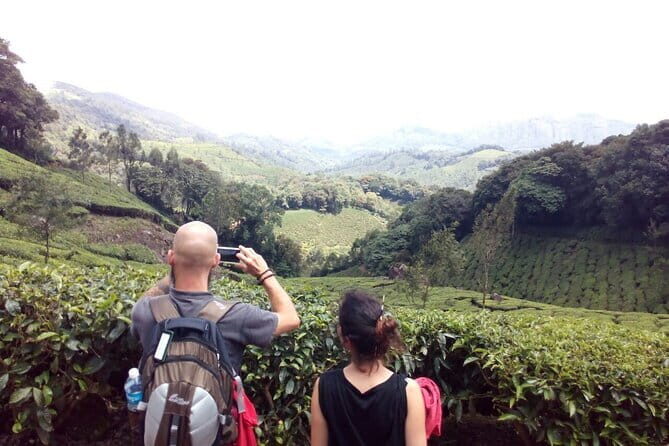
- Chokramudi Peak setup with park formalities before you enter the Eravikulam National Park zone
- Two viewpoint moments timed for sunset and a second tea-and-valley panoramic stop
- Working plantations on the walk: tea plus coffee, cardamom, and even pepper-adjacent farmland views from the area
- Snacks included during the walk, not tacked on at the end
- Short-group pace with a maximum of 10 travelers, so the guide can manage slower hikers and weather changes
- A real 2–3 hour effort (8 km, about 200+ m net vertical), not a stroll in the village
Three Hours in Munnar: Why This Evening Walk Feels Worth It
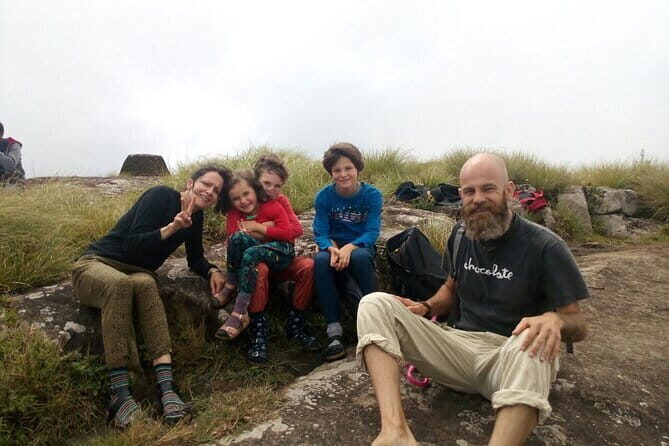
This isn’t an all-day trek that eats your whole afternoon. It’s an evening plan that starts at 3:30 pm and runs to about 6:30 pm, so you can still enjoy Munnar after dinner plans or a tea-shop stop. The timing also matters here: you’re walking into the late-day light, which is when plantation views look deepest and shadows give the hills more texture.
For $8, the value is strong because you’re not just buying a route. You get a guide, an entry ticket for the tea plantation area you visit, plus fruits, snacks, and a water bottle included. In places like Munnar, that mix of guided time + paid access points is usually what makes the difference between a nice idea and a genuinely smooth outing.
One more thing: the experience is designed for moderate fitness. You’ll be walking steadily for about three hours, and the terrain changes often—plantation dirt paths, rocky bits, and some narrower trail sections.
You can also read our reviews of more walking tours in Munnar
From 1550m Upward: How Chokramudi Peak Changes the Mood
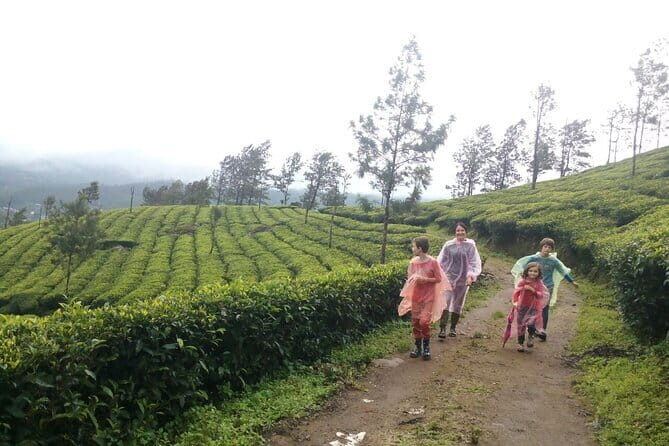
You start from near Rijo Villa (Nature Glade Cottage) by the KSRTC bus stand area in Munnar, then set out at 3:30 pm. The early climb works like a gradual “tuning in” process: you move from the lower 1550m zone up through tea plantation paths and open grassland country, picking up altitude without feeling like you need mountaineering gear.
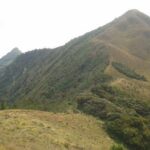
The first major highlight is Chokramudi Peak, one of the highest peaks in the area (around 7,200 ft). What makes it feel special is that it’s relatively less explored compared with the most famous viewpoint circuits. It also sits in the Eravikulam National Park, which means you’ll deal with some forest department formalities before you start trekking properly.
Once you’re in, the terrain shifts into shola forest character—evergreen, lush, and cooler in a way that plantation paths never quite match. The park is home to animals like Nilgiri tahr, gaurs, and Asian elephants. You probably won’t see a full parade of wildlife on a short evening, but it’s a real reminder that this isn’t only about views. The guide can point out what to look for and how the landscape supports these species.
In practical terms, the Chokramudi stop is where the trek earns its name: it’s the “big altitude + big surroundings” moment. It’s also where the guide’s knowledge matters, because park rules and the “what you’re walking through” story make the walk feel grounded, not random.
The Sunset Plan: When the View Opens and Snacks Land
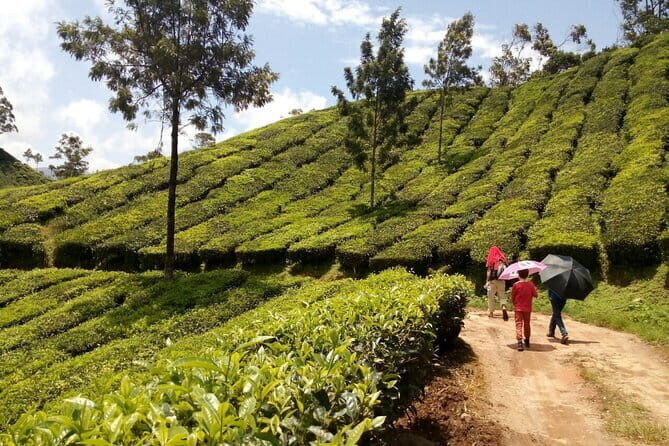
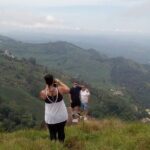
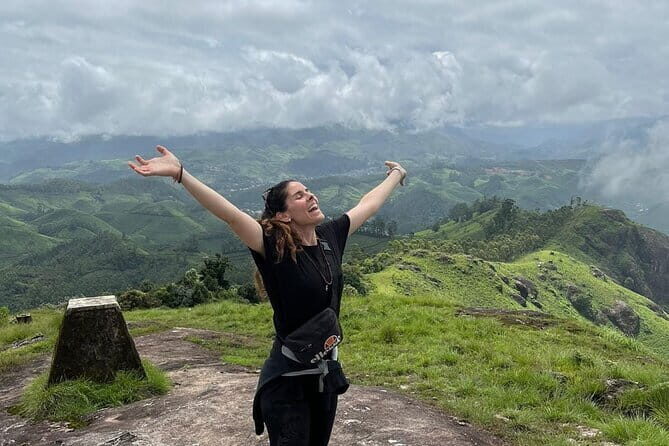
By around 5:45 pm, you reach a half-mountain viewpoint aimed at sunset viewing. This is the moment you’ll want to slow down mentally. Sunset in the hills isn’t just about the sky—it’s about how the plantations layer into the distance and how the ridge lines frame the valleys.
Now, here’s what I’d pay attention to: sunset timing depends on weather, and the experience is clear that it requires decent conditions. If clouds roll in or rain sticks around, you might still get beauty, but the exact sunset moment can soften or disappear. I like that the plan doesn’t treat sunset like a guarantee. You still have a structured route and another viewpoint later.
After that sunset stop, you start walking again and reach a point around 1850m. This is where tea plantation and valley views open up in a more panoramic way. It’s also where you get snacks. That snack break is more than a routine pause—it’s timed to keep your energy up for the downhill exploration that follows.
Pothamedu Viewpoint: Tea Meets Coffee and Cardamom
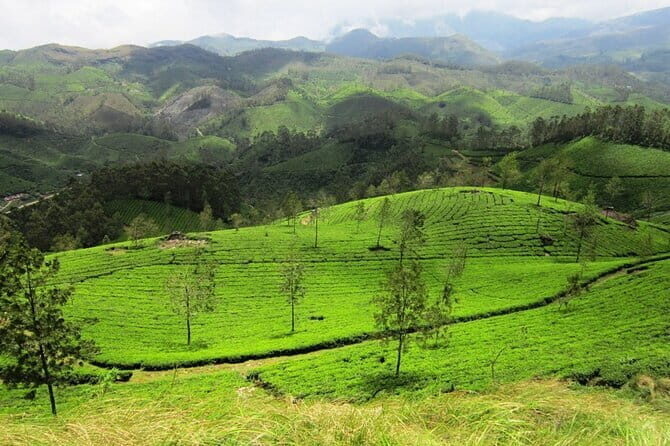
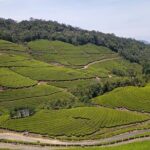
The next main stop is Pothamedu Viewpoint, and it has a distinctly “Munnar from above” vibe. The area is known for broad views of tea plantations and evergreen meadows, with winding roads below where cars move cautiously down the slopes.
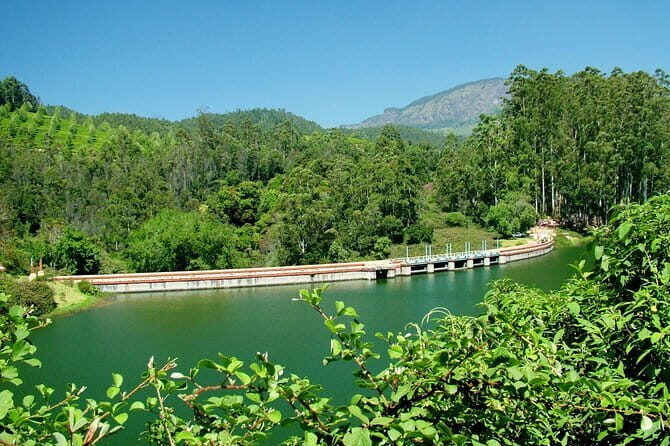
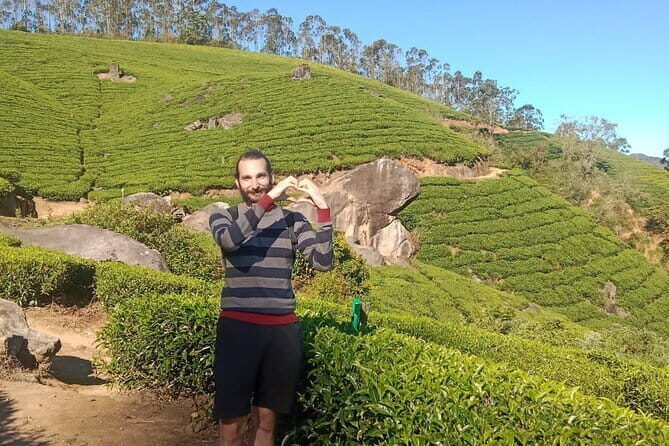
From here, you get a wide-scope look at Munnar’s plantation mix. Expect views and explanation around coffee, cardamom, pepper, and tea in the surrounding patchwork. The walk to reach the vantage is part of the fun: you trek through areas that blend plantation rows and open grassy stretches, then you pop out at the overlook.
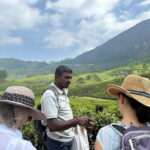
This is also one of those times when the guide can make the view more useful. Instead of just saying this is tea, the guide can explain why some slopes suit certain crops, and how the terrain and altitude shape the plantation layout you’re seeing. If you end up with guide names like Praveen or Arun, you’re in good hands—their style is tied to clear info and an easy pace.
Timing-wise, the Pothamedu portion is about one hour. That’s long enough to get good photos and to understand what you’re looking at, but not so long that you feel stuck when the light changes.
The Second Half: Downhill Walking Through More Plantations
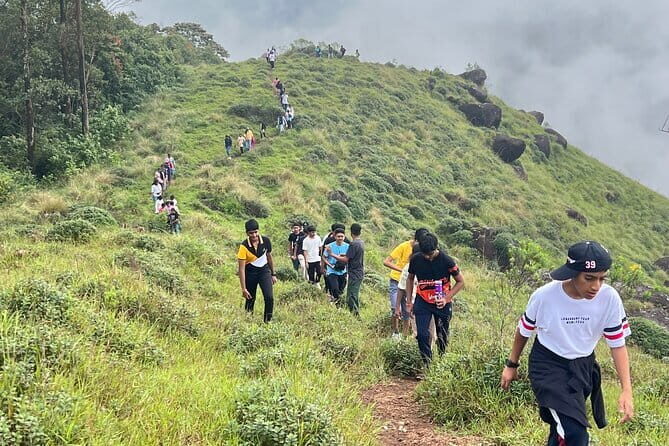
After the viewpoint and snack phase, the route brings you down the mountain. The walk continues through down-mountain terrain, with chances to observe the plantation belt and the mix of vegetation along the trail.
You’ll explore areas tied to coffee and cardamom plantations along with forest sections and tea. This matters because it shifts the story from one crop to a whole plantation economy. Munnar isn’t only tea. It’s a system of fields, shade trees, and hillside growing zones that all share space.
You should expect the trail to change surfaces again. One part can feel like mostly plantation dirt roads, then you hit a short stretch that’s steeper and a bit tighter through tea bushes, followed by narrower trail segments on a ridge. Those transitions are why this walk is more than a “flat evening stroll.”
You’ll finish back at the meeting point area around 6:30 pm. By then, your legs have done their job, but you’re still early enough to keep your evening plans intact.


What’s Included (And What That Means for Your Budget)
This trek is built to feel complete without extra add-ons. You get:
- Entry ticket for the tea plantation area included in the route
- A guide for the walk and viewpoint interpretation
- Fruits and snacks at the plantation-view stop
- A water bottle
- A mobile ticket for smooth check-in
For $8, the budget logic is simple: you’re paying for guided time on a set route plus paid access points, not just a recommended path. If you’ve ever tried to stitch together viewpoints on your own, you know the hidden costs: transport, unclear trail access, and time wasted asking strangers for directions. Here, the structure does that work for you.
My practical advice: show up ready to walk, since the included food is meant as a mid-trek fuel stop, not a full meal.
How Hard Is It, Really? (8 km, 200+ m, and One Caution)
This is a moderate trekking experience, and the numbers back it up. You cover about 8 km, with about 200+ meters net vertical. That doesn’t sound huge until you’re climbing and descending through uneven plantation paths.
The terrain is mostly plantation dirt roads, with:
- a short steep/narrow stretch through tea bushes, and
- some ridge-trail sections where parts near dropoffs can feel uncomfortable if you’re sensitive to heights.
If you’re the type who gets uneasy when the trail edges away, take that seriously. The walk isn’t engineered like a boardwalk. It’s a real footpath. The upside is that the guide can manage pace and timing, and the group size is kept small.
Also, weather matters. Rain can make slippery spots more slippery, and it can blunt visibility for sunset. That said, rain doesn’t automatically ruin the outing—if the trail is still workable, the walk can remain enjoyable even if the sky doesn’t cooperate.
Guides, Group Size, and Why It Feels Personal
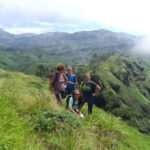
The group maximum is 10 travelers, which is ideal for a viewpoint trek. It keeps things flexible when the light shifts or when someone needs a slower pace. It also helps with guide attention—during climbs and viewpoint pauses, you can actually hear what’s being explained.
On the guide side, names like Praveen and Arun show up for a reason: they combine local context with a steady pace. You’ll likely hear practical details about the park, the plantation system, and what to watch for as you move from tea fields to shola forest and back out to open viewpoints.
This is where the experience earns that high satisfaction score: the walk feels managed, not chaotic.
Price and Logistics: The Real Value Check
At $8, you’re getting a surprising bundle: paid entry, guide-led routing, and snacks during the walk. That’s the part that often makes budget tours feel unfair elsewhere—you pay cheap prices and then nothing is truly included.
Here, the inclusions matter because the walk depends on access points and correct timing. The sunset target, the two viewpoint stops, and the tea plantation entry are all part of a coordinated route. If you tried to DIY it without knowing where you’re going, you could spend more time than the trek itself.
Logistically, it’s also easy to find the starting point by using Rijo Villa near KSRTC bus stand as your anchor. The end returns you to the same place, which simplifies your evening.
Do be mindful that the experience requires good weather. If conditions are poor, you may get a different date or a full refund depending on how the operator handles it.
Should You Book This Munnar Evening Tea Walk?
You should book this if you want:
- an 8 km evening workout that still leaves time for dinner,
- tea plantation views plus coffee and cardamom scenery,
- and a route that mixes national park forest (shola) with plantation belts.
I’d also recommend it if you like guided explanations and want the views to come with context, not just pictures. With guides such as Praveen or Arun, you’ll likely get that “I learned something while walking” feeling.
Don’t book it if:
- you’re very uncomfortable near narrow trail sections with dropoffs, or
- you only care about a perfect sunset and can’t handle the idea that clouds or rain may change the timing.
FAQ
FAQ
How long is the Munnar evening tea plantation walking experience?
The walk runs for about 3 hours (approximately), starting at 3:30 pm and returning around 6:30 pm.
Where does the trek start and end?
It starts at Rijo Villa (Nature Glade Cottage) near the KSRTC bus stand area in Munnar and ends back at the same meeting point.
What distance will I walk?
You’ll cover about 8 km on foot.
What do the stops include?
The trek includes Chokramudi Peak and Pothamedu Viewpoint, along with plantation walking through tea, coffee, and cardamom areas, plus a snack stop at a viewpoint.
Is the entry ticket included?
Yes. You get an entry ticket for the tea plantation area included in the experience.
What’s included in the price?
The price includes a guide, fruits and snacks, a water bottle, and the included entry ticket, with a mobile ticket for access.
What kind of fitness level do I need?
This experience is for travelers with moderate physical fitness. You should be comfortable with steady walking and changing trail surfaces.
Is there a group size limit?
Yes, the tour/activity has a maximum of 10 travelers.
What happens if the weather is bad?
The experience requires good weather. If it’s canceled due to poor weather, you’ll be offered a different date or a full refund.
How strict is the cancellation timing?
If you cancel up to 24 hours in advance, you get a full refund. Canceling within 24 hours isn’t refundable.