REVIEW · MUNNAR
Tea Farm Tourism
Book on Viator →Operated by D Trek Munnar Adventure · Bookable on Viator
A tea farm in Munnar sounds simple—until you hear it explained leaf by leaf. This tour turns the steep Western Ghats tea country into a clear, hands-on lesson, with time for the views and the people who make tea happen.
I especially love Arun’s way of telling Munnar’s tea story, from the plant to the local legacy, and his knack for explaining different teas and how they’re made. I also like the practical access you get beyond a quick photo stop—tea processing details, leaf pickers, and a proper tea taste at the end.
The main thing to plan for is walking. Even when the route is manageable, you’re in tea slopes and mountain terrain, so bring comfortable, grippy shoes and expect uneven ground.
In This Review
- Key highlights worth your time
- Tea farms in Munnar: why this feels practical, not touristy
- The starting point and timing that keep it easy
- Walking the tea plantation: the part you’ll remember
- The factory stop: where tea goes from plant to product
- Tea tasting: what you should pay attention to
- Price and value: what you’re really paying for
- Who this tour fits best (and who should rethink)
- Logistics you should know before you go
- Should you book Tea Farm Tourism in Munnar?
- FAQ
- Where does the tour start?
- What time does the tour begin?
- How long is the Tea Farm Tourism experience?
- What does the tour cost?
- Is private transportation included?
- What is included in the tour?
- Is this tour private or shared?
- What is the cancellation policy?
- What if the tour is canceled due to too few travelers?
Key highlights worth your time
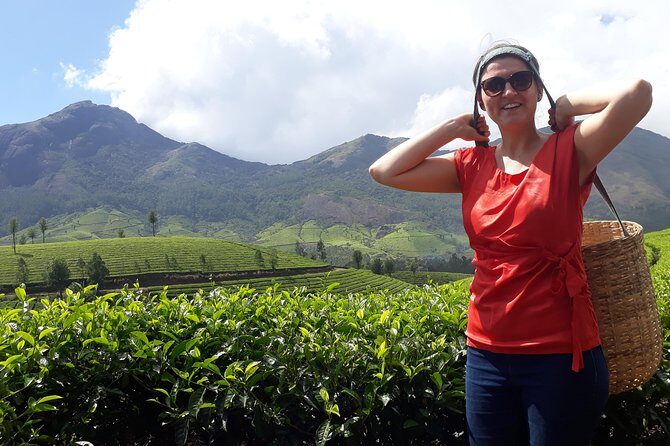
- Arun (and team) explains tea types, production, and Munnar’s tea legacy in plain English
- Tea-leaf pickers village time and a feel for daily work on the slopes
- Factory visit that shows how leaves are processed and dried before they reach your cup
- Tea tasting as a real finish, not just a photo-op
- Less well-trodden paths through plantation areas for a more local feel
- Private tour format so your group stays together with your guide
Tea farms in Munnar: why this feels practical, not touristy
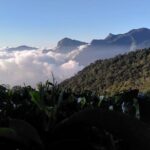
Munnar’s tea country is high up—think around 5,000 feet in the Western Ghats. That altitude matters. It cools the air, shapes the way tea grows, and it also affects what you feel on the walk: lighter mist some mornings, crisp air, and that clean mountain smell that makes you forget you’re on a scheduled tour.
What makes this experience click is that it doesn’t treat tea like a souvenir. You start with the basics—tea plant origins and how the cultivated variety came to be—then you build outward into how Munnar became a tea industry hotspot. One guide you’ll hear praised by name is Arun, and the common thread in the feedback is simple: he explains in a way that sticks, not in a way that puts you to sleep.
If you like real-world travel moments—watching how something is made, meeting the people connected to it, and learning what’s actually different from one tea to another—this is a strong match.
You can also read our reviews of more tours and experiences in Munnar.



The starting point and timing that keep it easy
This tour starts at Munnar KSRTC Bus Stand on MSA Rd, Moolakadai, Munnar. You get going at 9:00 am, and the experience runs about 3 hours (approx.), ending back at the meeting point.
Why I like that for you: morning in tea country is usually calmer. Roads are less chaotic, the air is often clearer, and you can enjoy the plantation views without feeling rushed into the middle of the day heat.
Also, private tour doesn’t mean hard-to-find. This one is marked as being near public transportation, which helps if you’re building your own day around it instead of locking into a strict itinerary.
And one more practical note: since it’s a private tour/activity where only your group participates, you’re less likely to feel stuck behind a slow-moving crowd. You can ask questions, you can pause for photos, and your guide can adjust the pace.
Walking the tea plantation: the part you’ll remember

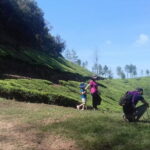
The best part of this outing isn’t a single photo view. It’s the walk through the plantation world—steep slopes, tea rows, and a sense that this is lived-in farmland, not an outdoor museum.
You’ll get time on plantation areas that go beyond the most obvious routes. The feedback highlights that Arun takes people along less well-trodden paths, which usually means: fewer crowds, more interesting angles, and more chances to spot how tea plants actually sit in the hillside.
One reason this matters is that tea doesn’t look the same everywhere. In some areas you’ll notice how leaves are kept and tended. In others you see how the hillside shape changes what the field looks like. On a good guide-led route, those changes become part of the explanation, not random scenery.
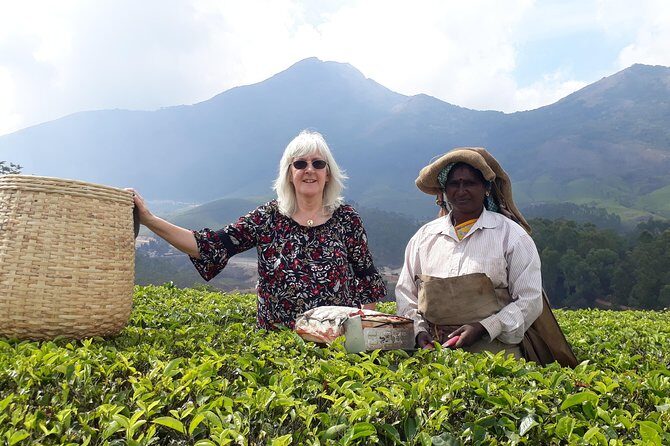
You also get a human layer to the walk. Several reviews mention time around tea leaf pickers and even a pickers village. That’s where the story stops being academic. You see how the work fits the landscape—how harvesting ties into the rhythm of the plantation.
The factory stop: where tea goes from plant to product
Tea tasting is fun, but the factory visit is what gives the day its substance.
At the processing point, you should expect a look at the full chain—meeting leaf pickers, then seeing how leaves are dried and processed before they become tea you can drink. You get a clearer idea of why tea styles taste different. Even if you don’t memorize every step, you’ll walk away with a mental map of what changes the flavor and strength: leaf handling, drying, and processing choices made along the way.
If you care about food and drink travel, this kind of stop hits the sweet spot. It’s not just a manufacturing tour where you stare at machines. It’s tied directly to the flavors you’ll taste later, so the whole day feels connected.
One review specifically calls out access to the process end to end, which is what you want from a factory visit. You’re not just getting a brief look at one room—you’re learning how the product gets made.
Tea tasting: what you should pay attention to
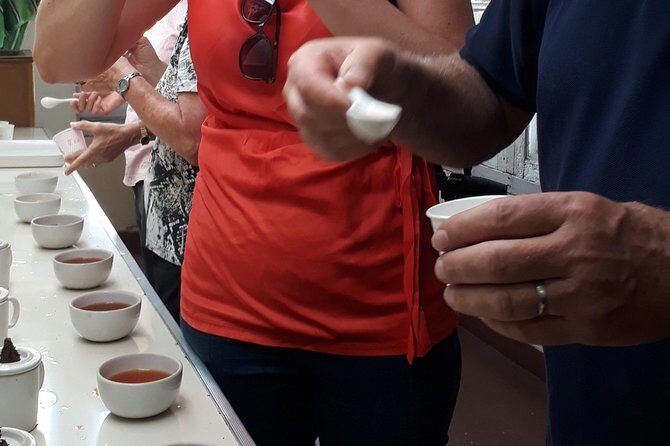
The day typically finishes with tea tasting, often framed as tea tasting after the processing walkthrough. This is where your learning starts to make sense.
When you taste, don’t focus only on whether you like it right away. Instead, try to notice differences you can connect to what you saw. You might find that some teas taste lighter or more aromatic, while others come across stronger. Arun’s explanations are praised for covering different types of tea and how production techniques influence the result.
One review also mentions health benefits as part of the education. Since claims around health can vary depending on the tea type and how it’s brewed, keep an open mind. Use that part as background context, then trust your own palate and what you learn about preparation.
And if you’re worried about tasting anxiety—don’t be. The guidance style described in the reviews is patient and practical. If your English is limited, you can still ask questions. One comment notes the guide repeated explanations as needed, which is exactly what you want in a small-group learning experience.


Price and value: what you’re really paying for
At $24 per person for about 3 hours, you’re paying for three things:
- A guide-led explanation that turns tea into a real story
- Time on the ground (plantations and village/people) rather than a quick drive-by
- A factory visit plus coffee and/or tea inclusion and tea tasting (so it’s not just sightseeing)
Private tours can get expensive in many parts of the world. Here, the value comes from structure. You’re not paying for transport (private transportation is not included), so you’re paying for the on-site time, the explanations, and the experience flow.
To get the best value, show up ready for a walking day. If you plan your footwear and energy level, you’ll enjoy the plantation portion instead of rushing through it just to get it over with.
Also, because the tour is private and your group stays together, you’re not sharing the guide with strangers who might not ask questions. That matters if you want a more personal learning experience.
Who this tour fits best (and who should rethink)
This is a great fit if you want more than scenery. You’ll enjoy it if you like:
- learning how everyday products are made
- walking through real working farmland
- asking questions and getting straight answers from a guide like Arun
- a finish that includes tea/coffee and tea tasting
It’s also a good choice for many travelers since it’s marked as most travelers can participate. Still, keep expectations realistic. This is tea country on slopes. If you have mobility issues or you hate uneven ground, you might find the walk part challenging.
If you want a fully car-based, minimal-walking tour, this may not match. But if you’re comfortable with short-to-moderate walking and want the payoff of seeing how tea life works in Munnar, it’s a strong pick.
Logistics you should know before you go
A few practical details help your day run smoother:
- You start at 9:00 am from Munnar KSRTC Bus Stand.
- The tour ends back at the meeting point, so you’re not left guessing how to get home.
- Private transportation isn’t included, so plan how you’ll get to the meeting spot on your own.
- It’s listed as being near public transportation, which is useful if you’re already using local buses in Munnar.
- Confirmation happens at booking time unless you book close to travel; if you book within 12 hours, confirmation comes as soon as possible based on availability.
One more thing to plan for: the experience requires a minimum number of travelers. If that minimum isn’t met, you’ll be offered another date/experience or a full refund.
Should you book Tea Farm Tourism in Munnar?
I’d book it if you want a tea day with actual substance: plantation walking, a factory visit, and a guide like Arun who explains what you’re seeing in a way that makes tea feel understandable. The tea tasting and the focus on how production works are the kind of details that turn a trip into something you remember.
I wouldn’t book it if you’re hoping for a mostly seated, low-walking experience. Since it’s happening on slopes in the hills, you should expect some uneven terrain and plan for that.
If you’re in Munnar for a short stay, this is an efficient way to learn the town’s tea backbone without spending the whole day in transit. Just go prepared with shoes and a curious attitude—and you’ll come away knowing why Munnar tea tastes the way it does.
FAQ
Where does the tour start?
The tour starts at Munnar KSRTC Bus Stand on MSA Rd, Moolakadai, Munnar, Kerala 685612, India.
What time does the tour begin?
The start time is 9:00 am.
How long is the Tea Farm Tourism experience?
It lasts about 3 hours (approx.).
What does the tour cost?
The price is $24.00 per person.
Is private transportation included?
No, private transportation is not included.
What is included in the tour?
The tour includes coffee and/or tea.
Is this tour private or shared?
It’s a private tour/activity, meaning only your group will participate.
What is the cancellation policy?
You can cancel for a full refund if you cancel up to 24 hours in advance of the experience’s start time.
What if the tour is canceled due to too few travelers?
If it’s canceled because the minimum number of travelers isn’t met, you’ll be offered a different date/experience or a full refund.
(Note: the tour data includes free cancellation and minimum traveler rules, but the exact outcome depends on availability when the organizer reschedules.)