REVIEW · NEW DELHI
Spiritual India – Yoga, Meditation & all about Hinduism
Book on GetYourGuide →Operated by Nidhi Agarwal · Bookable on GetYourGuide
Your yoga mat meets a home altar. In Delhi’s Dwarka, Nidhi and Roopak bring you into a home visit for yoga, meditation, and mantras, plus simple answers to big Hindu questions. I like the friendly pace and the chance to ask anything, not just listen. The main drawback to consider is that this is a private-home experience, so you’ll follow household rules and keep things respectful and calm.
I also like that it feels genuinely welcoming for solo travelers, including women. This is a small group of up to 6 people, guided in English, with pick-up and drop-off from the nearest Metro station at no extra cost, plus yoga mat, herbal tea, unlimited bottled water, and Wi‑Fi.
In This Review
- Key takeaways at a glance
- Yoga, meditation, and Hinduism in Delhi’s Dwarka home setting
- Price and logistics: what you’re paying for at $38
- The opening moment: herbal tea and settling in
- Yoga class led by an expert, paced for real bodies
- How a Hindu family’s faith shows up at home
- Mantras, sacred sounds, and why they feel different in practice
- The number 108: symbolism you can actually remember
- Cow shed visit: a hands-on look at reverence in daily practice
- Q&A topics that connect belief, language, food, and sacred geography
- What’s included (and what rules you’ll follow at the home)
- Who should book Spiritual India, and who might prefer something else
- Should you book this Spiritual India experience?
- FAQ
- How long is the experience?
- Where does the experience meet?
- What’s included in the price?
- Is the yoga suitable for beginners?
- Are alcohol or non-veg foods allowed at the guide’s home?
- Can I cancel after booking?
Key takeaways at a glance
- Meet Roopak and Nidhi: a married couple hosting for years, running both online and offline tours from their home.
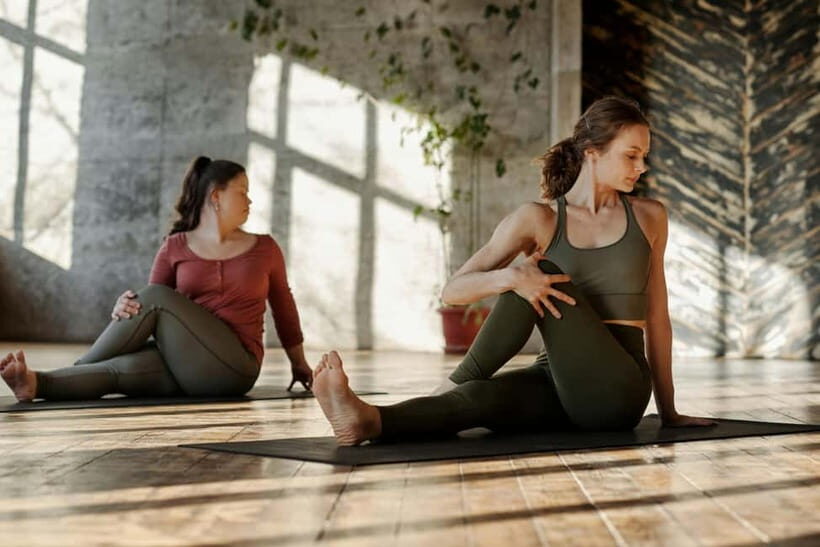
- Yoga for all levels: a guided session designed to fit beginners through experienced practitioners.
- Mantras with your own voice: you won’t just hear them, you’ll join a chanting session.
- 108 explained in human terms: you’ll cover why 108 matters in Hindu thought and everyday symbolism.
- A cow shed visit by hand: feed the cows and learn about products made from cows in Hindu practice.
- Learn how a Hindu family prays: you’ll visit a personal shrine at home and talk through daily customs.
Yoga, meditation, and Hinduism in Delhi’s Dwarka home setting
If your idea of India is temples and tour buses, this experience nudges you toward the quieter stuff. You spend four hours in one place, hosted by Nidhi and Roopak, and the focus stays on Hindu spirituality as it lives in a real household—yoga practice, sacred sound, daily rituals, and the questions people carry around for a lifetime.
The vibe is simple: warm welcome, tea, then practice. From there, you move into understanding how Hindu faith shows up in ordinary routines—shrines in the home, conversations about gods and beliefs, and explanations that try hard to stay understandable.
This also isn’t the kind of “watch and leave” experience. You can ask questions. You can talk. You’re not stuck reading placards.
You can also read our reviews of more tours and experiences in New Delhi.


Price and logistics: what you’re paying for at $38

At $38 for about four hours, you’re not paying for a museum ticket. You’re paying for access—access to a guide’s home space, access to a real family’s faith rhythm, and access to a structured yoga-and-mantra session with time for Q&A.
That price includes practical comfort items that add up in real life: a yoga mat, herbal tea, unlimited bottled water, a clean washroom, and free high-speed Wi‑Fi. You also get free pick-up and drop-off from the Metro station (the tour doesn’t cover hotel pick-up).
One more practical note: the meeting point is Sanskriti Apartment, Sector 19B, Dwarka, Delhi 110075. From there, you’ll be given detailed instructions after booking. If you’re arriving by Metro, the guide’s home is about 5 minutes by car from the nearest station, and they can pick you up and drop you back without extra cost.
The opening moment: herbal tea and settling in

The session begins with calm on purpose. You’ll get a refreshing cup of herbal tea right when you arrive, before anything “teaches” you. It’s a small thing, but it sets the tone: you’re preparing your body and mind for practice, not rushing in like you’re late for a train.
This first step also matters for how the rest of the experience works. Yoga and mantra practice feel easier when everyone starts at the same relaxed level. And because this is a small group, you’re not disappearing into a crowd.
Yoga class led by an expert, paced for real bodies
Then comes the yoga session. The guide leads it in a way designed to suit all levels, so you’re not stuck feeling either too stiff or too advanced. You’ll breathe, stretch, and connect with your inner focus in a guided format rather than trying to guess what to do.
What makes this valuable is the context. Yoga here isn’t treated like a stand-alone fitness class. It’s woven into the larger story of Indian spirituality, so you’re more likely to understand why people practice daily rather than treating it as a one-time activity.
Practical tip: wear comfortable clothes that let you move. Yoga mats are provided, but your outfit is still part of the comfort equation.
How a Hindu family’s faith shows up at home

The heart of this experience is the home context—seeing how devotion fits into domestic life. You visit the guide’s home and learn about Hindu traditions and customs, including daily practices.
A key stop is visiting a personal shrine in their home. That’s not a generic “temple visit.” It’s about what faith can look like when it’s integrated into the day: quiet rituals, sacred objects, and the meaning behind regular acts of prayer.
You’ll also get chances to talk about big-picture questions, such as why Hinduism is structured the way it is and how people relate to faith in daily life. The experience is built around simple, interactive explanations, not a monologue.





Mantras, sacred sounds, and why they feel different in practice
Next, you’ll work with mantra tradition in a hands-on way. You’ll learn about ancient Hindu mantras and their significance for spiritual growth, and then you’ll join a guided chanting session.
This is where the experience becomes more than cultural education. Mantra practice is about sound, rhythm, and attention. Even if you don’t know Sanskrit (and most people don’t), you can still participate in the experience of chanting. The guide also talks about Sanskrit as the language of mantras—what it sounds like and why learning it can be difficult.
I like that this doesn’t pretend language barriers don’t exist. You get the meaning-building context so the sound practice feels grounded.
The number 108: symbolism you can actually remember
One of the most interesting parts is the focus on the number 108. You’ll learn about why it shows up in Hindu thought and how it relates to the universe, nature, and human existence.
Why does this matter? Because it gives you a lens for noticing symbols you’ll see later in India—on mala beads, in ritual counts, and in spiritual explanations. Instead of treating 108 as a random number people repeat, you’ll understand the reasoning behind the repetition.
Cow shed visit: a hands-on look at reverence in daily practice
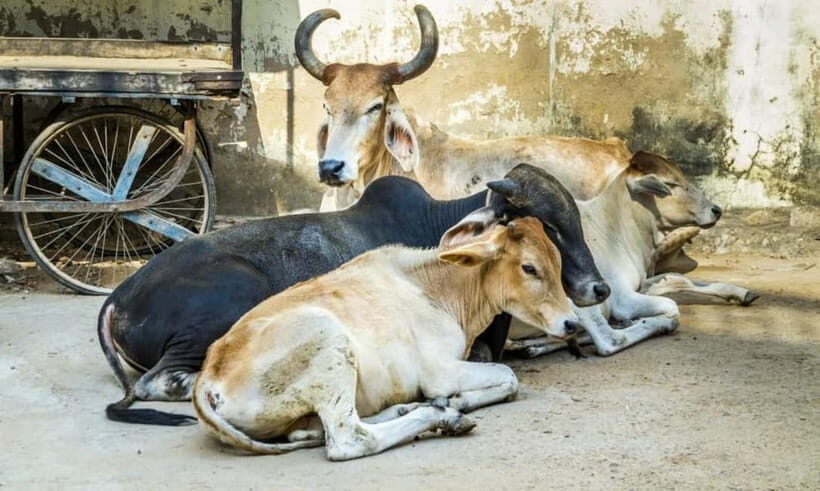
Another practical, eye-opening stop is the nearby cow shed. You’ll have an opportunity to feed the cows by hand.
For many visitors, this turns the idea of spirituality into something physical and human. It’s also a chance to ask questions about why cows hold such significance in Hindu life. The guide explains the five wonder products derived from cows and how these relate to Hindu practice.
Keep in mind this is a real working space, so you should expect it to feel earthy and close-up. You’re not just photographing something; you’re participating.
Q&A topics that connect belief, language, food, and sacred geography
After the main activities, you get a Q&A session. This is where the experience earns its keep because you can ask the questions that bother you when you’re trying to understand Hinduism as a living religion.
Some of the themes you’ll cover include:
- Why Hinduism, often described as the world’s oldest religion, hasn’t spread in the same way everywhere else
- Where the word Hindu comes from
- Why Hindus pray to millions of gods and who is considered the biggest of them
- Why Sanskrit is considered holy for Hindu mantras and what makes it difficult to learn
- Why Hindus traditionally eat vegetarian food, and why being vegan in India can be hard
- Why Ganga is seen as the most sacred river for Hindus, and why so many cremations happen along its bank in Varanasi
Even if you come in with questions you can’t fully articulate, you’ll likely leave with answers that connect logic to belief. The guide keeps explanations simple and interactive, so you don’t need a religious studies degree to follow along.
What’s included (and what rules you’ll follow at the home)
This is a hosted experience, so the included items are practical and the rules are mostly about the home environment.
Included:
- Yoga mat
- Herbal tea
- Special souvenir from India at the end
- Unlimited bottled water
- Free Wi‑Fi at 5G speed
- Clean and hygienic washroom
- Free pick-up and drop-off from Metro Station
- Can be customized for a birthday or anniversary
Not included / rules to know:
- No hotel pick-up and drop-off
- No liquor allowed at the guide’s home
- No non-veg food allowed at the guide’s home
- Travel and medical insurance not provided
- No banned substances allowed at the guide’s home
If you’re someone who likes rules because it makes things feel smooth, you’ll probably appreciate this. If you’re expecting a nightlife-style free-for-all around a spiritual theme, you won’t get that here. This stays family-friendly and religion-first.
Who should book Spiritual India, and who might prefer something else
I’d steer you toward this if you want:
- A small-group setting where you can ask questions
- Yoga and meditation tied to Hindu traditions, not separated from them
- A real home experience in Delhi with hospitality from Nidhi and Roopak
- A respectful introduction to Hindu customs, mantras, and symbolism like 108
- A culturally focused activity that goes beyond monuments
It may not be the best fit if you strongly prefer:
- Large public sites and big crowds
- A purely academic lecture with no participation
- A food experience with broad menu freedom (non-veg and alcohol aren’t part of their home setup)
Should you book this Spiritual India experience?
Yes, if your goal is understanding, not just sightseeing. The value isn’t the yoga pose count. It’s the access to daily faith: a personal shrine, mantra chanting with guidance, explanations built around real questions, and a calm four-hour format hosted by Nidhi and Roopak.
Book it if you’re curious about Hinduism in a way that feels approachable and human. I also think it’s a smart pick for female solo travelers who want a safe, welcoming structure rather than trying to navigate spirituality alone.
Consider another option if you want a temple tour with lots of photos and minimal interaction. This one asks for participation, attention, and respect for a private home space.
FAQ
How long is the experience?
It lasts 4 hours.
Where does the experience meet?
The meeting point is Sanskriti Apartment, Sector 19B, Dwarka, Delhi 110075.
What’s included in the price?
You get a yoga mat, herbal tea, a special souvenir, unlimited bottled water, free Wi‑Fi at 5G speed, a clean and hygienic washroom, and free pick-up and drop-off from the Metro station.
Is the yoga suitable for beginners?
Yes. The yoga session is tailored to suit all levels.
Are alcohol or non-veg foods allowed at the guide’s home?
No. The experience states that no liquor is allowed at the guide’s home and no non-veg food is allowed at the guide’s home.
Can I cancel after booking?
Free cancellation is available up to 24 hours in advance for a full refund.