REVIEW · MYSORE
Private tour of Mysore by tourism ministry approved company
Book on Viator →Operated by 5 Senses Walks · Bookable on Viator
Mysore’s royal stories move fast with a great guide. This private, ministry-approved day trip strings together major 15th–18th century stops—plus a few surprises—so you get a clean overview without getting lost. I like two things most: the South Indian vegetarian lunch and the way the sites connect as one story of Mysore’s rulers. One thing to consider: it’s a full schedule, so some places only get a short look (especially the dungeon and museum), and you’ll want your own water since beverages aren’t included.
You’ll ride in an air-conditioned vehicle with a professional guide, then step into Mysore Palace (about an hour), Tipu Sultan’s summer palace at Sri Rangapatnam (about an hour), Captain Bailey’s Dungeon (about 20 minutes), and the sand sculpture museum (about 45 minutes). After the royal core, you shift to culture and everyday life with St Philomena Church and a visit to Devaraja market, with time to wander and take in the smells and colors.
The tour is also set up to make logistics less stressful. You get pickup offered, entrance charges included for the paid sights, and a mobile ticket. That said, because it’s private, you’ll rely on the guide’s pacing, so if you prefer a slow, linger-all-day style, you may feel a little rushed.
In This Review
- Key highlights worth knowing
- Mysore in one day: what this private tour really covers
- Price and logistics: what you’re paying for (and what you’re not)
- Mysore Palace: Indo-Saracenic grandeur in your first hour
- Sri Rangapatnam and Tipu Sultan’s summer palace
- Captain Bailey’s Dungeon: a short stop with heavy context
- Sand sculpture museum: 45 minutes of pure wow
- St Philomena Church: a lesson in secular ideals
- Devaraja market: where Mysore smells like real life
- Guides and drivers: the difference between okay and excellent
- Lunch and the pace: where the day feels like it earns its price
- Who this tour suits best (and who should think twice)
- Quick practical tips to get the most from your day
- Should you book this Mysore highlights tour?
- FAQ
- What’s the total duration of the tour?
- How much does the tour cost per person?
- Is pickup included?
- Is the tour private?
- What’s included with the price?
- Are beverages included?
- Which main stops are included?
- Are admission tickets included?
- How far in advance is the tour typically booked?
- What’s the cancellation policy?
- Is there mobile ticketing?
- Is the tour suitable for most travelers?
Key highlights worth knowing
- Ministry-approved operator: Hosted by a company approved by the Ministry of Tourism.
- Eight-hour, six-stop flow: You cover palace, Tipu-era sites, a sand sculpture museum, church, and market in one day.
- Entrance charges included: Tickets for the Palace, Tipu’s summer palace, the dungeon, and the sand museum are part of the package.
- Lunch included: A South Indian vegetarian lunch is included, and it’s often the standout value.
- Short but varied stops: The itinerary is designed to mix major landmarks with one unusual museum.
- Guides with strong storytelling: Names like Manjunath, Shiva, Chethan, and Harish come up in standout experiences for explaining the places clearly.
Mysore in one day: what this private tour really covers
This tour is built for people who want the main Mysore hits without spending the whole day figuring out routes, tickets, and which door to use. You get an air-conditioned vehicle and a professional guide, then a structured sequence of royal-era sights and local flavor.
The “time travel” idea here is not just marketing. The route moves from the Mysore Palace’s big, blended architecture to Tipu Sultan’s world at Sri Rangapatnam. Then you shift into conflict-era history at Captain Bailey’s Dungeon, followed by something completely different at the sand sculpture museum. Finally, you round out the day with St Philomena Church and Devaraja market—so Mysore doesn’t feel like a museum-only city.
It’s private, meaning only your group participates. That usually matters because you can ask questions on the spot and you don’t have to match your pace to strangers. For families, first-time visitors, and anyone who wants a guided overview, this format tends to work well.
You can also read our reviews of more private tours in Mysore
Price and logistics: what you’re paying for (and what you’re not)
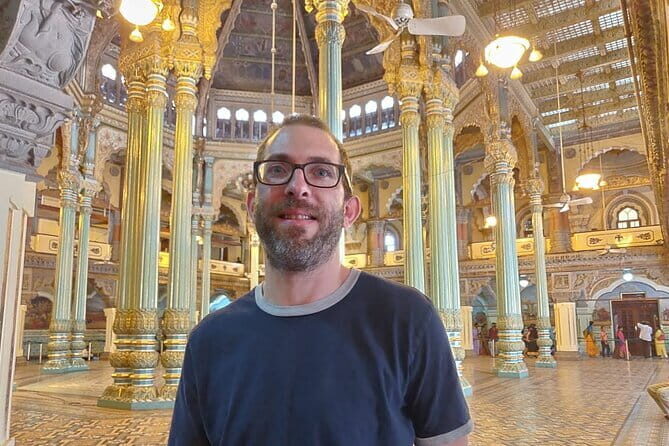
At $106 per person for an ~8-hour private day, the best way to think about value is what’s already included. This price covers:
- Pickup offered and air-conditioned transport
- A professional guide
- Entrance charges for the paid stops
- All fees and taxes
- Lunch (South Indian vegetarian)
The parts that are not included are simpler. Beverages are not included, so plan for water and any drinks you’ll want during breaks.
One more practical note: you’ll typically book about 5 days in advance on average. That suggests the dates can fill up, especially if you want a specific guide or a particular start time. If you’re traveling around busy seasons, booking earlier is a smart move.
Also, there’s group discounts mentioned. If you’re traveling with friends or extended family, it may be worth checking whether your group size improves the per-person deal.
Mysore Palace: Indo-Saracenic grandeur in your first hour
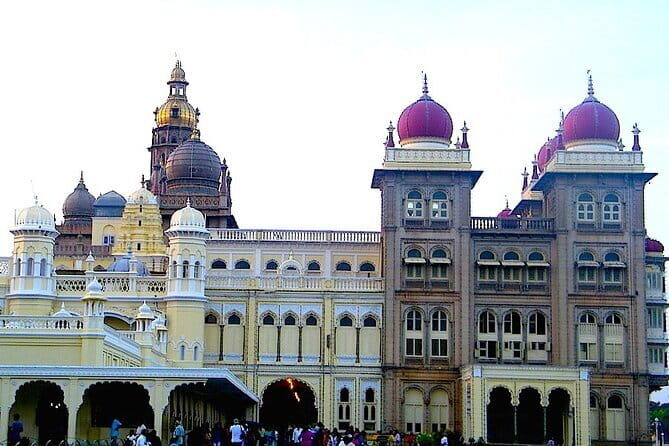
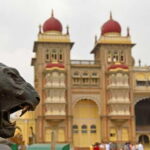
Your day starts at Mysore Palace, with about an hour on site. This palace is famous for its Indo-Saracenic style—an unusual blend of influences that includes Hindu, Muslim, Rajput, and Gothic elements. The effect, in plain terms, is that the building doesn’t look like one single architectural tradition. It looks like Mysore chose the best bits from different worlds and then made them unmistakably its own.
Because the stop is about an hour, you won’t be able to read every detail like an architecture student. But you can still do the important thing: get your bearings, notice patterns, and understand why the palace symbolized power in the kingdom.
If you want photos, early in the day is your friend. Light conditions can change during the afternoon, and you’ll likely appreciate having time to capture the palace before you move on to the Tipu Sultan sites.
Sri Rangapatnam and Tipu Sultan’s summer palace
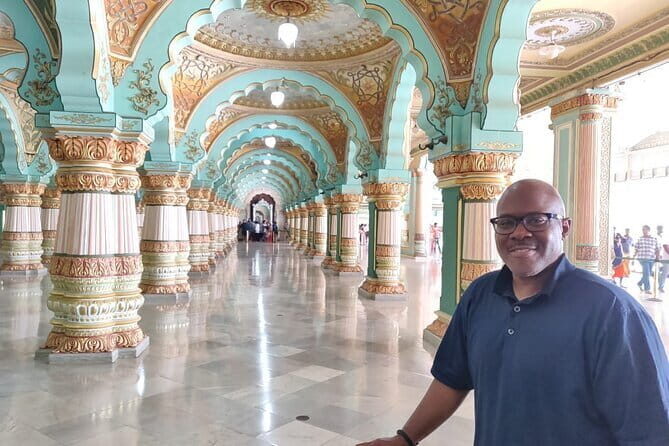
Next comes Dariya Daulat Palace, Tipu Sultan’s summer palace, located in Sri Rangapatnam—the 18th-century capital linked to his reign. You’ll spend about an hour here, and the design is the kind of contrast that makes the tour feel like more than one “important building.”
Tipu Sultan’s legacy is part story, part conflict, part myth. The tour frames his life through his famous tiger story and the wider political history of his era. Whether you already know Tipu well or only know the basics, this stop helps you connect names to places. That matters, because Mysore’s history can feel like a string of facts until someone ties it to a physical location.
One big win of this stop is preservation and interior detail. This is often the moment people feel they got real value out of the day because the palace isn’t just impressive from the outside—it gives you something to look at inside, too. Plan to slow your pace slightly when you’re inside so the time doesn’t vanish.
Captain Bailey’s Dungeon: a short stop with heavy context
Then you step into Captain Bailey’s Dungeon, sometimes linked to Colonel Bailey, with about 20 minutes allocated. This is the darker wartime side of Tipu’s story. The dungeon is described as the place where Tipu imprisoned several British officers during the war.
Because it’s short, treat this as a “context stop,” not a long-history stop. You’ll want to focus on the main story the guide is explaining and the emotional tone of the space. If you’re the type who likes to learn through atmosphere—how history can feel close—this brief visit can hit harder than a longer stop.
If you’re traveling with kids, this is one of the stops where the guide’s tone matters. A good guide can keep it factual without making it unnecessarily scary, and you’ll still come away understanding why this place is remembered.

Sand sculpture museum: 45 minutes of pure wow
Next is the Mysore Sand Sculpture Museum, a highlight for many people because it changes the pace and the visuals. The tour describes it as India’s first sand sculpture museum, with a build story that’s oddly impressive: it took about four months and 115 loads of construction sand. There are 16 themes and around 150 sculptures mentioned, so there’s a lot to look at in a limited time.
In 45 minutes, you won’t see everything with the attention you’d give a museum with a whole afternoon. But you can still get a strong sense of the scale and creativity. The trick is to let yourself pick a few themes rather than trying to see every single piece.
If you’re traveling with mixed ages, this stop tends to work because sand sculptures are easy to react to. Adults see craftsmanship and effort; kids see images they recognize. It’s also a nice break after the heavier royal and conflict sites—your brain gets a visual reset.
St Philomena Church: a lesson in secular ideals
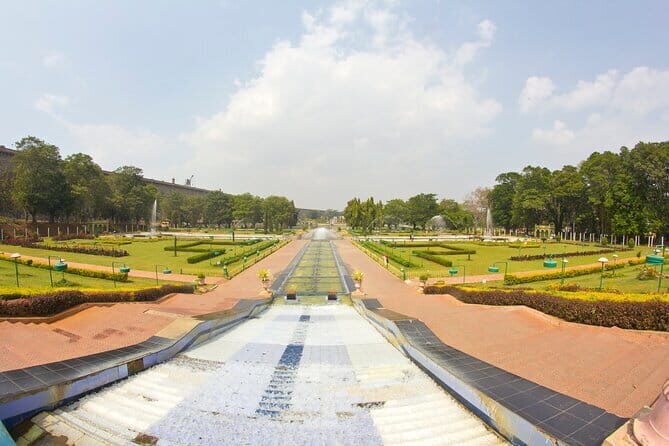
After the sand museum, you visit St Philomena Church for about 45 minutes. This stop is described as Asia’s second largest church, built in 1840. It earlier had the name St Joseph Chavez, then later took on the current name in 1933. The tour frames it as part of the secular ideals of the Mysore Maharajas, which is a helpful way to understand why the church belongs in a Mysore highlights day.
What I like about including a church like this in an otherwise royal-and-war itinerary is that it broadens the picture. Mysore isn’t only palaces and power struggles. It’s also about religious institutions and the way rulers and cities shaped plural life.
You don’t need to be a church architecture expert to enjoy this. Focus on the scale and the meaning the guide gives you—how the church fits into the broader story of Mysore’s rulers and their approach to society.
Devaraja market: where Mysore smells like real life
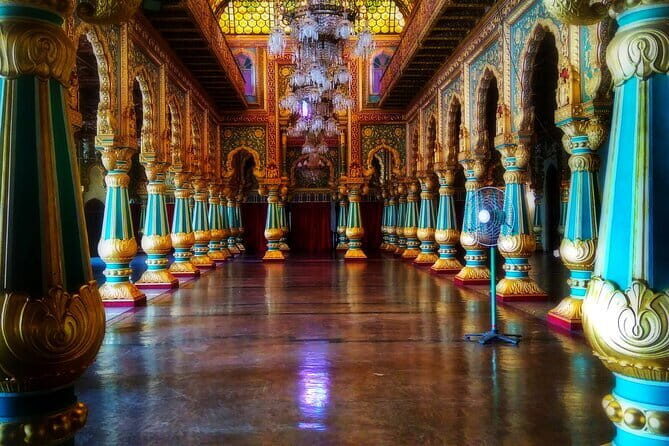
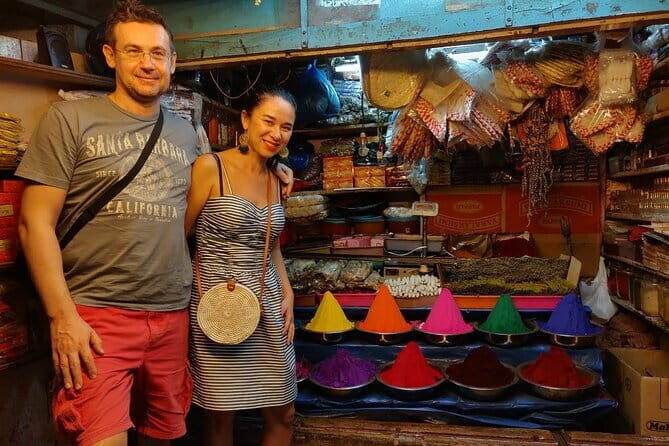
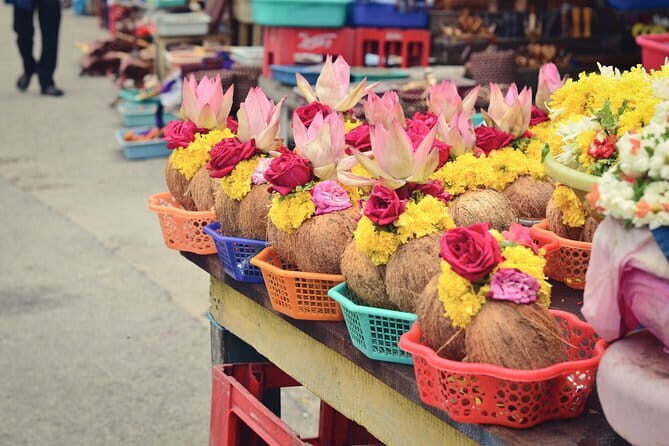
To end the day, you head to Devaraja market (about 45 minutes). This is the charming old bazaar of Mysore, and the tour describes it as a sensorial stop: flowers, vegetables, fruits, jaggery, onions and potatoes, puffed rice, coconuts—food and ingredients that feel immediate rather than staged for tourists.
This is your chance to see daily Mysore beyond the major monuments. Even if you don’t buy much, your eyes and nose get a workout. If you want souvenirs that feel local—spices, snack items, or small gifts—this market is a practical place to look.
One piece of real-world advice: markets are hot, crowded, and full of moving parts. Wear comfortable shoes, and don’t feel pressured to bargain if you’re not in the mood. The value here is the experience of walking through the place.
Guides and drivers: the difference between okay and excellent
Because this tour is private, the guide can truly make or break the day. Names like Manjunath and Shiva come up as people who explain the important stories tied to each location, and also connect the sites to bigger cultural references. Chethan is mentioned as accommodating and attentive, with a pace that helps you relax while still seeing everything. Harish is credited with on-time arrival and smooth entries, which matters more than most people think.
What you should look for, regardless of guide name, is how they:
- Give clear context before you enter each site
- Keep the story focused so the short time feels meaningful
- Help you move efficiently inside places so you’re not just standing in lines
A good tour guide also helps with pacing. In an eight-hour day, there’s no room for wandering off and “finding it later.” When it works, you feel taken care of, like you’re watching Mysore unfold in a sensible order.
Lunch and the pace: where the day feels like it earns its price
Lunch is South Indian vegetarian, included in the price. This is one of the stops that tends to make people feel like the tour delivered real value. Why? Because it removes a major “day planning headache.” You don’t have to hunt for food between monuments, and you’re not stuck with overpriced, mediocre options in tourist zones.
Timing-wise, the schedule is tight but structured: you’ll have a mix of paid admissions, museum time, and two cultural stops (church and market). It works best if you’re okay with a moving rhythm and you treat each place like a chapter rather than a full book.
If you’re a slow traveler, this might feel like too much. If you’re the type who likes seeing the highlights and then coming back later for deeper exploration, you’ll likely love it.
Who this tour suits best (and who should think twice)
I think this works especially well for:
- First-time visitors to Mysore who want a reliable overview
- Families who need a guided day that stays organized
- Travelers who like history but don’t want to spend hours planning routes and tickets
- People who enjoy a mix of royal sites and something unusual like the sand sculpture museum
You might think twice if:
- You want lots of free time at each stop
- You hate short museum visits and prefer slow, detailed wandering
- You’re sensitive to heat and crowds, because the market and outdoor areas can be intense
Quick practical tips to get the most from your day
A few small choices can make the day smoother:
- Wear comfy walking shoes; you’ll move through multiple sites back-to-back.
- Bring a hat and sunscreen for the market.
- Plan to drink water early since beverages aren’t included.
- If you care about photos, ask your guide where to stand before you rush inside.
Also, since it’s private, your group can set the tone. If you’re curious about architecture, mention it at the start. If you want more story and less standing around, say so. The guide can usually adjust within reason because the day has a set structure.
Should you book this Mysore highlights tour?
I’d book this tour if you want a full, well-organized Mysore day that blends palace grandeur, Tipu-era history, an unusual sand-sculpture experience, and real local life at Devaraja market. The value is strongest because the price includes more than just transport—it covers entrance charges and lunch, which removes the usual budget surprises.
I would not book it if your ideal day is slow and deeply detailed at one or two places. This is a highlights package, and the time at each site is deliberately limited to fit everything in.
If your priority is seeing the major Mysore anchors in one day—without logistical stress—this tour checks the boxes.
FAQ
What’s the total duration of the tour?
The tour runs for about 8 hours, with travel time between stops included in that total.
How much does the tour cost per person?
It’s $106.00 per person.
Is pickup included?
Pickup is offered.
Is the tour private?
Yes. It’s private, so only your group participates.
What’s included with the price?
The price includes an air-conditioned vehicle, a professional guide, lunch (South Indian vegetarian), all fees and taxes, and entrance charges for the listed paid sites.
Are beverages included?
No. Beverages are not included.
Which main stops are included?
The tour includes Mysore Palace, Dariya Daulat Palace (Tipu Sultan’s summer palace), Captain Bailey’s Dungeon, Mysore Sand Sculpture Museum, St Philomena Church, and Devaraja market.
Are admission tickets included?
Entrance charges are included for the stops where admission is required. St Philomena Church and Devaraja market are listed with free admission tickets.
How far in advance is the tour typically booked?
On average, it’s booked 5 days in advance.
What’s the cancellation policy?
You can cancel for free up to 24 hours in advance for a full refund.
Is there mobile ticketing?
Yes, a mobile ticket is included.
Is the tour suitable for most travelers?
Most travelers can participate.