REVIEW · JAIPUR
Private Natural Dye and Block Print Workshop with Lunch
Book on Viator →Operated by Dye it Yourself · Bookable on Viator
Color turns into a hands-on skill in Jaipur. In this private natural dye and block print workshop, I like that you learn how color is made—then you use it in real techniques like Shibori tie dye and block printing. You also get the sustainability angle, including how natural dyes can reduce the pollution tied to chemical textile dyes.
What I really like is the way the workshop is taught by people who clearly care about the craft, with team members including Sidhant and Vaibhav. A second strong point: everything feels practical, so you go home with an organic garment you dyed yourself, plus dye supplies for more experimenting.
One possible drawback to keep in mind: wearing clothes and shoes you don’t mind getting stained is part of the deal. Natural dyes can be messy, and the workshop notes it can get tiring—so go in with comfy shoes and a relaxed mindset.
In This Review
- Key highlights at a glance
- Natural dyeing in Jaipur: a craft you can actually use
- Your 5.5-hour flow: what happens from start to finish
- Natural dyeing: learning where yellow, red, and green actually come from
- Shibori tie dye: the pattern-making you control
- Block printing with natural colors: making a repeatable motif
- Lunch and tea breaks: fuel without losing the momentum
- What you take home: dye packs, an organic cotton garment, and more
- Price and value: is $190 a fair deal?
- Who should book this workshop (and who might hesitate)?
- Quick tips to get the best results
- Should you book Dye It Yourself in Jaipur?
- FAQ
- How long is the workshop?
- What does the price include?
- Can I bring my own fabric or garments to dye?
- What time does the workshop run in Jaipur?
- Where does the activity start and end?
- Is transportation included?
- What if the weather is poor?
- Is there a cancellation option?
Key highlights at a glance
- Three crafts in one session: natural dyeing, Shibori tie dye, and block printing
- Hands-on teaching throughout with guidance from the DIY team
- You work with natural color sources and learn the fundamentals behind extracting shades
- Take-home materials are a big part of the value, not just a souvenir
- Vegetarian lunch thali plus snacks keep your energy steady during the 5.5-hour workshop
Natural dyeing in Jaipur: a craft you can actually use
If you’re the type who reads labels on clothing and wonders what’s really happening behind the scenes, this workshop has an honest hook: dyeing doesn’t have to mean harsh chemicals. The idea here is simple. Chemical dyes are a major pollution source in textiles. Natural dyeing is presented as a way to make different choices—and to include sustainability as a filter before you buy.
The workshop is called Dye It Yourself, and it’s designed to be more than a demonstration. You learn the basics of where color comes from, how natural shades are extracted, and how traditional techniques can be repeated by regular people, not just artisans.
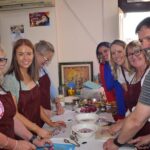
The vibe is part classroom, part studio. You’ll hear about the history and fundamentals, but the main focus is doing the work yourself. Expect to go home with a dyed organic cotton garment you created in the session and additional dye packs to keep experimenting later.
You can also read our reviews of more private tours in Jaipur

Your 5.5-hour flow: what happens from start to finish
The session runs about 5 hours 30 minutes and is offered daily between 10:00 AM and 5:00 PM. You start and end back at the same meeting point (so you don’t need to think about transportation timing at the end).
The structure is in three segments—natural dyeing, Shibori tie dye, and block printing—plus breaks for tea/snacks and a vegetarian lunch thali. It’s not a rushed “see and leave” experience. The workshop is built around letting you try each process, and the reviews you’ll read about the experience repeatedly point to this hands-on setup.
Practical note: the workshop recommends comfortable shoes because the pace can feel active. You’ll be moving around a work area, handling materials, and standing for periods while you set up and work through different steps.
Natural dyeing: learning where yellow, red, and green actually come from
The natural dye portion is where the experience becomes more than craft theater. You go through a guided introduction to natural colors and the fundamentals of natural dyeing—then you learn how colors are extracted.
You’ll explore natural shades like yellows, orange, brown, pink, blue, red, and greens from sources around you. The workshop also emphasizes using waste and byproducts from everyday life—like waste from the kitchen and surrounding areas—as part of the dyeing approach. That detail matters. It shifts natural dyeing from “special hobby in a perfect lab” into something more realistic, tied to materials you can find and ideas you can repeat.
In practical terms, this is the segment that gives you the mental toolkit. Even if your results aren’t perfect the first time, you’ll understand what’s happening: dye has to be extracted, prepared, and applied in a way that lets color take hold in fabric.
You’ll also get a clearer sense of why sustainable dyeing is treated like a system. It’s not just the final color; it’s the process and inputs that change the environmental impact.
Shibori tie dye: the pattern-making you control
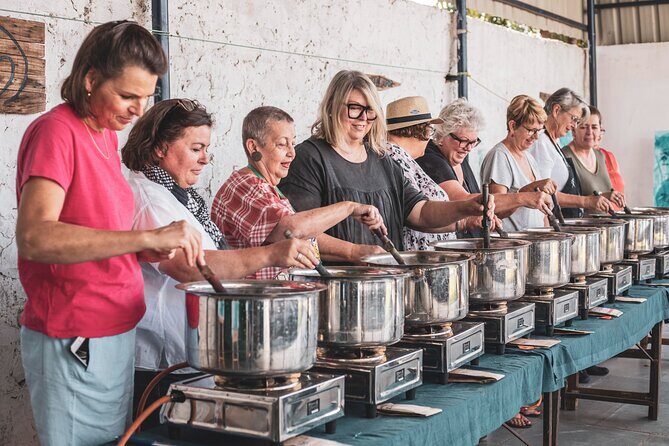
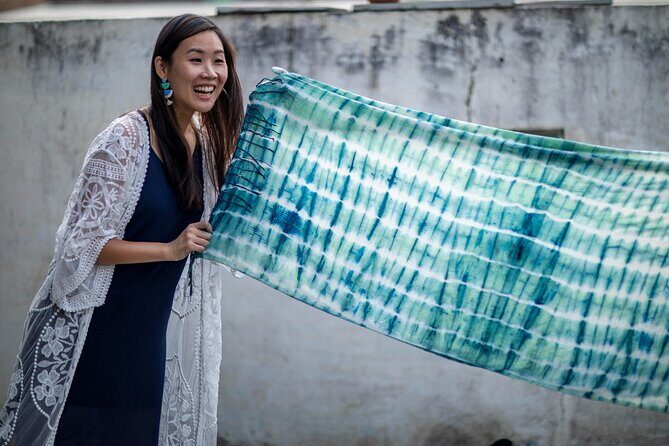
Next comes Shibori tie dye, which is where the workshop feels especially creative. With tie-dye and folding/binding techniques, you don’t just choose a color—you choose a structure, and that structure becomes the final pattern.
You’ll be given all necessary materials and asked to try the process yourself, not just watch. The instructor team frames Shibori as part craft, part experiment. Natural colors can vary in how they land on fabric, and Shibori adds another layer of choice through where you bind, fold, or secure fabric.
The experience aims to keep you engaged with experts who have been practicing these arts for generations. In practice, that means you can ask questions as you work and adjust your approach. The goal isn’t perfection on a single attempt; it’s learning how to think and act through the steps so you can repeat it later.
And yes, natural dyeing plus tie-dye is messy in the normal way. If you want spotless clothes and zero staining anxiety, this is probably not the right day-trip activity for you.
Block printing with natural colors: making a repeatable motif
Then you shift into block printing, where the workshop turns patterns into something you can scale and repeat. This part is a great match for people who like design and structure, because block printing is about aligning a motif and transferring ink/dye onto fabric consistently.
You’ll work with the natural colors learned earlier and apply them through the block printing process. The materials are provided, and you create results with the dyes and techniques you’re learning in the workshop.
What I like here is that block printing is easy to understand but hard to master in the best way. You can see your outcomes quickly, so you stay motivated. And because the dyes are natural, you’ll also notice how color behaves compared with what most people expect from store-bought dye.
By the end of this segment, you’re not just carrying home a single item. You’re carrying a method—something you can reuse when you’re back home and deciding whether to gift textile art, refresh old fabric, or start experimenting with small pieces first.
A few more Jaipur tours and experiences worth a look






Lunch and tea breaks: fuel without losing the momentum
Halfway through a craft-heavy session, the food matters. This one includes a Vegetarian Thali lunch: three vegetable dishes, chapati, rice, curd, and a sweet. That’s a filling mix, and it should keep your energy stable while you’re still working with dye materials and handling fabric.
You’ll also get Indian tea and cookies, plus bottled water. In other workshops, breaks can feel like an afterthought. Here, the structure seems designed so you can reset without dropping the rhythm of the dyeing work.
If you’re worried about timing, the workshop duration is long enough that you’ll get a real pause, not just a quick snack stop.
What you take home: dye packs, an organic cotton garment, and more
This workshop’s value isn’t only in what you learn. It’s in what you can keep. Each participant receives a take-home kit that includes:
- 4 natural dye packs (50 grams each)
- An organic cotton garment to take home (you can select among options like a scarf, dress, shorts, placemat, or cushion cover)
- An organic cotton bag
That’s a meaningful bundle because it lets you continue the hobby after the workshop, not just after the photos. Four dye packs means you can practice again, test results, and explore how different fabrics or dyeing times change the look.
You’ll also have the option to bring additional fabric or garments to dye during the workshop. If you’ve already got a favorite plain cotton item you’d like to transform, this is your chance to do it in a guided setting.
Price and value: is $190 a fair deal?
At $190 per person for about 5.5 hours, this isn’t a cheap throw-in workshop. But value here comes from several areas that add up fast:
- Materials included: dye packs, an organic cotton garment, and an organic cotton bag are part of the price.
- Time and instruction: you’re learning multiple techniques (natural dyeing, Shibori, block printing) and trying each process yourself.
- Food: lunch plus tea/snacks and bottled water are included, which matters on a day when you’re active.
- Private group setup: it’s a private activity with only your group participating, which usually means more attention and less waiting around.
The one thing you don’t get is private transportation. If you’re staying far from the meeting point, you’ll want to budget for getting there and back.
If you want a souvenir only, this is too hands-on. If you want real skills—plus a take-home kit that extends the project past your trip—the price starts to make sense.
Who should book this workshop (and who might hesitate)?
This is a great fit if you:
- care about sustainability and want practical context for why textiles can have an environmental cost
- like hands-on creative classes where you control the outcome
- want to learn more than one technique in a single session
- enjoy seeing how natural colors behave on fabric
You might hesitate if you:
- dislike mess and staining risk, even with natural dyes
- want a mostly sit-and-watch experience (this is hands-on)
- are very short on time, since this is a half-day commitment
The overall format also suits most people, and the workshop notes that most travelers can participate. Still, if you’re sensitive to getting your hands dirty or being on your feet, go in prepared.
Quick tips to get the best results
- Wear comfortable shoes and clothes you’re okay with getting stained.
- Bring extra fabric if you have something plain cotton you want to personalize.
- Ask questions as you work—this workshop is set up for interaction with the team, including Sidhant and Vaibhav.
- Keep your expectations realistic: natural dye results can vary, and the learning is part of the experience.
Should you book Dye It Yourself in Jaipur?
I think you should book it if you want a craft day that’s educational, active, and directly connected to sustainability—not just a quick activity to fill a morning. The best part is the mix: you learn the color science basics, then you apply them through multiple techniques. Plus, the take-home kit makes it more than a one-day memory.
If you’re on the fence because of mess or effort level, don’t overthink it—just dress for it. Natural dyeing is tactile, and that’s exactly why it works.
If your goal is to leave with wearable art, dye knowledge, and a method you can reuse at home, this workshop is a strong choice.
FAQ
How long is the workshop?
It runs for about 5 hours 30 minutes (approx.).
What does the price include?
The price includes all necessary materials, a take-home bundle with 4 natural dye packs (50 grams each), an organic cotton garment you can choose from, an organic cotton bag, vegetarian lunch thali, snacks (Indian tea and cookies), and bottled water.
Can I bring my own fabric or garments to dye?
Yes. You can bring as much fabric or as many garments as you want to dye during the workshop.
What time does the workshop run in Jaipur?
The opening hours are Monday through Sunday, from 10:00 AM to 5:00 PM.
Where does the activity start and end?
It starts at QQ7J+M27 Kokawas, Rajasthan, India, and it ends back at the meeting point.
Is transportation included?
No. Private transportation is not included.
What if the weather is poor?
The experience requires good weather. If it’s canceled due to poor weather, you’ll be offered a different date or a full refund.
Is there a cancellation option?
Yes. You can cancel for a full refund up to 24 hours in advance. If you cancel less than 24 hours before the start time, the amount paid will not be refunded.