REVIEW · DHARAVI
Mumbai: Dharavi Walking Tour with Options
Book on GetYourGuide →Operated by Reality Tours and Travel Private Limited · Bookable on GetYourGuide
Dharavi surprises you. This private, responsible Mumbai walking tour is designed to show how Dharavi works day to day, with education that doesn’t treat residents like a spectacle.
I especially like the start: you get city context first, including a drive past major parts of Mumbai’s past industry and a stop at Dhobi Ghat, the world’s largest open-air laundry. Then you walk into working life—recycling, pottery, embroidery, soap making, leather tanning, poppadom-making—and you even get a chance to climb up for a rooftop view over the settlement.
One thing to plan around: there’s a strict no-photography rule, and the route involves narrow alleys and uneven ground, so it’s not for limited mobility.
In This Review
- Key highlights worth your attention
- Dharavi isn’t a movie set. It’s a working neighborhood
- Getting the city context first: Colaba to Dharavi, plus Dhobi Ghat
- The guided alley walk: trades you can actually recognize
- Navrang Compound and Kumbharwada: everyday blocks with clear purpose
- “Reality Gives–Mumbai” and the education/skills angle
- Rooftop viewpoints: seeing the whole settlement at once
- Temples, mosques, churches, and pagodas side by side
- Lunch in Dharavi: what to expect (and what to confirm)
- The respect rules: no cameras, modest dress, and tight movement
- Price and logistics: why $77 can be fair value
- Where you meet and how drop-off works
- Who should book this Dharavi private walking tour
- Should you book this Dharavi walking tour?
- FAQ
- How long is the Mumbai Dharavi walking tour?
- What is the price per person?
- Is the tour private or group-based?
- What language is the guide?
- Where do I meet the tour?
- What is included in the price?
- Is hotel pickup included?
- Can I take photos?
- What should I wear or bring?
- Is the tour suitable for people with limited mobility?
Key highlights worth your attention
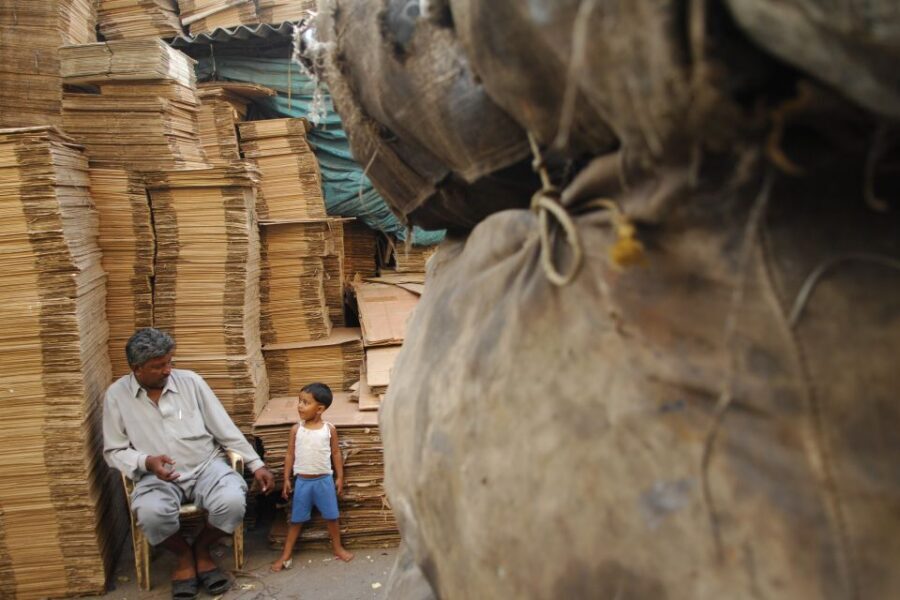
- Ethical, non-intrusive approach focused on education and respectful interaction
- Dhobi Ghat stop before you head into Dharavi
- Working businesses on display: recycling, leather work, food production, and more
- Rooftop viewpoint for a real sense of scale
- Community reinvestment model tied to education, skills, and healthcare projects
- Private setting with an English-speaking local guide for your group
Dharavi isn’t a movie set. It’s a working neighborhood
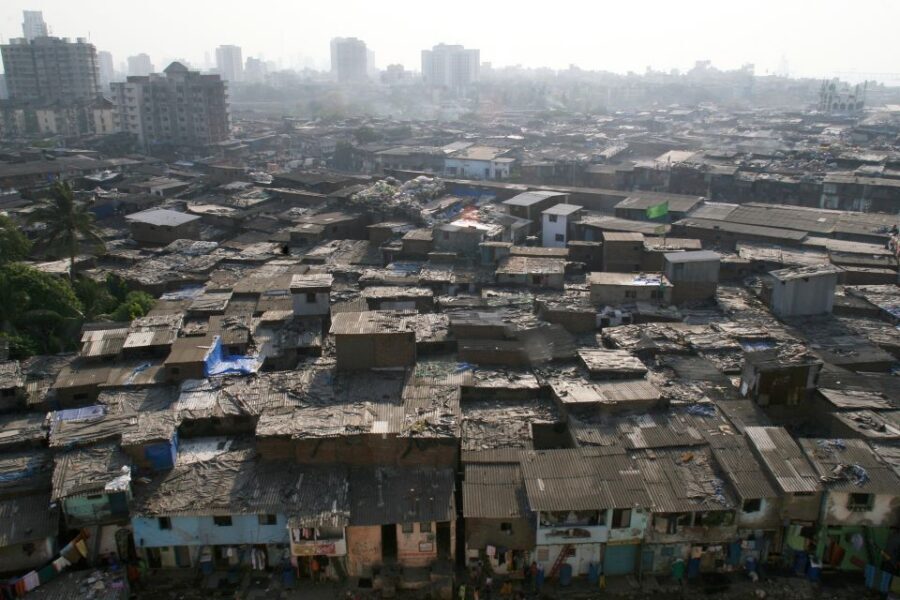
Dharavi is often described as Asia’s largest slum, but the tour experience pushes you to see something more useful: people living and earning, block by block. You learn that the area is home to more than one million people and tens of thousands of businesses. The point is not shock value. It’s how the place functions—and how residents build livelihoods inside it.
A big reason this tour lands well is the tone. The guide’s job is to keep things safe for visitors and non-intrusive for locals. That means clear expectations, careful routing through narrow lanes, and a lot of talking about entrepreneurship and community—not about sensational headlines.
If you’re nervous because you’ve heard scary stories, you’ll likely find the vibe more grounded than you expect. Strong feedback on this tour often mentions that Dharavi can feel like one neighborhood with ordinary energy, including kids around, shopfront activity, and lots of everyday smiles.
You can also read our reviews of more tours and experiences in Dharavi.

Getting the city context first: Colaba to Dharavi, plus Dhobi Ghat
The tour starts with a drive out from Colaba toward Dharavi. This matters more than you might think. Mumbai can feel like a blur of extremes, and the car portion helps you understand why Dharavi became part of the city’s story in the first place.
As you pass areas tied to the city’s older industries—like the historical textile mill belt—you’re given a framework for how Mumbai evolved. You also learn about ongoing social issues as you move past places like Kamathipura, known for its red-light district. The added context helps you interpret what you’ll see later in Dharavi with less guesswork and more perspective.
You’ll also stop at Dhobi Ghat, described as the largest open-air laundry in the world. Even if you’ve seen photos, it’s the kind of place that makes you understand Mumbai’s labor economy in one glance: people working, water used with purpose, and the scale of daily production.
Then you shift from “city context” mode to “walk-and-listen” mode. That transition is a big part of why this tour works: it stops you from treating Dharavi like an isolated topic.
The guided alley walk: trades you can actually recognize
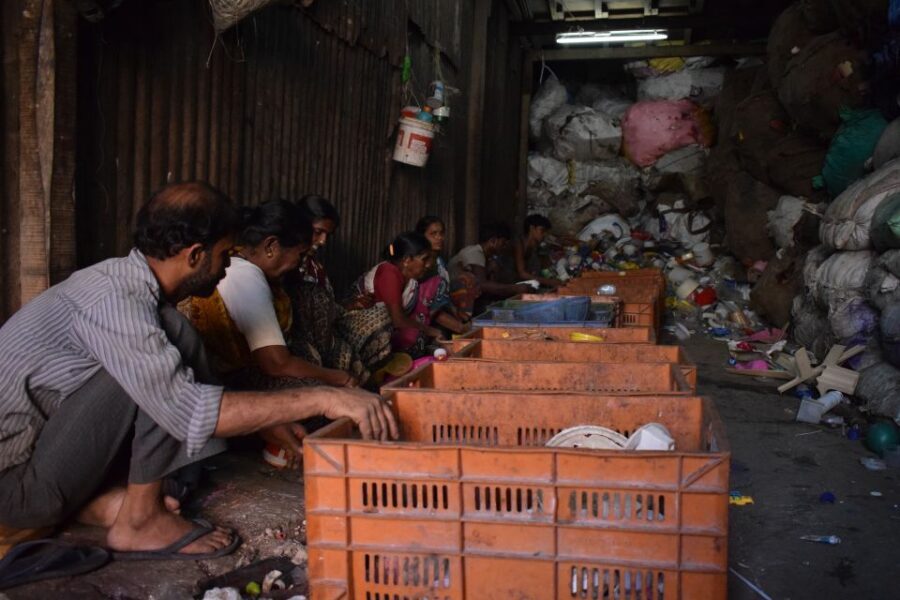
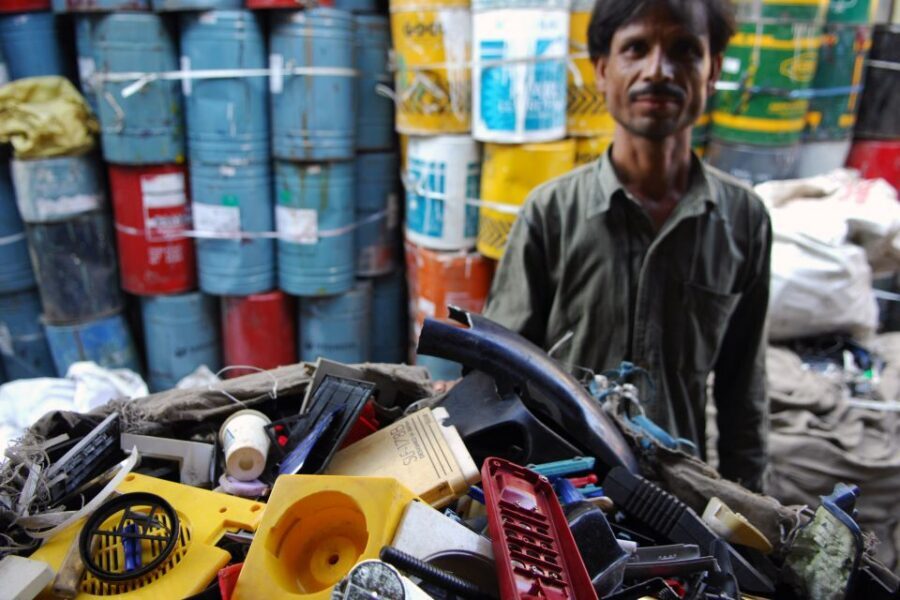
Once you start the walking portion, you’re with a friendly local English-speaking guide who moves you through the maze of Dharavi alleys. This is where you stop thinking in stereotypes and start thinking in systems: how goods are made, recycled, repaired, sold, and shipped.
You’ll see thriving local businesses tied to real skills, including:
- Recycling operations
- Food production
- Pottery-making
- Embroidery
- Bakery and soap making
- Leather tanning/work
- Poppadom-making
The practical value here is huge. When you can put names and industries to what you’re seeing, the place becomes understandable. You’re not just looking at “conditions.” You’re observing work processes and supply chains operating at human scale.
Your guide also takes care with how you interact. There’s a safety briefing early on, and the tour keeps the focus on conversation—why people run businesses, what community support looks like, and how neighbors live side by side.
If you’re the type who likes photos, you’ll have to adjust your habits. There’s a strict no-photography policy, and that’s not just a technical rule—it’s part of respecting privacy in a densely lived community.
Navrang Compound and Kumbharwada: everyday blocks with clear purpose

A good Dharavi tour isn’t only about workshop floors. It also needs to show how the community is organized—where commerce meets homes.
Stops like Navrang Compound and Kumbharwada help you see that Dharavi isn’t one uniform scene. Different areas feel different because they serve different functions: business activity here, residential life there, and community infrastructure everywhere.
What I like about this approach is that it prevents a “single view” experience. If your only exposure to slums is from headlines, your mind usually expects one thing: poverty. This tour nudges you toward a more accurate takeaway: people are negotiating space, work, religion, family life, and trade all at once.
You’ll also spend time walking through the narrow lanes where you can’t rush. That sounds like a small detail, but it changes how you understand the place. You learn how residents move, where work happens, how people manage crowds, and why the guide’s route matters.
A downside to expect: the alleys can be dirty, and the ground can be uneven. The tour recommends comfortable closed-toe walking shoes, especially if you’re visiting during the monsoon months (June to mid-September).
“Reality Gives–Mumbai” and the education/skills angle
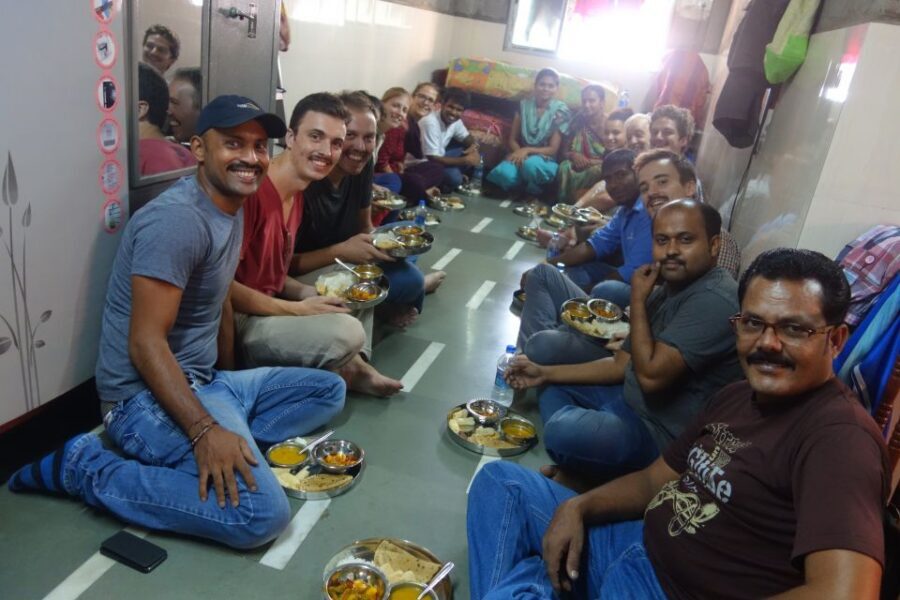
One of the more meaningful parts of the experience is getting a clearer picture of how tour profits are reinvested. The tour notes that proceeds support community initiatives such as education, skills development, and healthcare projects.
You’ll visit a location tied to the Reality Gives–Mumbai name, and you’ll also spend time in a class setting. The goal isn’t to turn these into performances. It’s to show that the story doesn’t end at walking through streets and looking at workshops.
For you, this matters because it changes the purpose of your visit. Instead of thinking of the tour as pure observation, you get a better sense of how the business model connects to training and services—things that can help people build stability over time.
Still, keep your expectations realistic. A short tour can’t fix anything. It can, however, help you understand where money goes and why ethical operators work to keep the interaction respectful.
Rooftop viewpoints: seeing the whole settlement at once
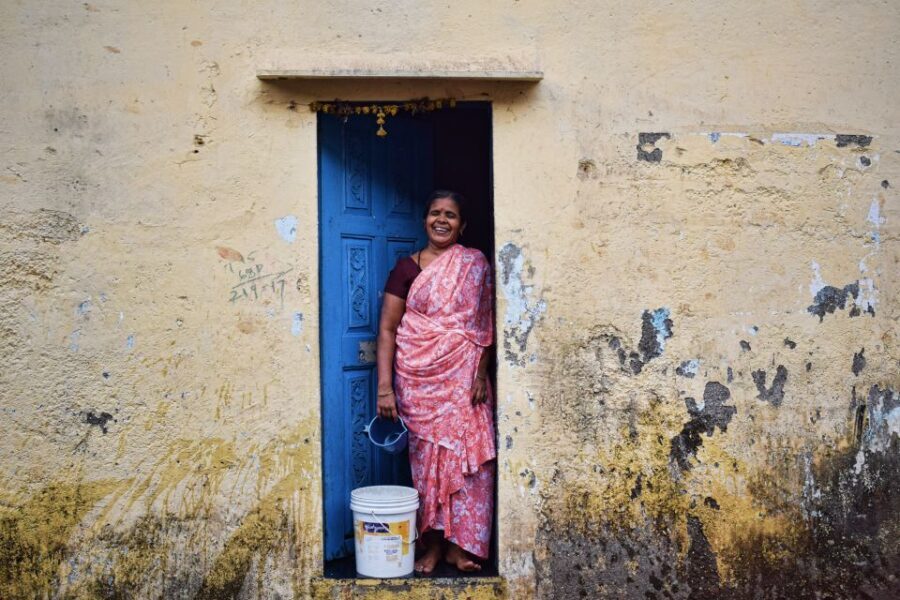
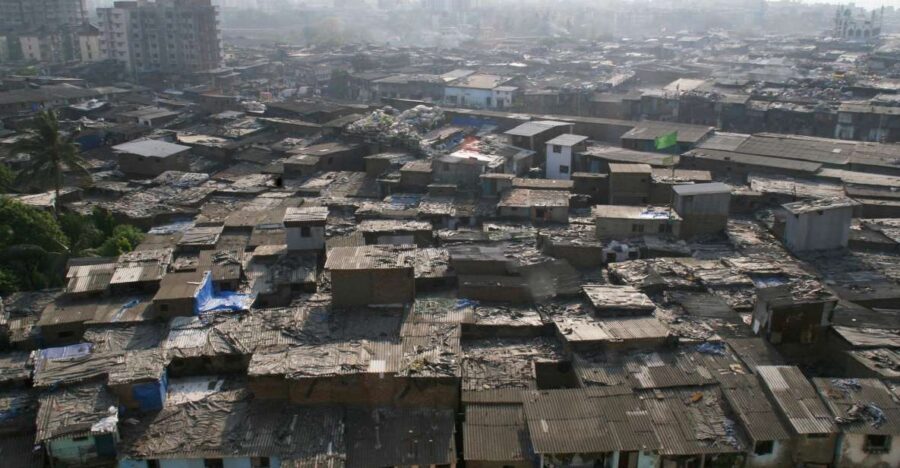
There’s a special moment on this tour that many people love: climbing up to see the settlement from above. When you’re down in the alleys, Dharavi can feel like a tight maze with one immediate view at a time. From a rooftop, the whole place reads differently.
That rooftop moment gives you scale. You can connect the dots between workshops you saw below and the residential areas around them. You can also notice how dense living and working are—how close everything sits, and how vertical space becomes part of daily life.
It’s also a mental reset. After walking, it’s hard to hold the big picture. The viewpoint helps you summarize what you learned without relying on imagination.
As always, respect rules and the guide’s direction during this part. This is a living community, not a sightseeing platform.
Temples, mosques, churches, and pagodas side by side
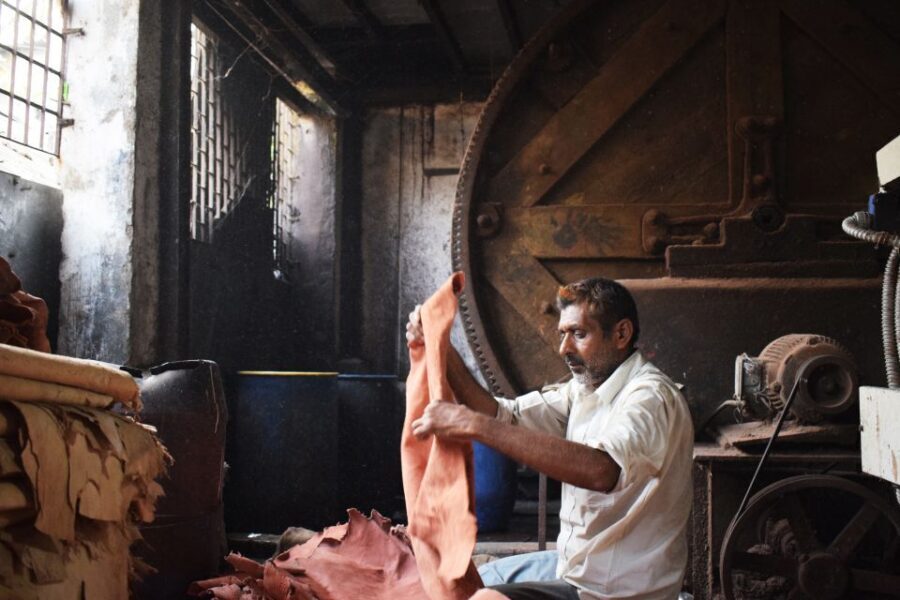
One of the tour’s most practical lessons is about diversity. Dharavi draws people from all over India, making it a microcosm of the country. That mix shows up in the places of worship you pass—temples, mosques, churches, and pagodas standing close together.
Why this matters: it counters the idea that a slum is only one story. Religion and culture aren’t extras here. They’re everyday life, shaping community identity and routine.
It also helps you understand how social fabric holds. When different groups live and work near each other, you see tolerance in practice, not just in theory. The guide’s storytelling usually frames these facts around community and cooperation.
Lunch in Dharavi: what to expect (and what to confirm)
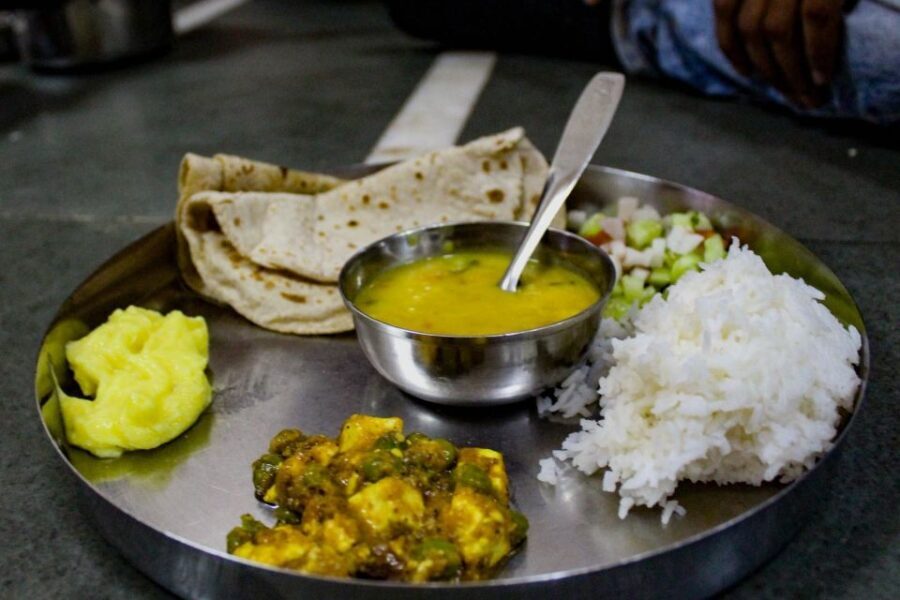
You’ll have a lunch break during the tour, with time set aside for regional food. This is a good opportunity to slow down after walking and to ask your guide questions in a calmer setting.
One catch for planning: the tour includes water or a cold drink, but food is listed as not included. That means you should expect to pay for your meal unless your exact option states otherwise.
If you want to eat, bring a simple mindset: try what’s available, keep it modest, and stay open to unfamiliar flavors. Just remember the tour rules about appropriate clothing and no large bags, since you’ll be moving through tight areas.
The respect rules: no cameras, modest dress, and tight movement
This tour comes with clear guidelines for good reasons. You’re walking through homes and workplaces where privacy matters.
Here’s what to plan around:
- No photography is allowed, including cameras during the walk
- Dress modestly: no sleeveless or low-cut tops, and short shorts aren’t allowed
- Wear comfortable closed-toe shoes (especially in monsoon season)
- Avoid baby strollers and don’t bring luggage or large bags
These rules can feel strict at first, especially if you like documenting trips. But they’re part of why the tour aims to be educational rather than intrusive.
Also note the tour isn’t recommended for limited mobility. The route is not set up for wheelchairs or slow movement through narrow alleys.
Price and logistics: why $77 can be fair value
At $77 per person for a private walking tour lasting about 2.5 to 3.5 hours, the value depends on what you want: a tailored, ethical guided experience with context and trade-specific stops.
You’re not just paying for walking. You’re paying for:
- an English-speaking local guide
- water/cold drink
- the ethical management of the route
- the car segment that sets up Mumbai’s history and social context
- stops that connect Dharavi to wider city life (including Dhobi Ghat)
- visits that explain how tour proceeds link back to education and community initiatives
Is it expensive? Compared with generic group tours, yes. Compared with getting a private guide who handles the respect rules and neighborhood navigation, it can feel like reasonable pricing.
Group size is also favorable: the tour can be booked for up to 4 people in one private booking. If you have family or friends to share the cost, the per-person value often improves.
Where you meet and how drop-off works
Meeting points are clearly set, and this can save you stress.
You meet at either:
- Churchgate Station, at Wheeler Convenience Store (about 30 metres before the platforms), near the station’s entrances and subways
- Mahim Railway Station, at the main entrance and ticket office on the West side (look for V-Jai Restaurant and Bakery opposite, and Cafe Coffee Day diagonally opposite)
Drop-off is listed at Reality Tours & Travel, Mahim Junction (there are two drop-off locations, but Mahim Junction is one of them).
Tip: arrive a bit early. These station meeting spots can be confusing on a first pass, especially in Mumbai’s busy transit areas.
Who should book this Dharavi private walking tour
This experience is best for you if you want:
- a private setting (your questions get time)
- a guide-driven experience focused on entrepreneurship and real work
- context about Mumbai’s history and social issues
- a tour that aims to be ethical and non-intrusive
It’s less suitable if:
- you need photography-friendly sightseeing (the no-camera rule is firm)
- you have limited mobility or use a wheelchair
- you’re expecting a relaxed pace with minimal walking
If you go in with curiosity and respect, you’ll likely come away with a much clearer picture of how Dharavi functions as a community and an economy.
Should you book this Dharavi walking tour?
I’d book it if you want an educational, ethical Mumbai experience that connects city context, working trades, and community reinvestment into one guided route. It’s not designed for shock or spectacle, and that’s a plus.
Skip it if you strongly dislike walking in tight, potentially dirty alleys, need wheelchair access, or want to take photos. The rules are part of what keeps the experience respectful.
If you’re the type who likes to understand systems—work, craft, supply chains, and community support—this tour offers a rare chance to see Dharavi as it is: a real place with real livelihoods.
FAQ
How long is the Mumbai Dharavi walking tour?
The tour lasts about 2.5 to 3.5 hours.
What is the price per person?
The price is $77 per person.
Is the tour private or group-based?
It’s a private tour. It can be booked for up to 4 people in a single booking.
What language is the guide?
The live guide is English.
Where do I meet the tour?
You meet at Churchgate Station (near Wheeler Convenience Store) or at Mahim Railway Station (main entrance and ticket office on the West side).
What is included in the price?
The tour includes a local English-speaking guide and water/cold drink.
Is hotel pickup included?
Hotel pickup and drop-off are not listed as included. Pickup is optional using the station meeting points.
Can I take photos?
No. There is a strict no-photography policy to respect the privacy of local residents.
What should I wear or bring?
Wear modest clothing (no sleeveless tops or short shorts) and bring comfortable closed-toe shoes and water.
Is the tour suitable for people with limited mobility?
No. It is not recommended for people with limited mobility, and it’s not suitable for wheelchair users.