REVIEW · UDAIPUR
Old city heritage walk and local life experience
Book on GetYourGuide →Operated by Tour Guide Manish · Bookable on GetYourGuide
Old city streets can change how you see a place fast. This Udaipur heritage walk is a practical route into local life: old temple lanes, lake ghats, working bazaars, and craft communities, all guided by Manish.
I especially love how the tour connects architecture to daily living, not just pretty buildings. You’ll also get hands-on-feeling moments in the markets and workshops, where you see how items get made and then you taste the results with tea and local snacks.
One consideration: it’s a walking experience through older lanes and busy markets, so bring comfortable shoes and be ready for crowds and uneven, tight street sections.
In This Review
- Key highlights worth your feet
- Jagdish Temple to lake ghats: the old-city rhythm
- Havelis and painted walls: architecture that tells family stories
- Craft community stops: watching how everyday things get made
- Markets you’ll actually taste: vegetables, spices, chai, and sweets
- The traditional wedding market walk: arranged-marriage customs, explained plainly
- Price and inclusions: why this walk is good value
- Who should book this old city heritage walk
- Before you go: simple prep that helps
- Should you book Manish’s Udaipur heritage walk?
- FAQ
- Where does the walk start and end?
- How much does the experience cost?
- What’s included in the tour?
- What will I see during the walk?
- What should I bring?
- What languages is the guide available in?
Key highlights worth your feet
- Jagdish Temple start point that puts you right into the old-city flow from minute one
- Lake ghats and temple lanes for quick context on why Udaipur was built this way
- Havelis and wall paintings, explained as part of family life and local design
- Craft workshops showing clay, metal utensils, bamboo baskets, and tree-leaf serving wares
- Markets that feed you, from vegetables and spices to chai and sweets tasting
- Traditional wedding market walk, including how arranged-marriage customs are handled
Jagdish Temple to lake ghats: the old-city rhythm
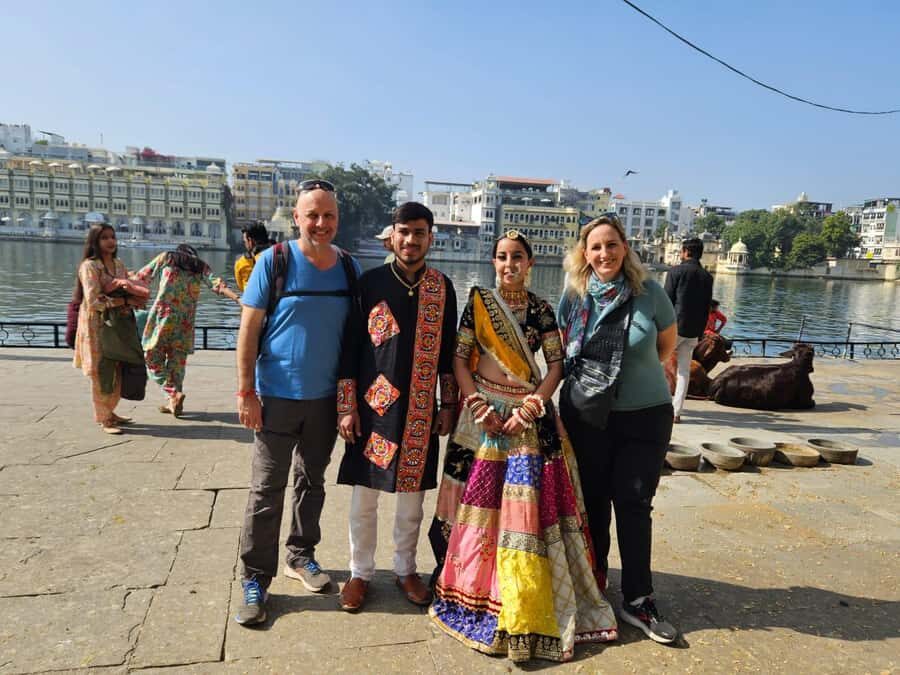
The walk begins at the stairs of Jagdish Temple. That matters because it drops you into the pulse of Udaipur right away, with people moving through lanes for daily reasons, not just sightseeing. Manish sets the tone quickly, with enough background to make the streets feel navigable instead of confusing.
From there, you head into the old temple lanes and then work toward the lake sights and ghats. The ghats are more than a postcard view. They help you understand the city’s layout and what daily life historically depended on: water, movement, and the way neighborhoods connected to public space. Even if you already saw the lake from a viewpoint, this gives you a different scale and a more lived-in feel.
What I like here is the pacing. You’re not doing an endless sprint from attraction to attraction. You’re walking, looking, and being told what to notice as you go—especially about the earlier city structure and how Udaipur’s life played out in these tight streets.
Practical tip: wear shoes you trust. Udaipur’s old lanes can be uneven and busy, and you’ll be happier if your feet feel calm.
You can also read our reviews of more walking tours in Udaipur



Havelis and painted walls: architecture that tells family stories
Next comes one of the tour’s strongest strengths: it explains old buildings in a way that helps you picture the people who lived there. You’ll see havelis from the outside and learn how they were used and why they were important earlier on. It’s not just design talk. You’ll connect the layout and look to the social function of the homes—who lived where, how households worked, and why outward style mattered.
As you continue through the older residential areas, you’ll also see wall paintings on home walls. These aren’t presented as random decoration. The guide explains them as part of local visual culture—what they signal, how they support identity, and how homes express themselves within the city’s look.
This section is a great choice if you’re the type of person who likes to understand the “why” behind a place. If you only want photos and quick facts, you might find yourself wanting to move faster. But if you want context, this is where the tour becomes memorable.
Also, doing this walk earlier in your trip helps. Once you learn how to read the old city, you’ll start recognizing patterns and purposes as you explore on your own later.
Craft community stops: watching how everyday things get made
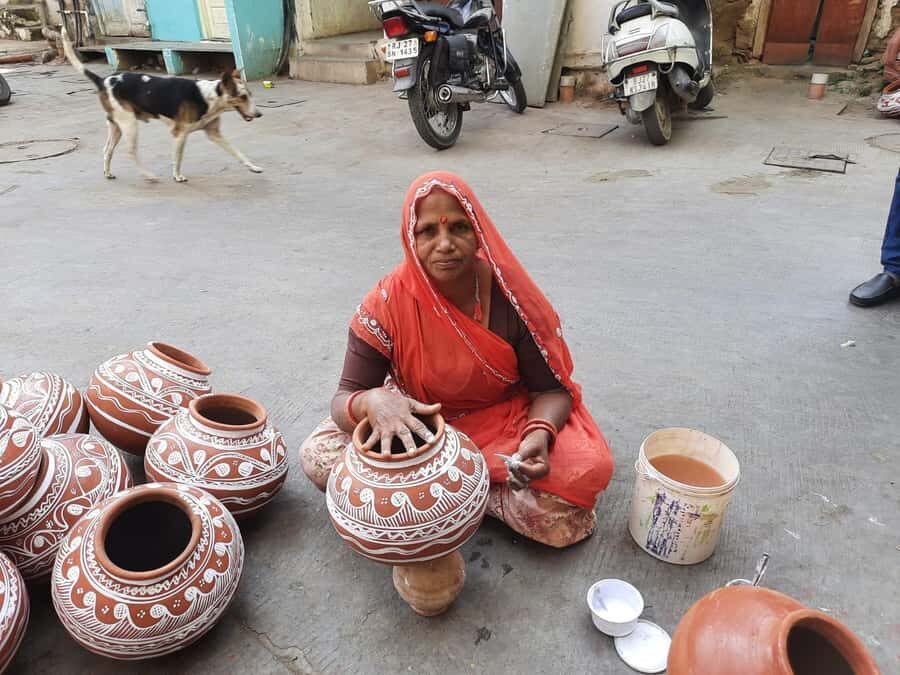
One of the most rewarding parts of this heritage walk is that it turns shopping into understanding. You don’t just pass storefronts. You stop at places tied to actual making—craft communities where skills have been passed down through hands and routines.
You’ll visit a clay product makers community, and you’ll also see traditional plates and bowl making using tree leaves. That detail matters because it shows how local materials and practical thinking shape daily use. It’s easy to assume these products are modern convenience. Here you get a sense of the logic behind them and why they fit the local way of life.
Then you move to metal pot and utensil making by hand. Watching handmade utensil work changes how you look at kitchens later. Even if you don’t buy anything, you’ll understand why certain tools last, how they’re crafted, and how work is organized around skill rather than mass production.
You’ll also see bamboo baskets making processes. Bamboo isn’t just a material here—it’s part of a living toolkit for storage and everyday needs. Seeing it made in front of you adds weight to the souvenirs you might later spot in shops. Instead of buying an item blindly, you’ll know what kind of work went into it.
This is also where the guide’s style becomes important. Manish is friendly and keeps the explanations clear, with enough background to make the craft stops feel connected to the city rather than random detours.
Markets you’ll actually taste: vegetables, spices, chai, and sweets

After the craft stops, the walk shifts into the senses. You’ll visit a vegetable market, plus a grocery and spice market. This is one of those sections where the value is not only what you see, but what you learn to notice: the structure of the stalls, how people shop, and how market life supports the broader local culture.
Then come the food moments built into the tour:
- Traditional snacks making process
- Masala chai making and tasting
- Famous sweets tasting
- Local snacks included during the walk
These tasting parts are great for a few reasons. First, they help you avoid the awkward situation of arriving hungry at a market and not knowing what’s safe or worth trying. Second, chai and sweets give you an easy baseline for comparing flavors across Rajasthan later. And third, when you see snack preparation in the same flow as markets, you understand food as a system—ingredients, habits, and timing.
One small reality check: markets can be crowded, and food can be hot. Take your time with tastes and keep a steady pace. You’ll enjoy it more if you don’t rush through the smells and conversations.
The traditional wedding market walk: arranged-marriage customs, explained plainly
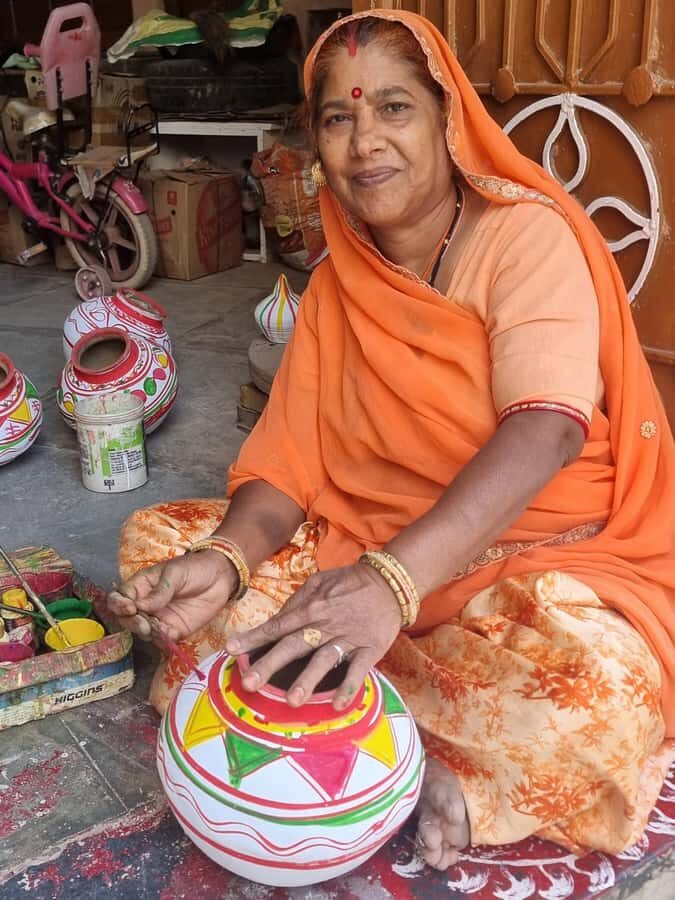
One of the walk’s headline themes is how arranged marriages are done, and the tour includes a traditional wedding market walk. This is a sensitive topic in any culture, so the way it’s handled matters.
Here, the tour treats it as a window into custom rather than a spectacle. You’ll see how the wedding side of local commerce works and learn what role these markets play in preparation—things people buy, where they go, and how the community supports the process. It’s not just costumes and rumors. You’ll get a clearer picture of how the system functions socially.
If you prefer cultural explanations that are direct and practical, this segment will fit your style. If you’re easily uncomfortable with personal topics, you can still enjoy the market views while keeping a mindful distance from any detailed discussion.
You can also read our reviews of more city tours in Udaipur






Price and inclusions: why this walk is good value
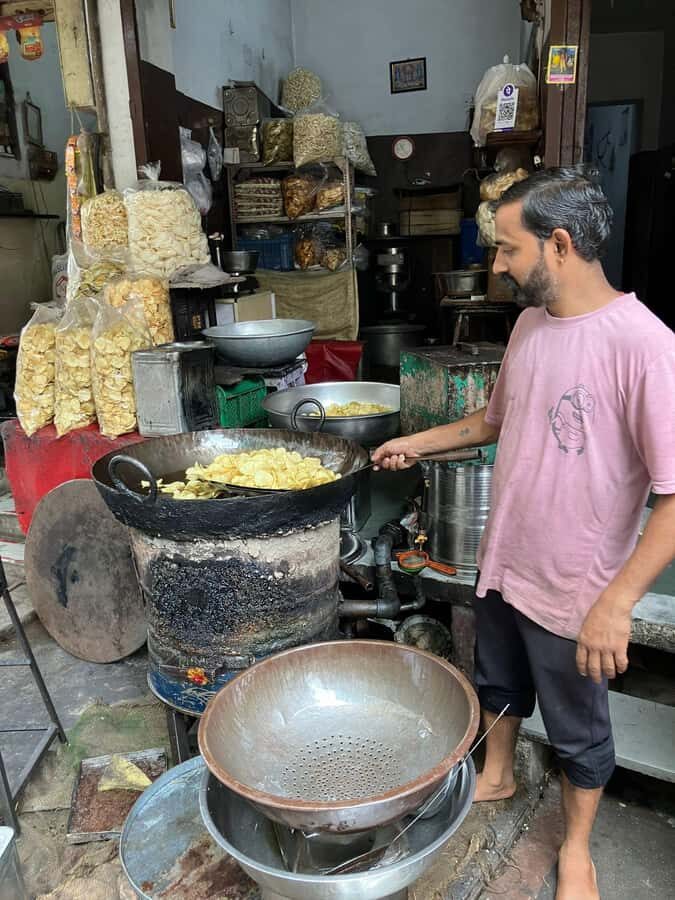
At $9 per person, this is priced like a small local experience, not a premium “tour for tourists.” The big value comes from what’s included:
- In-person guide (Manish)
- Drinking water
- Tea
- Local snacks
That means you’re not paying extra on top for the main cultural ingredients. You’re buying a guided route that covers temple lanes, old residential areas, several market stops, multiple craft-related encounters, plus tastings.
You also get the advantage of someone leading you through parts of Udaipur you might not find easily on your own. The guide’s approach is also part of the value: explanations are clear, questions get answered, and the route is chosen to keep the city understandable as you walk.
Where value can drop for some people: if you only want a quick 30-minute highlights loop, a heritage walk like this depends on time and attention. This works best if you’re willing to slow down and let the city “tell its story” one stop at a time.
Who should book this old city heritage walk
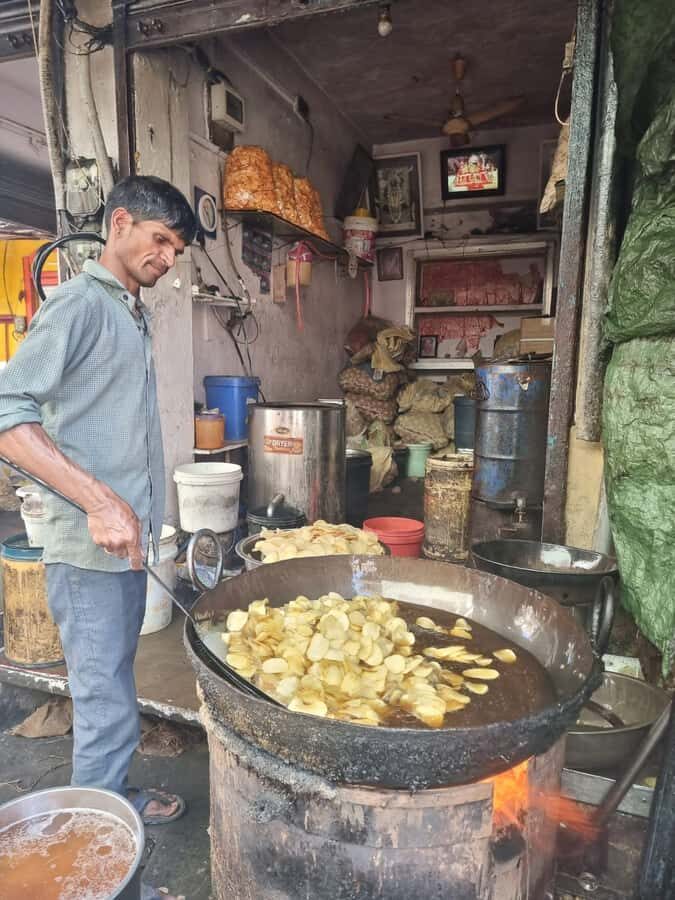
This tour is a strong fit if you:
- Want real local life in Udaipur, not only monuments
- Enjoy markets, crafts, and food rather than only big viewpoints
- Like learning how traditional systems work (homes, tools, weddings, everyday commerce)
- Prefer a guide who can answer questions and connect details to context
It’s less ideal if you:
- Hate walking through busy lanes
- Want mostly photo stops with minimal discussion
- Have limited tolerance for crowded markets
If you’re flexible and curious, you’ll get a lot out of it for the price.
Before you go: simple prep that helps
The tour specifically asks you to wear comfortable clothes and comfortable footwear. I agree. Old-city walking is not the time for fashion shoes.
Also plan for basic market comfort:
- Expect crowding in market areas
- Keep your water needs in mind (drinking water is included)
- Go at a steady pace during chai and snack moments so you can actually enjoy the flavors
The guide speaks English and Hindi, which is helpful for smoothing out questions.
Should you book Manish’s Udaipur heritage walk?
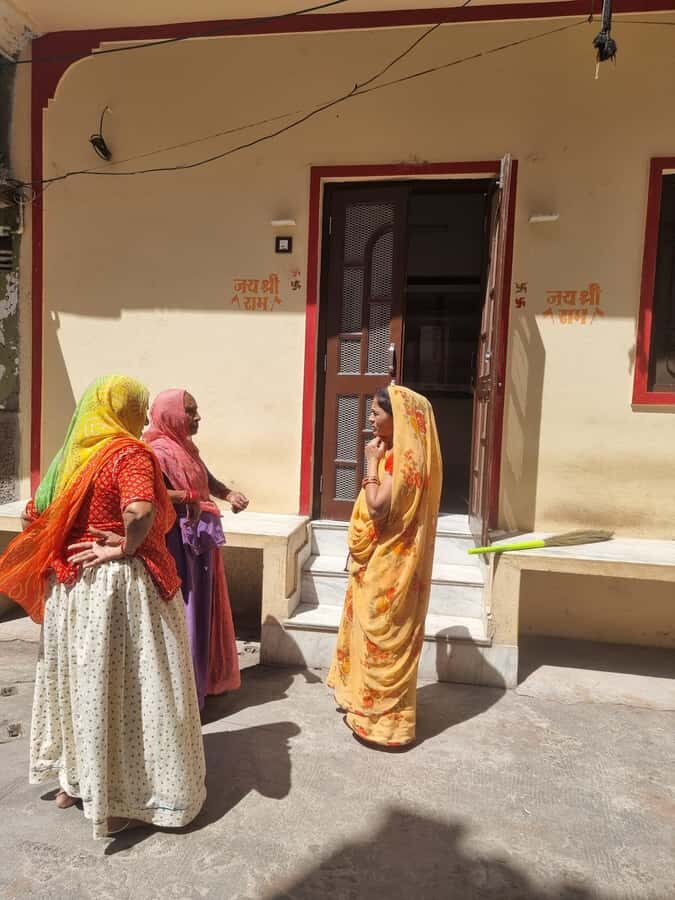
I’d book it if you want the quickest, most grounded way to understand Udaipur’s old city life. The combination of temple lanes + lake ghats, explained havelis and painted walls, visible craft-making, and real tastings makes this more than a walk—it’s a practical introduction to how people lived and still make life work there.
I’d skip it only if you dislike walking or you want a mostly “see it and leave” sightseeing day. Otherwise, this is one of those low-cost experiences that can change how you explore the rest of Udaipur.
FAQ
Where does the walk start and end?
The tour starts at the stairs of Jagdish Temple and ends back at the same meeting point.
How much does the experience cost?
The price is $9 per person.
What’s included in the tour?
It includes drinking water, tea, an in-person guide, and local snacks.
What will I see during the walk?
You’ll explore the old city with temple lanes and lake ghats, see havelis from outside, look at wall paintings, visit vegetable and grocery/spice markets, and watch traditional making processes like tree-leaf plates, hand-made metal utensils, and bamboo baskets. The walk also includes masala chai making and tasting, snacks, sweets tasting, and a traditional wedding market walk.
What should I bring?
Bring comfortable clothes and comfortable shoes for walking.
What languages is the guide available in?
The tour is available in English and Hindi.