REVIEW · UDAIPUR
Heritage Walk, Local Markets & Food Tasting – Non Touristy
Book on GetYourGuide →Operated by Harsh Mundra · Bookable on GetYourGuide
Udaipur tastes like the city itself. This non-touristy old-city walk is built around local food tastings plus stop-by-stop stories about temples, markets, and the details people usually skip. I love the slow, human pace of the markets, and I love how the guide ties food to culture, from street snacks to festivals and everyday beliefs. One thing to plan for: the route is about 3 km, so you’ll want comfortable shoes.
The experience runs about 2.5 to 3 hours for a small group, usually starting around 10:00 am. You’ll get an English or Hindi live guide, and the talk goes beyond food into why cows are treated as sacred, why you see them on the streets, and how big ideas like karma or education show up in daily life.
You’ll also get a practical mix of old Udaipur sights and everyday commerce: clock tower area streets, a step well, a haveli look at architecture, and a Jain temple visit. If you’re only after grand monuments or wide-open views, this won’t scratch that itch. It’s for people who like living streets, smells, chatter, and tasting as you go.
In This Review
- Key highlights you’ll feel right away
- A heritage walk that’s really about daily life, not checklists
- Where the walk starts near Jagdish Chowk
- Rao Ji ka Hata Road: tea, street snacks, and craft-market energy
- Ghanta Ghar street-food pause and the market rhythm
- Old-city heritage stops: temples, chowks, step well, and Jain history
- Haveli architecture and glass inlay work you can actually point out
- Spice and market education: grains, fruits, and how food becomes taste
- Craft communities you pass through: potters and bamboo art
- What you’ll eat: vegetarian street classics plus masala chai and gulab jamun
- The cultural talk: cows, festivals, politics, and big questions
- Timing, walking distance, and comfort tips that matter
- Is it good value at $24 per person?
- Who should book this walk in Udaipur
- Should you book this Heritage Walk, Local Markets & Food Tasting
- FAQ
- Where does the tour start?
- How long is the heritage walk and food tasting?
- How much walking is involved?
- What food is included?
- Is the tour vegetarian?
- What languages is the guide available in?
- Are alcoholic drinks included?
- Where does the tour end?
- Do I need to pay extra for food during the tour?
- How should I dress for the walk?
Key highlights you’ll feel right away
- 7+ food stops with safe, vegetarian tastings and enough variety to satisfy real hunger
- Jagdish Chowk and old-market streets (including Tinker Street) for lived-in Udaipur
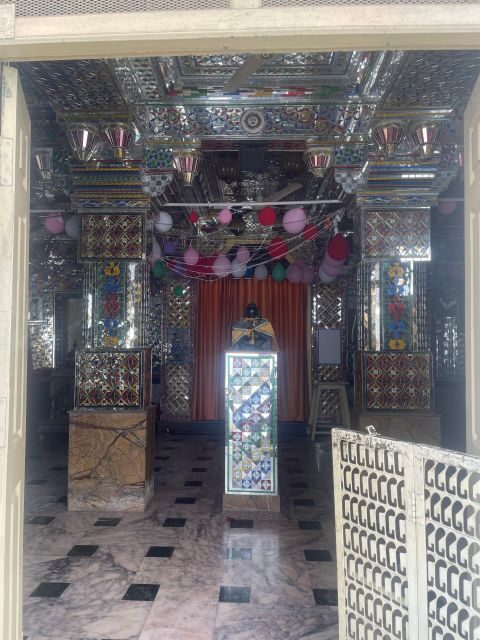
- Temple and heritage details like a historic Jain temple, step well, and haveli architecture
- Market education through spice and grains, fruit and vegetable stalls, and craft communities
- Chai culture and sweets: masala chai, gulab jamun, and classics like samosa and kachori
A heritage walk that’s really about daily life, not checklists
Udaipur can be pretty on postcards, sure. But this walk leans into the part locals actually use: the lanes around Jagdish Temple, the trading streets, and the food counters that keep feeding the city long after tourist hours end.
What I like most is that the tour is structured for you to notice things. The guide points out cultural clues hidden in plain sight: why certain symbols matter, how festivals show up in what people buy, and how crafts like glass inlay work connect art to homes. You’re not just seeing buildings. You’re getting a sense of how the city runs.
And yes, food is central. You’re not stuck with one flavor all afternoon. You move through multiple stops for savory snacks, desserts, and drinks, with tea woven through the whole experience like a thread.
A quick honesty note: because it’s a walk through neighborhoods, it’s not the kind of tour where you pause every 30 seconds for a perfect photo. You’ll be walking and tasting, and you’ll have chances to take pictures, but the rhythm is more street-level than museum-style.
You can also read our reviews of more walking tours in Udaipur



Where the walk starts near Jagdish Chowk
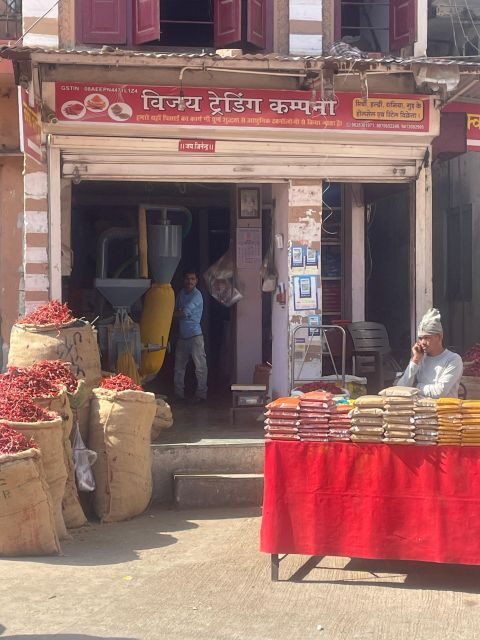
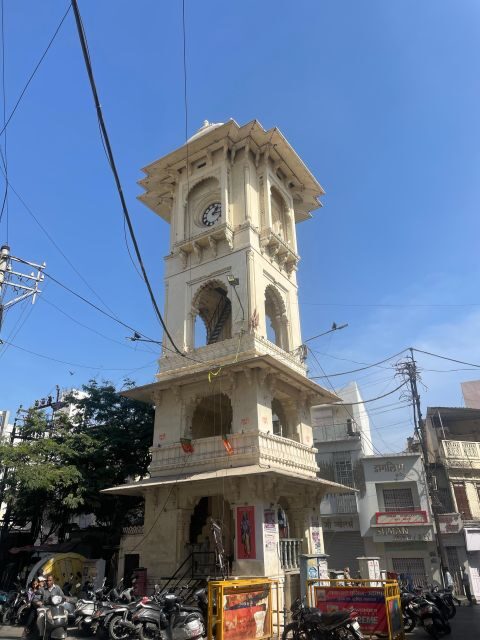
You meet at Ganesh Art Emporium, diagonally opposite Jagdish Temple in Jagdish Chowk (toward the clock tower). That location matters. It puts you right where the old city energy concentrates, so you don’t burn time crossing from a hotel zone into real Udaipur.
The tour finishes around the same area near Jagdish Temple, which is convenient. You don’t end up far from where you started. You can also keep your afternoon flexible after the walk, which is useful in Udaipur because weather and crowds can shift quickly.
Practical tip: plan on a steady 2.5-hour chunk with a bit of walking stretching it closer to 3. If you come in with a slow breakfast, you’ll feel the hunger in the best way once the tastings start.
Rao Ji ka Hata Road: tea, street snacks, and craft-market energy
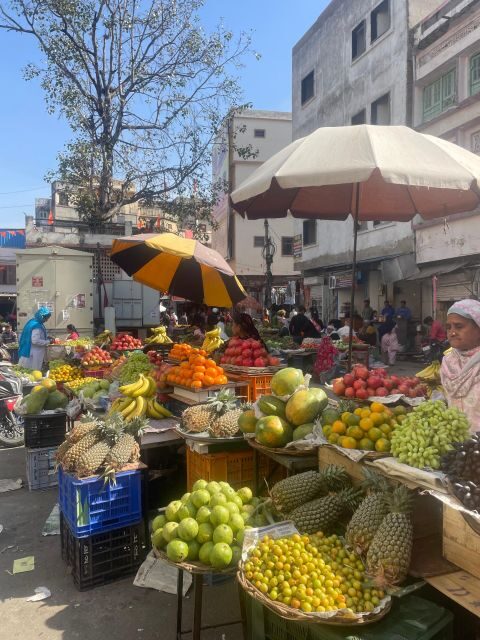
After meeting, the walk heads toward Rao Ji ka Hata Road, one of those streets where food and small shops mix together. This is where you start feeling the tour’s goal: not just eating, but learning.
Expect stops that include:
- tea and breakfast-style tastings
- street snacks and dessert sampling
- a guided walk through arts and crafts market areas
This stretch is good for first-timers because it gives you context fast. You’ll learn what to look for in the food process, and you’ll see how ingredients are treated with care. The tour focuses on vegetarian items and keeps things safe and hygienic, so you can eat without that constant mental math of is this okay.
You may also see crafts and small commercial traditions that connect to the architecture later in the route. It’s a nice trick: you don’t just study glass inlay work as a concept. You see how it exists in the everyday economy.
Ghanta Ghar street-food pause and the market rhythm
Next comes the Ghanta Ghar (clock tower area) zone, where the street-food vibe intensifies. This part of the walk includes a shorter food stop, roughly 15 minutes for tastings.
Why this works: you get variety without the tour dragging. The route keeps moving, but it still gives you enough time to sit with a snack, understand what it is, and notice the surrounding hustle.
If you like food tours but hate feeling like you’re on a treadmill, this pacing is a good compromise. You get multiple tastings across the walk instead of one big binge.
Also, this section helps you understand why local markets are more than places to buy things. They’re meeting points. They’re how people talk, negotiate, and plan meals. You’ll pick up that rhythm through the guide’s explanations.
Old-city heritage stops: temples, chowks, step well, and Jain history
The heritage side of this walk is built around specific landmarks in old Udaipur. You’ll pass places like:
- Jagdish Chowk
- Tinker Street
- a step well
- historic Jain temple time and context
These stops matter because they show heritage as lived-in space. Old Udaipur isn’t just stone and carvings. It’s still used.
Here’s what you’ll likely take away from the temple and courtyard moments: the guide connects architecture to daily meaning. For example, you’ll hear why certain symbols and traditions show up in street life. You’ll also get explanations that go beyond facts, like why cows are treated as holy and why you see them in public areas.
One consideration: if you want long, quiet museum-style introspection, temple areas can feel more active and crowded. It’s still respectful, but it’s not a silent viewing experience.
You can also read our reviews of more food & drink experiences in Udaipur


Haveli architecture and glass inlay work you can actually point out
A big highlight is seeing haveli architecture and glass inlay work up close, with explanations as you move. This is one of those topics that’s easy to wave away when you’re rushing, but hard to ignore once someone shows you what to look for.
In Udaipur, glass-inlay designs are a way of making light and color part of the building story. So when you hear about the craft and symbolism, you can suddenly connect details you might have otherwise walked past.
This section also helps you understand the city’s design logic. Old Udaipur often feels like a puzzle made for footsteps: lanes lead to courtyards, courtyards open into spaces meant for social life, and architecture reflects that.
You won’t need a background in art history to enjoy it. The guide’s job here is to turn those details into plain language.
Spice and market education: grains, fruits, and how food becomes taste
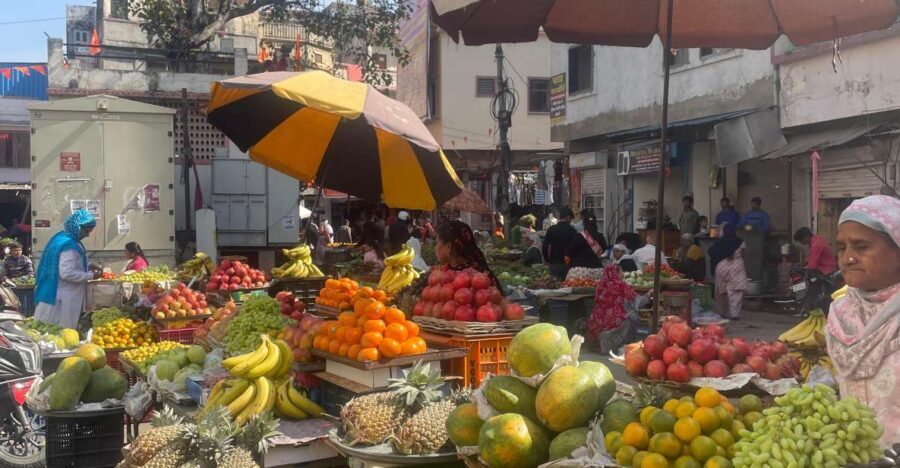
You’ll spend time around fruit and vegetable markets and a spice and grains market, plus stops linked to how products are made and sold.
The practical value is this: once you see spices and grains traded up close, the food tastings make more sense. You start noticing what changes flavor, what adds aroma, and why certain combinations show up again and again.
A couple of things you can watch for on your end:
- how spices look and smell before they get cooked
- how street snack ingredients are assembled in quick steps
- how the guide links what you’re tasting to market staples
This is also where the tour feels more like a local lesson than a tourist stunt. Markets are messy, loud, and human. The guide helps you read them without needing to speak the language fluently.
Craft communities you pass through: potters and bamboo art
Heritage walks can get stuck in monuments. This one keeps you moving through craft communities, including potters and a bamboo art community, plus a look at makers of biodegradable bowls and plates.
Why that’s worth your time: it shows you that sustainability and craft aren’t separate topics here. People make daily-life materials, and those materials connect directly to food culture.
The potters’ stop is also the kind of moment that can feel surprisingly personal. In past departures, the guide arranged extra interaction, including traditional pottery try-outs on a potter’s wheel. That kind of access is rare in a standard sightseeing day.
Even if you don’t do anything hands-on, you’ll leave with the feeling that Udaipur isn’t only a place of heritage buildings. It’s a working city where crafts are still in motion.
What you’ll eat: vegetarian street classics plus masala chai and gulab jamun
Food is the backbone here, and it’s not random. Expect all-inclusive tastings with 5+ dishes, plus sweets and tea. The tastings are vegetarian, and the focus is on street food that’s safe and hygienic.
Some specific items you’ll likely taste:
- Samosa with mint and coriander chutney
- Kachori with mango and tamarind chutney
- Masala chai tasting and making (you learn what goes into it)
- Gulab jamun (sweet finish energy)
- Poha
- Lassi / chai / juices depending on what’s served that day
I like that you’re not asked to guess your way through flavors. The guide explains ingredients and basic preparation so the next time you see a similar snack in another part of India, you’ll recognize what’s driving the taste.
And chai is more than a drink here. You’ll learn about spice, heat, and how people treat it as comfort as much as caffeine.
One more small point: because the tastings run across multiple stops, you won’t feel like you’re eating one heavy thing after another. It’s structured to keep the appetite alive without turning your stomach into a full-time job.
The cultural talk: cows, festivals, politics, and big questions
This tour isn’t shy about questions. Along the way, the guide discusses topics like:
- why cows are holy and why they’re seen on the streets
- why Ganesha is linked with good luck
- marriage customs and the caste system
- karma and how people think about actions and consequences
- heavier themes like sati, child marriage, and education in India
- modern Udaipur and how the city is changing
You might not want to hear everything in one sitting, and that’s okay. Part of the value is that the guide can adjust the pace based on your group’s curiosity. If you’re more food-focused, you’ll still get the story; if you’re more history and culture-focused, you’ll get more context.
It’s also a good reminder that food tours work best when they teach you what locals think about life, not just what locals eat.
Timing, walking distance, and comfort tips that matter
Plan for 2.5 hours, often stretching toward 3 hours depending on group curiosity. The walking distance is around 3 km, and the route can include lanes that are uneven or narrow.
Bring:
- comfortable shoes
- cotton fabrics if it’s warm
Also, think about what you want from the tour. If you want photo-perfect stops every step, you may feel rushed. If you want to eat, learn, and experience how old city commerce feels, the pacing is right.
The tour is run in English and Hindi, and you’ll be walking as a small group. That matters for questions, because you’ll get answers as they come up.
Is it good value at $24 per person?
At $24 per person, this tour is strong value if you’re the kind of traveler who usually pays for food anyway.
Here’s why the math works:
- You’re getting all food tastings (at least 5 dishes plus sweets and tea)
- You get mineral bottled water
- There’s a live guide doing the storytelling and route guidance
- The tastings cover multiple categories: savory snacks, dessert, and drinks
If you tried to recreate this solo, you’d likely spend similar money on snacks alone, and you’d lose the guidance that helps you choose safe and interesting stalls. Plus, the walk gives you cultural context you won’t get from picking a random street cart.
Transportation to the start point is not included, so add that cost if you’re coming from a distance. But once you’re there, the tour is built to be pay-and-eat without surprises.
Who should book this walk in Udaipur
This is a great fit if you:
- want non-touristy old Udaipur street life
- like eating in a structured way instead of wandering hungry
- enjoy temples and architecture when someone explains what you’re looking at
- want markets, spices, and craft communities in one morning or early session
It may not be the best fit if you:
- only want famous monuments and big-ticket sights
- dislike walking or narrow lanes
- prefer long indoor visits with lots of sitting time
Should you book this Heritage Walk, Local Markets & Food Tasting
If your idea of a perfect Udaipur morning includes street snacks, chai, and stories from the people who know where everything is, this one is a yes. The value is in the combination: you’re not just tasting food, you’re learning how the city thinks, shops, and celebrates.
Book it especially if you like going off the main tourist lanes and you don’t mind a bit of neighborhood energy. And if you have a mobility issue, I’d suggest mentioning it upfront; in one past case, the guide helped arrange a tuk tuk when someone’s knee acted up.
FAQ
Where does the tour start?
The walk starts at Ganesh Art Emporium, diagonally opposite Jagdish Temple, in Jagdish Chowk toward the clock tower.
How long is the heritage walk and food tasting?
It lasts about 2.5 hours, with some groups running closer to 3 hours depending on curiosity.
How much walking is involved?
The route is around 3 km.
What food is included?
All food tastings are included, with at least 5 dishes plus sweets and tea. Specific items can include samosa, kachori, poha, gulab jamun, and masala chai, along with options like lassi and juices.
Is the tour vegetarian?
Yes. The tastings are vegetarian.
What languages is the guide available in?
The tour is guided in English and Hindi.
Are alcoholic drinks included?
No. Alcoholic beverages are not included.
Where does the tour end?
You return to the same area near Jagdish Temple where you started, around Ganesh Art Emporium and Jagdish Chowk.
Do I need to pay extra for food during the tour?
No. The tastings and tea are included, with no additional fees required for the food portion.
How should I dress for the walk?
Wear comfortable shoes and cotton fabrics, since it’s a walking tour through old city streets.