REVIEW · NEW DELHI
New Delhi – Ethical Sanjay Colony Slum Tour with Local guide
Book on GetYourGuide →Operated by Delhi by Locals · Bookable on GetYourGuide
One good neighborhood lesson beats a stack of brochures. This is an ethical walk through Sanjay Colony, a dense informal settlement where daily life, work, school, and faith are all tightly connected. I like that the tour focuses on real routines, not pity, and you get time to ask questions as you go.
Two specific things I really appreciate: you start with education and you end with faith, so you see how people invest in the future while also managing the present. Second, the small group size (limited to 6) makes the conversation feel human and practical, not like a ride-by. One thing to consider: no photography inside, and the route isn’t wheelchair-friendly, so plan accordingly.
If you want a short, meaningful slice of New Delhi life beyond the obvious sights, this tour is built for that. You’ll spend about 1.5 hours moving through the area, meeting your guide at the metro, learning how schooling works in Delhi, and understanding daily challenges like water, electricity, and hygiene.
In This Review
- Key highlights to look for
- Where the tour starts: Harkesh Nagar Okhla metro gate #2
- A 90-minute reality check: Sanjay Colony’s daily rhythm
- First stop: how Delhi education works, seen from the outside
- Work and everyday living: clothing-industry life and a household visit
- Faith inside the settlement: why the temple matters
- The hard parts aren’t skipped: water, electricity, hygiene, and daily strain
- Your guide and the human touch: names you may hear
- Tea, water, and how the tour leaves you grounded
- Price and value: $19 for impact and context
- Who this tour is best for (and who should pass)
- Practical expectations: how to get the most from your questions
- Should you book this Ethical Sanjay Colony Slum Tour?
- FAQ
- Where does the tour start?
- How long is the Sanjay Colony tour?
- Is the tour guided in English?
- What is included with the tour?
- Is photography allowed?
- How big is the group?
- Is the tour wheelchair accessible?
- Who should not join due to age?
Key highlights to look for
- Small-group experience (up to 6) that leaves room for questions
- Education-focused start with a public school visit from the outside
- Household + work-life context, including clothing-industry work
- Faith as a daily force, with a temple visit inside the slum
- Tea and water included, so you can keep your energy through the walk
- Ethical impact, with 50% of profits going back to Learning by Locals
Where the tour starts: Harkesh Nagar Okhla metro gate #2
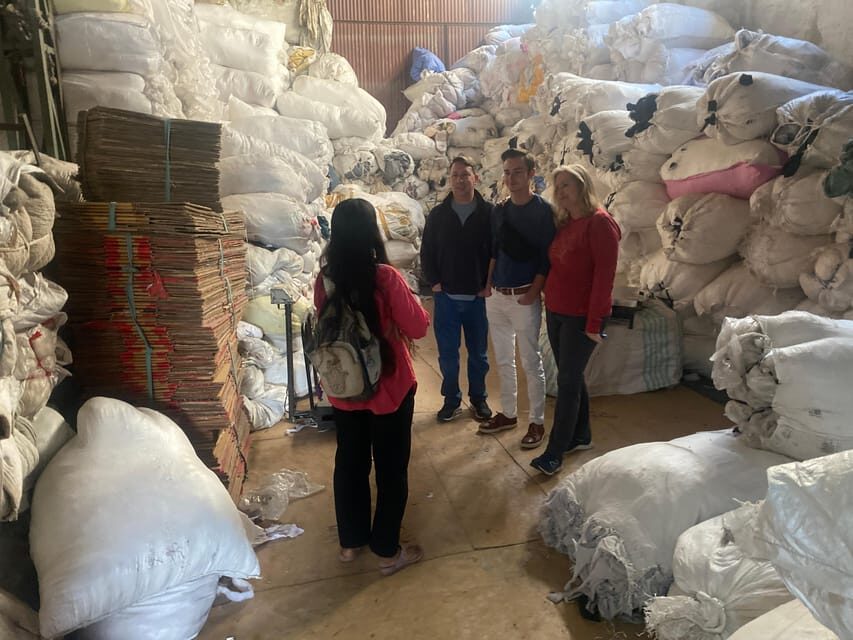
The meet-up point is easy to miss if you’re not paying attention: Harkesh Nagar Okhla metro station, outside Gate No. 2. Plan to arrive a few minutes early so you can settle your bearings before the group gathers.
This matters more than you’d think. A tour like this works because you start with clarity—who your guide is, where you’re going, and how the day will flow. Since the experience is only 1.5 hours, you don’t want to lose time with navigation.
Also, the tour language is English, so you can expect the guide to explain what you’re seeing in plain terms and keep the pace conversational rather than lecture-style.
You can also read our reviews of more guided tours in New Delhi


A 90-minute reality check: Sanjay Colony’s daily rhythm
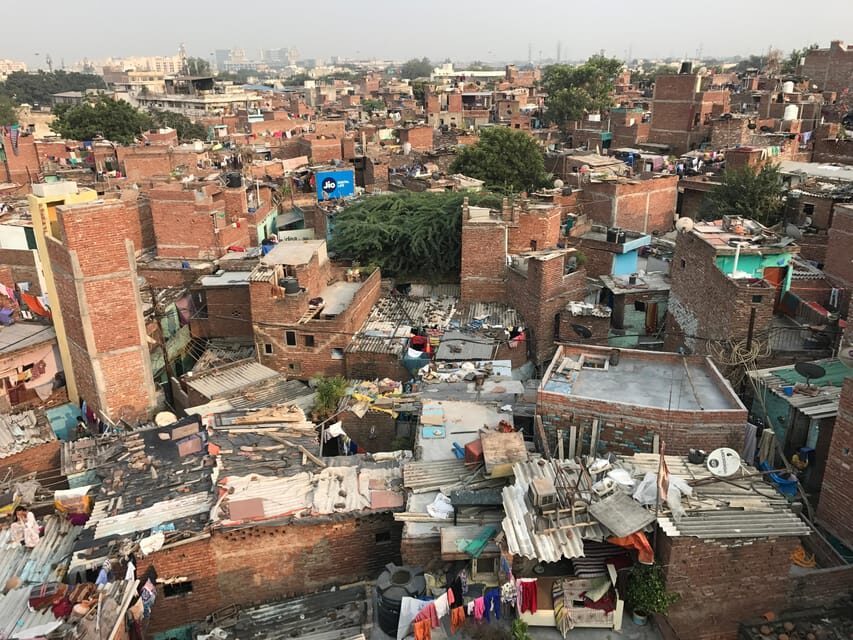
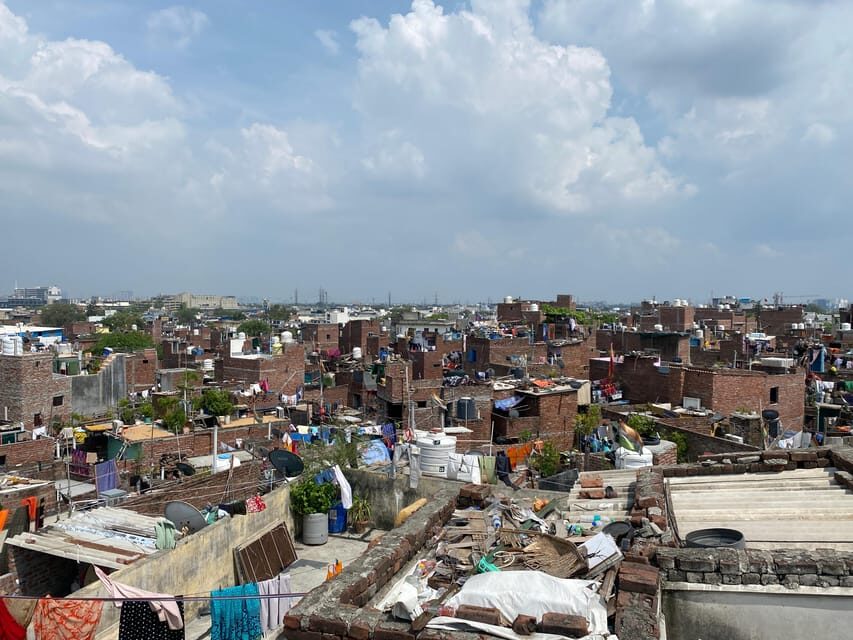
Sanjay Colony is home to roughly 60,000 people, packed into an informal settlement where everything is close and nothing is abstract. The value of the tour is that it doesn’t treat the area like a set. It treats it like a living community, with daily decisions that range from work schedules to managing water.
You’ll spend guided time in multiple parts of the community: an early education stop, a view of work connected to the clothing industry, a household visit, and then the faith element near the end. That order helps you build understanding. School and work show how people structure time; households show how they manage family life; the temple helps explain the spiritual side of coping and community support.
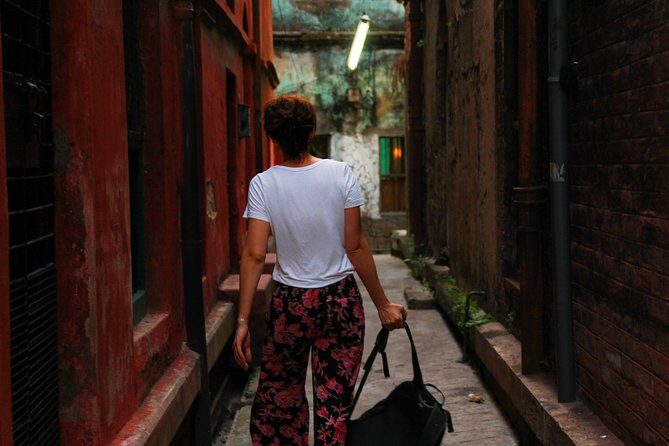
One practical note: it’s a walk. You’ll want comfortable shoes and the mindset that you’re moving through real neighborhoods, not a controlled attraction.
First stop: how Delhi education works, seen from the outside
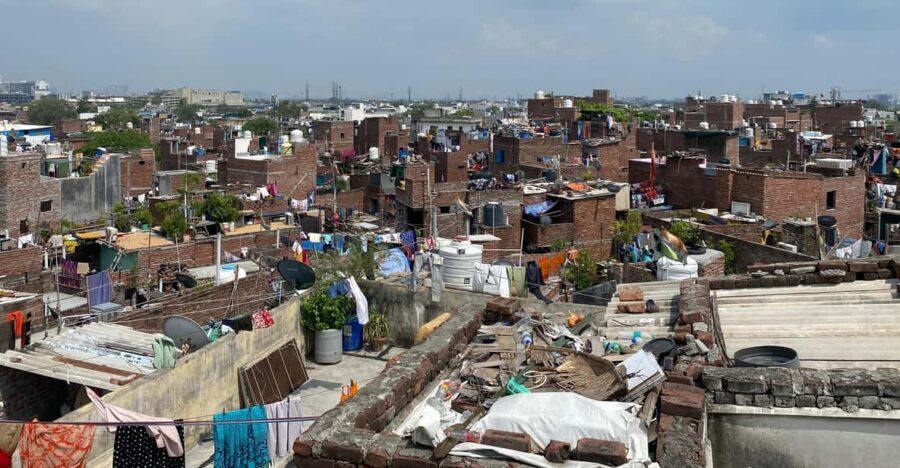
The tour begins with a public school visit from the outside. Even without entering, this stop is useful because you’re learning how education fits into everyday life in Delhi’s slum settings.
What you’re really looking for isn’t architecture or posters. It’s the human scale: how students and families interact with the school system, and how education is discussed and valued in the community. The guide’s explanations help connect what you see externally to the realities people face—time, cost pressures (as applicable), and the constant need to balance learning with survival work.
I like this approach because it avoids the tourist trap of turning education into a photo opportunity. Instead, you get context and you can ask respectful questions about schooling and what students and parents hope for.
Work and everyday living: clothing-industry life and a household visit
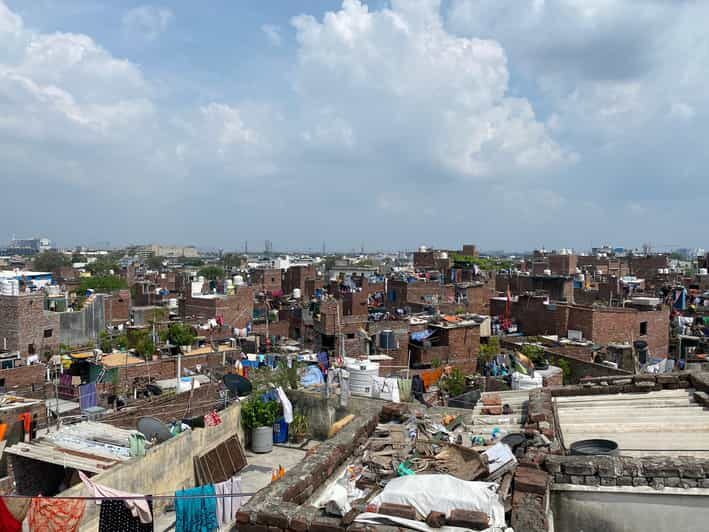
After the school stop, you continue into Sanjay Colony to see how people work—especially connected to the clothing industry. This is one of the most grounding parts of the tour because clothing work is practical and visible in everyday settings. You learn what roles exist and how this kind of work fits into family schedules.
From there, you’ll visit a household to understand home life. This is where the tour becomes more personal. You’re seeing how people set up daily routines in tight conditions, how family needs shape space, and how challenges ripple into household decisions.
The household stop also gives you a chance to ask questions in a way that feels natural. Your guide can share context and personal stories, including how people deal with limited resources and why community ties matter. Just remember: a household visit is not a stage. Keep your questions thoughtful and your behavior respectful.
Faith inside the settlement: why the temple matters
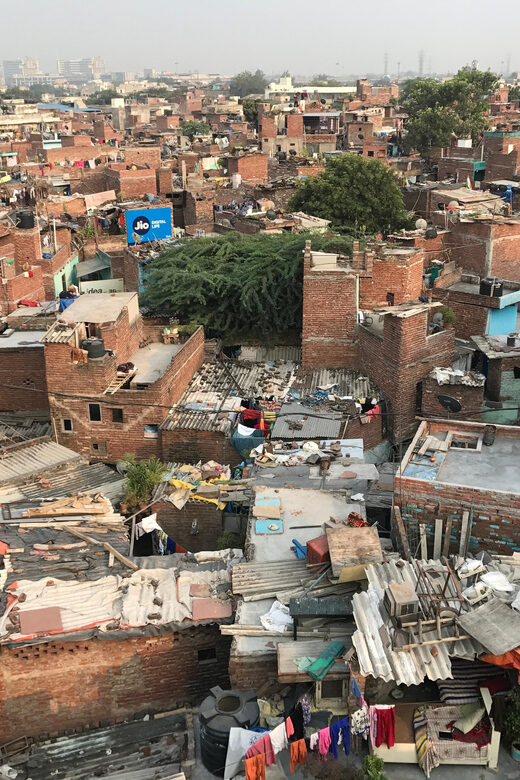
The tour doesn’t end with school or work. It ends with a temple visit within the slum, guided by the idea that faith plays a real role in people’s lives.
In practical terms, a temple visit helps you understand how community support, routine, and meaning show up day to day. It’s not only about religion as belief. It’s also about how people gather, how they find structure, and how they cope when living conditions are tough.
Even if you’re not religious, this stop can still be powerful because it explains something universal: when life is uncertain, people create anchors. The guide’s framing helps you see how those anchors operate here.




The hard parts aren’t skipped: water, electricity, hygiene, and daily strain
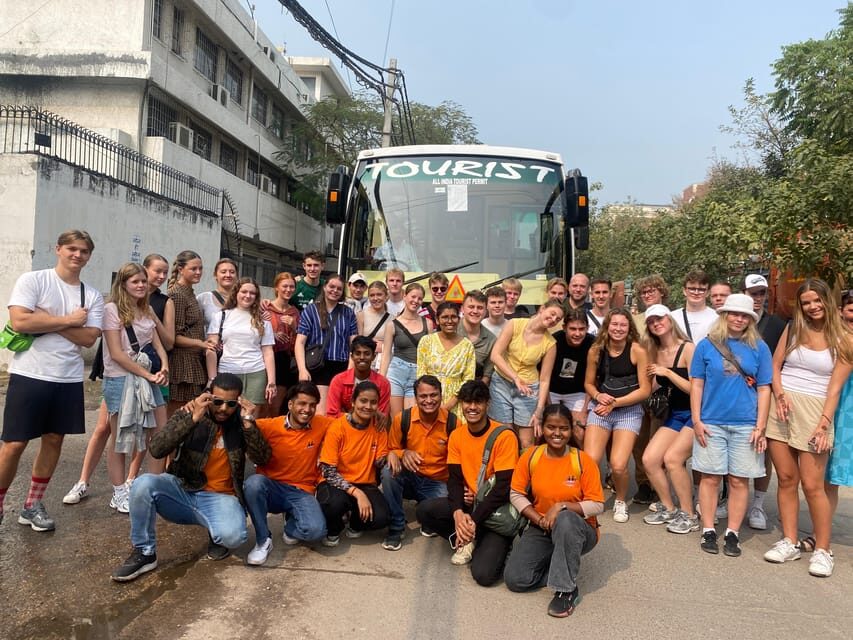
The tour is honest about challenges. You’ll learn about the day-to-day realities people face, including issues like finding water, along with the broader topics of electricity and hygiene. This isn’t presented as sensational hardship. It’s explained as a set of practical problems that shape schedules, health, and peace of mind.
This section is important for you as a visitor because it stops the experience from becoming a simple cultural show. You come away with a more accurate picture of why small things matter. When water access is difficult, it changes what families plan for each day. When hygiene infrastructure is constrained, health concerns become part of routine decision-making.
You’ll also have space to ask questions along the way. That’s a big difference between a structured sightseeing stop and a conversation-led local tour.
Your guide and the human touch: names you may hear
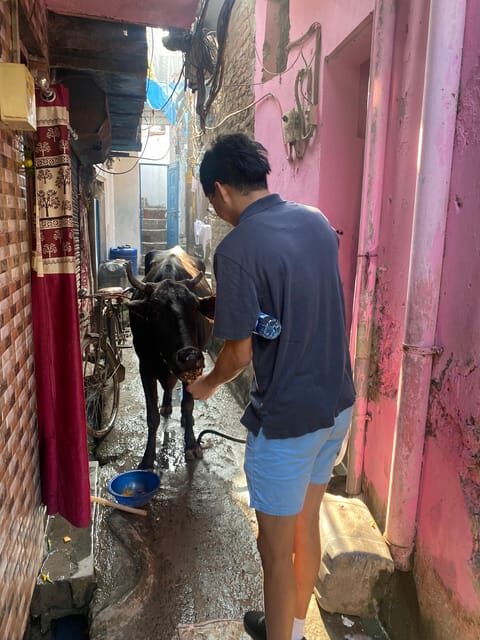
This tour is led by a local guide and the group stays small (up to 6). Some groups have been guided or supported by local volunteers. For example, you might hear stories shared by Salman, and you may hear about coordination handled by Pradeep. Other tours have mentioned Shiva as the guide.
Even if your guide isn’t one of those names, the style is the same: local perspective, personal stories, and clear explanations in English. That’s part of why this works—your guide can answer questions that a typical sightseeing guide wouldn’t even think to ask.
If you’re the type who likes to understand the why behind what you see, you’ll likely feel comfortable here.
Tea, water, and how the tour leaves you grounded
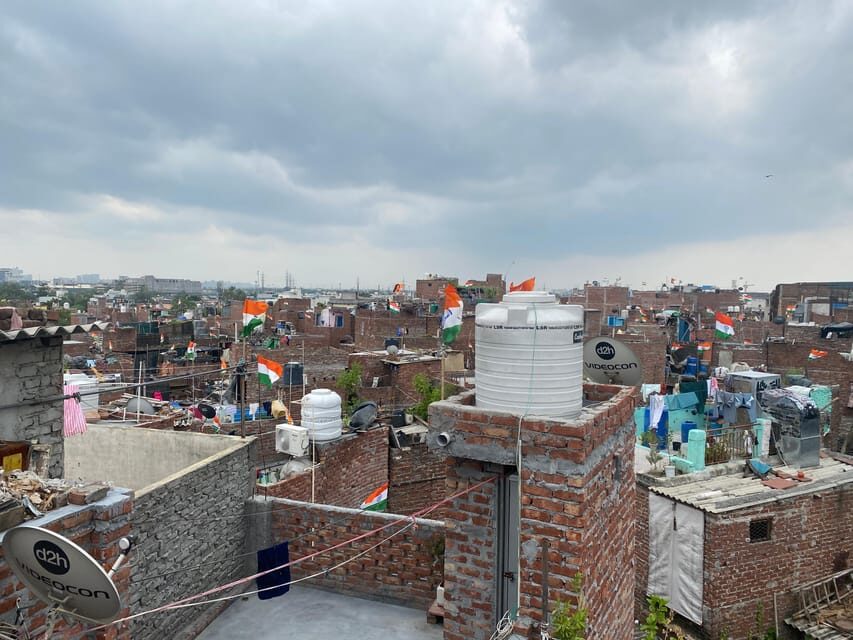
Right after the walking portion, you’ll get a cup of local tea and a water bottle. In a neighborhood walk like this, that small reset matters. You’re not finishing in a hurry to go find a café. You’re finishing with something simple and practical—then you can reflect on what you learned while your body is still calm.
This is also a considerate touch for visitors. It signals that the experience is designed for you to keep moving without feeling unprepared or dehydrated.
Price and value: $19 for impact and context
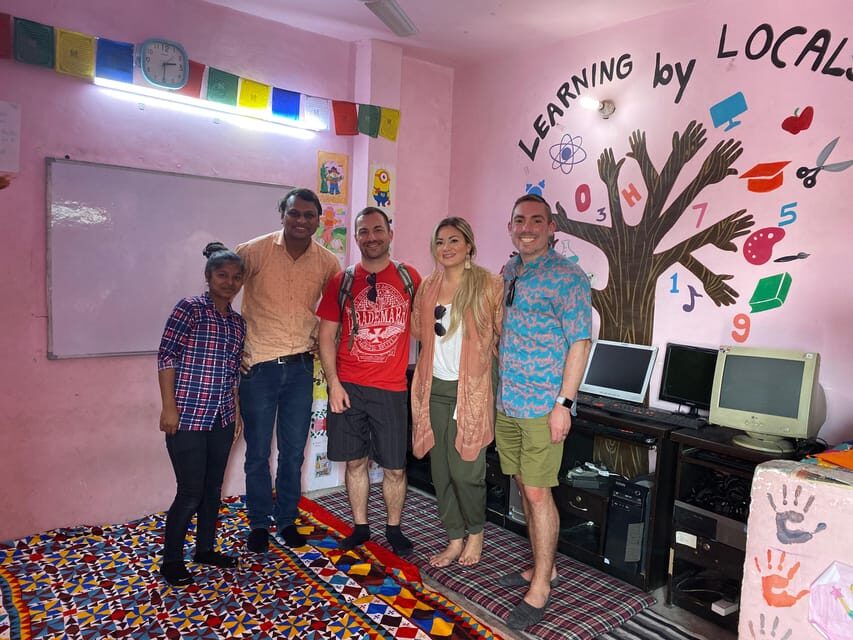
At $19 per person for about 1.5 hours, the price is not just about time. You’re paying for three things that are hard to buy separately:
- A local English guide who can translate daily life into understandable context
- Small-group interaction (up to 6), which helps you ask real questions
- Included basics (tea and a water bottle), which reduce friction during the walk
The ethical angle is the key value driver. The tour states that 50% of profits go back to Learning by Locals, a non-profit in the slum. That makes your money part of the community’s ongoing educational work rather than a one-time donation with no accountability.
Is it “cheap”? Compared to big-name tours in central Delhi, it’s still a bargain for what you get. Is it “luxury”? No. It’s intentionally not. This tour’s value is in the people and the learning, not in comfort or perks.
Who this tour is best for (and who should pass)
This tour fits best if you:
- Want to understand daily life in New Delhi from the inside out
- Prefer conversation-led learning over a photo-and-flee schedule
- Like short, focused experiences where the group stays small
- Care about education and community impact
You might want to skip it if:
- You need wheelchair access (the tour isn’t suitable for wheelchair users)
- You’re visiting with someone over 95 years, since the experience is not suitable for that age range
- You strongly rely on taking photos inside homes or interior areas, because photography isn’t allowed inside
It’s also worth noting that the tour isn’t designed as entertainment. It’s designed as education—built from daily life, faith, work, and the challenges people face.
Practical expectations: how to get the most from your questions
Because this is a human-centered community tour, your mindset matters. You’ll get the most out of it by asking questions that sound curious rather than intrusive.
Good question types include:
- How does education fit into daily schedules here?
- What kind of work supports clothing production and family routines?
- How does the community respond to water and hygiene challenges?
- What role does faith play beyond the temple visit itself?
One more practical tip: dress and behave with care. You’re walking through a working neighborhood, with homes and a school setting outside. Keep your focus on learning and respect.
Should you book this Ethical Sanjay Colony Slum Tour?
If you want an experience that’s short, guided, and genuinely about daily life, I’d say this is a strong choice—especially for the education-first structure and the ending that highlights faith. The small-group size and the built-in tea and water make it easier to stay comfortable and attentive for the full 1.5 hours.
I’d also consider booking if you care about ethical impact, since half the profits go back to Learning by Locals.
Skip it only if the restrictions (no photos inside) or the physical suitability (not wheelchair-friendly, and not for people over 95) don’t work for your group. Otherwise, this is the kind of tour that leaves you with context, not just impressions.
FAQ
Where does the tour start?
The tour meets at Harkesh Nagar Okhla metro station, outside Gate No. 2.
How long is the Sanjay Colony tour?
The duration is 1.5 hours.
Is the tour guided in English?
Yes, the tour is a live guide in English.
What is included with the tour?
You get local tea, a water bottle, and a local guide.
Is photography allowed?
Photography is not allowed inside.
How big is the group?
It’s a small group with a maximum of 6 participants.
Is the tour wheelchair accessible?
No, it is not suitable for wheelchair users.
Who should not join due to age?
It is not suitable for people over 95 years.