REVIEW · GUWAHATI
Kamakhya Temple: Heritage Walking Tour
Book on GetYourGuide →Operated by Kamakhya Walks · Bookable on GetYourGuide
Tantra gets real at Kamakhya. This small-group walk through the Kamakhya Devalaya complex turns temple walls into understandable stories, with spiritual meaning you can actually follow. You also get hands-on context about the shrine’s architecture and the legends that shape how people worship here.
I like that the guide keeps the tone practical, not confusing, so you leave knowing what you’re looking at when you later do darshan on your own schedule. The tour is limited to 10 participants, and it includes a bottle of water, which helps on a 2-hour outing. One consideration: the walk ends at the main temple exit gate, and the sanctum sanctorum visit is not included.
In This Review
- Key things you’ll notice on this walk
- Kamakhya Walks Meets You at the Parking Lot on Nilachal Hill
- A 2-Hour Story of Tantra, Fertility, and the Divine Feminine
- Walking the Devalaya Complex Like a Guided Interpretation
- Dasamaha Vidya and Maa Kamakhya: Iconography Made Clear
- Places Tied to Ambu Bachi Mela and Tantric Practice
- What You Will Not See: Sanctum Sanctorum Darshan Is Separate
- Price and Value: What $27 Buys You in Practice
- Temple Rules You Need to Know Before You Go In
- Group Size, Guide Languages, and How the Pacing Feels
- Who This Walking Tour Suits Best (And Who Should Skip It)
- Should You Book Kamakhya Temple: Heritage Walking Tour?
Key things you’ll notice on this walk
- Tantric practices explained clearly so the shrine feels less mysterious and more meaningful
- Architecture you can read through carvings, iconography, and the complex’s layout
- Guided cultural context around fertility, power, and the divine feminine
- Specific local references such as places tied to meditation during Ambu Bachi mela
- Small group pacing (up to 10 people) that makes questions easier
- Finish point at the temple exit gate with options to arrange sanctum darshan separately
Kamakhya Walks Meets You at the Parking Lot on Nilachal Hill
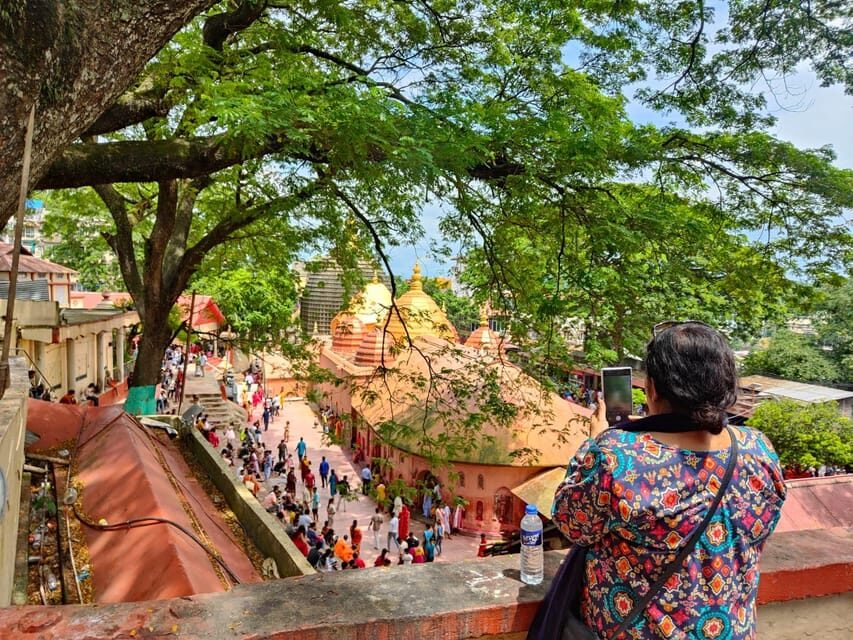
The tour starts at the multi-level parking lot of Kamakhya, which is a smart setup. You’re not dropped into the middle of sacred space without bearings; you begin where the area naturally funnels people, then move into the complex.
Because it’s a walking heritage route, comfortable shoes matter more than anything else you pack. Nilachal Hill is part of the charm and part of the effort, so wear footwear you can handle confidently for the full 2 hours.
This is also where your guide’s role matters. A good explanation early on helps you understand why certain corridors and temple pockets exist, not just what they look like.
You can also read our reviews of more walking tours in Guwahati
A 2-Hour Story of Tantra, Fertility, and the Divine Feminine
The heart of this experience is not sightseeing for its own sake. You’re guided through one of India’s most revered Hindu Tantric shrines, and you learn what sets Kamakhya apart from many other pilgrimage stops.
You’ll hear how Kamakhya is associated with fertility, power, and the divine feminine—concepts that can sound abstract until someone connects them to worship practices and local cultural life. That’s what turns a visit from silent admiration into understanding.
A helpful part of the tour is that it frames tantric worship in a way that’s respectful and grounded. You’re learning meaning, not memorizing a script. The goal is simple: when you later see rituals and devotees in motion, you’ll know what the symbolism is trying to express.
Walking the Devalaya Complex Like a Guided Interpretation
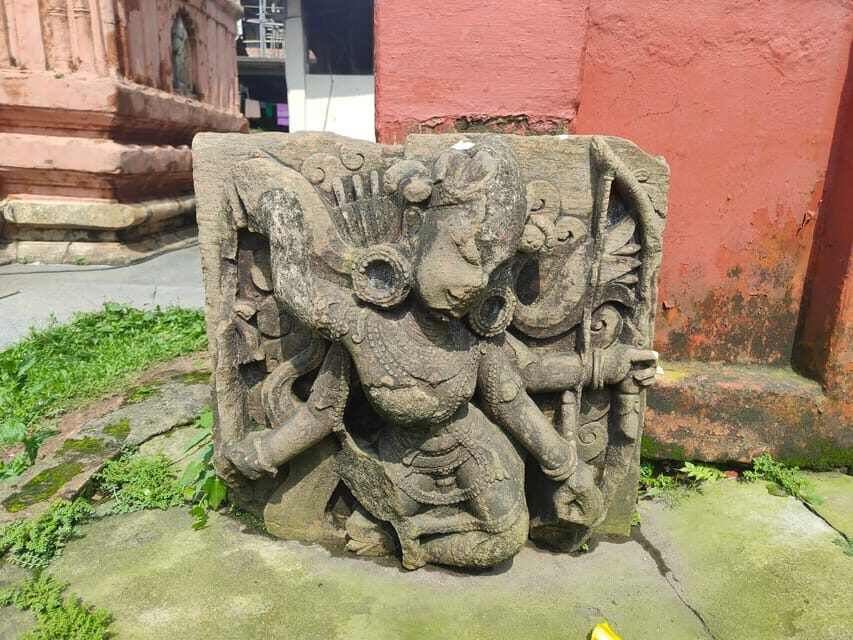
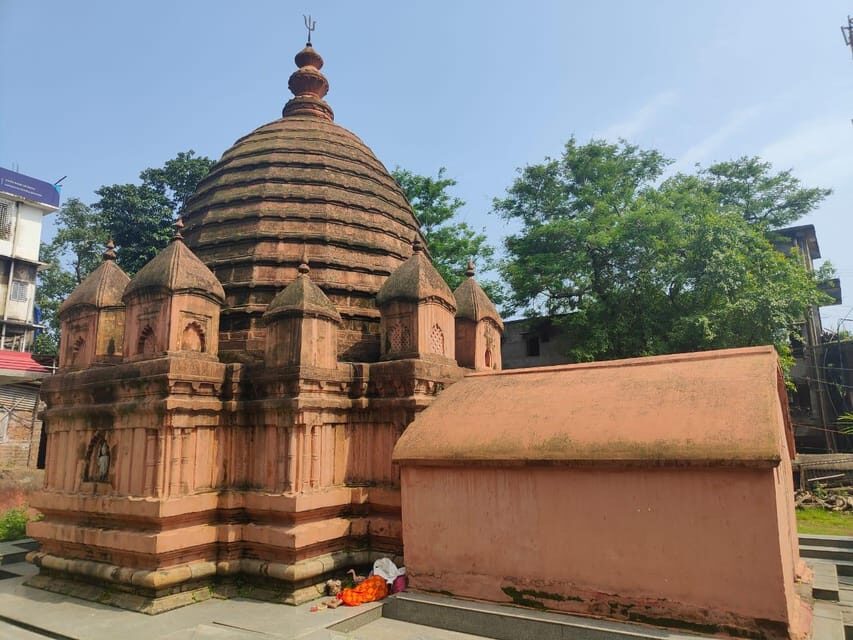
As you move through the Kamakhya Devalaya complex, the tour gives you a guided way to notice details that you’d otherwise miss. It’s not just temples in a row; it’s a whole sacred environment, with layers of purpose built into the space.
You can expect:
- historical and architectural insights connected to what you’re standing in front of
- legends linked to the shrine’s status as a major pilgrimage destination
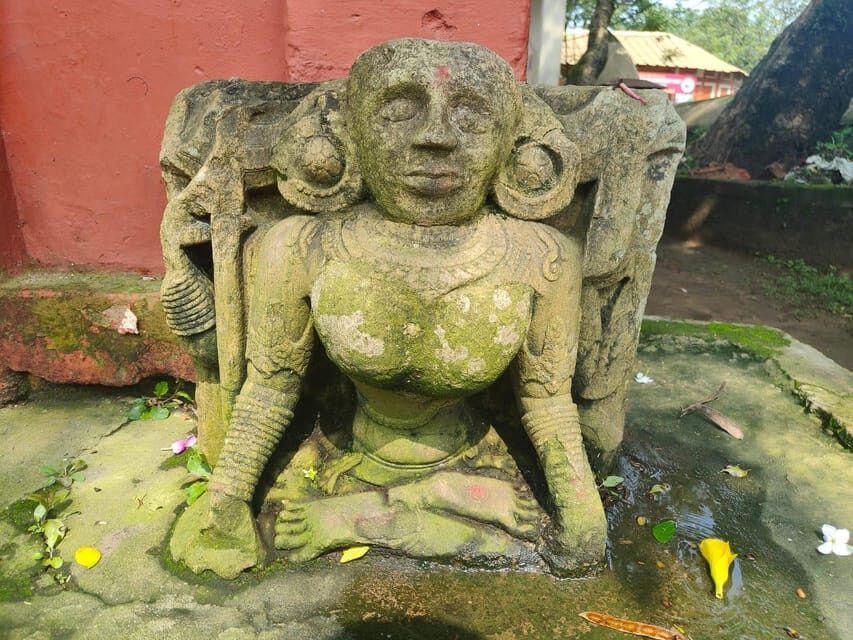
- attention to intricate carvings and how they relate to the divine
This is one of the best types of walking tour: the guide helps you connect visuals to ideas. Instead of rushing, you’re slowing down enough to see what the complex is communicating through form and icon.
Dasamaha Vidya and Maa Kamakhya: Iconography Made Clear
One of the most praised strengths of this tour is how the guide handles iconography. In particular, Mr. Prasenjit has been noted for explaining the Dasamaha Vidya concept along with Maa Kamakhya, and for doing it in a way that feels understandable rather than academic.
Why that matters: iconography can look like decoration until you know what it’s pointing to. Once you have a framework, you start seeing repeated themes—divine forms, symbolic meaning, and the way a temple tradition communicates across generations.
If you’re going to Kamakhya for darshan, this kind of interpretation is practical. It helps you build a personal map of significance, so you don’t feel like you’re walking through a museum where nothing has labels.
Places Tied to Ambu Bachi Mela and Tantric Practice
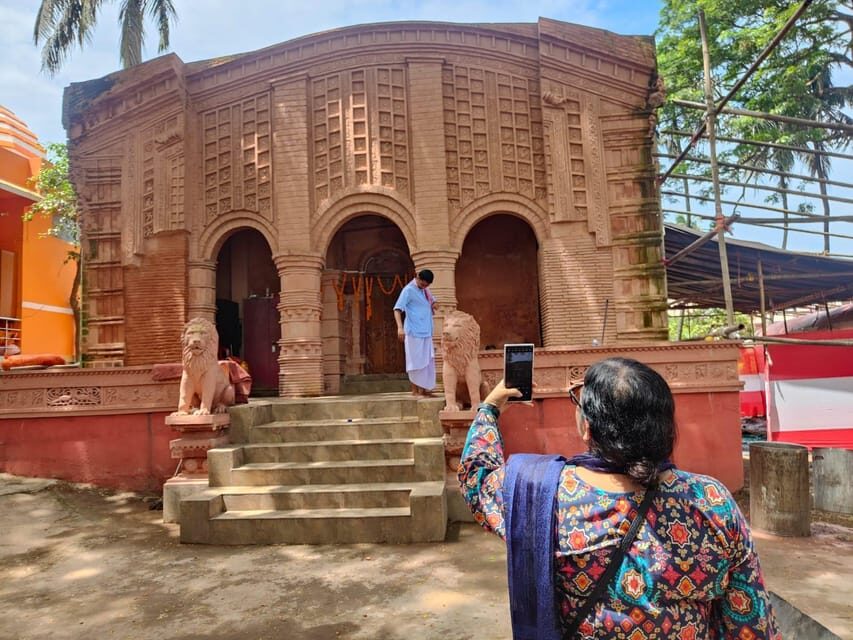
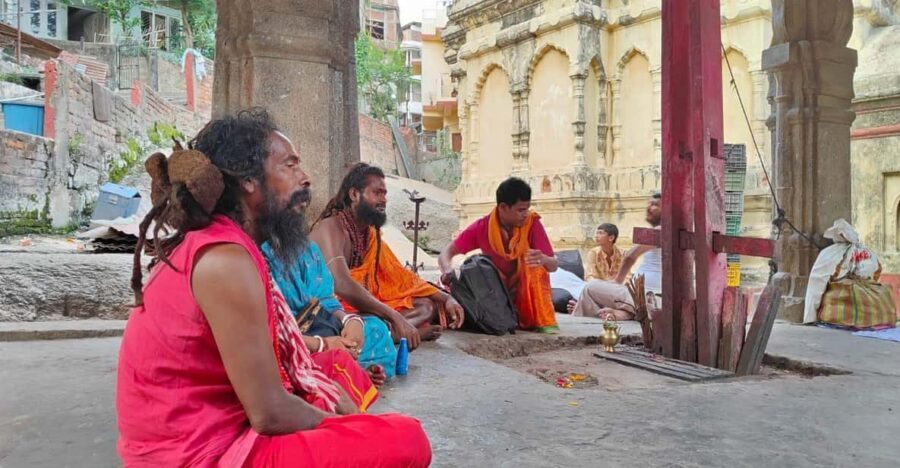
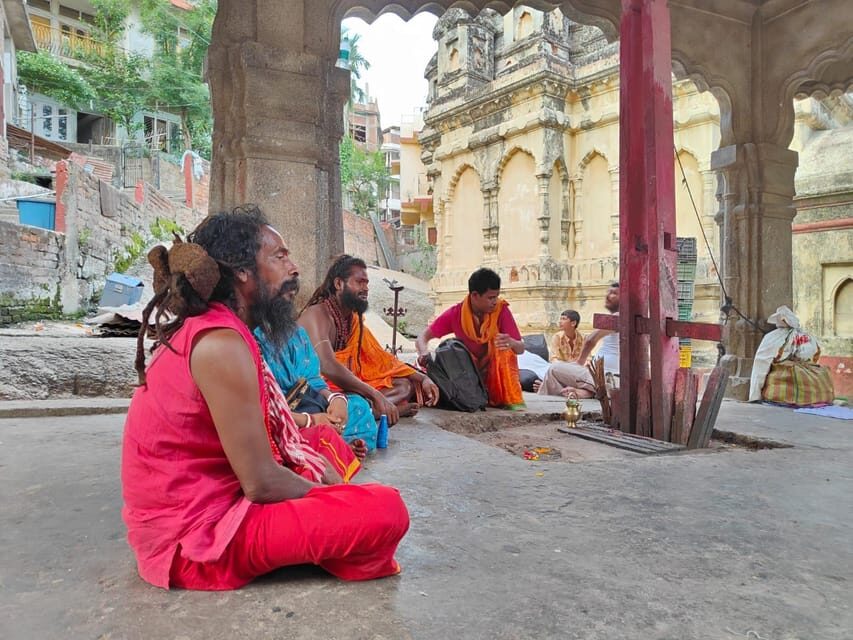
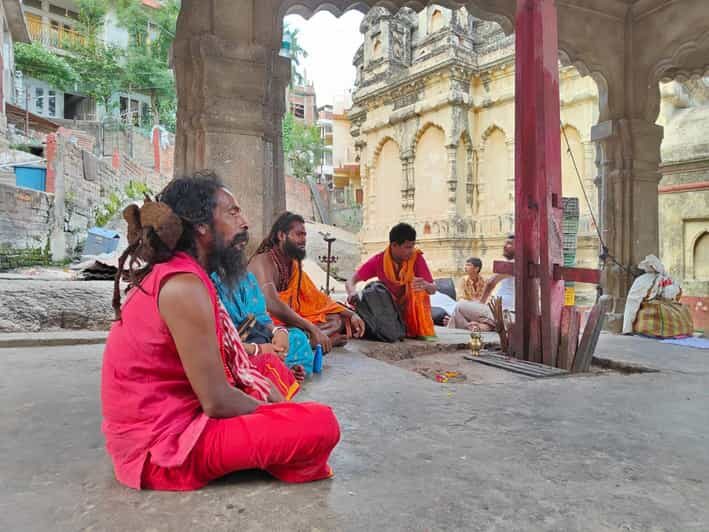
A standout part of the experience is the way the guide connects the temple complex to lived religious practice. You’ll be shown areas of importance such as where sadhus meditate during Ambu Bachi mela, based on the way the guide explains key local points on Nilachal Hill.
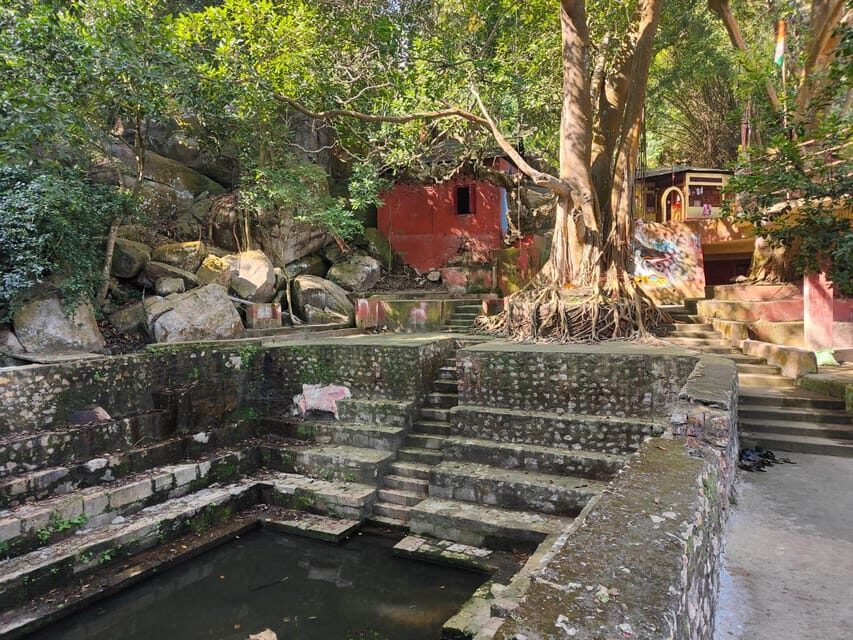
You’ll also learn about places associated with tantric practices by original temple priests, described as personal or traditional areas connected with those rites. Even without entering restricted sanctums on this walk, you still get the bigger picture: Kamakhya isn’t only an architecture stop; it’s a working spiritual landscape where tradition continues.
This kind of context is especially useful if you’re the type who likes to understand what’s happening rather than just where it happens. It also helps you be more patient with crowd flow, because you know what those different activity zones mean.






What You Will Not See: Sanctum Sanctorum Darshan Is Separate
Here’s the clarity you need: the walking tour does not include visiting the sanctum sanctorum. The route starts at the parking lot and ends at the exit gate of the main temple, so you’ll finish outside the innermost area where the most restricted darshan happens.
The good news is that the operator can facilitate a sanctum visit through one of the reputed temple priests. So if your goal is full darshan, plan to treat the walk as the meaning-building portion, then arrange the sanctum part separately.
Practical tip: don’t assume the walk automatically covers everything. If sanctum access is important to you, ask for priest facilitation at the right moment so you’re not scrambling at the end.
Price and Value: What $27 Buys You in Practice
At $27 per person for a 2-hour guided experience, the value comes down to three things: a qualified English/Hindi guide, a small group, and the specific focus on tantric context and temple reading.
You’re not paying for a ticket to one photo-op spot. You’re paying for interpretation—how to understand symbolism, architectural cues, and legends tied to worship. That’s the kind of cost that tends to pay off for visitors who want more than surface-level temple viewing.
Also, you get a bottle of water included. It’s a small line item, but it matters in humid conditions and keeps the walk comfortable enough that you can actually stay present.
What’s not included is simply everything beyond the stated inclusions. That means meals, any optional sanctum assistance, and other personal expenses are on you.
Temple Rules You Need to Know Before You Go In
This tour operates inside a sacred complex with clear boundaries on behavior and attire. Before you start, check your clothing and what you carry, because certain items are not allowed.
You should come with:
- comfortable shoes
- clothing that won’t violate the rule against short skirts
- a mindset ready for quiet, respectful space
And you should leave behind anything on the not-allowed list, including:
- smoking
- weapons or sharp objects
- alcohol and drugs
- costumes
- audio recording
- nudity or see-through clothing
- unaccompanied minors
Those rules aren’t there to spoil your day. They help keep the temple environment focused for worship and pilgrimage. If you follow them, your experience runs smoother and you spend less energy worrying about what’s permitted.
Group Size, Guide Languages, and How the Pacing Feels
This is a small group tour limited to 10 participants. That limitation changes the feel of the walk. You can ask questions, and the guide can keep explanations aligned with what the group actually needs.
The tour runs with a live guide in English and Hindi, which is a real help if you’re not fluent in local languages. It also means you’ll get consistent explanations rather than guessing.
At 2 hours, the pacing is built for attention. It’s enough time to cover the main concepts and key areas of meaning, without turning into a tiring all-day temple marathon.
Who This Walking Tour Suits Best (And Who Should Skip It)
This walk is best for adults who want a clearer understanding of Hindu Tantra, temple iconography, and the way Kamakhya fits into fertility and divine feminine themes in local culture.
It is not suitable for:
- children under 10
- pregnant women
- people with mobility impairments
- wheelchair users
- visually impaired people
- hearing-impaired people
- unaccompanied minors
If any of the above applies, it’s better to look for a different format that matches your needs. Sacred sites can be physically and sensory demanding, and this is specifically a walking tour in a complex setting.
For everyone else: if you enjoy learning what symbols mean and you’d rather understand the place than just pass through it, this tour fits nicely.
Should You Book Kamakhya Temple: Heritage Walking Tour?
If you want Kamakhya to make sense—not just look impressive—book this walk. The biggest reason is the guide-led translation of Tantric ideas into something you can follow on your own later, especially through iconography like Dasamaha Vidya connected to Maa Kamakhya.
You might skip it if your top goal is purely time inside the sanctum, because the walk itself ends at the exit gate and the sanctum sanctorum visit is separate. But even then, the walk is still a smart primer if you plan to arrange sanctum darshan afterward through a temple priest.
For first-time visitors to Guwahati’s spiritual sites, this is one of the more focused ways to get meaning from the Nilachal Hill complex—without losing your day to confusion or guesswork.