REVIEW · JAIPUR
Jaipur Tuk Tuk Sightseeing Tour with Monkey Temple Sunset View
Book on Viator →Operated by Jaipur City Tour Taxi · Bookable on Viator
This day starts with a short ride and ends with a view. I like how this tour strings together major Jaipur sights plus the Galtaji sunset moment without making you hunt for logistics. You’ll get a private route in a tuk-tuk or an AC vehicle, with a guide available if you choose that option.
Two things I especially like: first, the stop order hits a mix of big-name monuments and quieter royal sites (City Palace and Royal Gaitor Tumbas). Second, the tour is built around comfort—pickup and drop-off, bottled water, and the option for an AC ride when the heat is on.
One thing to consider: the price looks low, but entrance fees are not included (the tour lists ₹1,650 per person). Also, it’s a long day (about 9–10 hours), so you’ll want decent energy and shoes.
In This Review
- Key Things I’d Highlight Before You Go
- Tuk-Tuk or AC Car: Getting Around Jaipur Comfortably
- Albert Hall Museum: A Calm Start Before the Big Landmarks
- Hawa Mahal: The Palace of Breeze, Built to Be Seen
- Jantar Mantar: Astronomical Tools That Still Work
- City Palace: Where Jaipur’s Power Shows in Stone
- Royal Gaitor Tumbas: A Quieter, More Personal Royal Site
- Jal Mahal: Short Stop, Great Water-Front Photos
- Amer: The Fort Area That’s Worth the Drive Outside Jaipur
- Galtaji (Monkey Temple) at Sunset: The Evening Payoff
- The Big Value Question: Price, Tickets, and Time
- What the Guide Adds (Especially If You Get Khalid and Ali)
- Who This Jaipur Tuk-Tuk Sunset Tour Is Best For
- Should You Book This Tour?
- FAQ
- Is pickup and drop-off included?
- Do I get a guide?
- What transport options are available?
- How long is the tour?
- Are entrance fees included?
- Is this a private tour?
Key Things I’d Highlight Before You Go
- Private tuk-tuk or AC car options so you can match the ride to your comfort level
- Albert Hall Museum plus major landmarks like Hawa Mahal and Jantar Mantar in one route
- City Palace + Royal Gaitor Tumbas gives you more than just photo stops
- Jal Mahal is a short stop, great for quick views without eating your whole day
- Amer and Galtaji (Monkey Temple) stack in the later hours for a natural sunset finish
Tuk-Tuk or AC Car: Getting Around Jaipur Comfortably
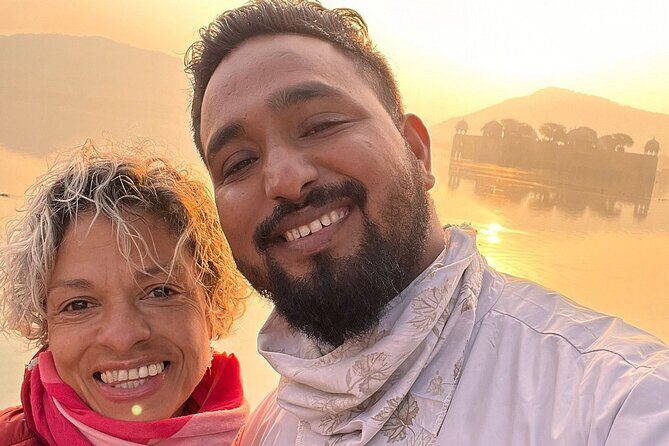
This is the kind of Jaipur tour that makes sense if you want a full day without figuring out routes, parking, or who-knows-what ticket counter. You’ll start with pickup from your selected spot in Jaipur (and the tour also lists hotel/airport pickup and drop-off). That immediately lowers stress, especially if you’re staying in an area that’s a bit off the main sights.
You can choose your wheels: a private tuk-tuk or an AC vehicle. If you’re sensitive to heat or you prefer to move through the day with fewer stops to cool off, the AC option is the safer bet. If you want the classic street-style ride and don’t mind the open feel, the tuk-tuk is part of the fun—just remember that Jaipur traffic can be unpredictable, so the experience depends on timing and your driver’s skill.
The tour is set up for privacy: it’s a private activity, and only your group participates. That matters because you can move at your pace and ask questions without being squeezed into a large shared tour rhythm.
You can also read our reviews of more evening experiences in Jaipur



Albert Hall Museum: A Calm Start Before the Big Landmarks

Your first major stop is Albert Hall Museum, described as the oldest museum in its state. Even if you’re not a hardcore museum person, I like starting here because it gives you a sense of Jaipur’s art and design before you jump into the iconic structures.
You’ll have about an hour, and the tour notes that admission isn’t included. The time limit is also a helpful reality check: you’re not going to read every label, but you can see enough to understand the museum’s range—international art, miniature paintings, sculptures, and more.
Practical tip: arrive mentally ready to move. A museum stop of around an hour can feel fast if you linger, but it pairs well with what comes next—Hawa Mahal and Jantar Mantar both benefit from having your bearings early in the day.
Hawa Mahal: The Palace of Breeze, Built to Be Seen
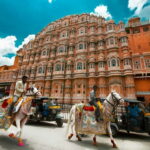
Next up is Hawa Mahal, the five-story architectural landmark known as the Palace of Breeze. What makes it such a satisfying stop is the design itself: a curved, pyramidal structure that’s famous for looking tall and intricate from the street.
You’ll get about 45 minutes here. That’s enough time to look closely at the façade and understand why so many people photograph it. Just know the tour doesn’t include entrance tickets, so plan on either admiring from the outside or budgeting extra if you want interior access (the overall entrance fee is listed separately).
A small piece of advice: the best experience with Hawa Mahal is not trying to see everything. Focus on the layers of windows and the overall geometry. It’s an easier, quicker win than some of the bigger palaces later.
Jantar Mantar: Astronomical Tools That Still Work
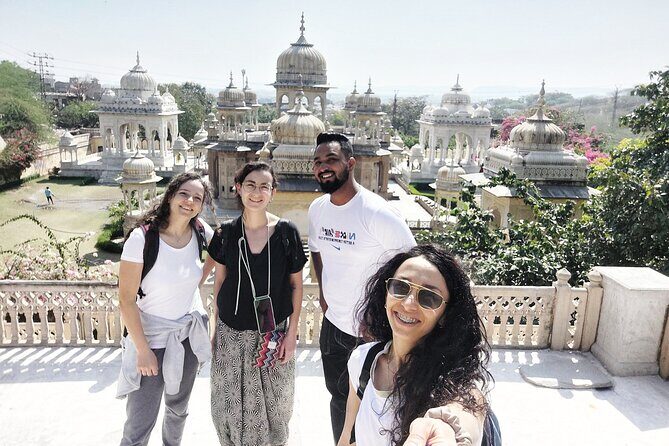
Then you move to Jantar Mantar, described as the largest of five observatories built by Jai Singh II. This stop stands out because it’s not only architecture—it’s science you can still connect to the present. The itinerary notes that some instruments are still in use.
You’ll have about 45 minutes. That’s a good slot because you can walk the site, identify what each instrument is for, and listen for explanations about how the observatory was used. Admission isn’t included for this stop either.
If you like practical history (the kind you can see and picture), Jantar Mantar is one of the most rewarding stops on the route. You’ll likely leave with a clearer idea that Jaipur wasn’t just building for show—people in this era were measuring the sky with serious tools.
City Palace: Where Jaipur’s Power Shows in Stone
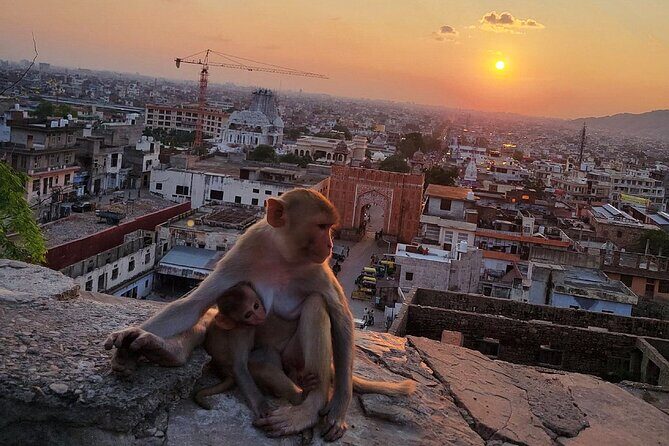
City Palace is a big one: it’s called out as a must-visit landmark, commissioned by Maharaja Sawai Jai Singh. You’ll spend about 2 hours here, which is the right amount of time for a palace complex. It’s not just a single building moment—you can get a fuller feel for how royal life translated into layout, spaces, and display areas.
Admission isn’t included, so expect an added cost for entry if you want the interior. But even if you mostly focus on the main areas you can access, the scale and design are impressive.
I like City Palace as a pivot point in the day. By now you’ve seen museum art, Hawa Mahal’s exterior drama, and Jantar Mantar’s functional design. City Palace ties it together: this is where you feel the “royal” side of Jaipur more directly.






Royal Gaitor Tumbas: A Quieter, More Personal Royal Site
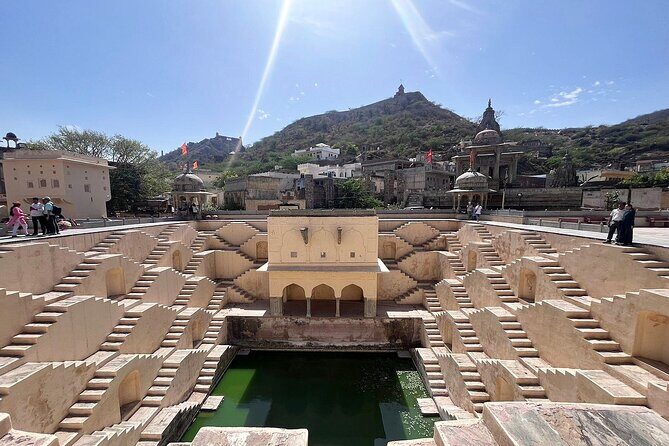
After City Palace, you’ll go to Royal Gaitor Tumbas. This is a memorial complex for the royal family of Jaipur, and the listing emphasizes its serene setting and green surroundings.
You’ll have about 45 minutes. That’s perfect for a less rushed look, especially after several high-demand photo stops. Admission isn’t included here either.
If you’re hoping to avoid only loud, crowded monuments, this stop helps balance the day. It’s also a nice moment for your guide to explain the significance in simple terms—why these tombs exist, how they’re positioned, and what the site meant to the royal family.
Jal Mahal: Short Stop, Great Water-Front Photos
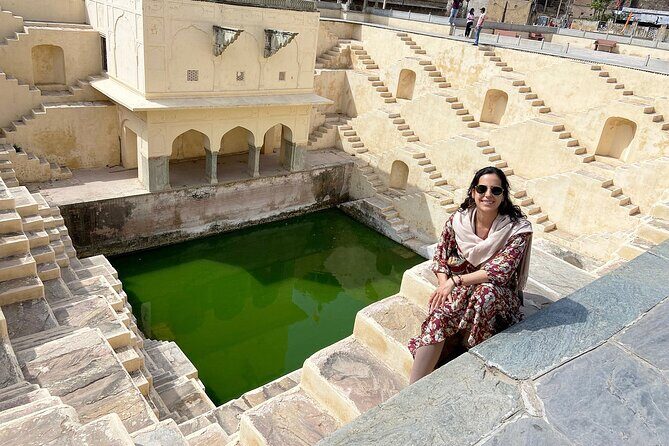
Then comes Jal Mahal. The idea is simple: an awe-inspiring structure surrounded by water, giving you that classic “palace on the lake” view.
Your time here is brief—about 15 minutes—and the listing says the admission ticket is free for this stop. That makes Jal Mahal a good energy management choice. You get the look without losing half your day.
One caution: since it’s a quick stop, your photo results depend on angle and timing. If the light is harsh or the viewpoint is crowded, you might not get the exact shot you want. Still, even a quick glance is worth it because the building-from-a-distance look is the whole point.
Amer: The Fort Area That’s Worth the Drive Outside Jaipur
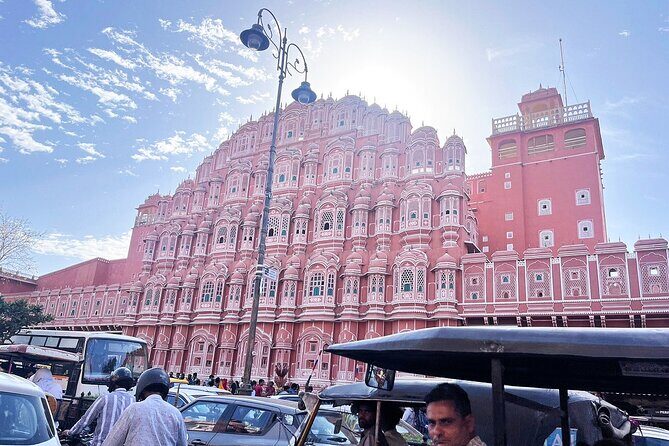
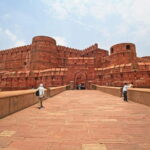
Amer is next, described as a famous town about 11 km from Jaipur and known for its Rajput fort and palace. The listing notes that it mixes Hindu and Mughal architectural influences, which is one of the reasons this place draws repeat visitors.
You’ll spend about 2 hours, and the itinerary marks admission as free for this stop. That’s a useful detail when you’re doing the math on the day’s total costs. Still, you may run into optional ticketing depending on which specific buildings you choose to access.
Why Amer works in this tour: it shifts you from the city’s core monuments to a different feel—more hillside, more fort presence, more “this is why Jaipur became powerful” energy. It also sets you up for the evening portion because Amer is often a natural lead-in to sunset plans around the outskirts.
Practical tip: give yourself time to walk and look around, but don’t over-plan. With a full schedule, Amer is best enjoyed as a “see the major shapes and details” kind of visit.
Galtaji (Monkey Temple) at Sunset: The Evening Payoff
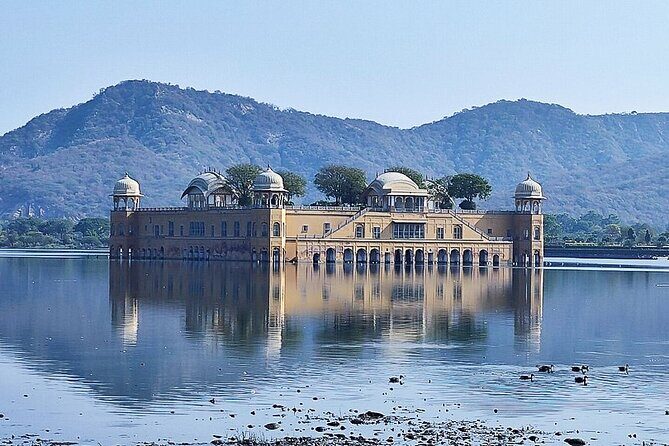
The last major stop is Galtaji Temple, also known as the Monkey Temple. It’s outside Jaipur, and the tour highlights the setting—surrounded by mountains and decorated with flowers. The big draw is the sunset timing, with the tour overview explicitly promising a sunset view from iconic locations like Nahargarh Fort or the Monkey Temple at Galtaji.
On the route you’re given, you’ll be spending about 1 hour at Galtaji, and the itinerary notes admission is free. That’s great for value: you get the evening highlight without stacking more entrance costs.
Here’s how to think about this final segment: it’s designed to end when the city looks better and the light softens. You also shift from palace-style monuments to a more outdoor, mountain-framed temple experience. If you’re tired by hour nine or ten, Galtaji can still feel rewarding because the scenery does part of the work for you.
One consideration: animal sites can be unpredictable. The listing calls it Monkey Temple, so expect monkeys as part of the atmosphere, and keep your belongings secured.
The Big Value Question: Price, Tickets, and Time
This tour is priced at $7.27 per person, which is extremely low for a private day with pickup, parking/taxes covered, bottled water, and a dedicated driver. The math changes once you factor in entrance fees. The tour lists an entrance fee of ₹1,650 per person, not included in the base price.
So here’s the balanced way to judge value:
- If you want a packed route across major sights without arranging vehicles on your own, the low base cost helps a lot.
- If you plan to pay entry to multiple sites, your total day cost will rise quickly, and you’ll want to be intentional about which interiors you care about most.
- The tour’s structure—enough time at City Palace and Amer, shorter time at others—suggests you’re not meant to spend all day in ticket lines or reading every exhibit.
Also note the tour includes fuel charge and parking, plus taxes. That’s real savings in Jaipur, where transport costs can surprise you if you’re booking last minute.
One more detail: mobile ticket is listed. That’s handy for smoothing out the day, especially when you’re trying to stay on schedule.
What the Guide Adds (Especially If You Get Khalid and Ali)
One of the best signals here is guide quality. The praised guide team includes Khalid and Ali, with Khalid highlighted for explaining historic sites and also answering questions about society and daily life in India. I like that approach because it turns “I saw a building” into “I understand why this building exists.”
If you select the option for a private tour guide in other languages (English is referenced for the driver), you should be able to get more than just dates. The useful part is context: how the architecture connects, what to notice in each place, and how royal history shaped the city’s layout.
Even without a guide option, the driver and route structure still make this tour easy to follow. But if you’re the type who likes to ask why something looks the way it does, a guide is the upgrade that tends to pay off.
Who This Jaipur Tuk-Tuk Sunset Tour Is Best For
This tour makes sense if you want:
- A full-day loop of the big names plus a sunset finale at Galtaji
- Convenience: pickup/drop-off, bottled water, and a private ride
- A mix of architecture (Hawa Mahal, City Palace), science (Jantar Mantar), and a calmer royal memorial site (Royal Gaitor Tumbas)
It’s also a decent fit for couples and small groups because the experience stays private. If you’re traveling with kids, you’ll likely appreciate the planned pacing and the fact that you don’t have to manage public transport.
I’d think twice if you hate long days. With 9–10 hours total and multiple stops, you’ll be on your feet and in transit for much of the day.
Should You Book This Tour?
I’d book it if you’re looking for a low-base-cost way to see major Jaipur landmarks and end with a sunset moment at Galtaji. The private tuk-tuk/AC choice is smart, and the stop order gives you a good balance between high-impact monuments and quieter sites like Royal Gaitor Tumbas.
I wouldn’t book it if you’re on a tight budget and you’re determined to go inside every single paid attraction. In that case, your entrance fees will do more of the budgeting than the tour price.
If you do book: decide ahead of time what you want to go inside (especially at City Palace and other non-free stops), wear comfortable shoes, and plan to enjoy the day’s flow rather than treating each stop like a museum marathon.
FAQ
Is pickup and drop-off included?
Yes. The tour includes hotel or airport pickup and drop-off, plus fuel, parking, taxes, and bottled water.
Do I get a guide?
An English-speaking driver is included, and a private tour guide in other languages is included if you select that option.
What transport options are available?
You can choose either a private tuk-tuk or an AC vehicle, depending on the option selected.
How long is the tour?
The duration is listed as about 9 to 10 hours.
Are entrance fees included?
No. The tour lists an entrance fee of ₹1,650 per person as not included. Some stops are marked free, such as Jal Mahal, Amer, and Galtaji.
Is this a private tour?
Yes. It’s a private tour/activity, and only your group will participate.