REVIEW · JAIPUR
Jaipur Tour with Monkey Temple and Block Print Experience
Book on Viator →Operated by Jaipur Tour And Travel · Bookable on Viator
If you like your sightseeing to have soul, this is it. This Jaipur half-day plan mixes market colors, royal landmarks, and a real hands-on block printing session, plus the hills of Galta Ji (Monkey Temple).
What I like most is that it’s structured enough to see a lot in one stretch, yet relaxed with an AC vehicle and time to breathe at calmer stops like the stepwell. I also like the people side: drivers like Samir or Naseeb come through with clean, comfortable rides and clear English explanations.
One drawback to plan around: several big sights have admission tickets not included (like City Palace, Hawa Mahal, Royal Gaitor Tumbas, and Monkey Temple), so you’ll want a little extra cash or card readiness.
In This Review
- Key highlights you’ll feel right away
- A Simple Plan for Jaipur: Market, Royal Sights, and Monkeys
- Stop 1: The Flower Market Gets You Oriented Fast
- City Palace and Hawa Mahal: Big Jaipur Icons, Short Walks
- Royal Gaitor Tumbas and Jal Mahal: Calm Interludes Between Landmarks
- Panna Meena ka Kund: The Stepwell Pause That’s Worth the Time
- Amer: UNESCO Fort Area Time Without the All-Day Drag
- Ramgarhmode Block Printing: A Craft Stop That Feels Like a Real Activity
- Galta Ji (Monkey Temple): Sacred Springs With a Few Housemates
- Price and Logistics: Why This Feels Like Good Value
- Who Should Book This Tour (and Who Might Prefer Another Style)
- Should You Book This Jaipur Experience?
- FAQ
- How long is the Jaipur tour?
- What does the tour cost?
- Is hotel or airport pickup included?
- Is transportation provided?
- Are monument entrance fees included?
- Is there a block printing experience?
- Is food included?
- Can I cancel for a full refund?
Key highlights you’ll feel right away
- Morning flower market stop: strong smells, loud bargaining, and a fast way to get your bearings in Jaipur
- City Palace and Hawa Mahal viewpoints: classic Jaipur architecture without a museum-marathon
- Panna Meena ka Kund stepwell: a quiet, photogenic 16th-century pause
- Amer time that actually adds up: enough duration to see the UNESCO-listed fort area without feeling rushed
- Block printing at Ramgarhmode: you get a demonstration of the traditional process, not just a photo stop
- Galta Ji (Monkey Temple) hills: sacred springs plus monkeys, where you’ll want to keep your hands and snacks under control
A Simple Plan for Jaipur: Market, Royal Sights, and Monkeys
This tour is built for the kind of day when you want Jaipur’s main stories plus a few side corners—without trying to run the city on your own. The route flows from a morning market into big landmark photo-and-walk stops, then out toward Amer, and finally finishes with craft time and the Monkey Temple hills.
The practical win is the transportation. You get a private AC vehicle with an English-speaking driver and pickup/drop from your hotel or airport area. That matters in Jaipur, where distances feel longer than the map suggests and traffic can be stop-and-go. Past guests also praised drivers like Samir and Naseeb for punctual pickup and calm, confident driving—one noted the car stayed clean even on bumpy roads.
You’re also getting bottled water and the basics that keep the day comfortable: fuel charge, parking fees, and taxes are covered. The only thing you’ll likely pay extra for is admissions at certain monuments.
You can also read our reviews of more tours and experiences in Jaipur.

Stop 1: The Flower Market Gets You Oriented Fast
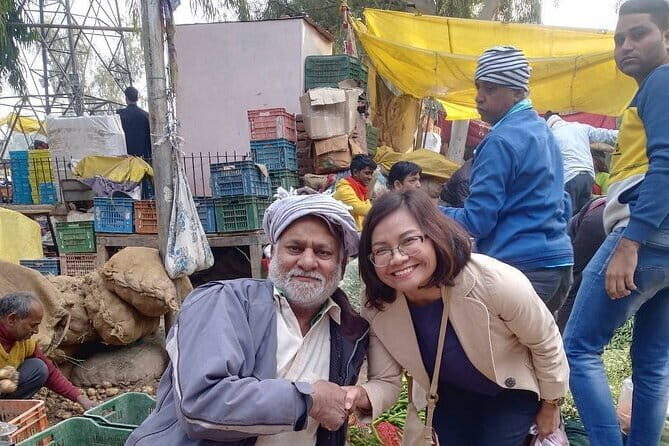
The tour starts in the morning at Jaipur’s flower market. This is not a quiet “look from the sidewalk” moment. It’s a real working market—stalls full of fresh blooms, strong fragrance in the air, and plenty of trade activity as locals buy and sell.
Why this is a good first stop: it gives you color and context immediately. Jaipur can feel like too many forts and facades at first. A flower market pulls you back to daily life. You’ll see how people use their city—celebrations, temples, and everyday routines all show up in the flower supply chain.
Timing-wise, you get about 1 hour, and that’s just enough to take in the sights without turning it into a long shopping trap. If you want souvenirs, look close at the craft sellers—but don’t feel pressured to buy right away. Morning is energetic, and your senses get overloaded fast.
City Palace and Hawa Mahal: Big Jaipur Icons, Short Walks

After the market, you hit the royal center with City Palace. This place mixes Rajput and Mughal architecture, and the time on site is about 1 hour. You can wander through courtyards and royal halls and see museum collections tied to Jaipur’s past. Even if you only do the highlights, City Palace gives you the sense that Jaipur’s rulers didn’t build for one purpose—they built for power, ceremony, and identity.
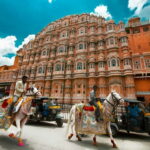
Next comes Hawa Mahal (Palace of Breeze) for around 30 minutes. You’re not getting a long museum visit here; you’re getting the iconic look: the distinctive honeycomb-like façade with many small windows and balconies. The best use of your time at Hawa Mahal is simple—take photos from multiple angles and then look upward. The façade is the star.
Admissions note: City Palace and Hawa Mahal are listed as not included for this tour. So if you’re trying to keep your budget tight, plan your entrance decisions early. If you do pay in, try to go when the light is strongest, because the façade details show up better.
Royal Gaitor Tumbas and Jal Mahal: Calm Interludes Between Landmarks
The tour includes Royal Gaitor Tumbas for about 30 minutes. These are marble-and-stone cenotaphs (chhatris) connected to Jaipur’s Maharajas. The setting is described as serene, and the whole point is a pause. It’s the opposite mood from the palace crowd energy—more “quiet memorial” than “busy attraction.”
Admission is not included here as well, so this is another one to decide based on your interests. If you’re the type who likes architecture and symbolism, the short time is enough to appreciate the chhatris as a group. If you’re mainly doing photos, you might prefer to spend that money elsewhere.
Then there’s a quick pass-by of Jal Mahal, the Water Palace. You won’t spend a long time here (about 15 minutes), but you’ll see why it’s famous: it appears to float in the middle of Man Sagar Lake. Even from a roadside angle, it makes an atmospheric photo. Treat this as a “view and move on” stop rather than a deep visit.
Panna Meena ka Kund: The Stepwell Pause That’s Worth the Time
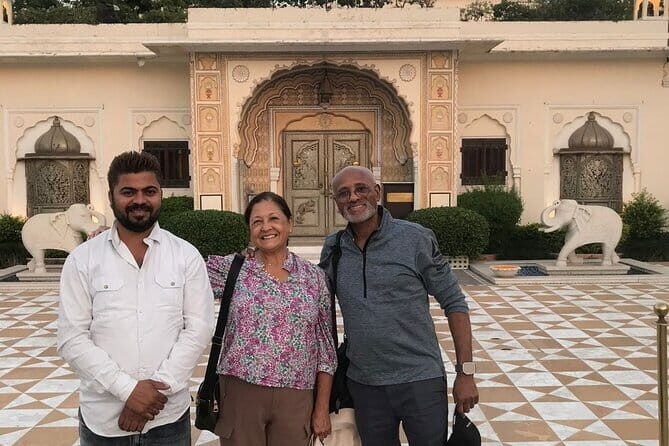
For me, the most satisfying middle stop is Panna Meena ka Kund, a stepwell originally built in the 16th century. It’s included with about 30 minutes, and that time is perfect. Stepwells reward slow looking: the geometry, the layers of steps, and the sense of a place designed for community.
The tour description also frames this stepwell as a social gathering spot—people would socialize there when using the water. That detail changes how you look at the structure. It’s not only a photo object. It’s a piece of infrastructure that shaped daily life.
This stop is listed as free. That makes it even easier to justify time there. If you’re deciding where to spend effort, this is one of the “save your ticket money” choices because it’s included.


Amer: UNESCO Fort Area Time Without the All-Day Drag
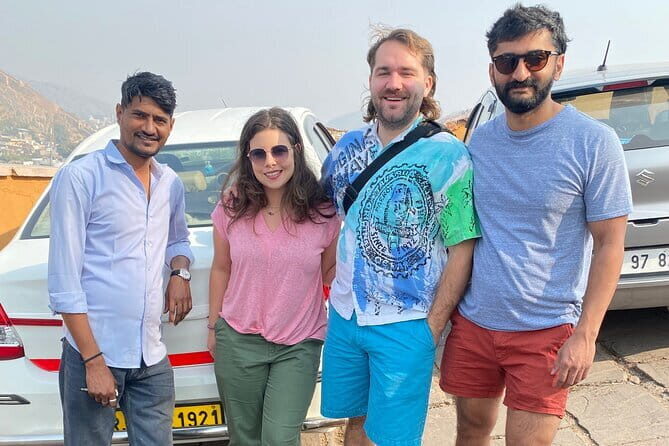
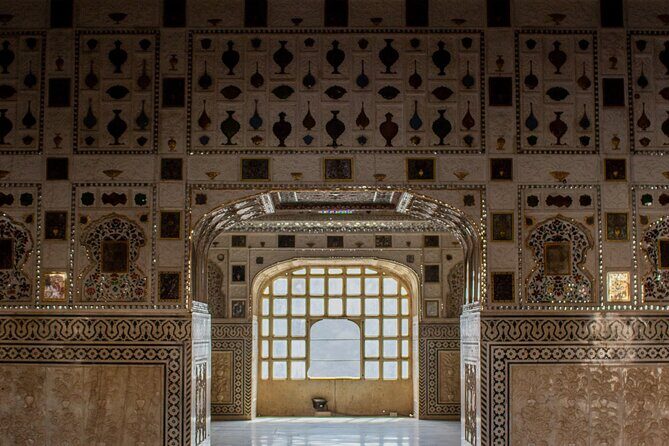
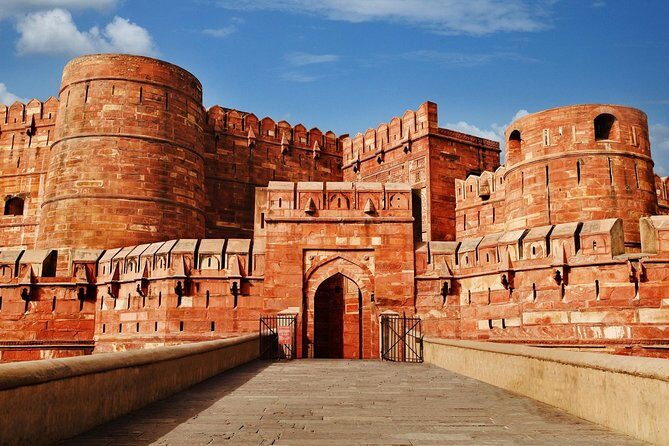
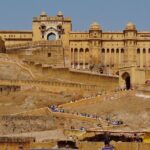
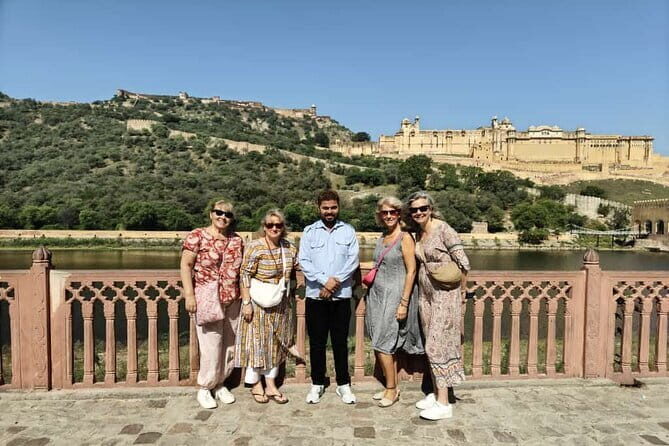
Amer is near Jaipur, and you get about 2 hours there. The fort area is described as a UNESCO World Heritage site, and the focus is on the castle/fort experience and its standout architecture.
Two hours is a smart duration for Amer. It’s long enough to walk key parts and take in the scale, but not so long that you’re exhausted by the end of the day. Also, Amer is where Jaipur’s palace-and-fort story becomes most physical. You can see how power and defense show up in stone.
Admission for Amer is listed as free on this tour. That’s a big part of the value. You’ll still want to wear comfortable shoes and expect uneven surfaces, but the schedule is realistic.
Ramgarhmode Block Printing: A Craft Stop That Feels Like a Real Activity
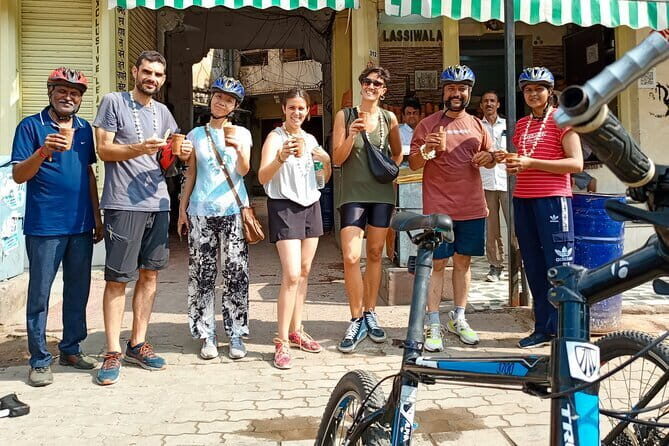
Now for the part many people book for: block printing. The tour includes a stop at Ramgarhmode, around 30 minutes, for a demonstration and learning about the traditional process.
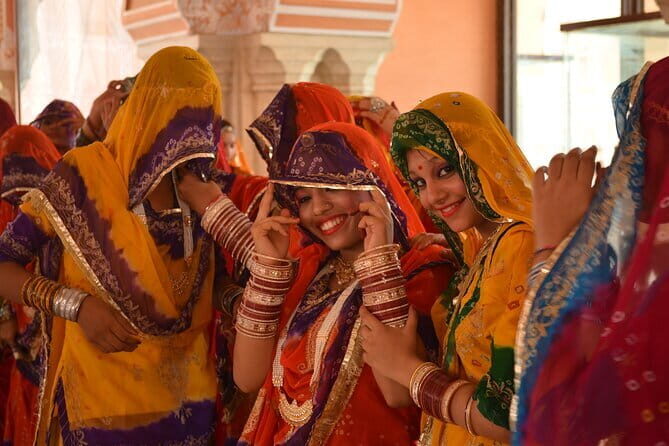
This is the segment to pay attention to, because it’s not just sightseeing. You’ll see how skilled artisans use carved blocks to transfer patterns onto fabric, and you’ll get a feel for why this craft matters in Rajasthan. The time is limited, so you won’t be doing a full production line lesson—but the point here is a guided introduction.
What makes it valuable is the contrast. You move from stone monuments to handmade design. And if you’re the type who likes to buy something with a story, a block-print item usually has more meaning than a generic souvenir.
If you hate shopping pressure, keep expectations simple: treat this as a learning session first. The tour notes personal expenses like shopping aren’t included, so you’re in charge of spending.
Galta Ji (Monkey Temple): Sacred Springs With a Few Housemates
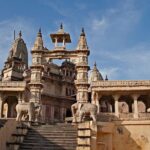
The final major stop is Galta Ji (Monkey Temple), also called the Monkey Temple. It’s in the hills near Jaipur and described as an ancient pilgrimage site with historic temples and sacred springs, plus the famous monkey population.
This stop runs about 1 hour, and it’s listed as not included for admission. So again, you’ll decide whether to pay on arrival or not based on your interests. If you love atmospheric temple settings and you’re okay with nature playing a big role in your photos, it’s worth it.
A practical consideration: with monkeys around, keep your hands and pockets secure. If you carry snacks, keep them out of reach. Also watch your footing on uneven paths. The setting is beautiful, but it’s a working environment too.
Price and Logistics: Why This Feels Like Good Value
The price is listed at $16.99 per person for about 8 hours (approx.). That might sound low for a private AC ride plus hotel/airport pickup and drop. The value comes from what’s included:
- Private AC vehicle with an English-speaking driver
- Pickup and drop from hotel/airport
- Bottled water
- Fuel, parking, and taxes
- Some entrances are included only if the option is selected, but several stops are marked free
- A guide is only included if you choose the option that lists an expert tour guide
So, what you’re really paying for is transportation + routing + the key inclusions. When admissions are not included, you’re saving money on stops you might not prioritize.
A smart budgeting tip: since City Palace, Hawa Mahal, Royal Gaitor Tumbas, and Monkey Temple are listed as not included, decide your “must-enter” sights before the day starts. If you only want to pay for 1 or 2 of them, you still get plenty of Jaipur scenery through the included/free stops like the flower market, Panna Meena ka Kund, Jal Mahal pass-by, and Amer (listed free).
Also note: meals aren’t included. Build in time to eat on your own, or plan to grab something nearby between stops if the schedule allows. The tour is timed tightly enough that hunger can become a distraction if you don’t plan.
Who Should Book This Tour (and Who Might Prefer Another Style)
This experience fits best if you want:
- A structured route that covers several must-see areas without long planning
- A mix of everyday city life (flower market) and classic Jaipur landmarks
- A cultural craft moment through block printing
- Comfort upgrades like AC transport and an English-speaking driver
It may not fit as well if you want:
- A long, museum-heavy day with minimal vehicle time
- A fully guided walkthrough at every monument (some admissions are not included, and a tour guide is only included if you select that option)
- Meals handled for you (they’re not included)
Should You Book This Jaipur Experience?
I’d book it if you’re short on time and want Jaipur to feel real, not just photographed. The mix works: market energy early, royal architecture in the middle, a calm stepwell stop, Amer time that doesn’t drag, and a hands-on block printing demonstration before you go to Galta Ji’s hill temples.
If you care about keeping your spending predictable, do one simple thing: plan your admission priorities ahead of time, since several key sights aren’t included. Then you’re free to enjoy the free stops without guilt.
If your main goal is only the biggest ticket sights (like paying for City Palace and Hawa Mahal no matter what), consider comparing options that include those entrances. But for the price, the comfort, and the way the day balances monuments with craft, this one is a strong choice.
FAQ
How long is the Jaipur tour?
It’s listed as about 8 hours (approx.).
What does the tour cost?
The price is $16.99 per person.
Is hotel or airport pickup included?
Yes. Pickup and drop from your hotel or airport area are included.
Is transportation provided?
Yes. You get a private AC vehicle with an English-speaking driver.
Are monument entrance fees included?
Not all of them. City Palace, Hawa Mahal, Royal Gaitor Tumbas, and Monkey Temple are shown as not included, while several stops like the flower market, Jal Mahal pass-by, Panna Meena ka Kund, Amer, and the block printing stop are free on this tour.
Is there a block printing experience?
Yes. You’ll visit Ramgarhmode for a block printing demonstration and learn about the traditional technique.
Is food included?
Meals are not included.
Can I cancel for a full refund?
Yes, free cancellation is available. You can cancel up to 24 hours in advance for a full refund. If you cancel within 24 hours, the amount paid is not refunded.