REVIEW · JAIPUR
Jaipur: Jhalana Amagarh Leopard Reserve 4×4 Jeep Safari
Book on GetYourGuide →Operated by Parikshit Tour and travels · Bookable on GetYourGuide
Leopards are the real reason to go. A 4×4 safari into the Jhalana/Amagarh Leopard Reserve takes you from Jaipur into the Aravali Hills, where you’re hunting for big-cat sightings (and plenty of other wildlife) with a team focused on where animals actually move. I love that you get hotel pickup and drop-off in an air-conditioned vehicle, so the day feels efficient instead of chaotic.
I also like the way the safari is run for wildlife viewing time, with a private-group setup and a 4×4 Gypsy or similar rugged jeep experience designed for the terrain. The main drawback is the reality check: leopard sightings can’t be guaranteed, and the money isn’t refunded if you don’t see them—so this is for people who enjoy nature even on a slow cat day.
In This Review
- Key Safari Highlights You’ll Care About
- Why Jhalana/Amagarh Works as a Jaipur Wildlife Day
- Getting There: Pickup, Private Group Comfort, and the Skip-the-Line Bonus
- Timing Matters: Morning Cool vs Sunset Patience
- Inside the Reserve: What You’re Actually Looking For
- Wildlife Viewing and Photo Tips That Make a Real Difference
- What You Can See Beyond Big Cats
- The Driver/Guide Experience: Names Matter, and So Does Effort
- Extras That Might Add Time: Monkey Temple and Elephant Village Option
- Price and Value: Is $60 a Fair Deal?
- What to Bring (and What to Skip)
- Who This Jaipur Leopard Safari Suits Best
- Should You Book the Jhalana Amagarh Leopard Reserve 4×4 Safari?
- FAQ
- How long is the safari inside the reserve?
- Do I get food or drinks included?
- Is seeing a leopard guaranteed?
- What animals might I see besides leopards?
- What do I need to bring, and what is not allowed?
- What languages will the guide/driver use?
Key Safari Highlights You’ll Care About
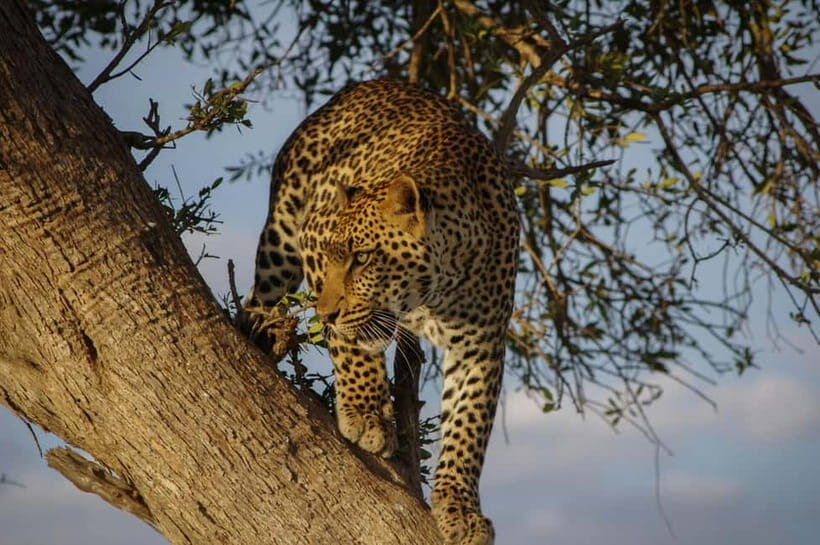
- Wildlife in the Aravali Hills close to Jaipur: you’re not driving hours into nowhere land.
- A real 4×4 safari window (about 2:15–2:45 inside the park) where you can scan, wait, and photograph.
- High leopard density on paper: the reserve hosts more than 70 leopards and 5 cubs.
- Photo-positioning help: guides work hard to get you in the right spot without blocking others.
- Early mornings and weather curveballs: Jaipur can be warm on the road, but colder once you’re out in the safari.
- Optional add-ons can change the vibe: Monkey Temple stops and an Elephant Village option appear on some departures.
Why Jhalana/Amagarh Works as a Jaipur Wildlife Day
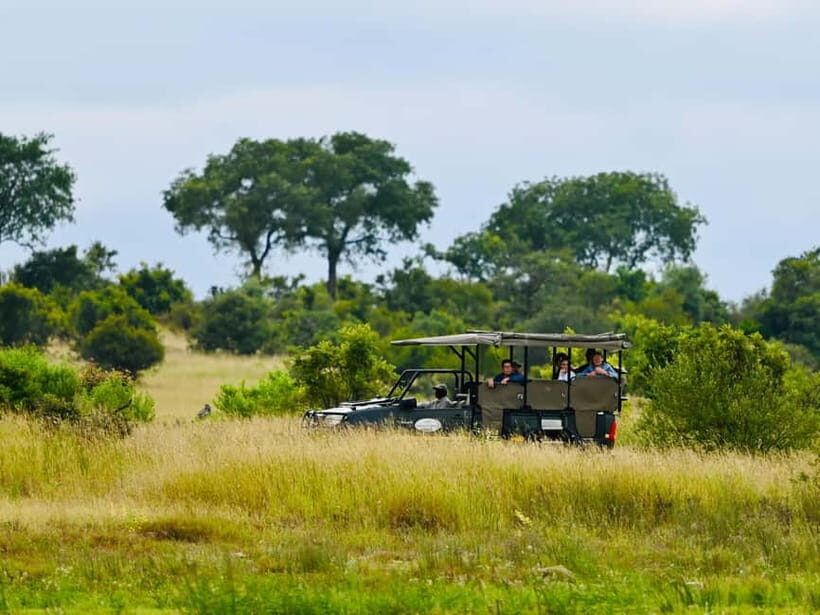
Jaipur is busy. This safari is a reset button. You leave the city rhythm behind and go into a reserve on the Aravali range—an older set of hills in India—where the habitat is meant for wild animals to live, move, and feed.
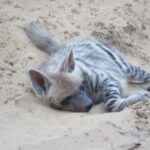
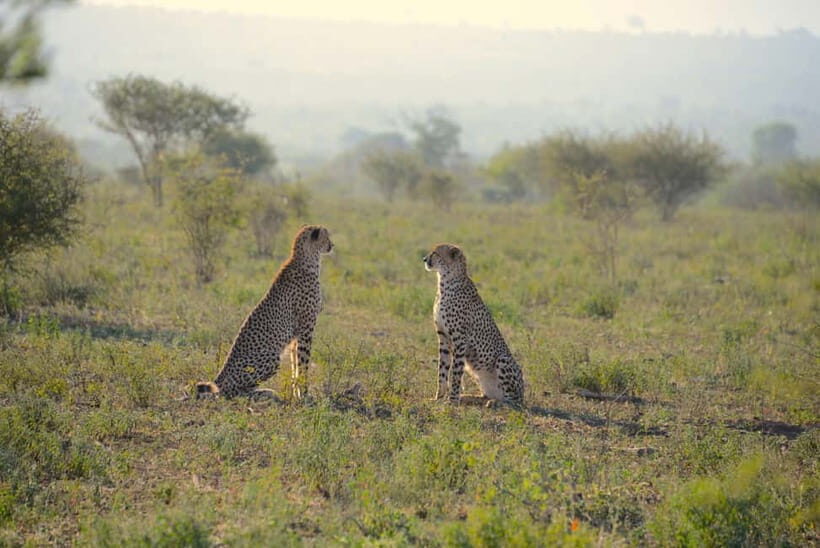
The reserve’s reputation is built around one species, but the day doesn’t end if the cats are quiet. You can spot spotted deer (chital), nilgai (blue bull), sambar deer, striped hyenas, civets, foxes, jackals, porcupines, mongooses, monitor lizards, and even snakes. So even when leopards stay hidden, you’re still in the right place for wildlife watching.
And because this is a city-based leopard reserve operated by the Government Forest Department, the logistics are usually more straightforward than the remote “go far or go home” safaris. That matters if you only have a day (or if you’re mixing this with Jaipur sights like forts, markets, and temples).
A few more Jaipur tours and experiences worth a look
Getting There: Pickup, Private Group Comfort, and the Skip-the-Line Bonus
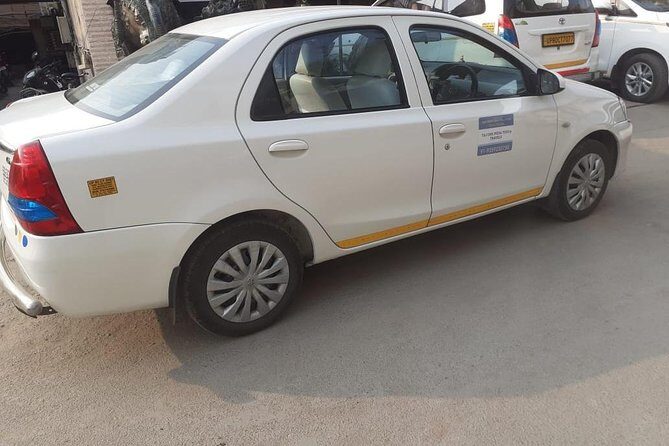
Your day starts with pickup from your hotel or another Jaipur location, then a return drop at the same place after the safari. You ride in an air-conditioned vehicle for the transfer, which is a big deal in Rajasthan heat (and also nice if you’re traveling with camera gear and want to arrive without getting sweaty).
The tour also uses a separate entrance at the park, which helps you avoid the slow shuffle at the entry point. The result: more time in the reserve zone, less time standing around with everyone else.
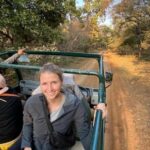
Inside the safari, the setup is private-group style. That’s not just comfort—it also changes how you experience wildlife. When your jeep isn’t stuck in a giant crowd, your guide can try different angles for sightings and keep your group positioned for photos.
Timing Matters: Morning Cool vs Sunset Patience
You’ll choose a departure time, and the mood changes fast. In winter, early mornings can feel surprisingly cold once the jeep is moving through the reserve. One of the best practical tips I can give you from real safari experience: bring jumpers or a light jacket even if Jaipur feels warm when you leave.
Sunset can also be a strong option. Cats often become more active as the day cools, and you may get calmer light for photography. The trade-off is that you’ll be working on patience: waiting in a good spot sometimes means sitting longer than you expect, especially if your guide is checking multiple likely areas.
If you’re the type who hates “standing still,” think of safari waiting as part of the craft. The animals decide the schedule. Your job is to be ready—quiet, observant, and ready to move when your guide signals.
Inside the Reserve: What You’re Actually Looking For
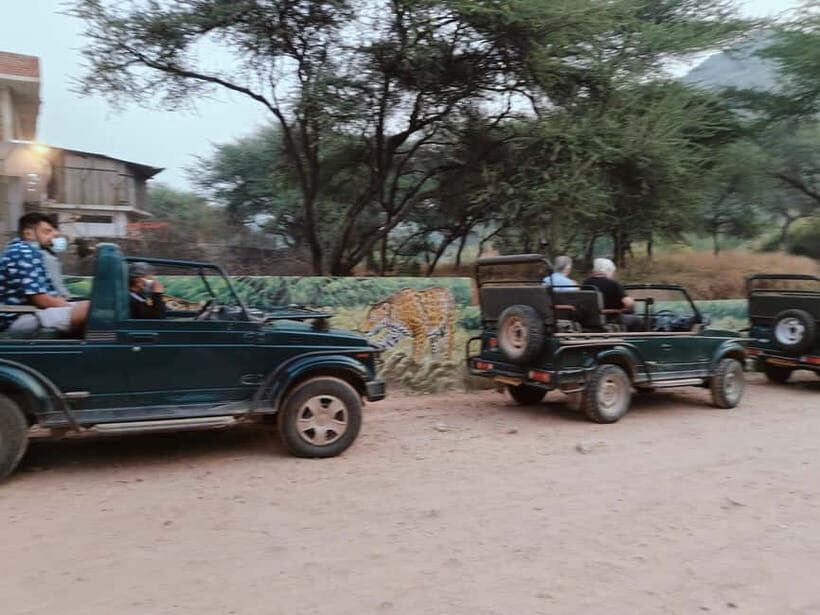
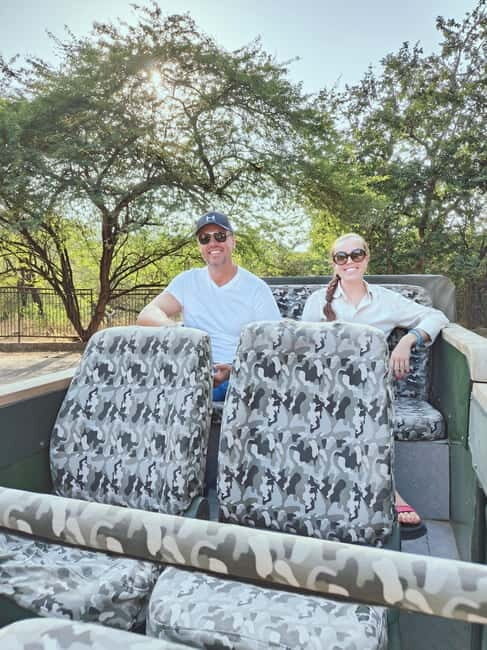
At Jhalana/Amagarh, the 4×4 safari time is where the magic happens. The safari window is about 2:15 to 2:45 hours, and you’ll be off-road in rugged vehicles built for the terrain.
So what does “searching for leopards” look like in real life? It’s less about sprinting toward a rumor and more about reading the reserve like a puzzle:
- scanning brush lines for movement,
- checking edges where animals might cross,
- watching for signs like tracks, calls, or alert behavior from smaller animals,
- and then waiting when something looks promising.
That’s also why binoculars are worth it. With leopards, you’re often identifying motion through vegetation. A zoomed phone camera is helpful, but binoculars make the early “is it there?” moment a lot clearer.
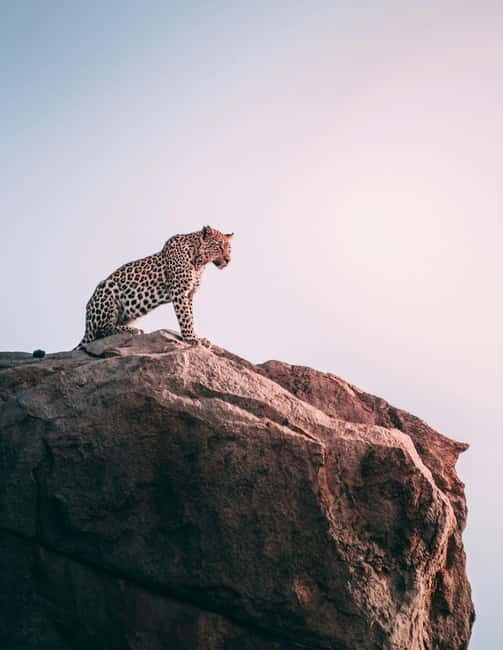
If luck is on your side, you might see leopards close enough to feel the size and grace of the animal. If luck isn’t on your side, you can still get excellent sightings of other species—like hyenas, spotted deer, peacocks, and birds moving through the habitat.
And yes, you should know this up front: leopard sightings aren’t guaranteed. Some days the cats don’t show. That doesn’t mean the safari failed; it means you practiced wildlife watching the way it’s meant to be.
Wildlife Viewing and Photo Tips That Make a Real Difference
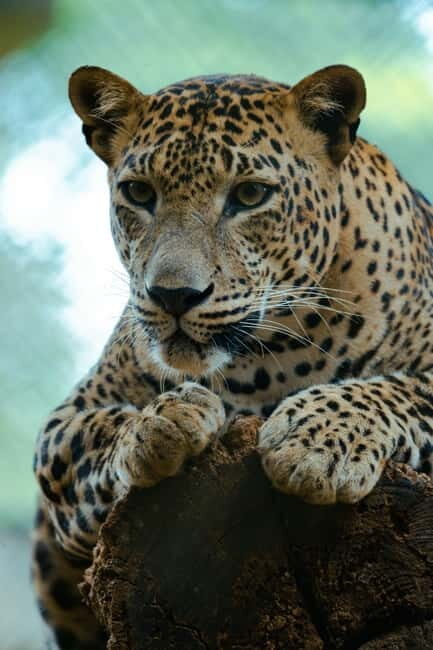
I love safaris where the guide treats photos as part of the hunt, not a random afterthought. In this reserve, positioning matters: a good guide helps you see the animal without crowding or blocking other jeeps.
A few practical moves you’ll appreciate:
- Bring a camera (and/or a phone) and keep it ready, not buried in your bag.
- Use your binoculars to locate first, then zoom with your camera.
- When you stop, stay steady. Sudden movement can scare animals back into cover.
- If you’re using a phone, turn on burst mode if you know how—many cat moments are short.
Also remember the reserve isn’t empty. You may see multiple species in the same session. Hyenas can appear, birds can pop into view at the edges, and deer can step out when you least expect it. That’s why “no leopard” doesn’t automatically mean “no payoff.”




What You Can See Beyond Big Cats
The reserve list is long, and it’s helpful because it sets your expectations correctly. Here’s what you can look for during a safari day:
- Big focus: leopards (and the safari also mentions panthers)
- Other carnivores and oddballs: striped hyenas, jungle cats, desert cats, civets, jackals
- Smaller wildlife: porcupines, mongoose, jungle rats
- Reptiles and reptiles-with-attitude: monitor lizards and snakes
- Herbivores and classic prey base: chital (spotted deer), sambar deer, nilgai
- Birds: peacocks and lots of other species depending on conditions
If you’re the kind of wildlife person who enjoys the full food-chain vibe, this is a strong day. You get to see the “supporting cast,” which makes the leopard hunt feel more meaningful—even when the leopard takes a pass.
The Driver/Guide Experience: Names Matter, and So Does Effort
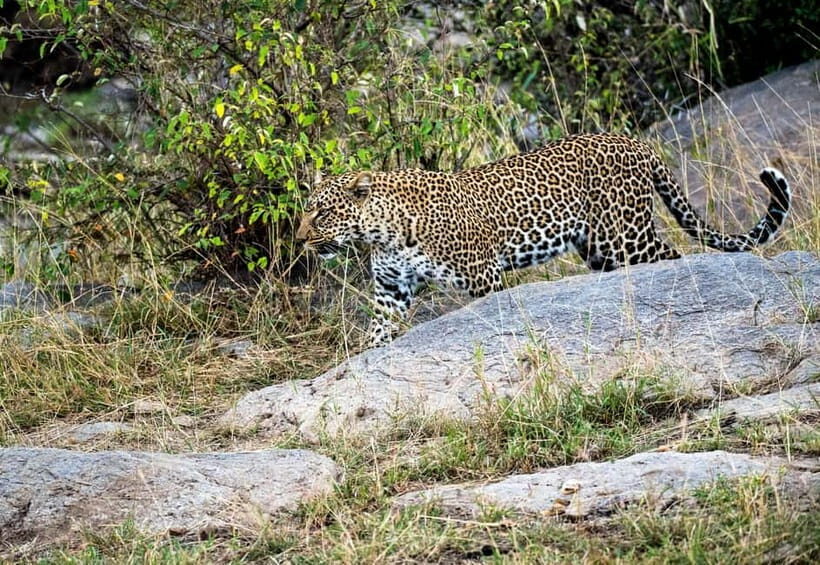
One of the most consistently praised parts of this safari is the human element. People show up to see wildlife, but it’s the guide-and-driver team that turns odds into opportunities.
You might ride with drivers and guides such as Mr Singh, Vinay, Ashok, Yogesh ji, Ganesh, Rajendra, Bhusan, or others. What they have in common in the stories you’ll hear: they try hard to spot cats, keep jeeps comfortable on rough trails, and help with photo framing once a sighting appears.
For me, the biggest value here is safety and communication. A smooth, attentive driver makes the ride feel controlled, not rattling. And if you can understand English or Hindi, that commentary helps you interpret animal behavior faster.
One small caution: not every guide explains in the same depth or in your preferred language. If you care about context—like why the guide chooses a spot—ask directly at the start what kind of explanation you’ll get in your language.
Extras That Might Add Time: Monkey Temple and Elephant Village Option
Your safari day can include optional add-ons depending on the operator’s plan and the departure. Two that show up in real-life experience are a quick Monkey Temple stop and an Elephant Village Park visit.
Monkey Temple
Some outings include a nearby Monkey Temple stop before or after the safari. It’s a nice break from waiting in the jeep, and it’s also a way to stretch your legs, especially if your safari runs longer than expected.
Elephant Village Park option
If you select the Elephant Village Park option, you’ll have that extra stop included—but you should note that an activity with elephants is not included. I’d treat the elephant stop as a “decide what you want to do there” experience, not as a guaranteed emotional highlight. Some people loved it. Others felt it wasn’t good value for what they got. If this is the part you most care about, go in with clear expectations and don’t assume it will match what you picture from wildlife documentaries.
Price and Value: Is $60 a Fair Deal?
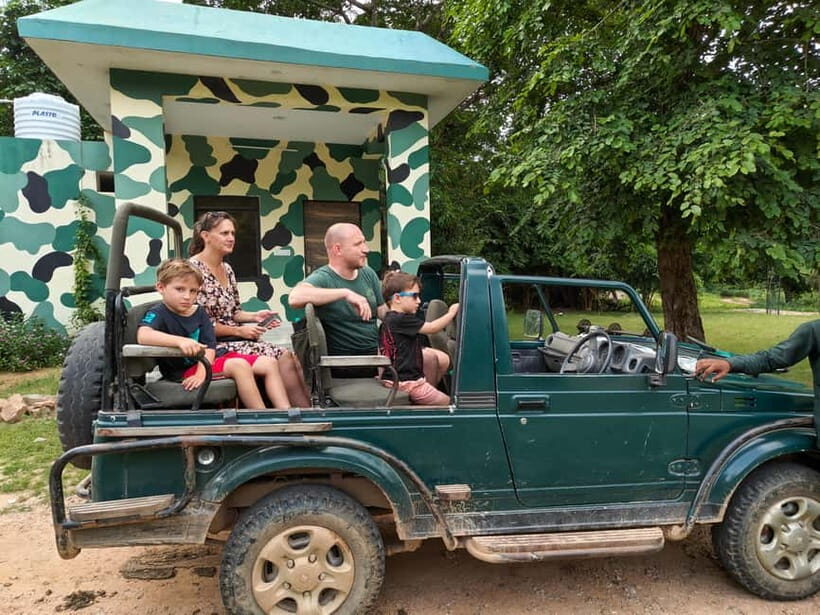
At about $60 per person, the value comes down to what you’re buying besides the jeep. You’re paying for:
- private hotel pickup and drop-off with an air-conditioned vehicle,
- safari park entrance charges,
- the 4×4 jeep experience for your wildlife time,
- and a guide/driver who is actively searching and positioning for sightings.
If you only care about leopards, you’ll feel the risk—because leopard sightings can’t be guaranteed. But if you’re open-minded about wildlife, the reserve is still producing plenty of sightings on many days: hyenas, deer, birds, and reptiles are real possibilities.
The other value angle is time. Getting to and from the reserve smoothly means you don’t burn half your Jaipur day sorting transport. For short trips, that matters more than the price tag.
My advice: if you’re on a tight schedule, book. If you’re chasing a leopard at all costs and you’d be upset about a slow cat day, you’ll want to adjust your expectations before you go.
What to Bring (and What to Skip)
Bring:
- a camera
- binoculars
- comfortable clothes for jeep time
- water (a bottle is included, but you’ll still want a refill plan)
- warm layers, especially if you’re going early (late February can be cold on safari even when Jaipur feels warm)
Not allowed:
- smoking
Also plan your comfort. You’ll be in a jeep for rough terrain roads, and your ability to watch and photograph depends on staying comfortable for the entire safari window.
Who This Jaipur Leopard Safari Suits Best
This safari is a great fit if:
- you want a wildlife day close to Jaipur, not a long-distance expedition,
- you enjoy the search process as much as the final sighting,
- you’re happy to look for animals beyond leopards,
- you want photo help and a smooth, punctual day plan.
It’s not a great fit if:
- you have animal allergies (the tour data notes this isn’t suitable),
- you need a guaranteed leopard sighting to feel satisfied,
- you’re very sensitive to language differences in commentary.
Should You Book the Jhalana Amagarh Leopard Reserve 4×4 Safari?
If you want a real wildlife outing with practical logistics, I’d book it. The hotel pickup, air-conditioned transfers, and 4×4 safari time make it a high-effort plan without the usual hassle. And even when leopards are elusive, the reserve can still deliver hyenas, deer, birds, and a sense of being in the right habitat—not a zoo-style substitute.
Just go in with the right mindset: think wildlife watching, not leopard checkout. If you can handle the uncertainty, you’ll enjoy the day more. And if you pick early morning, pack for cold surprises.
FAQ
How long is the safari inside the reserve?
The total safari time in the reserve is about 2:15 to 2:45 hours, with the overall experience running around 3.5 to 8 hours including pickup and drop-off.
Do I get food or drinks included?
Food and drinks are not included. A water bottle is included.
Is seeing a leopard guaranteed?
No. Leopard sightings cannot be guaranteed, and money will not be refunded if leopards are not seen.
What animals might I see besides leopards?
Besides leopards, you may spot striped hyenas, Indian civets, desert cats/jungle cats, desert foxes, jackals, porcupines, jungle rats, monitor lizards, mongooses, sambar deer, spotted deer (chital), blue bull (nilgai), and a variety of snakes.
What do I need to bring, and what is not allowed?
Bring a camera and binoculars, plus comfortable clothes and water. Smoking is not allowed.
What languages will the guide/driver use?
The driver can speak English and Hindi. The group is private.
If you tell me your travel month and whether you prefer morning or sunset, I can help you choose the better departure for comfort and photo light.