REVIEW · JAIPUR
Jaipur: Full-Day Private Sightseeing Tour by Tuk Tuk
Book on GetYourGuide →Operated by Jaipur Pinkcity Tours · Bookable on GetYourGuide
One day, seven wow stops. This full-day private tuk tuk sightseeing route strings together Jaipur’s biggest sights, from Amber Fort to Jantar Mantar, with a local driver who explains what you’re actually seeing. You also get comfort and quick stops that fit real-world Jaipur timing, not just a museum checklist.
I especially like the local commentary. Guides such as Imran, Mohsin, Ali, and Sonu are praised for clear English, practical history talk, and smart pointers on what to watch for at busy attractions.
I also like the rhythm of the day: you’re not stuck for hours in a single place, and you still get proper time at key stops like Amber Fort and City Palace. The possible drawback is that it’s still an 8-hour outing with moderate walking, plus standing and stairs around monuments, so bring comfortable shoes and expect to be on your feet.
In This Review
- Key Highlights You’ll Care About
- Why Jaipur Looks Better (and Moves Faster) by Tuk Tuk
- Hawa Mahal: The 953 Windows Photo Stop That Starts the Day Right
- Amber Fort: Rajput-Mughal Style You Can Actually See Up Close
- Panna Meena ka Kund and Jal Mahal: Water Views Between Main Monuments
- Shopping and Lunch Time: A Useful Window to Get Your Bearings
- Gaitor Ki Chhatriyan: A Longer Monument Stop for Slower Looking
- City Palace: Power, Art, and the Architectural Mix That Feels Like Jaipur
- Jantar Mantar: Giant Instruments That Explain Time and the Sky
- Albert Hall Museum: Indo-Saracenic Art and Artifacts Worth the Detour
- Tips That Make the Day Smoother in Real Life
- Price and What You’re Actually Paying For
- Who This Private Jaipur Tuk Tuk Tour Fits Best
- Should You Book This Tuk Tuk Day in Jaipur?
- FAQ
- How long is the Jaipur tuk tuk sightseeing tour?
- What is the price per person?
- Is hotel pickup and drop-off included?
- Are entrance fees to monuments included?
- Does the tour skip the ticket line?
- Is the tour suitable for wheelchair users or pregnant women?
Key Highlights You’ll Care About
- Tuk tuk speed plus easy parking for short photo stops and quick repositioning around central Jaipur
- Driver-led explanations in multiple languages (English, French, Spanish, Russian, Japanese)
- Skip-the-ticket-line approach at the main stops to help your day feel efficient
- Amber Fort on a hilltop with Rajput and Mughal architectural details worth slowing down for
- UNESCO Jantar Mantar instruments that turn time and astronomy into giant, walkable science tools
- Great value private tour at about $9 per person with pickup, bottled water, fuel, and parking handled
Why Jaipur Looks Better (and Moves Faster) by Tuk Tuk
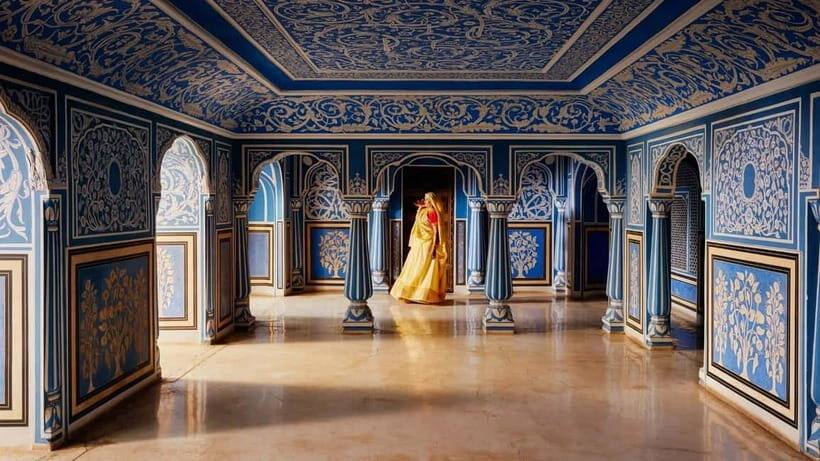
Jaipur is one of those cities where the “how” matters as much as the “what.” A tuk tuk lets you cover ground without the stress of constantly figuring out parking, and it’s easier to pause for photos at places where a car might wait too long.
What makes this setup work is how the day is paced. You get a mix of quick exterior stops—perfect for Hawa Mahal and Jal Mahal—and longer focus time where it counts, like inside Amber Fort and at major monuments. Plus, this is a private group, so your driver can adjust the timing if you want extra photos or a slower walkthrough.
And yes, Jaipur traffic can be intense. The guides in recent bookings are repeatedly praised for calm, safe driving, even when conditions feel chaotic. That matters because an 8-hour day is only enjoyable if you don’t spend it bracing for every turn.
You can also read our reviews of more private tours in Jaipur



Hawa Mahal: The 953 Windows Photo Stop That Starts the Day Right
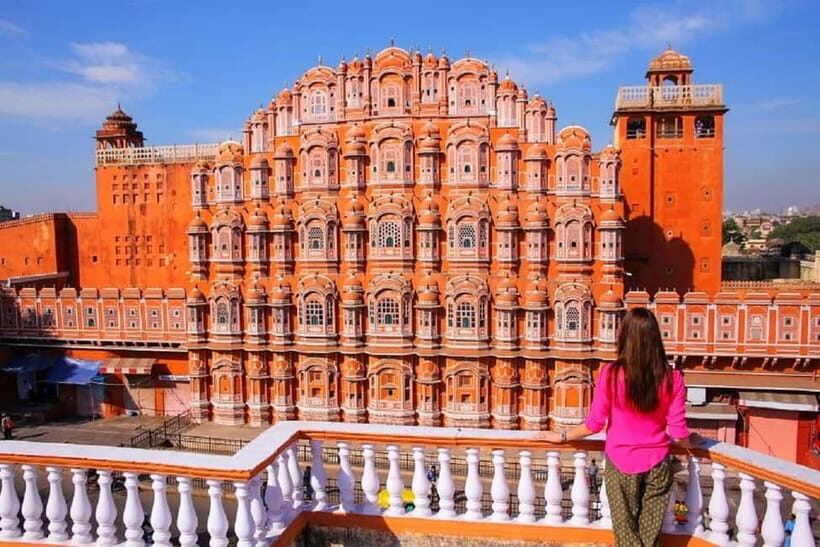
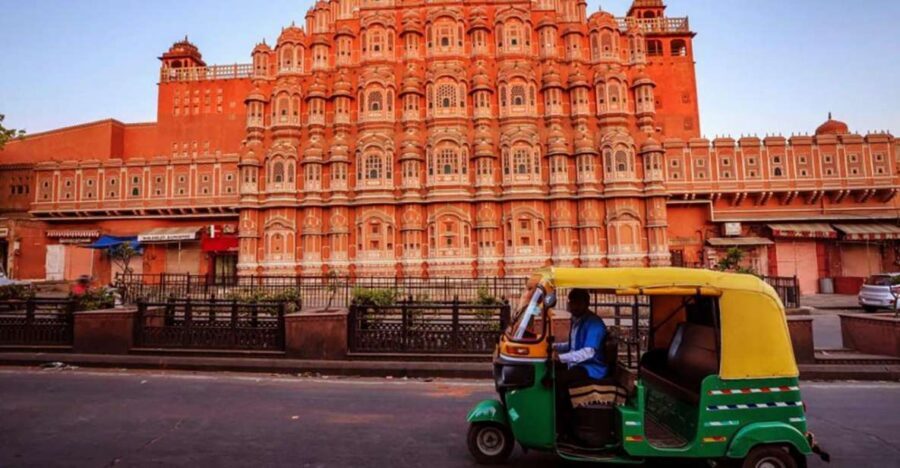
Hawa Mahal, or the Palace of Winds, is one of Jaipur’s most recognizable facades—and this tour treats it like the quick wow it deserves. You’ll get a photo stop and short sightseeing window (about 20 minutes), which is exactly enough to capture the front and read the story without burning daylight.
It’s famous for its five-story structure and the 953 small windows designed for royal women to observe street activity while staying hidden from public view. Built in 1799 by Maharaja Sawai Pratap Singh, the palace is basically a lesson in how architecture served a social life.
Practical tip: plan for a bit of standing and crowd pressure around the viewpoint area. If you want sharp photos, go early in the day timing, keep your camera ready, and don’t linger too long in the busiest spots.
Amber Fort: Rajput-Mughal Style You Can Actually See Up Close
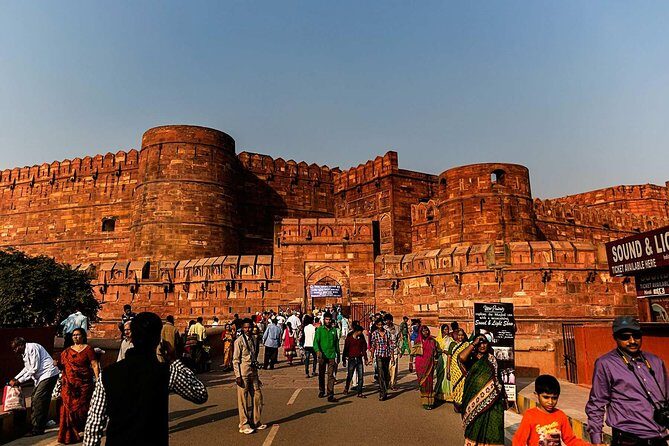
Amber Fort is the centerpiece for a reason. You’ll spend about 1.5 hours there, including a photo stop and time for a real walk through the fort’s decorated interiors.
The big reason I like this stop for first-timers is that Amber isn’t just a “pretty place.” It’s a blend of Rajput and Mughal architectural influences, and once you’re inside, you can start noticing the craftsmanship: carved details, richly decorated halls, and mirror work that catches light in a way flat images never show.
The fort sits on a hilltop overlooking Maota Lake. That setting is part of the show. Even if you’re not a history fanatic, the climb-to-the-view effect makes the whole experience feel worth the effort.
Two things to keep in mind:
- Expect stairs and uneven footing in parts of the fort complex.
- Give yourself time to look slowly in interiors; it’s easy to rush and miss the best details.
Panna Meena ka Kund and Jal Mahal: Water Views Between Main Monuments
After Amber Fort, the day shifts into scenic breaks—places that are built for photos and atmosphere.
Panna Meena ka Kund is included as a photo stop and short visit (about 30 minutes). It’s a good palate cleanser after the fort. If you like architecture that’s slightly off the main postcard, this stop works because it’s quick, visually distinct, and not a marathon.
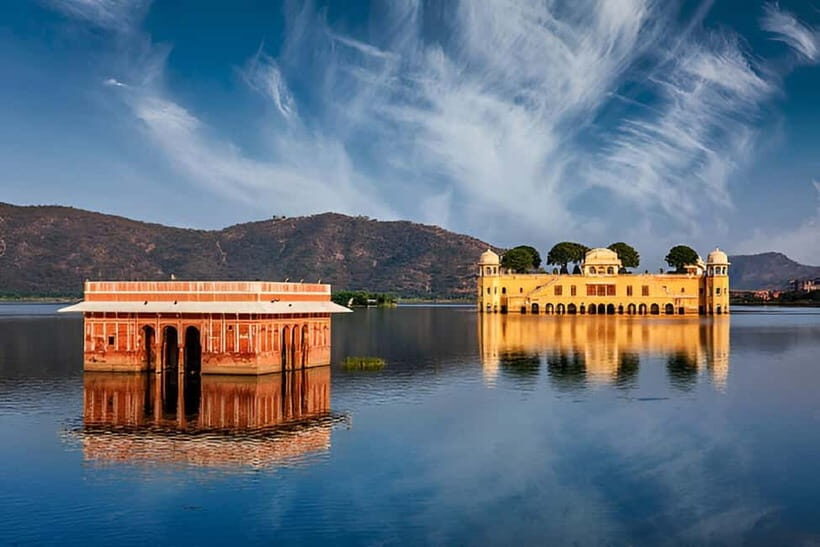
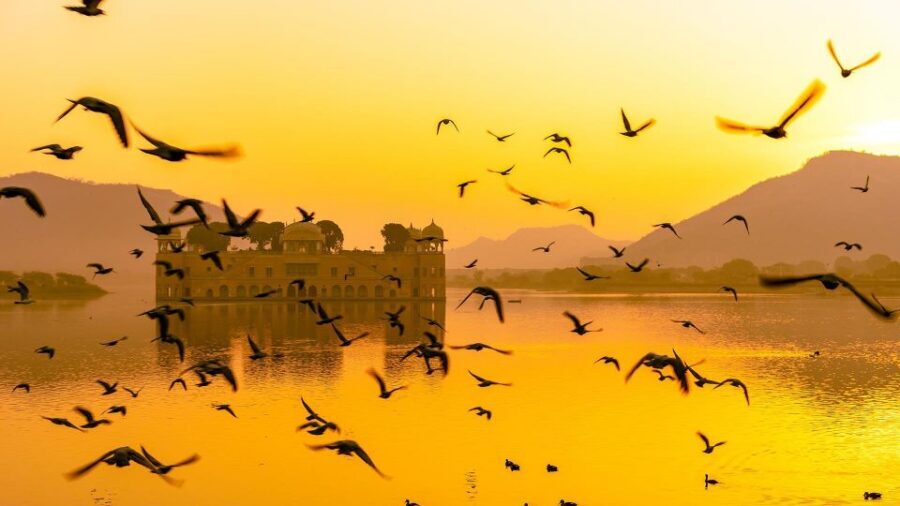
Then comes Jal Mahal. You’ll spend about 30 minutes there for photos and sightseeing, and it’s one of Jaipur’s most dreamy views. Jal Mahal is a palace set in the waters of Man Sagar Lake, built in the 18th century as a pleasure palace for the royal family. The design blends Rajput and Mughal elements, and from the right angles, it looks like the building is floating.
Practical tip: weather and lighting can change how much you enjoy this stop. If the light is harsh, focus on getting a clean facade photo and then shift to architectural details rather than chasing the perfect reflection shot.
Shopping and Lunch Time: A Useful Window to Get Your Bearings
Not every part of Jaipur is a monument. The tour builds in time for Jaipur shopping—about 1 hour in arts and crafts market areas—plus about 1 hour for lunch and free time.
This is valuable because Jaipur shopping can’t be done well if you’re rushed or surrounded by “do this, buy that” pressure. Having a guided day structure means you can step out, browse at a comfortable pace, and return to the planned route without losing the day.
For lunch, the tour doesn’t include meals, so you’ll choose what fits your budget and comfort level. The driver’s local advice can help here too, since several guides are praised for suggesting practical, non-stressful options.
If you’re the type who wants gifts you can actually use—textiles, small crafts, and everyday souvenirs—this is a good slot.
A few more Jaipur tours and experiences worth a look




Gaitor Ki Chhatriyan: A Longer Monument Stop for Slower Looking
Next up is Gaitor Ki Chhatriyan, with about 1 hour for photo stops and sightseeing.
This kind of stop matters because it changes the pace. After forts, palaces, and the lake, you get a more leisurely monument-style visit where you can look around, find viewpoints, and take photos without the same level of ticket-line stress as bigger indoor sites.
Expect moderate walking, and keep an eye on sun and shade. This is also a spot where your driver’s timing decisions can help—if you feel too hot or too crowded, it’s easier to adjust your pace when you’re not on a rigid group schedule.
City Palace: Power, Art, and the Architectural Mix That Feels Like Jaipur
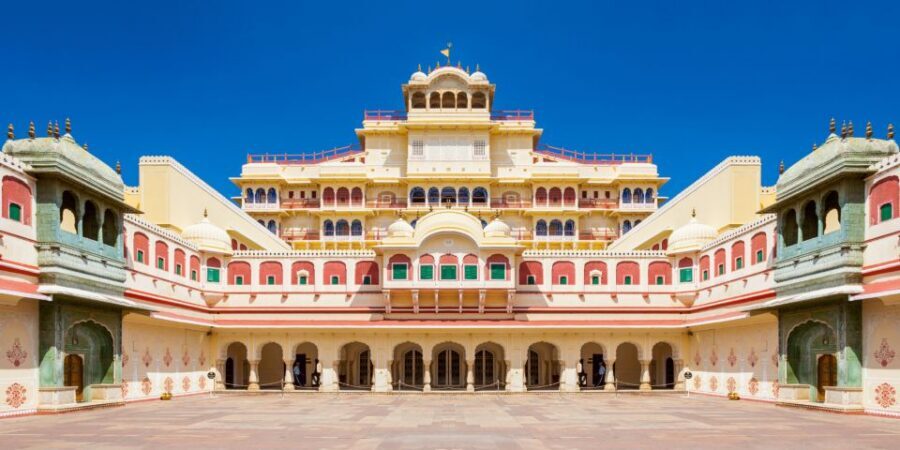
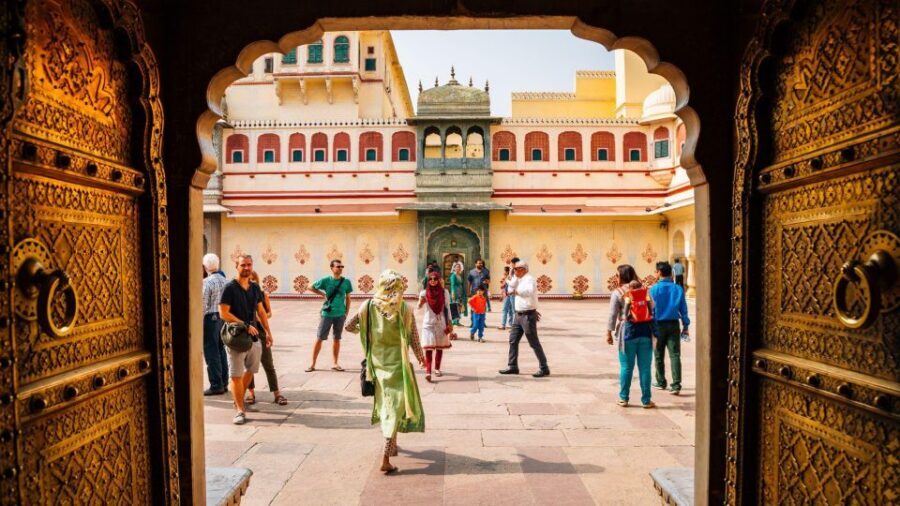
City Palace is where Jaipur stops feeling like a set of attractions and starts feeling like a lived-in identity. You’ll spend about 1 hour for photo stop and sightseeing.
What makes City Palace special is the mix of influences in the architecture: Rajput, Mughal, and European elements show up in the complex. You don’t just look from the outside either. The tour includes time to step inside and see a collection of art, artifacts, and royal memorabilia.
This stop works especially well if you like context. Amber Fort gives you grandeur on a fort hill. City Palace gives you the administrative and cultural heart—what the rulers owned, collected, and built as the city grew around them.
Tip for your visit: when you enter, pick one main area to focus on for deeper viewing. Otherwise City Palace can feel like a lot of rooms and objects at once, and you’ll rush what could have been your best “payoff” moment.
Jantar Mantar: Giant Instruments That Explain Time and the Sky
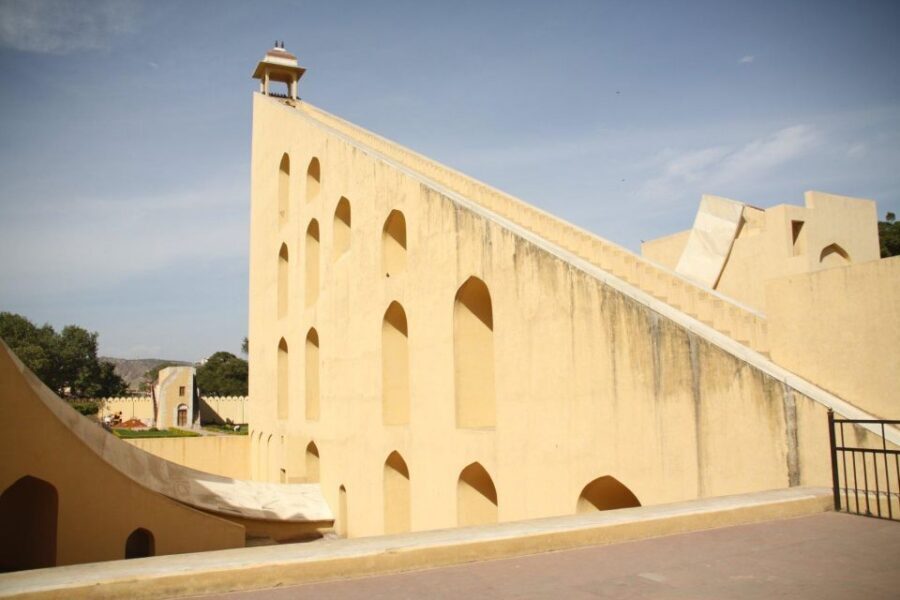
Then it’s Jantar Mantar, Jaipur’s famous astronomical observatory. You’ll get about 1 hour for photo stops and sightseeing at this UNESCO World Heritage Site.
This place is cool because it’s science as architecture. The observatory features a series of giant instruments designed to measure time, track celestial movements, and even help with eclipse prediction. If you’ve ever wondered how pre-modern astronomers did serious work without computers, this is one of the most visual answers you’ll find in India.
What I like about scheduling it in a tour day is that your guide can connect what you’re seeing to what it’s for. With the right explanation, the shapes and angles stop looking like random metal sculptures and start looking like measurement tools.
Practical tip: the instruments are outside and you’ll likely walk around at your own pace. Sun protection helps, and comfortable shoes matter here more than you might expect.
Albert Hall Museum: Indo-Saracenic Art and Artifacts Worth the Detour
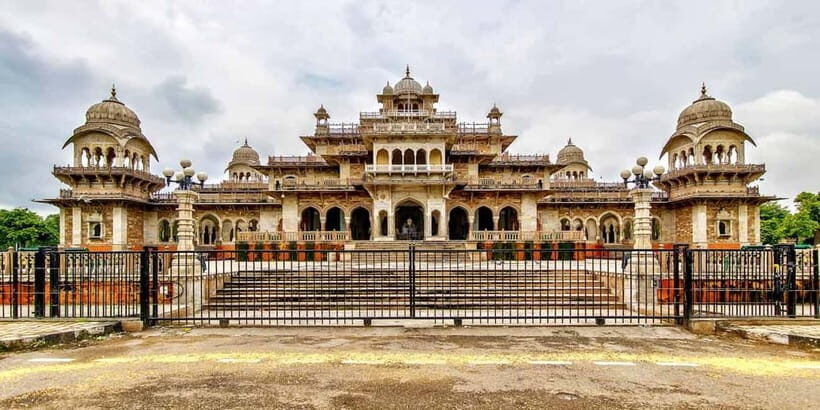
This tour also includes Albert Hall Museum, described as the oldest museum of Rajasthan. You get a chance to appreciate an Indo-Saracenic masterpiece designed by British architect Sir Samuel Swinton Jacob.
What makes this museum stop meaningful is the variety. You’ll find exhibits such as paintings, sculptures, ceramics, and weaponry. That mix is helpful because it shows how Jaipur’s cultural story isn’t only royal architecture—it includes art, objects, and material culture.
If you’ve spent the day inside forts and palaces, the museum offers a different kind of understanding. It’s less about views and more about what people made, collected, and valued.
Tips That Make the Day Smoother in Real Life
Here’s what to do so you get the best version of this tour.
- Wear smart casual clothes. Short shorts or sleeveless tops aren’t recommended in temples.
- Bring a passport or ID card.
- Use comfortable shoes. The day includes moderate walking and some uneven surfaces around monuments.
- Expect camera-ready exterior stops to be quick. The driver usually positions you for good angles, then moves you on.
Also, pay attention to driver safety guidance. In recent experiences, guides are praised for warning about scams near major attractions and advising how to avoid being pushed into overpriced add-ons inside sites. That kind of street-smart help is one of the biggest reasons the value feels real.
Price and What You’re Actually Paying For
At about $9 per person for an 8-hour private sightseeing tour, the value is hard to ignore—especially because pickup and drop-off are included (hotel, airport, railway station, or another pickup location of your choice).
The tour also includes a driver, bottled water, fuel, parking charges, toll and interstate taxes, plus government taxes. That’s the part many budget tours forget, and it’s the reason you feel less stressed about logistics.
What’s not included: meals, entrance fees to monuments, and camera fees (if charged). Alcoholic drinks are available for purchase.
So the best way to think about the price is this: you’re paying for time efficiency, local guidance, and the transport layer that makes Jaipur day-tripping easier. Your main variable cost is entrances.
Who This Private Jaipur Tuk Tuk Tour Fits Best
This is a strong choice if you:
- Want to see major Jaipur landmarks in one day without fighting with transport and parking
- Prefer a private pace where your driver can adjust to your interests
- Like architecture and cultural context, and want practical explanations from guides such as Imran, Mohsin, Ali, and Sonu
- Appreciate safe driving through intense city traffic
It’s less ideal if you:
- Need wheelchair access (not suitable for wheelchair users)
- Are pregnant (not suitable for pregnant women)
- Don’t feel good with moderate walking and temple-friendly clothing rules
Should You Book This Tuk Tuk Day in Jaipur?
Book it if you’re trying to maximize one full day and you want a plan that feels structured but not rigid. The big strengths—private convenience, skip-the-ticket-line approach, and drivers who handle traffic calmly while explaining what you’re seeing—add up to a smoother Jaipur experience than doing it solo.
Skip it (or consider a lighter plan) if you know you can’t handle long stretches on your feet or you’re looking for a fully meal-included package. Since monument entrances and lunches are extra, budget for that up front.
If you’re comfortable walking and you want the biggest hits—Amber Fort, Hawa Mahal, Jal Mahal, Jantar Mantar, plus museum time—this tour is an efficient, good-value way to see Jaipur without losing the day to logistics.
FAQ
How long is the Jaipur tuk tuk sightseeing tour?
The duration is 8 hours.
What is the price per person?
It’s listed at $9 per person.
Is hotel pickup and drop-off included?
Yes. Pickup and drop-off are included from your hotel, airport, railway station, or any location of your choice.
Are entrance fees to monuments included?
No. Entrance fees to monuments are not included, and camera fees are also not included.
Does the tour skip the ticket line?
Yes. It includes skipping the ticket line.
Is the tour suitable for wheelchair users or pregnant women?
No. It is not suitable for wheelchair users or pregnant women.