REVIEW · JAIPUR
Jaipur: Ajmer & Pushkar Day Trip with Lunch & Camel ride
Book on GetYourGuide →Operated by NamasteJaipurTours · Bookable on GetYourGuide
Two sacred towns in one easy day. If you want Rajasthan spirituality without the stress of planning, this Jaipur day trip strings together Ajmer’s Sufi shrine and Pushkar’s lake ghats with straightforward timing and comfy transport. It’s a long day, but it’s also a high-value sampler of what people come to this region for.
I really like the way the day’s built around spiritual stops that each feel different: the Ajmer Sharif Dargah is all about Sufi devotion and Mughal-style architecture, while Adhai Din Ka Jhonpra gives you Indo-Islamic craftsmanship in a very unusual setting. I also like that you get real time in Pushkar—not just a drive-by—so you can slow down at the lake and then browse the bazaar.
One thing to watch: the experience can feel more meaningful with the right guidance, and the day can run long if you’re not thrilled by religious sites. Also, crowds are normal at these hot spots, so it helps to show up patient and wear comfortable shoes.
In This Review
- Key points to know before you go
- Getting from Jaipur: the drive that sets the tone
- Ajmer Sharif Dargah + Adhai Din Ka Jhonpra: what to actually look for
- Brahma Temple in Pushkar: a rare dedication you’ll remember
- Pushkar Lake and the 52 ghats: where the pace slows down
- Lunch in Pushkar: where your vegetarian options actually fit
- Pushkar Bazaar shopping in 30 minutes: spend your time smart
- Camel ride: confirm it’s truly built into your day
- Price and value: is $30 per person a good deal
- The driver experience: what makes the ride feel easy
- Practical tips so you don’t rush the day
- Should you book this Jaipur to Ajmer and Pushkar day trip?
- FAQ
- What time does the day trip start from Jaipur?
- How long is the drive from Jaipur to Ajmer, and when do we arrive?
- How long is the drive from Ajmer to Pushkar?
- Are meals included?
- What sights are included in the tour?
- Do I get pickup and drop from my hotel?
- What should I bring and wear?
- Is Pushkar vegetarian?
- Is smoking allowed during the tour?
- Is the trip wheelchair accessible?
- Can I cancel if my plans change?
Key points to know before you go
- Ajmer Sharif Dargah is the main spiritual anchor, with an hour that lets you actually take in the mood and architecture
- Adhai Din Ka Jhonpra is a quick stop, but it’s worth it for the carved pillars and domes in a historic mosque built in two and a half days
- Pushkar is vegetarian, so lunch options are easy to find once you’re there
- Pushkar Lake and its 52 ghats give you a calm, ritual-focused reset after Ajmer’s energy
- Pushkar Bazaar is where you can use your shopping time efficiently—cash helps
- Camel ride time depends on your booking details, so confirm when it happens so it doesn’t squeeze your sightseeing
Getting from Jaipur: the drive that sets the tone
This is a classic “long but manageable” day. You start at 8:00 AM in a private air-conditioned vehicle, then it’s about a 2-hour drive to Ajmer, with scenic Aravalli views along the way. That early departure matters because it helps you get to the first sights before the day really stacks up with heat and crowds.
Once you reach Ajmer around 10:00 AM, the tour moves from travel-mode to walking-mode quickly. You’re not just stuck in a car all day, which is the biggest practical win here. You also get pickup and drop, plus fuel, tolls, and parking handled, so you don’t have to negotiate transport once you’re out in Rajasthan.
One small reality check: Pushkar is about 30 minutes from Ajmer, and later you’re back on the road again by about 4:30 PM. That means you’ll likely be tired at the end, especially if you’re sensitive to long sittings. Bring water and use sunscreen—you’ll appreciate it when you’re out at open-air locations like Pushkar Lake.
A few more Jaipur tours and experiences worth a look


Ajmer Sharif Dargah + Adhai Din Ka Jhonpra: what to actually look for
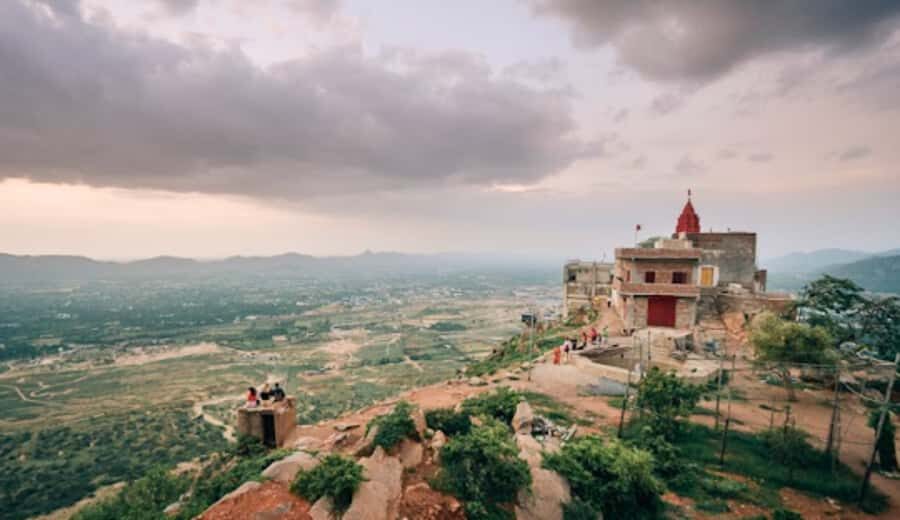
Ajmer Sharif Dargah is the kind of place where the details matter more than the checklist. You’ll spend about an hour here, and that time is your chance to notice how the shrine works as a living spiritual space—people come to pay respects, reflect, and soak up the atmosphere. Expect Mughal-era architectural vibes and a devotional energy that doesn’t feel like staged tourism.
When you visit, focus on a few things:
- how the shrine atmosphere feels (quiet moments inside, movement around entrances)
- the flow of people and where you can stand without blocking others
- the architecture—especially the visual rhythm of domes and arches
Right nearby is Adhai Din Ka Jhonpra, a historic mosque often described as one of India’s oldest Islamic structures. The tour gives you around 30 minutes, which is tight but workable if you go in with a plan. Look for:
- carved pillars
- the domes and the way the building’s elements repeat
- any remnants that show the mix of design influences
This stop is short on purpose. It’s the type of site where you can either spend hours chasing every carved detail—or you can take the “best of in half an hour” approach and still come away satisfied. I’d recommend the latter unless you’re a serious architecture fan.
Brahma Temple in Pushkar: a rare dedication you’ll remember
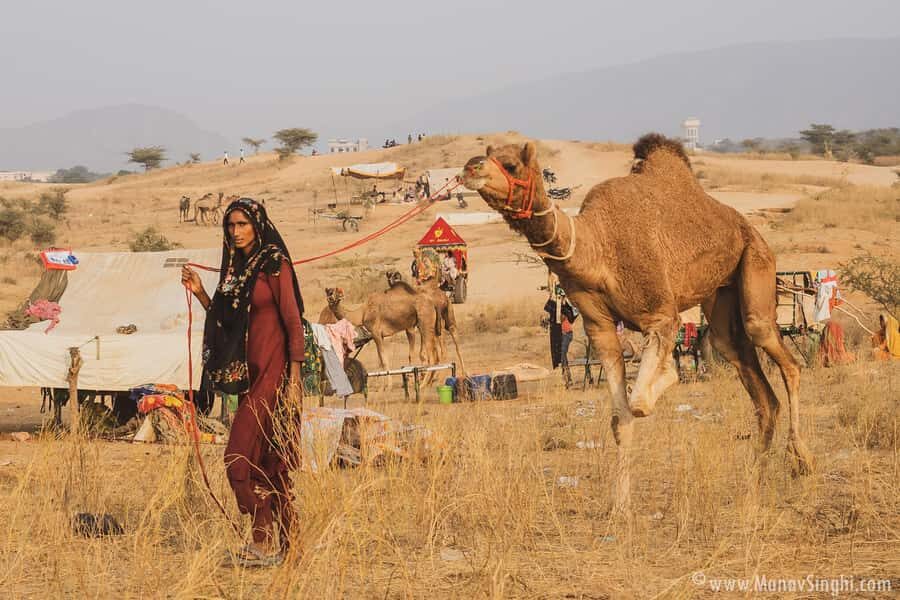
After Ajmer, it’s a quick half-hour drive to Pushkar, where you arrive around 1:00 PM. That timing works because you reach Pushkar at lunchtime, and then the tour follows with a visit to the Brahma Temple.
This temple is special for one simple reason: it’s one of the few temples dedicated to Lord Brahma. Most Hindu travelers know Pushkar for its lake, so seeing Brahma represented here adds a second layer to the place. You’ll have about 30 minutes, which is enough time to view the main area respectfully and take in the setting without feeling rushed.
Dress matters at religious sites. You’ll want modest clothing, and you may also appreciate a hat (especially if you’re waiting in lines or walking outside. ) If you’re sensitive to heat, consider stepping inside for shade breaks whenever possible.
Pushkar Lake and the 52 ghats: where the pace slows down
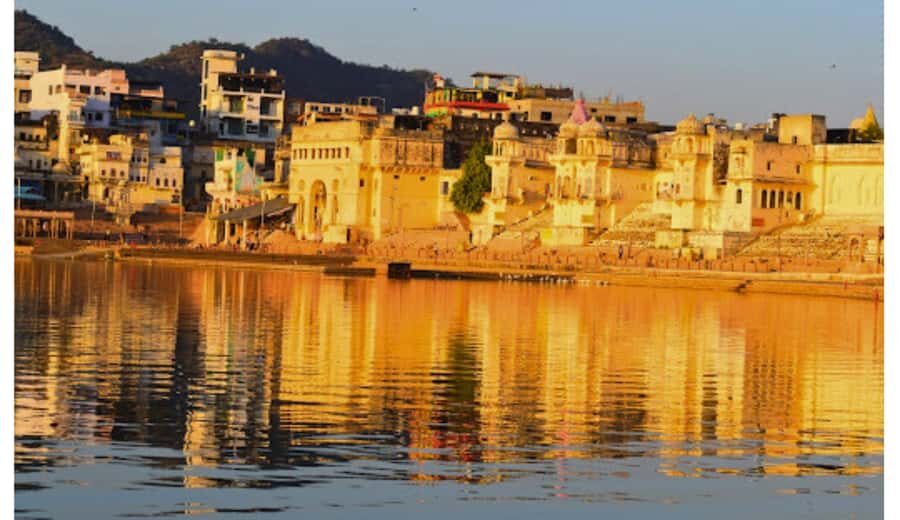
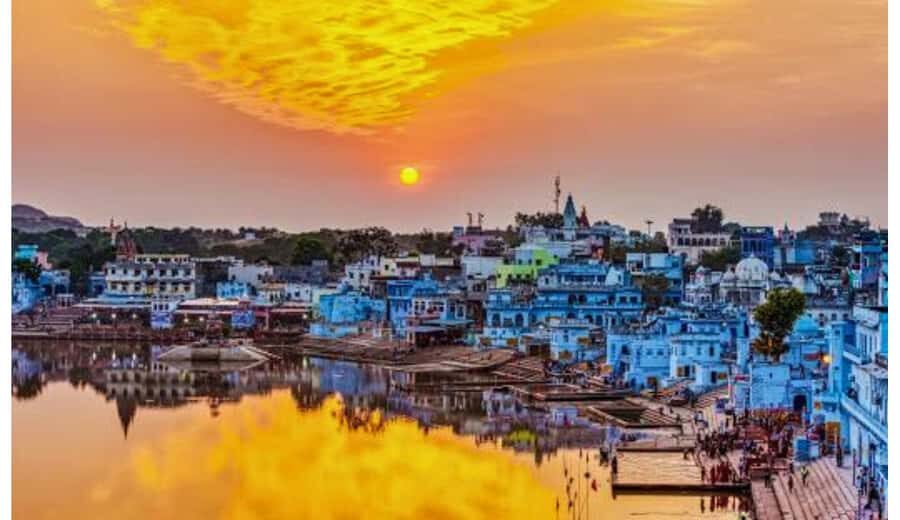
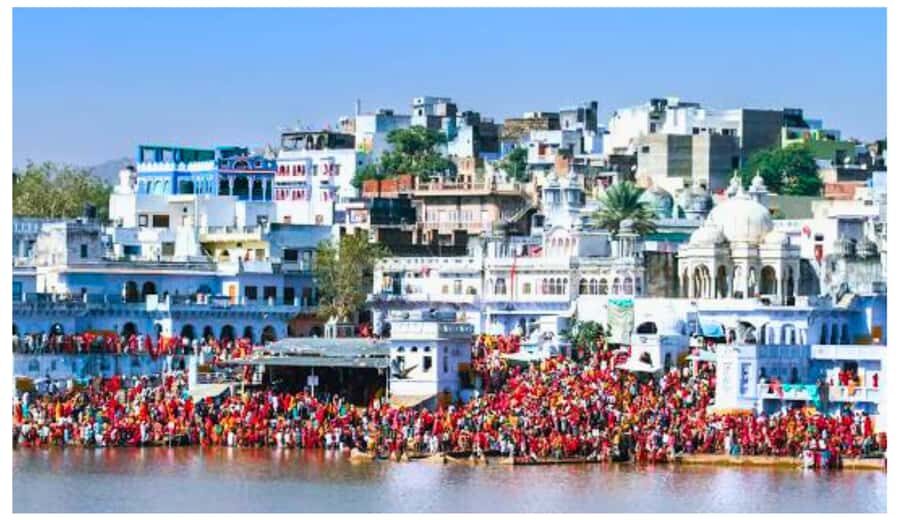
The heart of Pushkar is Pushkar Lake, and the tour gives you about 45 minutes to spend with it. The lake is considered sacred, and it’s lined with 52 ghats, where pilgrims perform rituals.
This is the portion of the day where you can switch from “seeing sites” to simply experiencing a place. You don’t need a perfect angle for photos; the atmosphere does the work. Instead, focus on:
- the calm rhythm around the lake
- the movement of pilgrims at the ghats
- the quiet contrast after you’ve been in Ajmer’s bustling shrine areas
One practical tip: plan your walk so you’re not crossing the same space repeatedly. There’s a lot going on visually and socially, and you’ll get more out of your time if you keep your route simple.
You’ll also enjoy the setting because Pushkar isn’t trying to be a theme park. It’s a working religious town, and the lake reflects that.
Lunch in Pushkar: where your vegetarian options actually fit
Lunch is at your own cost, with a lunch break in Pushkar after you arrive around 1:00 PM. The good news: Pushkar is a vegetarian town, so you won’t have to hunt for non-meat options or translate orders for complicated meals.
What you should expect is local Rajasthani vegetarian cuisine available at neighborhood eateries. I’d treat lunch like a reset button:
- eat something filling enough to last through the afternoon walk
- keep it light if you’re prone to heat fatigue
- drink water and avoid over-spicy food if your stomach doesn’t love it
Because meals aren’t included, you’ll want cash. The tour recommends carrying cash for shopping, and that same habit helps at lunch spots too.
If you’re tired of spicy food, you can still enjoy the local flavors—ask for mild options and stick to simple staples. You’ll still get the sense of place without regretting your meal halfway through the lake visit.
A few more Jaipur tours and experiences worth a look



Pushkar Bazaar shopping in 30 minutes: spend your time smart
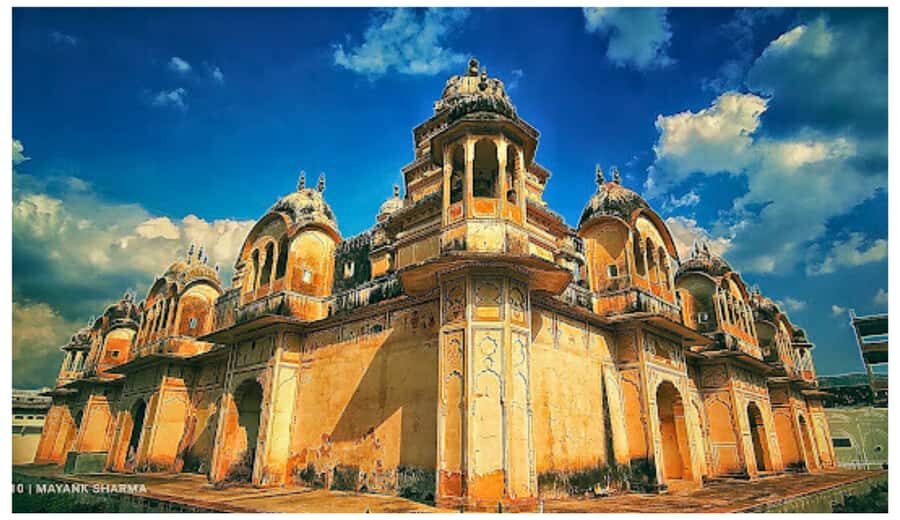
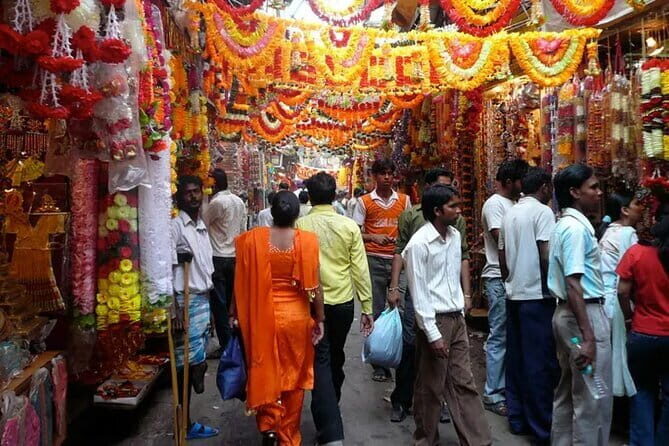
After the lake, you get about 30 minutes to explore Pushkar Bazaar, known for handicrafts, jewelry, and souvenirs. Thirty minutes sounds short—because it is. So don’t plan to “browse everything.” Plan to shop in categories.
Here’s how I’d use the time:
- Decide what you want before you arrive: jewelry, small crafts, or souvenirs
- Walk a couple of aisles first to see price ranges, then commit
- Carry cash and keep a little bargaining room in mind (the tour specifically suggests cash, which usually makes the process smoother)
Also, expect it to feel lively. Bazaar shopping is best when you treat it like a quick hunt rather than a slow museum stroll. If you buy gifts, buy the most meaningful item first; then use the remaining minutes for smaller extras.
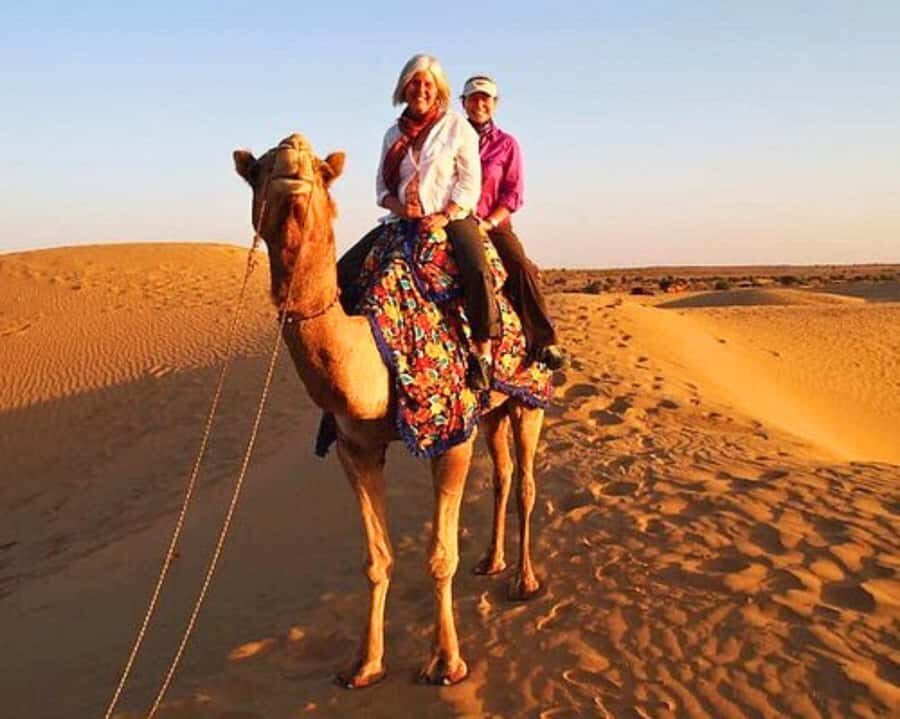
Camel ride: confirm it’s truly built into your day
Your tour title includes a camel ride, but the clearly stated sightseeing time focuses on Ajmer’s sites, Pushkar’s temple, Pushkar Lake/ghats, and the bazaar. That doesn’t mean camel riding won’t happen—but it does mean you should confirm the timing when you book.
Here’s what you’ll want to clarify:
- when the camel ride occurs (before or after Pushkar Lake, for example)
- how long it lasts
- how it affects your time at the bazaar and lunch
If camel riding is a priority for you, treat it like an appointment. You’ll enjoy the day more when it doesn’t feel like an afterthought squeezed in between spiritual stops.
Price and value: is $30 per person a good deal
At $30 per person, the value is mostly about what’s included versus what you’d pay on your own.
This price covers:
- pickup and drop in a private AC vehicle
- fuel, tolls, and parking
- visits to Ajmer Sharif Dargah, Adhai Din Ka Jhonpra, the Brahma Temple, and Pushkar Lake and ghats
Meals are not included (lunch is at your own cost), so your total day cost will rise depending on what you eat and what you buy.
So is it worth it? For most people, yes—if you actually use the transportation savings. A day trip with a private vehicle plus multiple sites would quickly cost more if you had to arrange everything separately. The value improves further if you get a smooth driver and clear plan for each stop.
That said, the day depends on the human touch. One experience flagged that the driver wasn’t fully informed about which tour had been booked, which turned the day into a bit of guesswork. You can reduce the risk by making sure your reservation details are clear and that the driver has the right information before you leave Jaipur.
The driver experience: what makes the ride feel easy
A day like this lives or dies on comfort. The tour’s setup includes a friendly driver in many cases, and that matters because you’ll spend a lot of time in the vehicle between stops.
In the best outcomes, the driver makes the long ride feel relaxed and understandable. I’ve seen praise for drivers named shah rukh (described as making the journey comfortable) and Manoj (highlighted as making the whole experience enjoyable). Even if you don’t get the exact same person, the lesson is practical: you’ll enjoy this day more when the driver communicates clearly and you feel confident about timing.
If you’re the kind of traveler who needs context, consider requesting or seeking added guidance at key stops. With the right explanations, these sites go from “seeing buildings” to understanding why they matter.
Practical tips so you don’t rush the day
If you want this day trip to feel enjoyable rather than tiring, here are the practical moves that line up with how the day is set up:
- Wear comfortable shoes. You’ll be walking at shrines and around the lake.
- Bring a hat plus sunscreen for open-air time at Pushkar Lake and bazaar areas.
- Carry water. The schedule is packed, and outdoor sun adds up fast.
- Dress modestly at religious sites, and plan for crowds at popular attractions.
- Bring camera gear if you like photos, but be mindful of respectful behavior in devotional areas.
- Use cash for shopping, especially in the bazaar.
Also note one basic rule: no smoking. It’s good to remember anywhere you visit sacred spaces.
Should you book this Jaipur to Ajmer and Pushkar day trip?
Book it if you want a structured, no-planning-needed day that hits major spiritual landmarks: Ajmer Sharif Dargah, Adhai Din Ka Jhonpra, the Brahma Temple, and Pushkar Lake—plus a chance to browse the Pushkar Bazaar.
Skip it (or upgrade your expectations) if you’re only interested in a couple of stops or you dislike religious sites. Also, if you truly care about the camel ride, confirm how it fits into the day so it doesn’t disrupt your priorities.
One more quick fit check: this tour isn’t suitable for wheelchair users, so plan accordingly.
If you’re flexible, comfortable on foot, and you like experiencing places with spiritual gravity (even if you’re not there for every ritual), this is a strong value day trip.
FAQ
What time does the day trip start from Jaipur?
Pickup begins at 8:00 AM, with a drive to Ajmer in the morning.
How long is the drive from Jaipur to Ajmer, and when do we arrive?
It’s about a 2-hour drive from Jaipur to Ajmer, arriving around 10:00 AM.
How long is the drive from Ajmer to Pushkar?
Pushkar is about a 30-minute drive from Ajmer.
Are meals included?
Meals and drinks are not included. There is a lunch break in Pushkar where lunch is at your own cost.
What sights are included in the tour?
You’ll visit Ajmer Sharif Dargah, Adhai Din Ka Jhonpra, the Brahma Temple, and Pushkar Lake and its ghats.
Do I get pickup and drop from my hotel?
Yes. Pickup & drop are included in a private air-conditioned vehicle.
What should I bring and wear?
Bring comfortable shoes, a hat, camera, sunscreen, and water. Dress modestly at religious sites.
Is Pushkar vegetarian?
Yes. Pushkar is described as a vegetarian town.
Is smoking allowed during the tour?
No. Smoking is not allowed.
Is the trip wheelchair accessible?
No, it is not suitable for wheelchair users.
Can I cancel if my plans change?
You can cancel up to 24 hours in advance for a full refund.