REVIEW · AGRA
India: Premier High Value Taj Mahal Tickets with Transfers
Book on GetYourGuide →Operated by Mughal Carpet Company · Bookable on GetYourGuide
Skip lines at the Taj Mahal.
This skip-the-line ticket plus transportation keeps your day in motion and out of that long, slow queue. I like that you get to explore the UNESCO World Heritage site at a calmer pace instead of rushing between photo spots.
I also appreciate the on-site help from named guides like Ahmed and Rehman, who explain what you’re seeing clearly and even help you with photos. The included extras matter too: drinking water and a shoe cover mean fewer last-minute hassles.
One thing to plan around: the Taj Mahal is closed on Fridays for general viewing. Also, photography is allowed, but not inside the mausoleums, so have that in mind when you line up your shots.
In This Review
- Key Things That Make This Taj Mahal Ticket Worth It
- Why Skip-the-Line Entry Changes Your Taj Mahal Day
- Getting There With Transfers, Without the Headache
- Meeting Your Guide: Ahmed and Rehman, and How They Help You See
- Taj Mahal Basics You’ll Want Before You Walk In
- Inside the Complex: Marble, Gardens, and Yamuna River Views
- Photography Rules: What You Can Shoot and Where to Expect Limits
- The Mughal Carpet Company Stop and Why It Can Fit the Day
- Price and Value: What $2.83 Per Person Actually Buys
- When to Go: Beat Crowds and Plan Around Friday Closure
- How Much Independence You Get (and When You’ll Still Want the Guide)
- Who This Taj Mahal Ticket Suits Best
- Should You Book This Skip-the-Line Taj Mahal Experience?
- FAQ
- Is the Taj Mahal closed on certain days?
- Does this experience include skip-the-line Taj Mahal entry?
- Where is the Taj Mahal located?
- What’s included in the ticket package?
- Is there a guide during the visit?
- What languages are available?
- Can I take photos inside the mausoleums?
- Why is early morning recommended?
- Is there a carpet-related stop?
- What’s the cancellation and payment flexibility?
Key Things That Make This Taj Mahal Ticket Worth It
- Skip-the-line entry that can save hours during busy periods
- Guided visit with clear explanations from Ahmed and Rehman
- Yamuna River and garden views built into the experience flow
- Small included comforts like drinking water and shoe cover
- Carpet-company stop possibility that adds context to local crafts
Why Skip-the-Line Entry Changes Your Taj Mahal Day
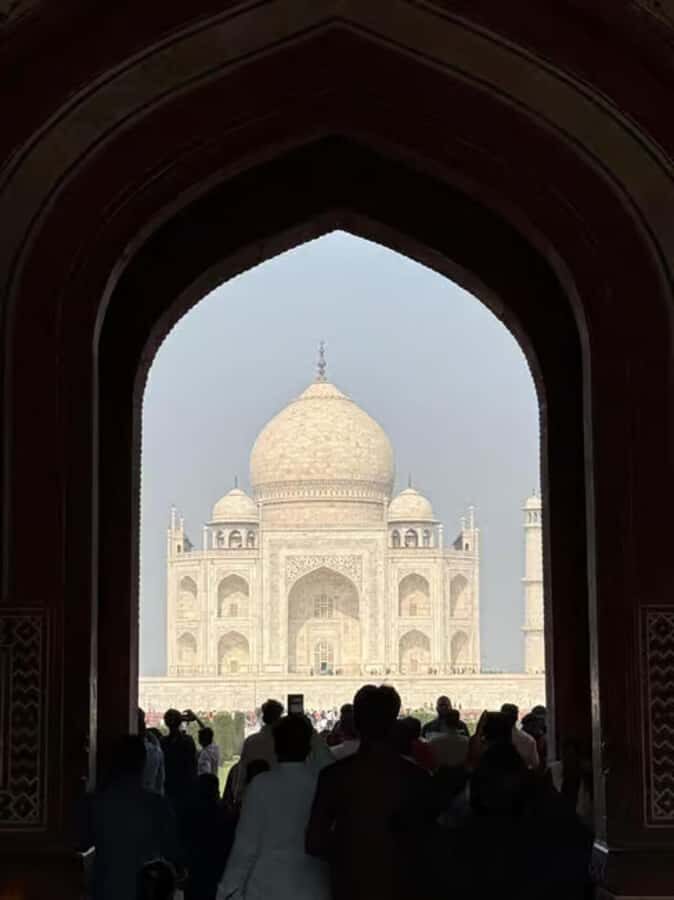
The Taj Mahal is one of the world’s biggest attention magnets, which means the logistics can get messy fast. In busy season, waits in line can reach up to 3 hours, and that’s time you can’t get back—especially in Agra heat.
A skip-the-line entry ticket isn’t just a convenience. It changes the feel of the visit. Instead of spending your best morning glued to a queue, you can start seeing the Taj earlier and spend more time studying the details—like the way the marble catches light and shifts across the day.
This matters even more because the Taj is a walking-heavy site. When you’re not rushed by entry time, you can pace yourself through the main areas and actually look up—at inscriptions, domes, and the symmetry that makes the whole complex so famous.
A few more Agra tours and experiences worth a look


Getting There With Transfers, Without the Headache

This experience includes transportation to the Taj Mahal, which is a big deal when you’re trying to avoid extra planning. You don’t have to scramble for a vehicle at the last minute or negotiate your own schedule on the day.
Practically, it means your effort can go toward two things you’ll care about inside: timing and attention. Timing because the Taj is best early, and attention because a guided visit works best when you’re not already tired from logistics.
If you’re trying to fit the Taj into a tight itinerary, transfers help you do that. And if you’re traveling with limited patience for paperwork and ticket counters, skip-the-line plus transfers is the simpler route.
Meeting Your Guide: Ahmed and Rehman, and How They Help You See

A guide can either make a Taj visit feel like a stamp-collecting exercise or turn it into real understanding. Here, you get the second version.
I like the way the guide support comes through in named examples like Ahmed, described as very informative and knowledgeable, and Rehman, who’s friendly, explains well, and even helps people take good photos. That last part is useful because the Taj isn’t just about standing in front of something iconic—you’re trying to frame domes, arches, and the approach corridors without turning your photos into blurry souvenirs.
Expect the guide to point you toward what to notice as you move through the grounds. The story beats are tied to the monument itself: Mughal power, royal building, and the personal motivation behind it.
Taj Mahal Basics You’ll Want Before You Walk In
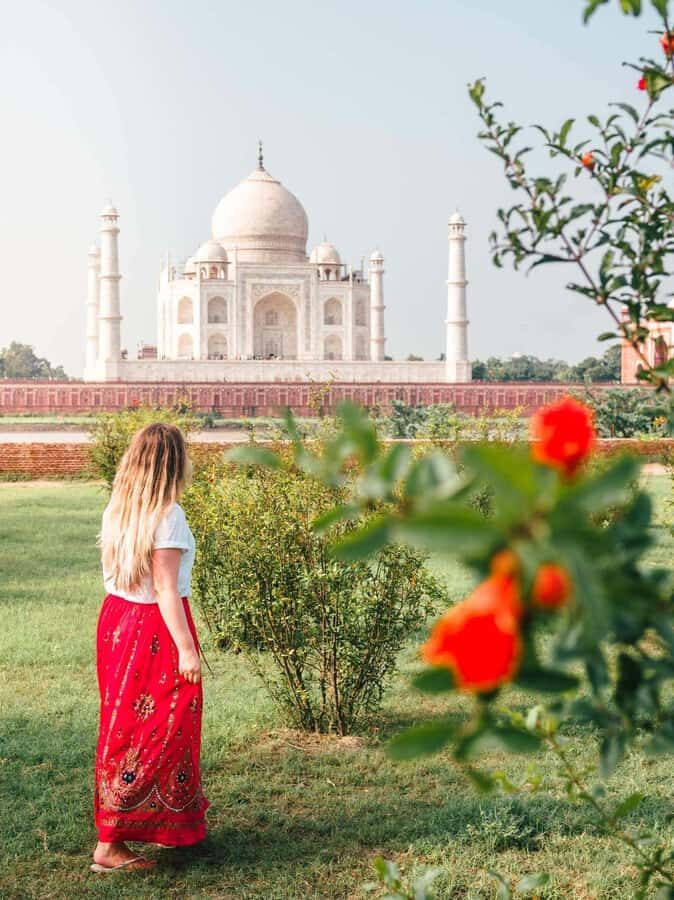
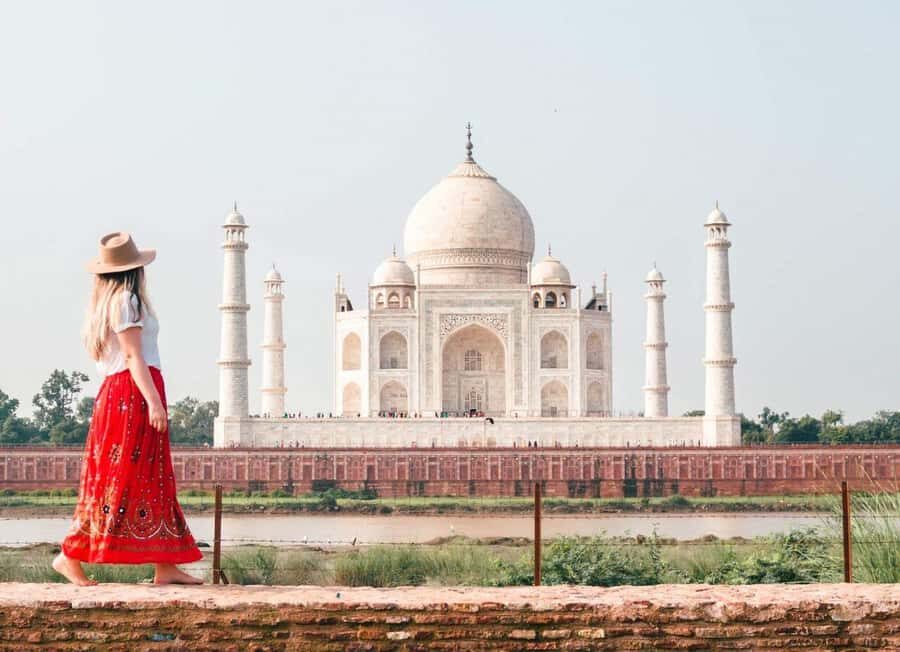
The Taj Mahal sits on the south bank of the Yamuna River in Agra. It’s an ivory-white mausoleum and one of the most important examples of Mughal architecture.
Construction began under Emperor Shah Jahan in 1632, and the Taj was built to house the tomb of his favorite wife, Mumtaz Mahal. When you know that, the experience shifts from scenic to meaningful. You start noticing the design choices as part of a larger statement—about love, power, and legacy all at once.
As you explore, you’ll also catch why the Taj keeps pulling people back. It’s not just the main building. It’s the way the gardens, walkways, and river-adjacent setting shape how the marble looks in different light.
Inside the Complex: Marble, Gardens, and Yamuna River Views

Once you enter, you’ll be free to explore at your own pace. That’s important because the Taj rewards slow looking. The marble façade isn’t static; it changes depending on daylight, cloud cover, and how close you stand.
Plan to spend time where you can take in both the monument and the setting. One of the highlights here is the chance to enjoy Yamuna River and surrounding garden views. Those views help you understand the layout, not just the centerpiece.
Also pay attention to how the grounds guide your movement. The Taj doesn’t work like a single stop with a photo and out. It’s a sequence: approach, perspective changes, then the core areas where the architecture and detailing become the whole point.
And don’t forget the small included items. A shoe cover helps with entry rules and keeps you comfortable while walking. Drinking water is there because Agra mornings and midday heat can sneak up on you.




Photography Rules: What You Can Shoot and Where to Expect Limits

Photography is permitted, but not inside the mausoleums. That restriction shapes how you plan your photo stops.
So here’s the simple strategy: treat the exterior and courtyards as your photography foundation, and don’t expect to shoot freely at every indoor spot. If you want photos that look polished, start by framing the building and the approach angles early. Then, when you reach the interior areas with restrictions, focus on absorbing what you’re seeing instead of trying to force a shot that isn’t allowed.
The guide’s photo help (including Rehman’s reported ability to take good photos) can be especially useful here. They can help you find angles that work with the crowds and the rules.
The Mughal Carpet Company Stop and Why It Can Fit the Day

The provider is Mughal Carpet Company, and one experience included a city tour element with a carpet factory stop. If that’s part of your day, it’s a smart add-on—because it connects the Taj to a wider Mughal-era craft tradition.
Carpet making is labor-intensive, and it’s also detail-heavy. That detail mindset matches what you’re doing at the Taj: looking closely, noticing patterns, and understanding time and skill behind beautiful surfaces.
If you’re the type who likes your sightseeing to have context, this detour can make the day feel more complete. If you don’t like factory-style stops, you might still enjoy it for the craftsmanship angle rather than treating it like a shopping pitch.
Either way, it’s the kind of side moment that can turn a single monument visit into a broader understanding of what these cultures value.
Price and Value: What $2.83 Per Person Actually Buys
At about $2.83 per person, this is priced in a way that feels almost too good to be true. The key is what’s included: skip-the-line entry, transportation, a guide, drinking water, and shoe cover.
That package is the value. You’re paying not only for the ticket, but for the time and friction you avoid—especially the long wait that can hit up to 3 hours during peak periods. When you factor in the guide attention and the included comforts, it becomes a low-stress way to visit one of the world’s most famous sites.
Just do one practical check before you commit: confirm the current total price for your date and make sure it lines up with what you want. With experiences like this, the headline number can change slightly depending on season and availability, so it’s worth verifying.
When to Go: Beat Crowds and Plan Around Friday Closure

The Taj Mahal is closed on Fridays for general viewing. That alone can make or break your plan, especially if you’re traveling on a fixed schedule.
If you can choose your day, I recommend going early in the morning. You’ll avoid crowds, get better light for photos, and feel less rushed moving through the complex. Early visits are also the best way to make the skip-the-line ticket work even harder—because you’ll be ahead of both the line and the crowd energy.
If you’re traveling in peak season, early timing becomes even more important. It’s not just comfort; it’s how you protect your attention span for detail-based sightseeing.
How Much Independence You Get (and When You’ll Still Want the Guide)
This experience gives you the best mix: entry support plus exploration freedom. You’re not trapped on a forced route where you’re always waiting for someone else’s pace.
But the guide still matters because the Taj is easier to appreciate when someone explains what you’re looking at. With Ahmed and Rehman, the goal is clear: make the monument’s meaning land, not just the visuals.
You’ll likely get the strongest results if you treat the guide as your “set-up crew.” Listen for key points, then walk your own path afterward with those ideas in mind. It’s the difference between seeing the Taj and understanding why it was built the way it was.
Who This Taj Mahal Ticket Suits Best
This is a strong fit if you want:
- Time savings and fewer hassles, especially during busy season
- A guided explanation that includes real people like Ahmed and Rehman
- A visit where you can still move at your own speed
- An affordable day that doesn’t force you into complicated planning
It’s also a good option if you’re worried about getting stuck in long lines while traveling. The skip-the-line piece is the headline benefit for a reason.
If you’re the kind of traveler who hates organized stops or doesn’t like any craft-industry detours, you’ll want to check what your day includes beyond the Taj entry. The carpet-related component appears in at least one version of the experience, so clarify what’s on your schedule.
Should You Book This Skip-the-Line Taj Mahal Experience?
I’d book it if you care about getting into the Taj without burning half your day waiting. The combination of skip-the-line entry, transportation, a guide, and included comfort items makes it a practical, value-forward way to see the Taj Mahal.
Also, if you want more than a photo stop, this is the kind of ticket where the guide can help you connect the monument to the Shah Jahan–Mumtaz Mahal story. That added context makes the visit feel more real.
One last nudge: plan your date around the Friday closure, and aim for an early start. Do that, and you’ll turn a famous landmark into a genuinely satisfying morning of sightseeing.
FAQ
Is the Taj Mahal closed on certain days?
Yes. The Taj Mahal is closed on Fridays for general viewing.
Does this experience include skip-the-line Taj Mahal entry?
Yes. You get a skip-the-line admission ticket to the Taj Mahal.
Where is the Taj Mahal located?
The Taj Mahal is on the south bank of the Yamuna River in Agra.
What’s included in the ticket package?
Included items are skip-the-line entry ticket, access to the Taj Mahal, transportation to the Taj Mahal, a guide, drinking water, and shoe cover.
Is there a guide during the visit?
Yes. A guide is included as part of the experience.
What languages are available?
The experience is available in English, French, Spanish, and Russian.
Can I take photos inside the mausoleums?
Photography is permitted, but not inside the mausoleums.
Why is early morning recommended?
Early in the morning is recommended for the best experience and to avoid crowds.
Is there a carpet-related stop?
The experience provider is Mughal Carpet Company, and at least one version of the experience included a carpet factory stop.
What’s the cancellation and payment flexibility?
You can reserve & pay later (book your spot and pay nothing today), and you can cancel up to 24 hours in advance for a full refund.