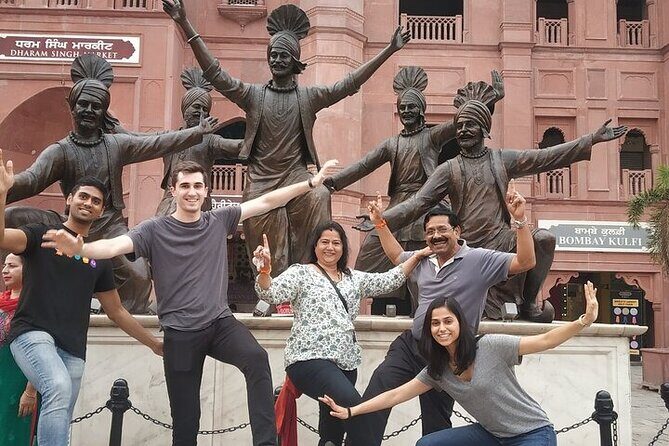
Agra shopping gets smart with a guide. This private Agra handicrafts tour is built for buying, not wandering, with a guide who steers you through craft stalls and shops and shows you what to target. I especially like the way the guide supports your choices and bargaining; one guide named Shehla is praised for checking product quality and negotiating prices for you. The other big win is comfort and personalization, including for solo travelers who want help feeling at ease while shopping.
One thing to consider: this is a shopping-and-shops style outing, not a free-for-all street-market crawl. If you’re hoping for hours of chaotic wandering, you may find the route more structured than you want, and with just about 4 hours, you’ll need to decide what matters most before you go.
In This Review
- Key Highlights I’d Put at the Top
- Entering Agra’s Craft World: What This 4-Hour Tour Really Delivers
- Sadar Bazaar for Agra Souvenirs: Two Hours to Find Your Best Buys
- Agra District Artisan Stop and Live Demonstrations: Where Skills Still Show Up
- Quality Checks and Bargaining Tips You Can Use Right Away
- What to Buy in Agra: Marble, Rugs, Jewelry, Leather, and Spices
- Price and Value at About $11.20 per Person
- Comfort, Pace, and Who Should Skip This
- Final Call: Should You Book This Agra Shopping Tour?
- FAQ
- How long is the Agra shopping tour?
- Is hotel pickup and drop-off included?
- Does the tour include air-conditioned transport and bottled water?
- What are the main stops during the tour?
- Is food included in the price?
- What group size is this tour limited to?
Key Highlights I’d Put at the Top
- Private guide + small group (max 4): You get attention, not a rushed herd.
- Sadar Bazaar shopping time (2 hours): Built for finding real souvenirs.
- Agra District artisan stop with live demonstration (2 hours): You see craft skill up close.
- Direct artisan buying: You may be able to purchase straight from the makers.
- Bargaining support: Tips to help you negotiate without getting stuck.
- Small included souvenir: A Taj Mahal fridge magnet is part of the package.
Entering Agra’s Craft World: What This 4-Hour Tour Really Delivers
This is an Agra shopping tour focused on Mughal-era crafts and the modern artisans carrying those skills forward. Agra is known for work that looks simple from far away but takes serious hands to make, from inlaid marble to embroidery, rugs, and leather goods. Your guide’s job is to shorten the distance between seeing something you like and understanding if it’s worth the money.
You start with hotel pickup in Agra (if you choose that option) and ride in an air-conditioned vehicle with bottled water. That matters more than you might think. In hot months, or if you arrive tired, the AC and water keep the shopping session from turning into a sweaty endurance test.
The tour is also flexible. If you show up with a short list, the guide can shape the stops around what you actually want—marble pieces, embroidered textiles, jewelry, leatherware, spices, or sari shopping. That flexibility is a real value add because it reduces impulse buys and helps you spend your time on items that fit your budget and packing needs.
Finally, the pricing is set per group for up to four people, which is a sweet spot if you’re traveling with a friend or family member. Even if you’re solo, the tour is still private in the sense that you’re not blended into a large group shopping shuffle.
You can also read our reviews of more tours and experiences in Agra.


Sadar Bazaar for Agra Souvenirs: Two Hours to Find Your Best Buys
Sadar Bazaar is where the shopping energy is strongest, and this tour gives you a full 2-hour window there. You’ll spend time in a local bazaar area guided by someone who knows what types of products show up where and what to look for when prices start to float.
The most useful part here is guidance. You’re not just left to guess whether a piece is genuinely well-made or simply priced high because it’s popular. The guide can steer you toward stalls and shops that fit the craft focus of Agra—things like embroidered rugs, handcraft textiles, jewelry options, and leatherware. You can also find everyday shopping items that people bring home from Agra, including spices and other local goods.
Because you’re there with a guide, you should expect some practical help with bargaining. The format isn’t about turning you into a hard-core negotiator. It’s more like getting bartering tips so you can push back and avoid the most common overpricing traps.
A key nuance from experiences with this tour style: it tends to feel shop-forward rather than purely street-market chaotic. So if you want a more comfortable shopping setup—individual shops and quality stalls rather than only open street trading—this fits that vibe.
Quick self-check before you buy anything here:
Look closely at workmanship while you can still compare. If something feels rushed in the details—uneven stitching, sloppy finishing, or weak-looking seams—don’t force it just because you like the design. Your guide can help you judge quality, but your eye matters too.
Agra District Artisan Stop and Live Demonstrations: Where Skills Still Show Up
After Sadar Bazaar, the tour shifts to a more craft-maker feel at Agra District, with 2 hours focused on local artisans, arts and crafts, and a live demonstration. This is the stop that helps you understand what you’re buying instead of treating it like a souvenir only.
You’ll have a chance to meet craftspeople and you may be able to buy directly from them. That direct contact is valuable because it turns shopping into a conversation. You can ask what’s involved in making the item you’re interested in—how it’s produced, what makes it special, and what you should expect in terms of quality.
The live demonstration aspect matters because it slows your decision-making down just enough to make smarter buys. When you see a craft process, you can better connect effort to price. Inlaid marble, embroidery, carpets, jewelry, and leatherware all come with visible signs of labor. Even if you’re not an expert, you can usually spot the difference between careful work and production-speed shortcuts.
This stop is also free of an admission fee as structured in the package, so it’s part of the value without extra entry costs. The aim isn’t to add a museum-like experience; it’s to keep you in the world of hands-on craft.
Quality Checks and Bargaining Tips You Can Use Right Away
The standout praise for this tour style is the guide’s help with quality and pricing. A guide named Shehla is singled out for advising on product quality, negotiating on the group’s behalf, and taking people to trusted stalls and shops. That combination matters because it attacks both sides of a bad shopping experience: buying something that looks good but is low quality, and overpaying because you’re negotiating blind.
Here’s how to make that bargaining support work for you:
- Ask for comparisons. If you like an item, ask to see a better version or a different quality tier so you can learn the price-quality connection.
- Check the details before the price. Don’t lock into a bargain number until you’ve inspected the finishing and materials.
- Use your list. If you only tell the guide vague goals, bargaining can turn into luck. If you have a priority—say embroidered rugs or inlaid marble—you’ll get sharper recommendations.
- Let the guide negotiate. The whole point is to avoid the awkward back-and-forth that happens when you don’t understand typical pricing in the market.
Also, if you’re shopping with sensitive baggage concerns—fragile gifts, textiles you need to pack well—having a guide is helpful. You can ask what’s easiest to transport and what’s worth paying extra for if you want something that stays beautiful after travel.
And if you’re solo, this is also the type of tour that can feel reassuring. One solo traveler noted it was a comfortable way to shop without feeling exposed. That’s not just a nice-to-have. In markets where bargaining can feel intense, having someone attentive nearby makes you more confident and less rushed.
What to Buy in Agra: Marble, Rugs, Jewelry, Leather, and Spices
Agra crafts have a clear set of shopping targets, and this tour leans into them. Here’s what you should consider adding to your mental shopping map:
Inlaid marble: Agra is famous for marble work, and your guide may point you toward marble showrooms depending on what you’re chasing. If you want a statement gift, marble items are an obvious pick, but take your time on finishing quality.
Embroidery and rugs: The craft focus includes embroidered rugs and related textile work. If you’re buying for your home, pay attention to construction and how the item looks in person, not just in a photo. Your guide can help you spot quality differences.
Jewelry: Jewelry shows up often in Agra shopping areas. If you’re buying a gift, choose something you’ll actually wear or use—don’t buy purely because it’s decorative in a shop light.
Leatherware: Leather goods are another common category. Since leather can vary widely in softness and finishing, it’s smart to compare options while you’re still in the shop phase.
Sari shopping and textiles: The tour also mentions sari shopping, with the possibility of checking out quality sari vendors. If fabric is your priority, treat this as a time to learn which types look best and feel most comfortable—then confirm you can transport them.
Spices and practical goods: Spices and other local products show up too. This is where the guided approach helps you choose items you’ll enjoy cooking with later, rather than buying bags that looked colorful but won’t actually fit your routine at home.
Tip: If you’re buying multiple categories, set a spending order before you start. A marble piece can eat a big chunk of your budget fast, while smaller embroidery or leather items can be easier to balance.






Price and Value at About $11.20 per Person
At $11.20 per person, the headline cost looks almost too low for a private guided shopping experience. The value is strongest when you look at what’s bundled: local guide time, AC transport (if you choose that option), bottled water, and hotel pickup and drop-off (if you select it). Taxes and handling charges are also included, and you get a Taj Mahal fridge magnet as part of the package.
The booking pace is telling, too. This kind of tour is often booked about 35 days in advance on average. That usually means people are timing their shopping window around limited time in Agra.
There’s also a practical value angle here: because it’s capped at a maximum of four people per booking, you should get a more personal pace than you would with larger group tours. That helps you ask questions and inspect items without feeling like you have to sprint.
The only notable gap is that food and drinks aren’t included. That’s not a dealbreaker. Just plan on a snack or meal before or after your 4-hour shopping window so you don’t get distracted by hunger.
Comfort, Pace, and Who Should Skip This
This tour is a private experience, and the pacing is built around shopping stops and guidance. You should also have a moderate fitness level expectation, since shopping areas mean some walking and standing. It’s not described as strenuous, but it’s not a sit-down-only outing either.
Who it suits best:
- You want help finding good crafts without being overwhelmed by pricing and options.
- You’re buying gifts and want help checking quality.
- You want a more comfortable shopping experience than wandering alone.
- You like the idea of meeting artisans and seeing a live demonstration.
Who might want to pass:
- You want a long, unguided street-market adventure above all else.
- You dislike shopping and would rather spend your time on sights instead.
- You arrive with an unlimited wish list and no budget. The tour can help, but it can’t solve indecision in 4 hours.
Final Call: Should You Book This Agra Shopping Tour?
Book it if you want smarter Agra shopping. You’ll get private attention, bartering tips, and a guide who can help you judge product quality while you shop. The artisan stop with live demonstration is also a strong reason to choose this over a simple store-hopping circuit.
Skip it if your main goal is pure street chaos or you only want one category and you’re already comfortable bargaining alone. Also, if you’re hoping for a food-focused experience, this isn’t that; it’s a shopping-and-craft session.
In short: this is a good choice when you want to leave Agra with items you feel good about buying, not just souvenirs you picked because they were pretty.
FAQ
How long is the Agra shopping tour?
It lasts about 4 hours.
Is hotel pickup and drop-off included?
Hotel pickup and drop-off are included if you choose that option.
Does the tour include air-conditioned transport and bottled water?
Yes. Air-conditioned car transport is included if you choose that option, and bottled water is included.
What are the main stops during the tour?
You’ll shop at Sadar Bazaar and then visit an Agra District artisan stop with arts and crafts and a live demonstration.
Is food included in the price?
No, food and drinks are not included.
What group size is this tour limited to?
This is private, with a maximum of 4 people per booking.