REVIEW · TRIVANDRUM
Cooking classes @ Aryavilla heritage, Varkala
Book on Viator →Operated by Cooking class with Suresh · Bookable on Viator
A Kerala cooking class in Varkala feels personal fast. You’re in an older Aryavilla Heritage house kitchen with Chef Suresh, learning the how behind flavor, not just a set of steps.
I like that it’s truly hands-on: you’re cooking your way through classic dishes and spice combinations, then sitting down to eat what you made on banana leaves. One thing to keep in mind is that this is a short, 2-hour session, so you won’t have time for extra detours or long recipe discussions.
In This Review
- Key Highlights You’ll Feel Right Away
- Inside Aryavilla Heritage: A Real Kitchen in Varkala
- Chef Suresh and the Kerala Spice Logic (Not Just a Recipe List)
- Hands-On Cooking: About Five Kerala Dishes You’ll Make
- Aviyal: Vegetables with Coconut Comfort
- Sambar: Lentils, Vegetables, and Deep Spice
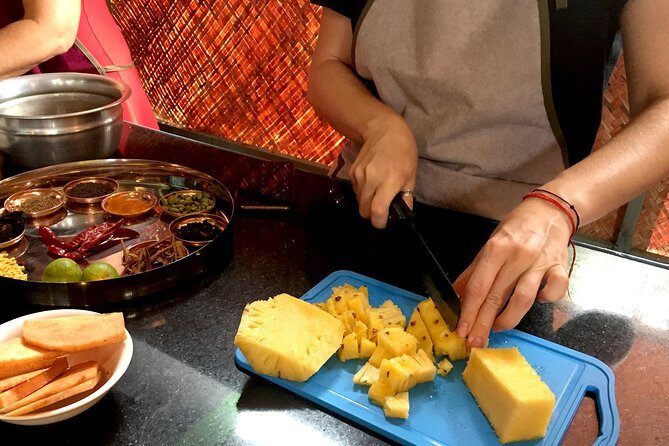
- Pineapple Chutney: Sweet-Sour Contrast
- Additional Kerala Staples (Based on the Class Menu)
- Banana Leaf Thali Lunch: Taste Your Work, Kerala-Style
- What You Should Bring (and What You Can Skip)
- Small-Group Size, Open-Air Kitchen, and the Best Moments to Ask Questions
- Price and Value: Why ~$36 for a Full Kerala Meal Teaches More Than It Costs
- Who Should Book This Kerala Cooking Class in Varkala?
- Should You Book This Cooking Class?
- FAQ
- How long is the cooking class?
- How many dishes will I cook?
- Where do I meet for the class?
- What time does the class run?
- Is this a small-group experience?
- Can I get a full refund if I cancel?
Key Highlights You’ll Feel Right Away
- Chef-led learning with Suresh, focused on flavor profiles and spice mixes
- Hands-on prep for about five classic Kerala dishes during the session
- Old-house setting in Aryavilla Heritage, right in Varkala
- Open-air kitchen feel with sides that allow more airflow
- Lunch served on banana leaves in a thali-style platter
- Small group size with a maximum of 15 travelers
Inside Aryavilla Heritage: A Real Kitchen in Varkala
Varkala is famous for its cliffs and laid-back beaches, but this experience pulls you into the everyday rhythm of Kerala home cooking. You meet at Aryavilla Heritage (Vaishakom Building, Helipad Cliff area), and the whole class centers on cooking together in that traditional house setting.
I like places that don’t feel staged. Here, the kitchen setup in an older home makes it feel less like a demo and more like you’re learning inside someone’s kitchen space. One extra practical detail: the kitchen is set up to feel more airy than you’d expect, with open sides for better airflow, which matters in a warm, spicy-cooking environment.
Group size stays intimate too. With a maximum of 15 people, you’re more likely to get real attention while you’re chopping, stirring, and tasting—not just watching from a distance. That’s what you want in a cooking class: you need enough time and space to actually practice.
Timing-wise, the activity window is 11:00 AM to 1:00 PM. Your exact start time should be confirmed when you book, so plan to arrive a little early and settle in before the cooking begins.
You can also read our reviews of more historical tours in Trivandrum

Chef Suresh and the Kerala Spice Logic (Not Just a Recipe List)
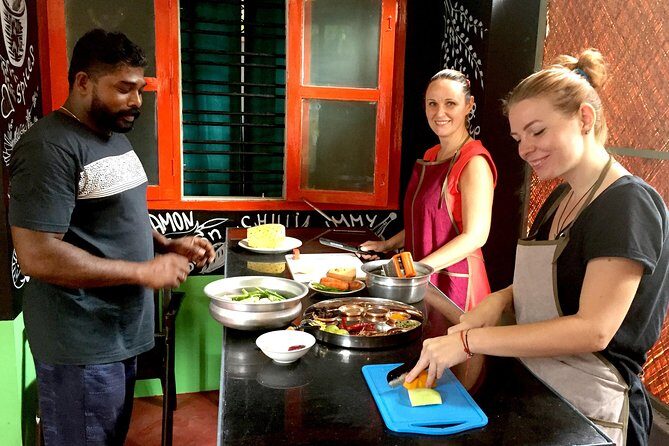
What makes this class worth your time is the way it’s taught. You’re not just collecting instructions; you’re learning how Kerala cooks think about spices and flavor. Chef Suresh focuses on basic spice combinations and building flavor profiles, so the dishes aren’t random. They become repeatable.
That’s a big deal for home cooks. Many people can follow a recipe once, then feel stuck when they try to adjust heat level or swap an ingredient later. A flavor-first class helps you understand what each spice is doing—how it changes the taste of lentils, vegetables, coconut-based elements, and the overall balance of sweet, sour, and heat.
You’ll also work with the idea of using spices as a system. You’ll learn how mixes are made and why certain combinations show up across different dishes. Even if you don’t become a spice chemist overnight, the approach helps you stop treating curry as a single flavor and start treating it as layers.
And if you’re worried about language or learning fast: the format is hands-on and small-group. That usually means you can ask questions as you go. The best learning happens when your spoon is in your hand, not when you’re staring at a screen.
Hands-On Cooking: About Five Kerala Dishes You’ll Make
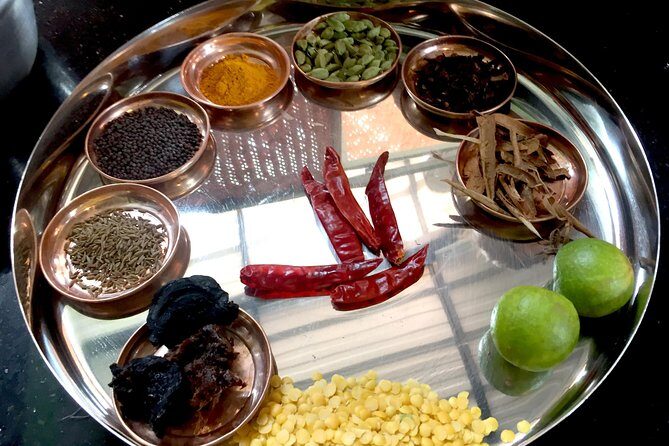
Plan on cooking around five dishes during the class. The exact set is guided by the class flow, but you can expect core Kerala favorites like the ones below.
Aviyal: Vegetables with Coconut Comfort
Aviyal is the kind of dish that shows you how Kerala cooking can be both hearty and gentle. You’re working through vegetables plus coconut-based elements, with spices that taste warm rather than scorching. It’s a great dish for learning balance because it rewards careful seasoning and texture.
Sambar: Lentils, Vegetables, and Deep Spice
Sambar is a classic lentil-and-vegetable stew, and it’s where spice technique really matters. You’ll learn the lentil base logic and how vegetables fit into the simmer. If you’ve ever made lentils that taste flat, this is the class that teaches you why.



Pineapple Chutney: Sweet-Sour Contrast
Pineapple chutney is an excellent palate builder. It’s sweet, tangy, and spicy in a way that wakes up rice and savory dishes. You’re essentially learning how fruit can act like seasoning, not dessert.
Additional Kerala Staples (Based on the Class Menu)
The class also covers other popular items such as a mix of sides and preparations, with the goal of giving you a well-rounded lunch plate. You’ll be in the kitchen doing the work across multiple dishes, so by the end your food won’t feel like a single theme—it’ll feel like a real Kerala lunch spread.
One advantage of learning multiple dishes in one go: you’ll see repeat ingredients and techniques across different flavors. Coconut, spice mixes, and tempering-style thinking (how spices bloom in oil) connect the dishes. That pattern makes it easier to remember what you learned.
Banana Leaf Thali Lunch: Taste Your Work, Kerala-Style
After cooking, you all eat together. Lunch is served on banana leaves, in a thali-style setup—round platters and banana-leaf serving, with your cooked dishes plus extra additions. It’s the moment where the class stops being theory and becomes a meal you actually savor.
I really like this part because it tests what you made. If one dish is too salty or not spicy enough, you notice quickly when it sits next to the others. The banana leaf matters too: it’s a traditional serving method that Kerala families use, and it keeps everything feeling grounded and homey rather than fancy.
You’ll also have a traditional dessert at the end. That’s a useful detail for planning your appetite. You’ll leave full in a satisfying, not heavy, way—especially since the session is only around 2 hours total.
A small heads-up: this is a lunchtime class, so plan to go with an empty stomach. If you arrive already full from snacks, you’ll miss one of the best parts: tasting your food while it’s at its peak.
What You Should Bring (and What You Can Skip)
This class doesn’t ask you to bring much from a gear standpoint because you’re cooking on-site. You will want to show up ready to taste and adjust flavors. That means being comfortable with spice, and also being willing to do a little hands-on mess—Kerala cooking can involve cutting, mixing, and stirring.
Comfort matters more than fashion. Wear clothes that you don’t mind getting splattered (it happens). Closed-toe shoes are sensible since kitchens can be busy with people moving around.
You’ll also benefit from basic food curiosity. If you like learning why food tastes the way it does—what makes it sweet, tangy, or warm—you’re going to enjoy this more than someone who only wants a cookbook souvenir.
If you’re the type who loves eating local food in a way that teaches you something actionable, this is your kind of activity. You’ll get a meal lesson plus cooking practice in one short block of time.
Small-Group Size, Open-Air Kitchen, and the Best Moments to Ask Questions
The class runs for a maximum of 15 travelers, which helps the pace stay human. In a bigger crowd, questions get lost and cooking roles become passive. Here, you’re more likely to be actively involved, and that turns learning into memory.
The kitchen itself is designed to feel open on the sides, so it’s not trapped heat the whole time. That’s a real comfort factor, especially if you’re traveling in warmer months and you’re already on the go.
From what you’re likely to experience in a well-run cooking class: the best time to ask questions is while you’re doing the step. When your spice mix is in front of you, it’s easier to understand what the chef means by balance. In between tasks is fine too, but don’t wait until the end if something confuses you.
Also, if you’re there off-season, you might get luckier with an even smaller group experience. Smaller group dynamics make it easier for the chef to notice what you’re doing and correct in real time.
Price and Value: Why ~$36 for a Full Kerala Meal Teaches More Than It Costs
At about $36.31 per person, this class can feel like a steal once you factor in what’s included. You’re paying for instruction, hands-on cooking time, ingredients used in the dishes, and a full lunch with your creations plus traditional dessert.
It’s not just a meal. You get a structured way to learn spice combinations and flavor-building. That’s the part that pays off later, because the goal is more than tasting Kerala today. The goal is understanding enough to cook something similar at home and not feel lost.
If you’re comparing this to eating a sit-down restaurant meal only, the value depends on what you want from your trip. If you want food with a story and skill, this is a high-value use of your time. If you only care about a quick snack, it might feel pricier than street food. But as an experience, it’s very reasonable.
And it’s short—around 2 hours—so you’re not giving up half your day. That matters when your Varkala schedule includes beach walks, cliff viewpoints, and maybe a few temples.
Who Should Book This Kerala Cooking Class in Varkala?
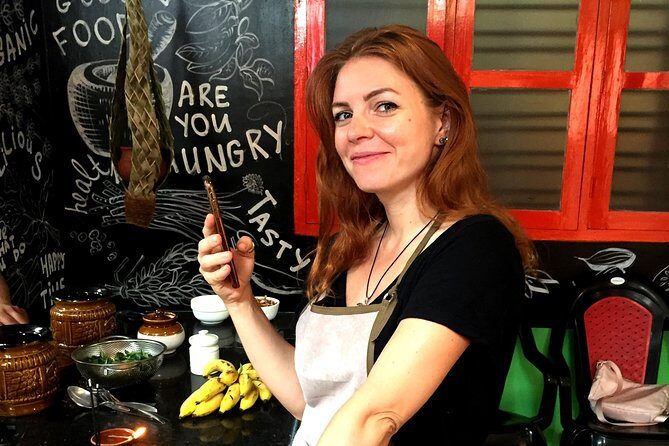
Book it if you want a practical cooking lesson without the intimidation. This class is ideal if you’re curious about South Indian food and want to learn foundational spice thinking and classic dishes you’ll recognize on menus.
It’s also great for:
- Couples or friends who like cooking together and talking food
- Solo travelers who want a small-group social setting
- People who love Kerala flavors like sambar, avocado? (No, stick to the classics), coconut-based dishes, and chutneys
You might skip it if:
- You hate hands-on cooking and prefer watching only
- You’re looking for a full-day intensive course with lots of dishes and long take-home instructions
- You’re planning to keep your day extremely packed, since lunch is part of the experience and you’ll want to eat what you cook
Should You Book This Cooking Class?
Yes, if you want real Kerala cooking skills in a short time block. The biggest reasons are simple: Chef Suresh teaches spice combinations and flavor profiles, and you finish with a banana leaf thali lunch you can actually evaluate and enjoy. The small group size and the hands-on format make it feel efficient, not rushed.
If you’re the type who likes to leave a destination with one or two things you can recreate, this is a smart pick. You’ll come away knowing how to build flavor, not just what to eat.
FAQ
How long is the cooking class?
The class runs for about 2 hours.
How many dishes will I cook?
You’ll cook around five dishes for a traditional Kerala lunch, including items such as aviyal, sambar, and pineapple chutney.
Where do I meet for the class?
You start at Aryavilla Heritage, Vaishakom Building, Helipad Cliff area, PPP3+MJW, Varkala, Kerala 695141, India.
What time does the class run?
Classes run within the 11:00 AM to 1:00 PM window, and your confirmed start time should be provided at booking.
Is this a small-group experience?
Yes. The maximum group size is 15 travelers.
Can I get a full refund if I cancel?
Yes. You can cancel up to 24 hours in advance for a full refund. If you cancel less than 24 hours before the start time, the amount paid is not refunded.