REVIEW · KALAW
Hello, who like to make fantastic trek with the most experienced guide in Kalaw.
Book on Viator →Operated by Excellent Trekking · Bookable on Viator
Cool mornings and hill-tribe life, on foot. This Kalaw trek is built for people who want quiet countryside days far from the loud tourist routes, with an experienced guide (including Johnny) leading you through villages and farm country, plus forests and views along the way. I really like how the 6:00am start pushes you into the best light and cooler air early.
I also love the mix of what you see: vegetable gardens, rice plantations, pine forest and even rainforest sections, and the daily rhythms of the people who live here. One thing to consider: this is real walking with lots of up-and-down, and in dry season you can expect roughly 20km a day, so sturdy shoes matter.
In This Review
- Quick take: what makes this trek special
- Kalaw’s countryside, without the detour drama
- Guides who actually know the region: Johnny and the team
- The route: villages, pine forest, rainforest edges, and rice work
- Day 1 in the Kalaw hills: early start, farming country, forest shade
- Day 2 toward the Inle-side hills: views, more fields, and a steady finish
- The “private tour” part: why your group pace matters
- Price and value: $15.39 for a two-day guided trek
- What to pack for a cool-to-warm hill walk
- The Kalaw viewpoint sunset tip before you head out
- Who should book this trek in Kalaw
- When the weather changes your plans
- Should you book this Kalaw trek?
- FAQ
- What time does the trek start in Kalaw?
- How long is the Kalaw trekking experience?
- How much does it cost per person?
- Is pickup offered?
- Do I get a ticket on my phone?
- Is this tour private?
- Can most people join, or is it very hard?
- Where is it located?
- What are the main cancellation terms?
- Is it near public transportation?
Quick take: what makes this trek special
- Experienced guiding with real local context from guides like Johnny, who explain agriculture and culture along the way
- Village-to-field walking where you can see everyday life, not staged stops
- Forest variety in two days including pine forest and rainforest sections
- Farm views that change every hour rice fields, vegetable plots, flowers, and working plantations
- Small extras that feel personal like time for short village visits (basket making and schools may come up)
- Easy planning perks with pickup offered and a mobile ticket
Kalaw’s countryside, without the detour drama
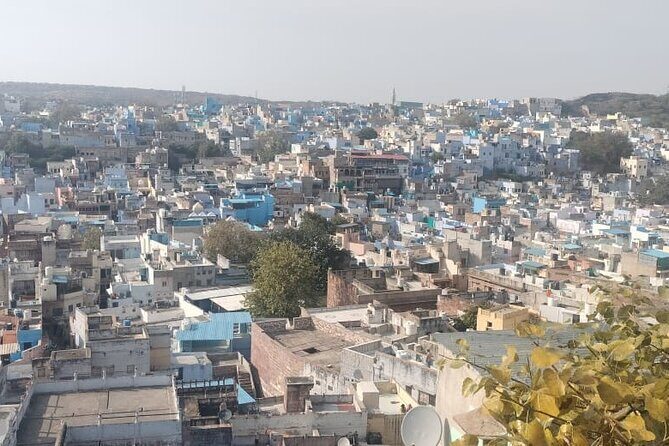
Kalaw sits in a hill setting, and this trek uses that location well. You’re not just going from point A to point B. You’re moving through layers of countryside: villages with gardens, farming work in progress, and stretches of forest that can feel cool and shaded even when the sun is out.
This is the kind of day you’ll remember for small moments. A roadside conversation in a field area. A village stop where you can see how people live. The constant change—pine trees, then open rice paddies, then a darker green stretch like rainforest—keeps the walk from turning into autopilot.
It’s also private. Your group hikes together, so you’re less likely to feel rushed or stuck behind a slow cluster. That matters on trails with lots of turns and uneven footing.
You can also read our reviews of more tours and experiences in Kalaw.

Guides who actually know the region: Johnny and the team
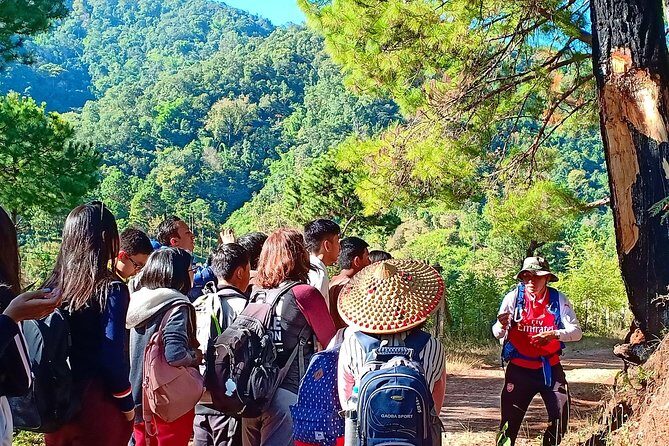
The biggest quality leap on this trek is the guidance. Johnny is specifically mentioned for knowing the region and its people, and for explaining Myanmar culture and agriculture in clear English. That adds a lot of value, because you’re not just looking at scenery—you’re learning why the hills are farmed the way they are, and how village life connects to the land.
There’s also strong evidence of careful running behind the scenes. One review highlights disciplined staff and names a host, Mrs prathibha umesh, with a well-maintained property. It’s a small detail, but it signals you’re not dealing with a chaotic setup before you even start walking.
And yes, guides can wear multiple hats here. One account describes a guide who acted as guide and cook and also served as an interpreter. In practice, that means fewer handoffs and more time spent moving and talking, instead of waiting.
The route: villages, pine forest, rainforest edges, and rice work
You’ll see a lot in two days, but the trail stays connected by one theme: hill-country daily life.
Here’s the mix you can expect:
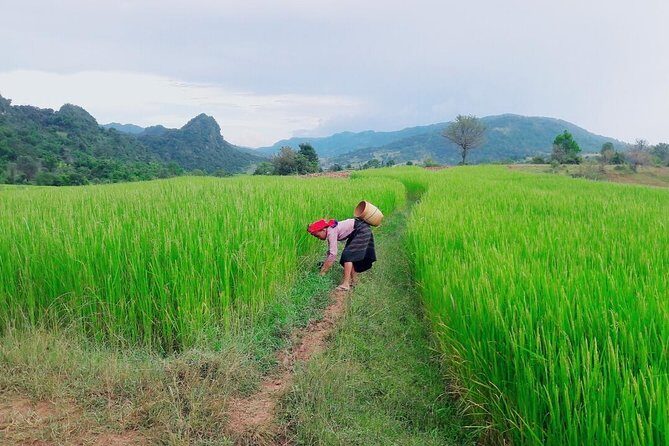
- Hill villages and countryside living: You’ll pass through places where people grow vegetables, flowers, and rice, and where you can observe how daily routines fit the landscape.
- Working farms and plantations: Reviews mention coffee and pepper, so don’t be surprised if the route includes spots where these crops are part of local income and planting habits.
- Forest variety: Pine forest shows up, and there are also rainforest sections. Even if you’re not a plant nerd, the change in air temperature and shade is real.
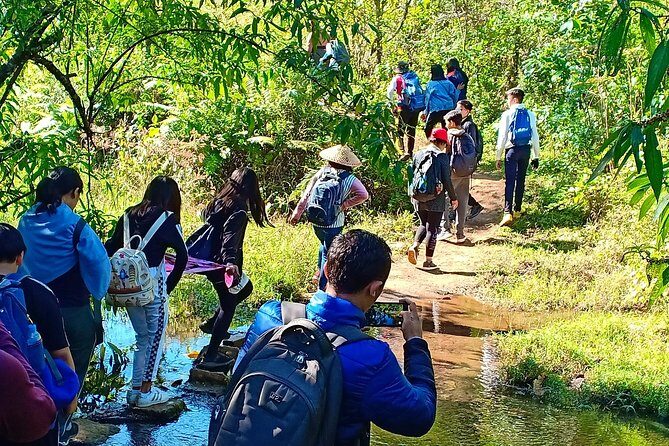
- Rice fields and crossings: The trail includes open stretches with rice paddies. These are great for breaks and photos, but also watch your footing—wet ground is still wet ground.
What this means for you: the trek stays interesting without needing gimmicks. It’s mostly about observation. You’ll get plenty of chances to pause, look around, and understand what you’re seeing.
Day 1 in the Kalaw hills: early start, farming country, forest shade
Your trek kicks off at 6:00am, which is a smart choice for two reasons. First, you avoid the stronger mid-morning sun. Second, you get a calmer feel at the start—people are already busy with farm tasks, but the day is still fresh.
Day 1 typically feels like a “transition day” in terms of scenery. You start in the Kalaw area, then start moving through countryside villages and into greener stretches. Along the way, you can expect up-and-down and changing ground—some segments open and bright, others cooler under trees.
Village stops can happen during the walk. One description mentions basket making (paniers) and rudimentary schools. I wouldn’t treat that as guaranteed on every route day, but it’s exactly the kind of stop that fits the overall character of this trek: small, grounded, and connected to daily life.
Practical note: guides often keep a steady walking rhythm but still pause when needed. That’s important on uneven ground. If you’re trekking with parents or someone who’s not a long-distance walker, this “pace with time to stop” approach is usually what makes the difference.
Day 2 toward the Inle-side hills: views, more fields, and a steady finish
Day 2 continues the same mix: villages, rice fields, and forest paths. This is when the walking can feel longest in the legs, because you’ve already learned how the terrain works on Day 1.
The good part is that the scenery keeps shifting. You’ll get more of those open field views—rice paddies and farm plots—and more chances to appreciate how the farms sit in the hills.
One review notes about two days of trekking between Kalaw and Inle, and another describes a longer trek experience from Kalaw to Inle with Johnny. So while your exact route timing can vary, the overall direction is consistent: from Kalaw’s hill setting toward the Inle region’s countryside.
Expect a moderate difficulty feel. One account calls it average difficulty and mentions around 20km per day in the dry season. If you’re healthy and comfortable on foot, you can do it. If you hate hills, you’ll still do it, but you’ll grumble a little—then feel proud at the finish.
The “private tour” part: why your group pace matters
Because it’s private (only your group participates), the trekking style can feel more human. You’re not constantly adjusting around strangers’ pace, and you’re more likely to get guide explanations in a way that fits your questions.
This also helps if you’re traveling with family. One story mentions doing the trek with parents and a brother, and another describes enjoying the experience with a guide who spoke excellent English. That combo is ideal when you want both movement and understanding, without feeling lost or left behind.
The tradeoff: you should still respect trail time. Private doesn’t mean slow. It means focused on your group. If you want extra breaks, tell your guide early so they can plan them.
Price and value: $15.39 for a two-day guided trek
At $15.39 per person, the standout value is what you’re paying for: a guided two-day walk through forests and working villages, plus pickup offered and a mobile ticket. That’s not just a transport service. It’s guidance, time, and local interpretation during the hike.
The other value piece is the presence of an experienced guide. When someone like Johnny is explaining culture and agriculture as you walk, it changes how you experience the day. You’re not just collecting photos; you’re collecting context.
A quick reality check: price is great, but trekking costs still depend on how you manage yourself—shoes, water, and layers. If you show up prepared, you’ll feel like the price is a bargain. If you don’t, the trek can feel harder than it needs to.
What to pack for a cool-to-warm hill walk
You’re starting at 6:00am, and reviews mention a winter cold breeze. So pack like you’ll have a chill at the start and warmer temps later.
Bring:
- Sturdy walking shoes with grip for uneven ground
- A light layer for early hours (something you can remove later)
- Water and simple snacks for breaks
- Rain-ready basics if your dates fall in wetter periods
If you’re the type who hates carrying a bag, you’ll still want some capacity. On a two-day trek, you don’t want to “wing it” every time you need something.
The Kalaw viewpoint sunset tip before you head out
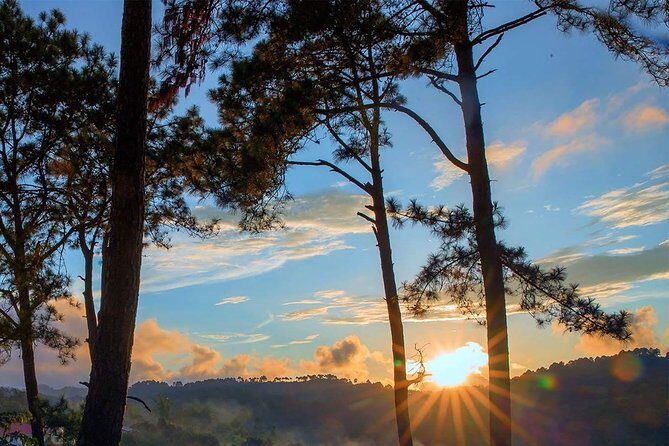
If your trip plans include moving onward after Kalaw, give yourself time for a sunset viewpoint stop. One helpful tip says not to leave Kalaw for the Inle trek until you’ve seen the sunset at the viewpoint, with about 30 minutes of drive up the mountain. The same note mentions that a motorbike is the easiest way to go up and down, except in the rainy season.
Why this matters: it’s one of those moments that makes the whole trekking sequence feel complete. A sunset over the hills also gives your brain a reference point for the countryside you’ll walk through.
Who should book this trek in Kalaw
This trek is a strong fit if:
- you like walking through real village and farm country
- you want a guide who explains what you’re seeing (Johnny’s English and knowledge get praised)
- you prefer quiet, countryside routes over major tourist corridors
- you can handle moderate, hilly walking (around 20km/day is mentioned for dry season)
It might not be the best choice if:
- you want flat, easy terrain
- you dislike forests and prefer only open views
- you’re expecting a totally comfortable, stroller-style outing
When the weather changes your plans
Because the trail includes forests and field crossings, conditions can shift quickly. Even if the plan is consistent, your footing and comfort will depend on weather.
One review includes a practical note about motorbike access to the viewpoint being easier except rainy season. That same logic applies to trekking: in rain, trails get slick and patience matters more. If you’re trekking outside the dry season, bring your A-game for footwear and slow down at turns.
Should you book this Kalaw trek?
I’d book it if you want a two-day walking experience that’s genuinely about local life—villages, crops, and forests—guided by someone who can explain the why behind the scenery. The consistent praise for Johnny’s knowledge, English ability, and teaching style makes this feel more like an education walk than a photo march.
I’d hesitate if you’re sensitive to distance and hills, since the trek can mean serious daily walking (20km/day in dry season is cited) and lots of up-and-down. If you’re prepared with the right shoes and layers, you’ll likely find it a very good value at $15.39 with pickup offered and private-group attention.
If you’re on the fence, the viewpoint sunset tip is also a sign you’re meant to enjoy Kalaw as more than a departure point.
FAQ
What time does the trek start in Kalaw?
The start time is 6:00am.
How long is the Kalaw trekking experience?
It lasts 2 days 10 hours (approx.).
How much does it cost per person?
The price is $15.39 per person.
Is pickup offered?
Yes, pickup is offered.
Do I get a ticket on my phone?
Yes, the experience includes a mobile ticket.
Is this tour private?
Yes. It’s a private tour/activity, and only your group participates.
Can most people join, or is it very hard?
The listing states that most travelers can participate. One review describes it as average difficulty and mentions about 20km per day in dry season.
Where is it located?
The trekking is in Kalaw, Myanmar.
What are the main cancellation terms?
It is non-refundable and cannot be changed for any reason. If canceled due to not meeting the minimum number of travelers, you’ll be offered another date or a full refund.
Is it near public transportation?
Yes, it is near public transportation.