REVIEW · KALAW
3Days Less Touristic Way Trekking from Kalaw To Inle
Book on Viator →Operated by Rohit Kalaw Trekking · Bookable on Viator
From Kalaw to Inle, this trek keeps it real. You walk through farmland, tribal villages, and rain-forest country, then sleep in two local homestays that feel like part of everyday village life. I also like that it runs as a small group (max 10), so your guide can actually slow down for your questions.
My second favorite part is the logistics: your backpack transfer is included, and the meals are handled for you, so you can focus on walking and talking with people. One thing to plan around is weather and effort: day routes may shift if it’s raining, and the final approach toward the lake includes a solid 15–16 km walk (about 4 hours).
In This Review
- Key highlights from Kalaw to Inle in a small-group 3-day trek
- The feel of a less-touristic trek from Kalaw
- Your two-night homestay plan (and why it matters)
- Day 1 from Kalaw: rain-forest walking and the Palaung stop
- Day 2 countryside and the monastery view stop
- Day 3: getting to the Inle Lake jetty on foot, then by boat
- Guides can make or break this trek (Rohit and Min Min are a big reason)
- Price and value: what $31 really buys you
- What you should pack (so the trek feels fun, not annoying)
- How to decide if this trek fits you
- Should you book this 3-day Kalaw to Inle trek?
- FAQ
- How long is the Kalaw to Inle trek?
- What time does the tour start?
- What’s the maximum group size?
- What meals and overnight stays are included?
- Is backpack transfer and the boat ride included?
- What happens if weather is poor?
Key highlights from Kalaw to Inle in a small-group 3-day trek
- Two nightly homestays that support local communities and put you inside village routines
- Backpack transfer included, so you hike lighter and safer
- Max 10 people for real interaction with your guide, not a bus-tour vibe
- Guide-led village and plant stories, including medicinal/seasoning uses shared by guides like Rohit
- Palaung village and monastery stops, with countryside and seasonal vegetable views along the way
- Weather can affect route choices, especially around rain-forest sections
The feel of a less-touristic trek from Kalaw
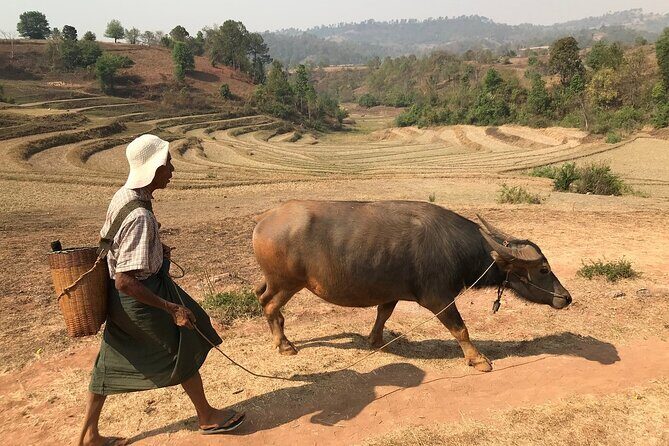
Kalaw already has a backpacker crowd, but this 3-day trek is designed to step you away from the usual shortcut. You’re not just moving between viewpoints. You’re moving through working hills: vegetable plots, small settlements, and forest paths that can change with the sky.
The homestays are the heart of it. You’ll spend two nights in villages where you’re sleeping with local families rather than just passing by. That’s also why the group stays small—when you’re with only up to 10 people, it’s easier for your guide to slow down and translate what you’re seeing into something you can actually understand.
You can also read our reviews of more hiking tours in Kalaw
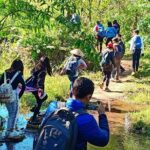
Your two-night homestay plan (and why it matters)
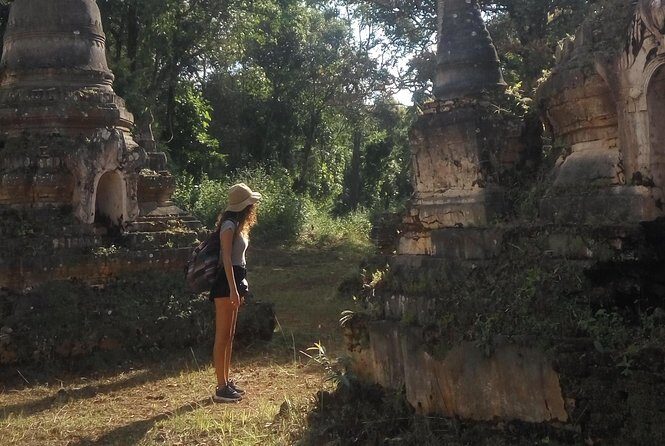
This trek includes two nightly homestays, plus meals that cover the whole trip rhythm. You get 3 breakfasts and 3 lunches, and 2 dinners—so you’re not constantly hunting for food or guessing what’s safe or open. Water is included too, which sounds minor until you’re halfway up a hill and happy someone thought ahead.
What you’ll likely notice is how different the day feels when you’re not “commuting.” By day two and three, village names start to feel like real places, not dots on a map. In guides’ hands, those homestays can also turn into learning moments—like local customs, everyday work, and family life.
Day 1 from Kalaw: rain-forest walking and the Palaung stop
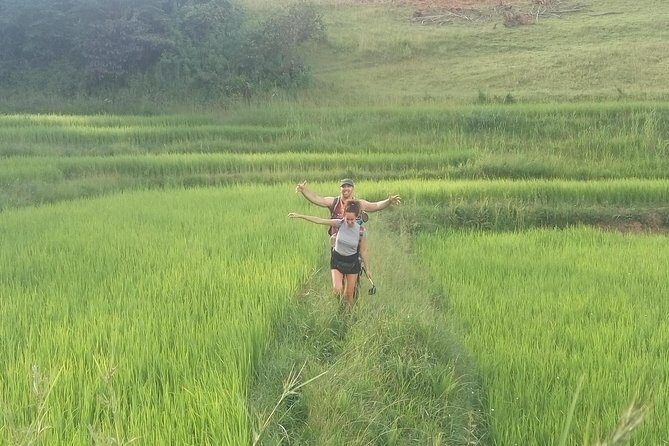
You start early in Kalaw, with a 7:30 am start time. Day 1 is built around forest and ethnic-village encounters, with the route depending on weather. If rain comes down, you may not pass through the rain-forest section—so keep expectations flexible.
A key cultural stop on day 1 is Hin kha gone, home to Palaung ethnic people. That’s where the trek shifts from “scenery walk” into human-scale geography: you see how communities live, work, and move through the landscape.
After a lunch break, you continue onward through stops such as Myin taik station and Ywar pu (the route includes smaller waypoints like this). By the end of day 1, you’ll settle into the first homestay night, which is one of the reasons this trek feels calmer than many faster Kalaw-to-Inle hikes.
Day 2 countryside and the monastery view stop
Day 2 begins after breakfast, and the tone becomes more open and agricultural. You’ll pass countryside scenes and vegetable plantations, which can vary with the season. This is the day where you’ll likely feel the rhythm of farming country—paths between plots, small irrigation areas, and villages tucked into the hills.
You’ll also pass named areas for lunch—Lamine, Pinn nwe, and Khone Hla. After lunch, the trek includes a stretch with good views before you head toward Hti Tain monastery. Monasteries in this region often act like both spiritual centers and community landmarks, so even if you’re not there for a long visit, the stop changes the mood of the day.
This day also tends to be where your guide earns their keep. Guides such as Rohit are known for pacing the group and making stops to talk—stopping for questions, explaining what you’re seeing, and keeping the walk at a comfortable speed.
Day 3: getting to the Inle Lake jetty on foot, then by boat
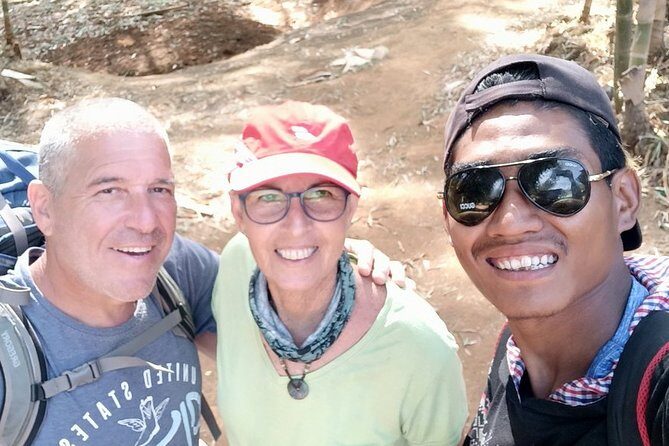
Day 3 starts after breakfast with a route that leads you toward the lake. You’ll pass through a village and get views of Inle Lake, then head down toward the western part of the lake jetty boat station.
Here’s the effort piece: the walk is about 15–16 km and takes roughly 4 hours (the timing is described as more or less, but the distance is clear). Lunch is at/near the jetty area, which makes sense: you arrive, eat, then switch from walking to water travel without scrambling for food.
After lunch, you take the boat trip to your Inle Lake hotel. The boat ride is included as part of the transfer, but the notes also mention the admission ticket is not included for the boat segment. Translation for you: budget a little extra in case there’s a small fee connected to the boat landing/usage.
A few more Kalaw tours and experiences worth a look

Guides can make or break this trek (Rohit and Min Min are a big reason)
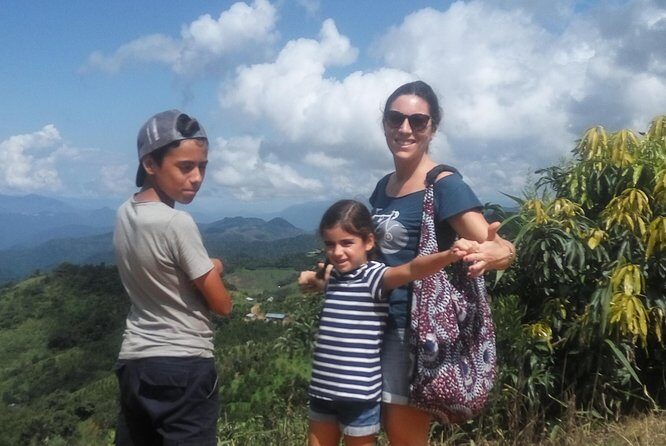
This tour keeps the group small, but the guide is where the experience gets its texture. Multiple accounts highlight guides who not only lead the route, but also explain what you’re seeing.
One guide, Rohit, is repeatedly praised for friendly, attentive guiding and smart sharing during the walk. People specifically mention that he talks about plants used for seasoning and medicinal purposes, and that he knows how to build in breaks so the pace stays comfortable. That kind of pacing matters on a multi-day walk where the terrain can feel different each hour.
Another guide mentioned is Min Min, described as attentive and good at interacting with guests and people in the villages. If you end up with either Rohit or Min Min, you’re in good hands based on what’s been shared—especially if you like your travel with explanations, not just photos.
Price and value: what $31 really buys you
At $31 for roughly 3 days, the value here is less about the headline price and more about what’s bundled. You get guided trekking, two nights in homestays, meals across the trip, water, and important transport help—especially the backpack transfer that keeps you from carrying heavy loads for hours.
You’re also paying for time. This is not a speedrun trek. The itinerary is structured with lunch breaks and homestay nights, and the group cap (10 people) supports that slower pace. For many budget travelers, that mix of included food + included accommodation + included transfers is what makes the trek feel affordable rather than “cheap but stressful.”
What you should note: all fees and taxes are not included. Also, the boat segment includes the boat transfer, but any admission ticket is noted as not included. So, you’ll want a little cash buffer for minor extras.
What you should pack (so the trek feels fun, not annoying)
This tour data doesn’t list a full gear checklist, so I’ll keep it practical based on how the trek is described: daily walking, homestay nights, and a longer final day walk.
A simple packing plan:
- Hiking shoes or strong walking footwear (traction helps on hills)
- A light rain layer, since weather can affect the rain-forest section
- A small day bag for water and snacks (even if meals are included, you’ll want flexibility)
- Sunglasses + sun protection for open countryside stretches
- Anything personal you need for the homestay nights (think basic hygiene items)
Also, because backpack transfer is included, you can travel with less strain. You’ll still want a plan for carrying your day essentials, but you won’t be shouldering your full bag all the way.
How to decide if this trek fits you
Choose this trek if you like:
- Small-group travel with time to talk and ask questions
- Homestay stays and village-level experiences
- A guided route with context, not just walking from A to B
- A trek that includes both countryside views and forest sections (weather permitting)
Be cautious if:
- You don’t handle a longer walking day well. The final day includes 15–16 km around 4 hours, after breakfast and before/around lunch at the jetty.
- You get thrown by rain. The route notes explicitly say rain can affect passing through the rain-forest area.
Should you book this 3-day Kalaw to Inle trek?
Yes—if you want a Kalaw-to-Inle trek that feels more human than commercial, this is a strong fit. The combination of homestays, included meals, and backpack transfer turns it into a trip where you can actually enjoy the walk instead of managing logistics all day.
Book it with the right mindset: expect real walking effort on day 3, and accept that weather can nudge the route—especially around forest sections. If that sounds like your kind of travel, this trek is a smart way to reach Inle Lake while still experiencing the villages along the way.
FAQ
How long is the Kalaw to Inle trek?
It’s a 3-day trekking experience from Kalaw to Inle Lake, with timing described as approximate.
What time does the tour start?
The trek starts at 7:30 am.
What’s the maximum group size?
The tour has a maximum of 10 travelers, which is meant to keep the experience personal.
What meals and overnight stays are included?
You’ll have two nightly homestays, plus 3 breakfasts, 3 lunches, 2 dinners, and water included.
Is backpack transfer and the boat ride included?
Yes. Backpack transfer is included, and there is a boat transfer to your Inle Lake hotel after the walking portion. The notes also indicate an admission ticket for the boat segment is not included.
What happens if weather is poor?
The trek requires good weather. The route may also depend on weather (for example, rain can affect passing through rain-forest sections). If the experience is canceled due to poor weather, you’ll be offered a different date or a full refund.