REVIEW · HARIDWAR
7 Day Tour to Valley of Flowers and Auli Hiking Adventure
Book on Viator →Operated by Bayberry Adventures · Bookable on Viator
Thin-air flowers and mountain quiet come together fast.
This 7-day Bayberry Adventures route links the Valley of Flowers trek with Hemkund Sahib at 4,650 m and an Auli viewpoint day, supported by trained guides and practical safety gear like an oxygen cylinder. I love how the plan mixes serious altitude hiking with simpler “reset” moments (morning yoga in Ghangaria, time at the gurudwara), so you’re not just grinding uphill every hour. One consideration: you’ll need moderate physical fitness, and the tour is explicitly not recommended for overweight people or anyone with very high blood pressure.
For the price of $339.98 per person (often booked about 219 days ahead), you’re not just paying for walking. You’re getting twin/triple accommodation on the route, group transport between key points, and meals at set times—plus guidance through a place where conditions can change quickly. The group size is capped at 18, which matters when paths get narrow and you want everyone moving at a similar pace.
It starts early—6:30 am—with a mobile ticket. You’ll also feel the “travel day” side of this trip on Day 7, when the ride back to Haridwar Railway Station is a long 273 km stretch.
In This Review
- Key Things I’d Highlight Before You Go
- River Confluences to Joshimath: Day 1’s Scenic Setup
- Ghangaria Morning Yoga: Your Soft Landing at 6,000 Feet Plus
- Valley of Flowers Trek: 4 km One Way Into UNESCO’s Flower Season
- Hemkund Sahib at 4,650 m: Spiritual Stop With Real Altitude Work
- The 10 km Down to Govindghat and the Joshimath Reset
- Auli and Gorson Bugyal: 2.5 km for 360-Degree Views
- Day 7: The 273 km Return to Haridwar Railway Station
- Price and Value: Is $339.98 Fair for This Much Altitude Work?
- Guides, Oxygen, and the Team Contact That Tries to Prevent Mistakes
- Food and Lodging: What Comfort Looks Like Up High
- Who Should Book (and Who Should Think Twice)
- Should You Book This 7-Day Valley of Flowers and Auli Hike?
- FAQ
- What time does the tour start, and is it a mobile ticket?
- How long is the tour, and what hiking distances are involved?
- What safety gear is included for altitude?
- What meals and accommodation are included?
- Who should not take this tour?
- Is insurance included in the tour price?
- What admission fees should foreign nationals expect?
Key Things I’d Highlight Before You Go
- Small group cap (18 max), which helps keep the trek calm and organized.
- Oxygen cylinder and first aid kit included, plus safety equipment with the guides.
- Morning yoga in Ghangaria, timed for those cloud-meadow mornings before trekking.
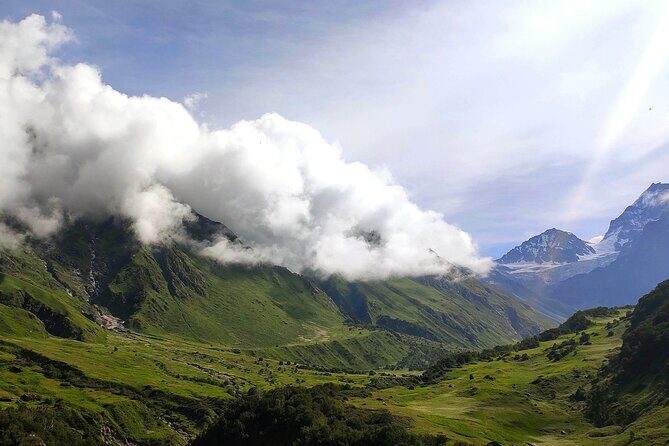
- Valley of Flowers entry included (and it’s a UNESCO park) with 500+ flowering plant species.
- Hemkund Sahib at 4,650 m, combining high altitude effort with a powerful pilgrimage stop.
- Auli’s Gorson Bugyal hike (2.5 km) with chai and pakoras and a promised 360-degree view.
River Confluences to Joshimath: Day 1’s Scenic Setup
Day 1 is all about getting you into the rhythm of the region. You travel through the Tehri Garhwal and Chamoli areas and make brief stops at Panch Prayag confluences—places where the Alaknanda river meets other tributaries. The stops include Devprayag (listed as the final of the five confluences of Alaknanda), plus Rudraprayag and Karnaprayag.
Why I like this kind of start: it gives you context before you go vertical. Confluences are also easier for your body to handle than sudden altitude hikes, so you build momentum without the “shock” of immediately going hard. It also makes the journey feel purposeful, not just transportation.
Plan for short pauses. Devprayag is listed as about 5 minutes, and the other confluence stops are similarly quick. If you love photos, you’ll want your camera ready—but keep it simple so you’re not losing time to back-and-forth.
You can also read our reviews of more tours and experiences in Haridwar.
Ghangaria Morning Yoga: Your Soft Landing at 6,000 Feet Plus
Ghangaria is the core base for the next days, so Day 2 matters. You’ll rise early for a yoga session described as happening in a meadow of clouds. It’s a small moment, but I think it’s smart: stretching in cold air makes your body less stiff later, and a calm start helps you respect altitude without panic.
After that, you’re set up for a day of activity. The key practical takeaway here is timing: your body works better when you don’t start the day sprinting. Even if you’re eager, take the morning warm-up seriously.
This is also where you’ll start thinking like a trekker: layers first, hydration habits second, and pacing always. The route asks you to be moderate fitness—not couch-to-peak—so this day helps you settle into the correct mindset.
Valley of Flowers Trek: 4 km One Way Into UNESCO’s Flower Season
On Day 3, you trek from Ghangaria to the Valley of Flowers National Park. The plan calls for a 4 km one-way hike to the mouth of the valley, listed at about 2 hours. Then you return to Ghangaria to sleep again.
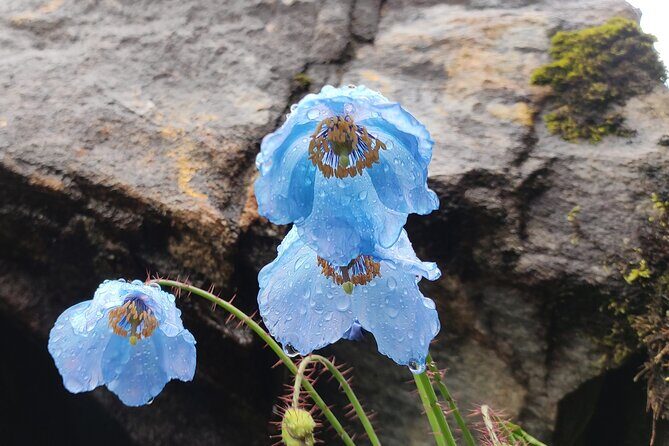
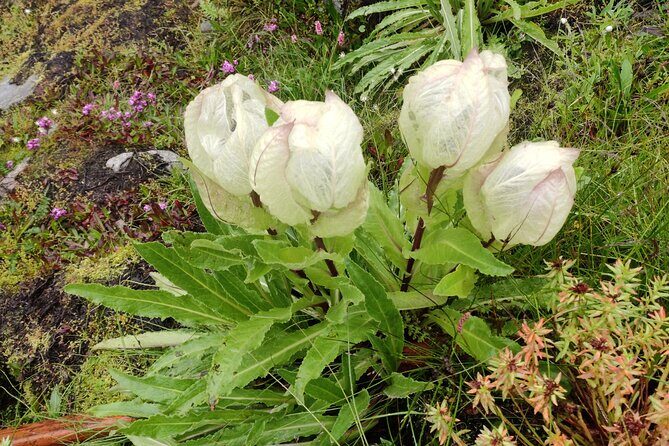
Here’s what makes the Valley of Flowers special, beyond the famous name. The park is about 87.5 square kilometers, and the elevation in the broader park range goes from roughly 3,250 m up to 6,750 m. It’s UNESCO-recognized for its plant life: the park is described as having over 500 species of flowering plants, including rare and endangered ones.
And it’s not just about plants. The area is home to wildlife you’d normally associate with higher Himalaya: snow leopard, musk deer, Himalayan black bear, brown bear, and blue sheep. Birdwatchers can look for species like Himalayan monal, golden eagle, and snow partridge.
Now, the practical side: this is a “show up and walk” type of trek. You’re not sent scrambling with technical gear, but you are climbing at altitude where your breathing changes. Give yourself the first part of the hike to adjust. If you go out too fast, you’ll pay for it on the return.
The payoff is time. You’re not doing a one-hour photo sprint; you’re given enough time to move through the valley area and actually look—at the flowers, at the snow patches if conditions allow, and at how the vegetation shifts with altitude.
Hemkund Sahib at 4,650 m: Spiritual Stop With Real Altitude Work
Day 4 is your big height day. After breakfast, you trek to Hemkund Sahib, described at 4,650 m, and the gurudwara is presented as the highest in the world.
This is a rare combo: a tough-altitude ascent paired with a pilgrimage space that’s meant for quiet focus. The trek to the gurudwara is listed as about 1 hour in the day’s stop details, and you’ll spend time at the site before returning to Ghangaria for the night.
What you should know before you go: 4,650 m is where many people feel altitude effects. This isn’t a “tough-but-fine” elevation for everyone. If you’ve been ignoring leg strength or if you only do short walks at home, you’ll feel it here.
That’s exactly why the tour team emphasizes preparation. In one story linked with this trip, Kiran from Bayberry Adventures reached out well before departure and emphasized that getting your legs strong matters. It’s not motivational fluff—it’s the difference between steady, controlled breathing and that panicky stop-and-go feeling.
The 10 km Down to Govindghat and the Joshimath Reset
Day 5 switches your focus from climbing to controlled descent. You trek 10 km downhill from Ghangaria to Govindghat, then take a 25 km car ride to Joshimath. The day’s total time is given as 5–6 hours.
This day is deceptively hard. Downhill often feels easier than uphill until your knees and calves decide to unionize. Keep your steps short, plant your feet carefully, and watch your breathing so you’re not moving like you’re on a timer.
At Govindghat, you also have a note for optional add-ons. If you want to see Badrinath, the route indicates you can peel off from Govindghat and visit it. The details are cut off, so treat this as an optional possibility rather than something you should plan on as “automatic.”
Then you roll into Joshimath for a reset day atmosphere. This matters because Day 6 is another high mountain viewing experience.
Auli and Gorson Bugyal: 2.5 km for 360-Degree Views
Day 6 starts with a slower rhythm. You’re described as relaxing at a resort in Joshimath, enjoying a morning cuppa and optional yoga. After breakfast you drive to the Auli area.
Then the hiking piece begins with a climb of a simpler type. The plan says that after reaching pillar no 10, you trek about 2.5 km to Gorsen Bugyal (also called Auli Bugyal). The stop notes promise a scenic 360-degree view at the zero point, plus chai and pakoras.
This is the kind of day that makes people remember the trip even when they’re tired. You’re not just looking out—you’re being rewarded at the exact moment your legs start asking questions. Chai and pakoras are also practical morale boosters. Food at the right time helps you keep warm and keeps your energy steady.
If you’re the sort of person who likes viewpoints, you’ll enjoy this. It’s a classic mountain payoff with a manageable hiking distance.
Day 7: The 273 km Return to Haridwar Railway Station
Day 7 ends the way a lot of Himalaya trips do: with a long ride. You transfer back from Joshimath to Haridwar Railway Station, a distance of 273 km, estimated at 8–9 hours. Lunch is included en route.
There’s no hiking today, but your body still feels the trip. Expect sitting time, so plan to travel in layers and keep small comforts handy (water, a light snack if allowed by your group rhythm, and something to reduce sun exposure).
The good news: this “finish by bus/train” format helps you collapse into sleep the moment you arrive.
Price and Value: Is $339.98 Fair for This Much Altitude Work?
At $339.98 per person for a 7-day program, the value depends on what you care about.
Here’s what’s included:
- Accommodation on twin/triple sharing basis as per the plan
- Safety equipment, plus an oxygen cylinder and first aid kit
- Trained guides for escorting
- Group transport
- Meals: breakfast (7), dinner (6), lunch (7)
Also included in the day details:
- Valley of Flowers admission is listed as included
- Gorson Bugyal admission is listed as included
What costs extra:
- Insurance at ₹500 per person
- Admission fees for foreign nationals listed as INR 600 per person
- Additional charges if cancellations happen due to road blocks, etc. (charged as per actuals)
- Any extra costs not covered by the plan
To me, the biggest “value lever” isn’t just the walking. It’s that the trip includes oxygen and first aid equipment and uses trained guides. In a region where altitude and weather matter, that’s not something you should treat as optional.
This tour also has a small max group size (18), which usually means you spend less time waiting around and more time moving.
Guides, Oxygen, and the Team Contact That Tries to Prevent Mistakes
The tour is guided, and you get more than just a person pointing the route. The plan includes trained guides for escorting, safety equipment, and an oxygen cylinder plus a first aid kit.
That setup gives you reassurance—but it only works if you cooperate. If you feel unwell, don’t “push through” out of stubbornness. Tell your guide early. Altitude issues can creep in fast, and the right response is earlier intervention, not later heroics.
One extra human note: Kiran is listed as a team contact who reached out about leg training before departure, and the message was clear—strength matters for this walk. I like that approach because it turns the trip from random pain into something you can actually prepare for.
Food and Lodging: What Comfort Looks Like Up High
The comfort level here is practical, not luxury. You’ll be in twin/triple sharing rooms, with different lodging types mentioned across the route: a resort in Joshimath and a rest house in Ghangaria around the Hemkund night.
Meals are handled in a straightforward rhythm:
- Breakfast every day (7)
- Lunch 7 times
- Dinner 6 times
Why this matters: at altitude, meal timing affects how you feel on the trail. Having consistent food reduces the chance that you’ll skip a meal and then “bonk” halfway through a hike.
You’ll also appreciate that the trip includes breaks where you can warm up and reset. The yoga morning, the gurudwara stop, and the chai/pakoras moment aren’t just cultural extras; they help you manage energy.
Who Should Book (and Who Should Think Twice)
This tour fits best if:
- You can handle moderate trekking with altitude and a planned downhill day
- You’re comfortable doing hikes around 2–4 km segments, plus a longer 10 km descent day
- You want a guided experience that takes safety seriously
- You care about both nature and pilgrimage stops
It’s not recommended if:
- You’re overweight
- You have very high blood pressure
And it’s worth saying plainly: if your idea of preparation is running on a treadmill twice, you’ll probably struggle on days like the 10 km downhill and the Hemkund Sahib ascent.
Should You Book This 7-Day Valley of Flowers and Auli Hike?
I’d book it if you want a trip that actually mixes the reasons people travel to this region: flowers and wildlife at Valley of Flowers, a powerful high-altitude gurudwara at Hemkund Sahib, and big mountain views from Auli/Gorson Bugyal. The included safety gear and trained guide support make it feel more serious than a casual holiday.
I’d hesitate if your health situation limits exertion or if you don’t have a moderate fitness base yet—because the plan includes altitude work at real elevations and a long descent day.
If you do book, give your legs attention ahead of time. Follow the same practical mindset the team emphasizes: strong legs make altitude days feel more controlled, not more chaotic.
FAQ
What time does the tour start, and is it a mobile ticket?
The start time is 6:30 am, and you receive a mobile ticket.
How long is the tour, and what hiking distances are involved?
The tour is about 7 days. Key trekking distances listed include 4 km one way to the Valley of Flowers, a 10 km downhill trek from Ghangaria to Govindghat, and about a 2.5 km trek to Gorsen Bugyal from pillar no 10.
What safety gear is included for altitude?
The tour includes safety equipment, an oxygen cylinder, and a first aid kit, with trained guides escorting you.
What meals and accommodation are included?
Accommodation is on a twin/triple sharing basis. Meals included are breakfast (7), lunch (7), and dinner (6).
Who should not take this tour?
It is not recommended for overweight travelers and not recommended for travelers with very high blood pressure.
Is insurance included in the tour price?
No. Insurance is listed as ₹500 per person.
What admission fees should foreign nationals expect?
Admission fees for foreign nationals are listed as INR 600 per person.