REVIEW · HARIDWAR
A Divine Day Out: Haridwar Sightseeing Tour
Book on GetYourGuide →Operated by Tourify Uttarakhand · Bookable on GetYourGuide
Haridwar gets real at dusk. This tour lines up Har Ki Pauri and the evening Ganga Aarti, plus hilltop temple visits that feel like a full spiritual “on purpose” day rather than a quick checklist. I also like how you move between the river ghats and higher viewpoints without it feeling chaotic.
I’m a fan of having an English-speaking professional guide in a place where the details matter. One guide name that came up in feedback is Pradeep, praised for humor and keeping the whole outing smooth and safe, which is exactly what you want when religious crowds and narrow lanes are in play.
One consideration: transport and entrance fees are not included, so your total cost can jump a bit depending on how you get around and what sites charge.
In This Review
- Key Things I’d Watch for on This Haridwar Tour
- Har Ki Pauri and the Evening Ganga Aarti Timing
- Mansa Devi Temple: Cable Car Choice With a Temple of Wishes
- Chandi Devi Temple by Cable Car: A Second Hill Shrine for Peace and Protection
- Bara Bazaar, Maya Devi, and the Everyday Side of Haridwar
- Sapt Rishi Ashram and Patanjali Yogpeeth for Balance
- Price and What You’re Actually Getting for $35
- Where This Tour Fits Best (And Who Might Want Another Plan)
- Should You Book the Haridwar Sightseeing Day Out?
- FAQ
- Where is the tour meeting point, and where does it end?
- Is transportation included in the $35 price?
- What’s included in this Haridwar sightseeing experience?
- Are entrance fees included?
- How do I visit Mansa Devi Temple?
- How do I visit Chandi Devi Temple?
- Are there any rules about alcohol or drugs?
- Can I cancel for a full refund?
Key Things I’d Watch for on This Haridwar Tour
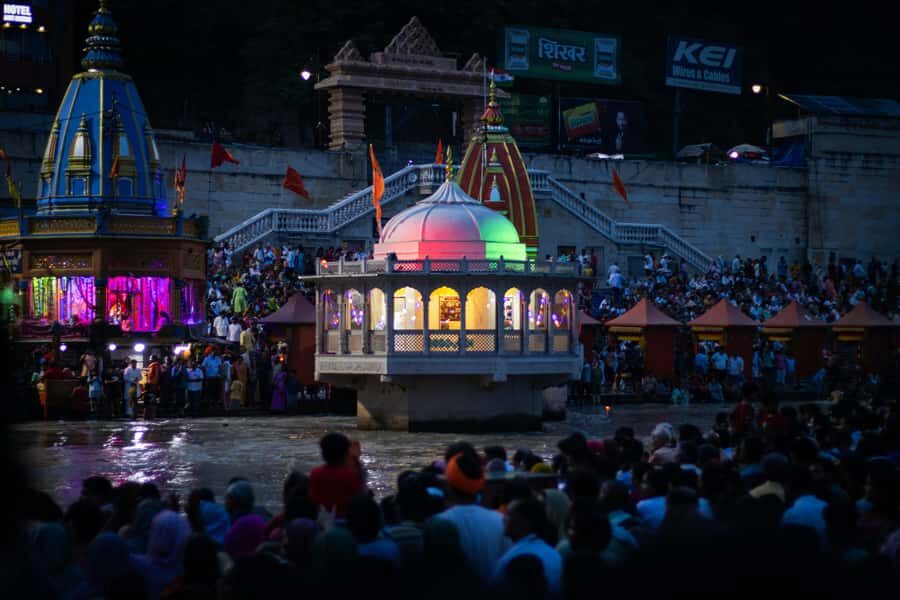
- Evening Ganga Aarti at Har Ki Pauri: A scheduled time window for the ceremony, not just a casual stop by the river.
- Mansa Devi Temple access options: You can go by cable car or on foot, so you can choose your comfort level.
- Chandi Devi by cable car: Another hill shrine, with the cable car making the climb easier for many people.
- Bara Bazaar stops for real-world Haridwar: You’ll see where people buy religious items, souvenirs, and local snacks.
- Sapt Rishi Ashram and yoga on the same day: A nice shift from temple energy to quieter reflection at the ashram and the Patanjali center.
- English guidance plus a provided water bottle: Helpful on a day with lots of walking and changing locations.
Har Ki Pauri and the Evening Ganga Aarti Timing
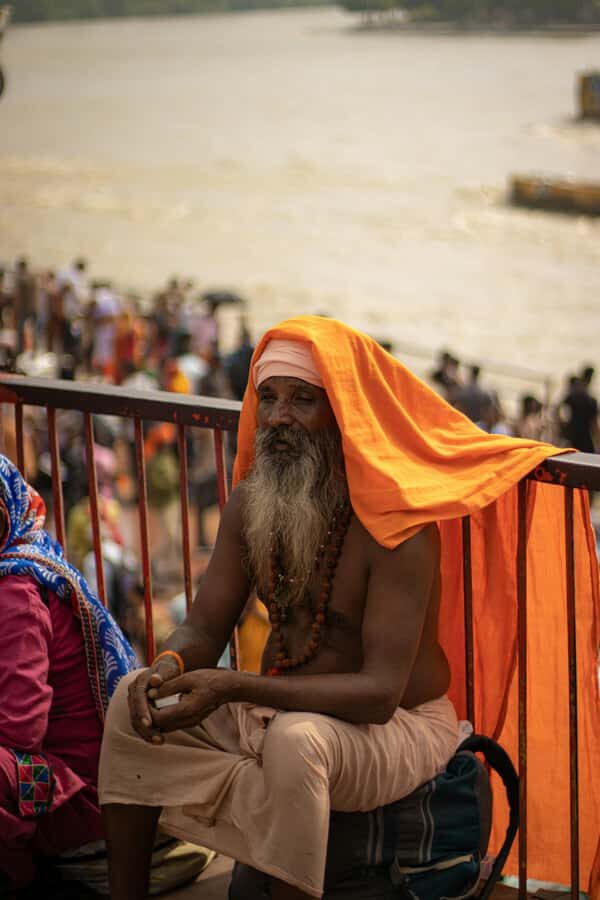
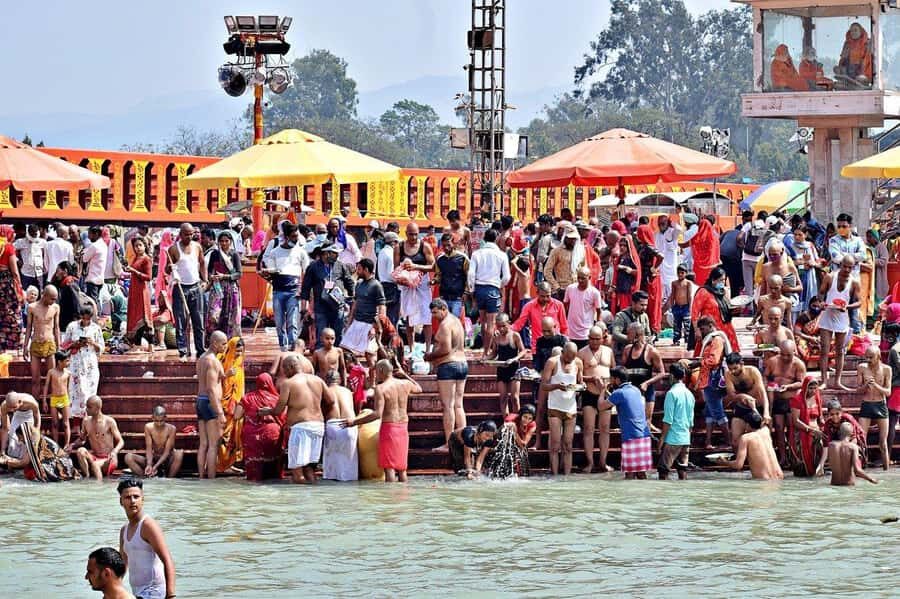
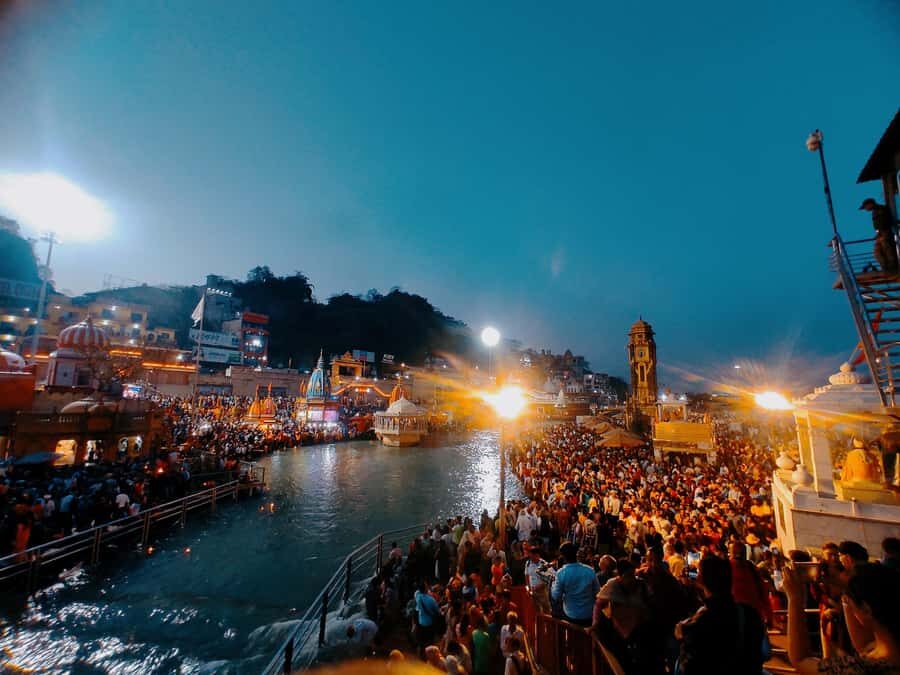
If you’ve never seen the Ganga from the ghats at the right moment, this is the kind of experience that makes you understand why people plan their travel around it. Haridwar is where the Ganges comes down toward the plains, and Har Ki Pauri is one of the key spots for that connection. You start here, then you’re set up for the evening Ganga Aarti as the day shifts into ceremony time.
The practical win is simple: you’re not left to figure out when the ceremony happens or where to stand for a good view. Your included guidance and the fact that evening aarti is explicitly part of the experience matter, because river-side rituals can be intense and crowded, and you want calm direction.
One small reality check: this is a popular spiritual area, so expect close quarters and some waiting. If you’re sensitive to crowds or strong religious chanting, go in with a plan to take short breaks when you can.
What you’ll get from this stop is more than a photo. The Ganga Aarti is a moving mix of devotion, rhythm, and communal focus, and being there at dusk changes how everything feels. For many people, this is the “anchor moment” of the day.
You can also read our reviews of more tours and experiences in Haridwar.
Mansa Devi Temple: Cable Car Choice With a Temple of Wishes
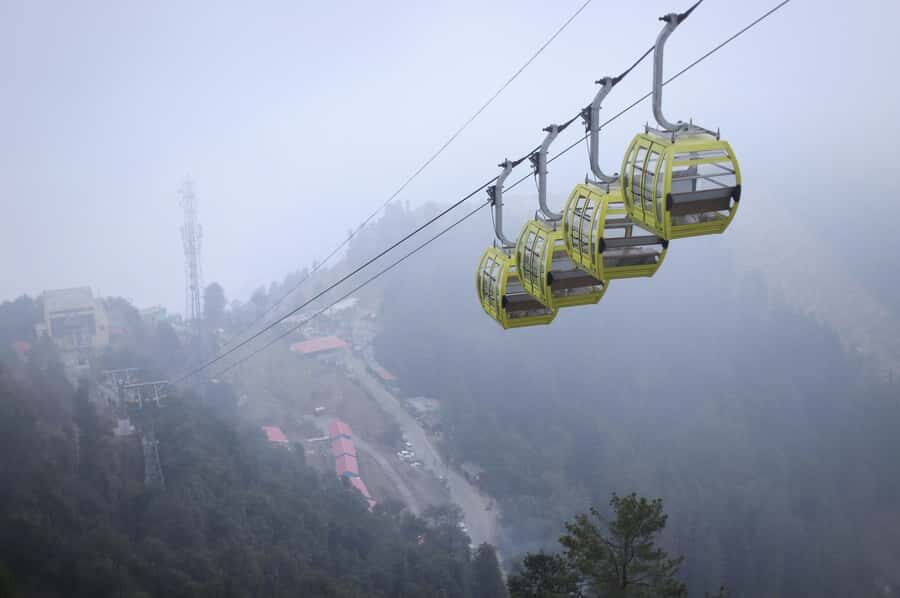
After Har Ki Pauri, the tour heads you toward Mansa Devi Temple, a revered hilltop shrine tied to the goddess associated with wishes. This is one of those places where the climb itself becomes part of the experience. You’re given two access options: you can go up by cable car or on foot, depending on what suits your body and your patience for crowds.
I like this flexibility a lot. Going by cable car tends to be the easier option if you want to conserve energy for later stops. Going on foot can feel more grounded, letting you take in the approach and the change in air and view as you gain elevation. Either way, you arrive at a temple that pilgrims treat as a serious place for prayer and intention.
What to watch for: you’ll likely be mixing temple etiquette with a busy pilgrimage environment. Keep your pace respectful, dress appropriately for a place of worship, and give yourself a little buffer if you’re deciding between cable car versus walking.
Also, remember this stop is about the ritual focus. Don’t rush it like it’s just sightseeing. If you take a moment to slow down here, the rest of the day makes more sense.
Chandi Devi Temple by Cable Car: A Second Hill Shrine for Peace and Protection
Next comes Chandi Devi Temple, another hill shrine that’s associated with fulfilling wishes and offering protection. This is where the tour adds variety: you’re not repeating the same “ghat then temple” pattern. Instead, you get a second mountain-feel moment, with a different shrine and another reason people make the trip.
The key practical detail here is access. Chandi Devi is accessible by cable car, which helps you manage energy. That’s a big deal on a day that already includes walking in the bazaar and river-area crowd movement. If your legs are tired, this part can save the day from feeling like one long grind.
When you’re up at a hill temple, the experience often becomes more about stillness than action. You get space for prayer, people-watch from a higher vantage, and the soundscape changes compared to the market level and the river.
One note for your comfort: hill areas can mean cooler air than the street level, especially later in the day. If you’re going in seasons where evenings feel sharp, bring a light layer so you’re not shivering at the times you’ll likely be standing and waiting.
Bara Bazaar, Maya Devi, and the Everyday Side of Haridwar
A tour that only hits the “big two” would miss what makes Haridwar feel like a real place. Here, you also get time at Bara Bazaar, a busy marketplace where people pick up souvenirs, religious items, and local delicacies. This isn’t just retail therapy. It’s your chance to see how faith and daily life overlap. Vendors, packaging, offerings, and the flow of shoppers all add texture to the spiritual stops you’ve already seen.
Then you head to Maya Devi Temple, described as one of the oldest temples in Haridwar, connected with Shakti as an incarnation. This is the kind of stop that changes the tone again. Bazaar energy gives way to a temple environment, and that shift is useful. It prevents the day from turning into one constant surge.
At this stage, I also think about pacing. Markets can drain people, even when they’re fun. If you like shopping, set a limit. If you’re not shopping, use the time to observe and snack only if you’re comfortable doing so in a crowd. Either way, keep your energy for the quieter stops later.
This section is where you’ll likely learn the most about local culture just by paying attention: how people dress, what they buy, how offerings are presented, and how they move through temple areas. It’s not flashy, but it’s the stuff you remember afterward.
Sapt Rishi Ashram and Patanjali Yogpeeth for Balance
Once you’ve seen the ceremony and climbed temples, it helps to have something calmer on the route. That’s where Sapt Rishi Ashram comes in. The ashram is associated with the idea that seven sages meditated there along the banks of the Ganges. Even if you don’t go in with a deep background, the location works: water, quiet corners, and a slower pace help your mind reset.
Then the tour adds Patanjali Yogpeeth, a well-known yoga institute founded by Swami Ramdev. This is a practical counterpoint to the earlier religious stops. Temples focus on devotion; yoga centers focus on health and spirituality through structured practice. Having both in one day gives you a fuller view of how wellness and faith show up in Haridwar.
I like that the day doesn’t force one single type of experience. You end up with a blend: ceremony at the river, wish-and-protection temple climbs, market culture, and then two stops that lean toward reflection and wellness.
For your visit, the main tip is simple: don’t treat these as checklist boxes. If you take a few minutes to sit, breathe, or simply watch, you’ll get more meaning out of them. If you rush, you’ll still see the places, but you’ll lose the emotional shift that makes the day feel like a true “reset.”


Price and What You’re Actually Getting for $35
At $35 per person, this tour sits in the “value if you plan well” category. Here’s why: you’re paying for a professional guide, a water bottle, and the evening Ganga Aarti component. That means you’re not only buying entry to sights, you’re also buying help with timing, navigation, and local flow.
The trade-off is clear in the details: transportation is not included, and entrance fees are not included. So your final cost depends on what you choose for getting around and whether any of the stops charge fees on the day you visit.
If you already have a driver/taxi plan or you’re comfortable using local transport, the $35 price can feel like a bargain for a day with multiple locations and an included guided ceremony moment. If you still need to add transport from scratch, do a quick budget check before booking.
One more point: the tour is offered in English, which helps keep the day from feeling confusing. Language support is part of value too, because it affects how much you understand at each stop.
Finally, there are rules: alcohol and drugs are not allowed. That may sound obvious, but having it stated matters for a day centered on sacred spaces.
Where This Tour Fits Best (And Who Might Want Another Plan)
This experience works best if you want a guided day that hits spiritual highlights without you spending hours on planning. It’s especially good for people who enjoy structured sightseeing: you get the major anchors like Har Ki Pauri and the hill temples, then you get context via quieter stops like Sapt Rishi Ashram and Patanjali Yogpeeth.
It also suits solo travelers who want safety and clarity. One review highlighted that Pradeep helped keep things safe and fun, with humor and a guide style that makes the day easier to handle. If you’re the kind of person who likes learning while you walk, a guide can turn a “look and leave” day into a more meaningful one.
Who should consider skipping or changing plans:
- People who have difficulty with temple climbs or getting to elevated spots, since Mansa Devi can involve either cable car or walking.
- People over 95 years, since the tour is not suitable for that age group.
- Anyone who dislikes crowded river and temple areas at ceremony time.
Should You Book the Haridwar Sightseeing Day Out?
My take: if your heart is set on seeing the Ganga Aarti at Har Ki Pauri and you want a full spiritual day that also includes hill temples, a market walk, and yoga/ashram stops, booking makes sense. The included guide and the evening ceremony slot are the big reasons to choose it over DIY.
Book it if you:
- Want an English-speaking guide to manage the day.
- Prefer a planned route with multiple stops.
- Appreciate a mix of ceremony, temples, and reflective stops.
Skip it or reassess if:
- You don’t want to pay extra for transportation and possibly entrance fees.
- You need a very low-crowd, low-walking schedule.
FAQ
Where is the tour meeting point, and where does it end?
Your guide meets you at the scheduled meeting point. If possible, the guide can also meet you at your hotel. The activity ends back at the meeting point.
Is transportation included in the $35 price?
No. Transportation is not included, so you’ll need to arrange getting between stops yourself.
What’s included in this Haridwar sightseeing experience?
The tour includes a professional guide, a water bottle, and the evening Ganga Aarti.
Are entrance fees included?
No. Entrance fees are not included, so you may need to pay separately at some sites.
How do I visit Mansa Devi Temple?
Mansa Devi Temple can be reached either by cable car or on foot, depending on what you choose during the visit.
How do I visit Chandi Devi Temple?
Chandi Devi Temple is accessible by cable car.
Are there any rules about alcohol or drugs?
Yes. Alcohol and drugs are not allowed during the tour.
Can I cancel for a full refund?
Yes. You can cancel up to 24 hours in advance for a full refund.