REVIEW · NEW DELHI
Half Day Slum Walking Tour Delhi
Book on GetYourGuide →Operated by Rendevouz Tours · Bookable on GetYourGuide
Delhi changes when you walk with locals. This half-day slum walking tour through Delhi’s largest informal settlement gives you a front-row look at daily life, community work, and real conversations that cut through clichés. The second thing I liked right away was the English-speaking story teller approach, which keeps the tone educational and not performative.
I also loved the way the route makes room for normal human moments: greeting friendly kids, seeing community businesses, and then stepping into a Hindu temple and a mosque without treating faith like a side show. One drawback to plan for: you’re on foot for a short stretch through busy, uneven areas, so if you have mobility issues or you’re pregnant, you’ll need to reconsider or check with the team first.
In This Review
- Key Points You’ll Care About
- Why Delhi’s Slum Walk Feels Like Real Travel (Not Shock Tourism)
- Meeting Your Guides: Neil, Harsh, and the Quiet Art of Being Welcomed
- The Half-Day Flow: Pickup, Transfers, and What You Actually See
- Entering the Community: Safety, Respect, and the Non-Intrusive Rule
- Housing and Micro-Businesses: The Small Economy You Don’t See From the Road
- Education, Sanitation, and Health: Learning the Hard Parts Without Making It Personal Theater
- Religion Inside the Route: A Hindu Temple and a Mosque
- Tea Break and Market Time: Slow Down, Then Keep Listening
- Price and Value: What $57 Buys You Here
- Who Should Book This (and Who Might Want Another Tour)
- Should You Book This Half-Day Slum Walking Tour in Delhi?
- FAQ
- How long is the Half Day Slum Walking Tour Delhi?
- What’s included in the tour price?
- Do I need to bring an ID?
- Is alcohol allowed on the tour?
- Is the tour in English?
- Is the tour suitable for pregnant women?
- Can I cancel for a refund?
Key Points You’ll Care About

- Respect-first approach: safe, non-intrusive, and designed to encourage conversation instead of gawking
- Local guides with clear English: guides like Neil and Harsh keep the story grounded and easy to follow
- Temple + mosque stops: you’ll see how religious life fits into day-to-day community structure
- On-the-ground topics: education, sanitation, and health show up in real, practical ways
- Tea break built in: mineral water and chai time help you slow down and reset
- Hotel pickup and drop: air-conditioned car means you spend less time navigating at the start and end
Why Delhi’s Slum Walk Feels Like Real Travel (Not Shock Tourism)
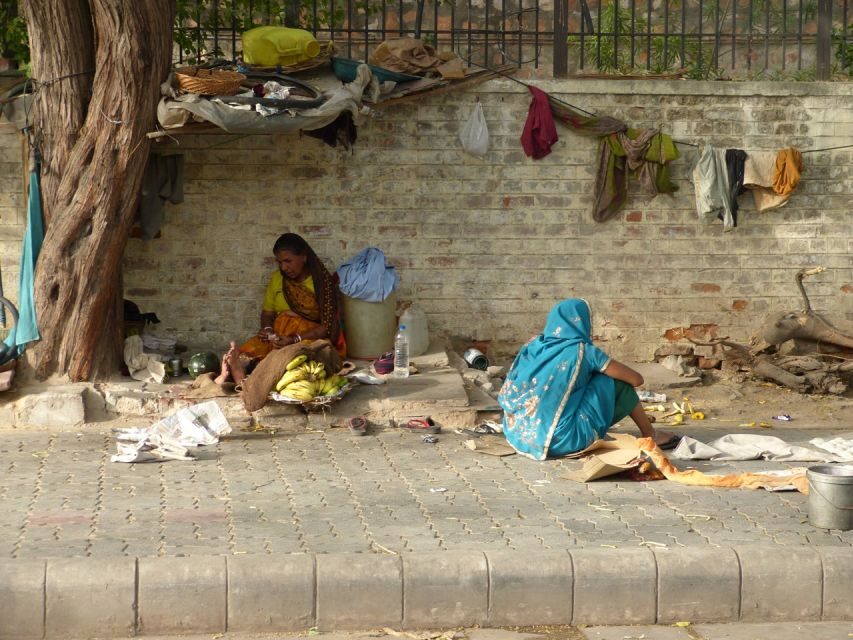
A lot of city tours in Delhi scratch the surface fast. This one doesn’t. The point isn’t to make you feel bad or impressed. It’s to help you understand how people build community systems—work, education, faith, and mutual support—under tough conditions.
Delhi’s largest informal settlement has grown in a place that was originally forest land, and it’s now home to more than 5,000 people. When you walk it with a local guide, you stop seeing a single “slum” as one flat image. You start noticing the small things that shape life: who trades what, how households function, where people gather, and how young people grow into their future.
That context matters because stereotypes spread faster than facts. This tour is designed to help you spot the difference between a label and a neighborhood.
You can also read our reviews of more walking tours in New Delhi



Meeting Your Guides: Neil, Harsh, and the Quiet Art of Being Welcomed
The biggest difference-maker is who you walk with. On this tour, you get an English-speaking story teller and guide, and the delivery style seems to be consistently patient and clear.
One guide named Neil is specifically mentioned for being welcoming and informative, with very clear English. Another guide, Harsh, shows up early, handles logistics smoothly, and helps you feel that the visit is respectful and discreet rather than disruptive. The driver also matters here. Sumit is mentioned as taking photos during the day and sharing them at the end.
That might sound small, but it changes the vibe. If the guide is organized and calm, you relax. Then you can actually pay attention to details like how people talk to each other, how businesses operate, and how education work is organized through local NGOs.
The Half-Day Flow: Pickup, Transfers, and What You Actually See
This is a half-day format with hotel pickup and drop-off in an air-conditioned car. That matters in Delhi because travel time can eat your energy. Here, you spend most of your time on the walk and the conversations, not stuck in traffic wondering what you paid for.
You’ll be taken to the settlement area—often referenced as Kusumpur Village/slum—and you’ll start moving on foot from there. The tour is framed as inclusive, which means you don’t just stand at the edge and watch. You’re encouraged to engage through conversation and listening, and you’ll stop to greet children from the neighbourhood.
Expect that the route will include a mix of:
- spaces where people live
- small business activity where you can see trade in action
- community areas connected to education and local support
- religious sites (a Hindu temple and a mosque)
It’s also worth noting that guides may adjust what they show based on your comfort and needs. One review mentions a guide being extremely patient with MS, even changing the plan away from a more unsafe option.
Entering the Community: Safety, Respect, and the Non-Intrusive Rule
This tour is built around a safe, respectful, non-intrusive concept. In practice, that means you should treat the visit like you’re entering someone’s daily world, not a staged attraction.
Here’s what I recommend you do mentally before you start:
- Keep your curiosity switched on, but keep your presence gentle.
- Assume people will be busy living, not performing.
- Ask before taking photos if you’re unsure, and follow your guide’s lead.
The tour is also specifically described as communicative with locals—so it’s not just silence and watching. You’ll be encouraged to have conversations that help debunk negative stereotypes. The goal is to understand the social structure that exists inside the community, not to treat poverty as a single story.
You’ll likely notice that the community has a lot of “normal” energy. One review mentions surprisingly good sides like brick houses and friendly inhabitants. That doesn’t mean conditions aren’t challenging. It means life is still life—people work, build, and care for each other.
Housing and Micro-Businesses: The Small Economy You Don’t See From the Road
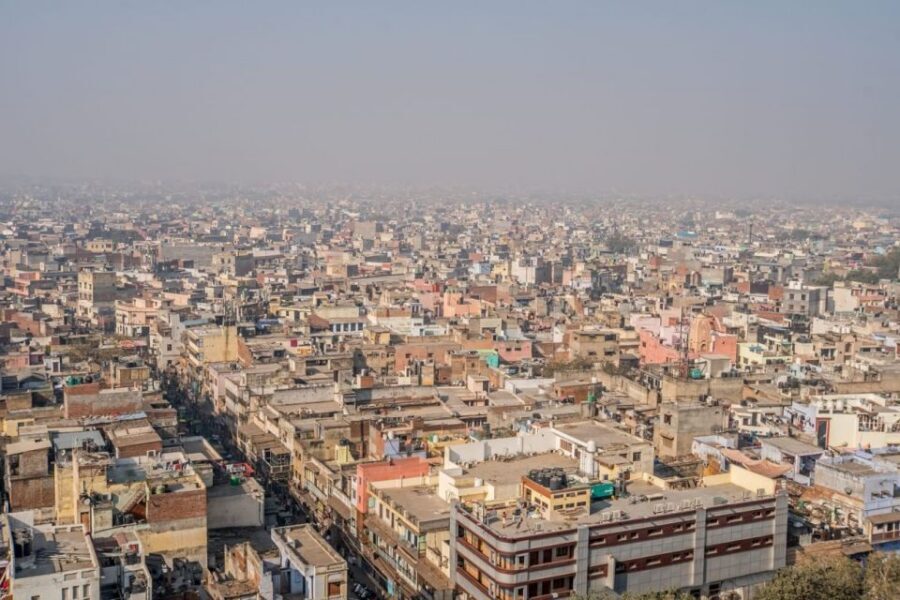
Slum tours can easily turn into a list of hardship points. This one tries to do something better: it shows how daily economic life functions right inside the settlement.
As you walk, pay attention to micro-business activity. The tour highlights how business and everyday work flourish here. That can look like small-scale trade connected to the surrounding city, and it can also show how people solve needs with what’s available.
This is also where the “debunking stereotypes” part becomes real. Instead of reducing the area to one grim image, you’ll see details that complicate the picture:
- brick houses in some spots
- a range of living situations rather than one single model
- residents who feel welcomed and familiar with the respectful flow of visitors
And you’ll hear the story of how the community organizes itself. That’s one of the most valuable parts of this tour for me: it helps you understand that neighborhoods like this aren’t just survival zones. They’re social systems.





Education, Sanitation, and Health: Learning the Hard Parts Without Making It Personal Theater
The tour doesn’t shy away from big topics. Education, sanitation, and health are explicitly part of what you’ll learn about. The tone is described as ethical and educational, which matters, because these subjects can become uncomfortable if handled like a spectacle.
One review mentions interaction with NGO school teachers, and another mentions stopping by an educational connection during the visit. Martine specifically notes interacting with teachers and visiting one of the better houses of the slum, which suggests the guide is balancing realism with respectful context.
When you hear about education in this setting, listen for how people talk about opportunities and constraints. It’s rarely only about schools as buildings. It’s about time, resources, and support structures. When you hear about sanitation and health, look for how residents and community networks handle everyday risk with limited means.
A helpful mindset: try to separate your empathy from your judgement. The tour is built to encourage that.
Religion Inside the Route: A Hindu Temple and a Mosque
One of the most interesting parts of this tour is that it includes religious sites: a Hindu temple and a mosque.
Why does that matter? Because faith is often a major organizing force in communities. In a place where resources may be limited, religious institutions and practices can provide a framework for community gatherings, identity, and daily rhythm.
As you visit, remember that you’re not just collecting photos. You’re seeing how spiritual life and social life share the same space. That makes the settlement feel more like a real neighborhood and less like a headline.
Tea Break and Market Time: Slow Down, Then Keep Listening
The tour includes mineral water, and there’s a tea break if you want it. That’s not a random add-on. It’s a practical tool.
Walking and absorbing new context takes mental effort. A small pause helps you reset your attention. One review mentions delicious chai in a nice market not far away after the main visit. That kind of break gives you space to reflect—and to ask follow-up questions without feeling rushed.
If you’re on the fence about chai, don’t overthink it. This is where you’ll often get the most human conversation with your guide because the pace slows.
Price and Value: What $57 Buys You Here
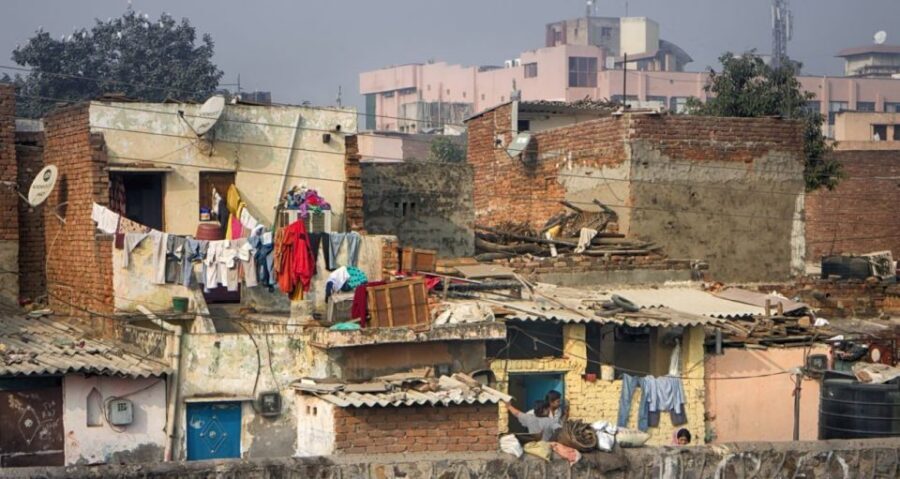
At $57 per person, this isn’t a bargain street deal. But it also isn’t priced like a luxury sightseeing experience. The value comes from what’s packaged in:
- hotel pickup and drop-off
- transfers by air-conditioned car
- an English-speaking story teller and guide
- mineral water and a tea break option
- a guided route designed to be safe and respectful
You’re paying for access plus interpretation. That interpretation is the difference between seeing an informal settlement and understanding how life works there.
You should also consider what you’re likely to pay for a comparable half-day tour elsewhere in Delhi. If you add a dedicated guide, transport, and entry into meaningful stops, the price starts to feel less surprising.
There’s also a practical note: you’re offered a reserve and pay later option, which helps if you’re still juggling your Delhi plan.
Who Should Book This (and Who Might Want Another Tour)
This is best for people who want a grounded look at modern India and who can handle real topics with tact. If you enjoy conversation-based travel—more talk, less checklists—this will fit.
It’s also great if you’re comfortable with the idea that a slum tour should be ethical, not intrusive. The tone is designed that way, and guides are careful about how they manage interactions.
Now the reality check:
- It’s not suitable for pregnant women.
- If you have mobility concerns or medical needs, the walk may still be tricky. One review mentions a guide being patient with MS and adjusting plans for safety, but you should still share your needs in advance.
One more nuance: if it’s your very first time in India and you’re expecting a softer intro, you might find the day intense. One review notes it might be less suitable for first-time travellers. That doesn’t mean it’s wrong. It means your expectations matter.
Should You Book This Half-Day Slum Walking Tour in Delhi?
I’d book it if you want more than monuments and photos. This tour aims to show you education, sanitation, health realities, and community business life in a way that encourages conversation and reduces stereotypes. You’ll also get those meaningful religious stops—a Hindu temple and a mosque—plus a tea break that keeps the day human, not frantic.
Skip it if you can’t do uneven walking, if you’re pregnant, or if you’d rather stick to mainstream sights. And do go in with the right mindset: be respectful, keep questions thoughtful, and let your guide set the pace.
If that sounds like you, this is a strong choice—and a real eye-opener for understanding Delhi as a whole city, not just a postcard version.
FAQ
How long is the Half Day Slum Walking Tour Delhi?
It’s a half-day tour.
What’s included in the tour price?
You get an English-speaking story teller and guide, mineral water with a tea break if desired, hotel pickup and drop-off, and transfers/sightseeing by an air-conditioned car.
Do I need to bring an ID?
Yes. You should bring a passport or an ID card.
Is alcohol allowed on the tour?
No. Alcohol is not allowed.
Is the tour in English?
Yes. The tour language is English.
Is the tour suitable for pregnant women?
No. It is not suitable for pregnant women.
Can I cancel for a refund?
Yes. You can cancel up to 24 hours in advance for a full refund.