REVIEW · NEW DELHI
Golden triangle with Udaipur
Book on Viator →Operated by Ghum India Ghum · Bookable on Viator
Eight days, three cities, and one big wow.
This private Golden Triangle with Udaipur itinerary strings together Delhi, Agra, Jaipur, and Udaipur without the stress of constant planning. I like that you get a driver + English-speaking guides across all four cities, so you’re not just collecting photos—you’re getting the story behind places like Qutub Minar and the Taj Mahal. The main thing to consider: entry fees to monuments and palaces are not included, so your final spend won’t be only the tour price.
What I also like is the mix of big-ticket sights and hands-on street time: Old Delhi includes a rickshaw ride and stops like Jama Masjid and Chandni Chowk, while Udaipur gives you a Lake Pichola sunset boat cruise. And the pace is designed to be comfortable because the package relies on a private, air-conditioned car for the long connections between cities. One more practical drawback to keep in mind: the Taj Mahal sunrise plan is subject to weather, and the driving days can feel like full days, not quick hops.
In the feedback that stands out, punctual comfort shows up again and again, plus the driver role matters here. You’ll often see praise for Chiku for being helpful and courteous, and for guides Joshi (Agra) and Singh (Jaipur) for doing a good job explaining what you’re seeing. In other words, this isn’t just a route on paper—you’re traveling with people who care about timing and clarity.
In This Review
- Key points worth knowing before you go
- The big picture: why this route makes sense
- Day 1 in Delhi: your arrival day, handled
- Old Delhi + New Delhi: rickshaws, forts, minarets, and power buildings
- Agra: fort views first, then the Taj-area atmosphere
- Sunrise Taj Mahal: yes, it’s worth it (and yes, weather rules)
- Jaipur’s Pink City: Amer Fort, palaces, and the science of Jantar Mantar
- The Pushkar detour en route to Udaipur
- Udaipur: City Palace on the lake, then a sunset cruise
- Day 8: your departure without stress
- Price and value: what $750.34 per person really buys
- Comfort, guides, and the human factor that makes it work
- Logistics you should plan for: time, weather, and what to wear
- Who should book this Golden Triangle with Udaipur?
- Should you book it?
- FAQ
- Are monument entry fees included?
- Is the Taj Mahal sunrise visit guaranteed?
- What parts of the tour include guides?
- What’s included with the trip besides hotels?
- Are there rickshaw and boat rides?
- Do I need a passport?
- Is this a private tour, and is there a minimum group size?
Key points worth knowing before you go
- Private car, door-to-door transfers from Delhi airport to each hotel (and onward to your next city).
- Sunrise Taj Mahal attempt is included, but it depends on weather conditions.
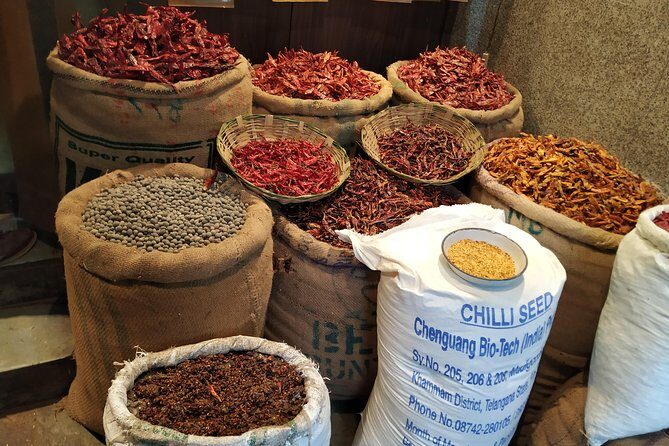
- Old Delhi with rickshaw + spice market time means you’ll feel the city, not just stand in lines.
- Udaipur by foot and by boat with a sunset cruise on Lake Pichola.
- Guides are included in Delhi, Agra, Jaipur, and Udaipur, with professional English-speaking support.
- Breakfast every morning (and dinner is listed as included) so you spend less mental energy on meal hunting.
The big picture: why this route makes sense
The Golden Triangle (Delhi–Jaipur–Agra) is the classic first-timer circuit for a reason. You get India’s scale and contradictions in one trip: imperial Mughal monuments, busy markets, royal architecture, and then the calmer, water-and-hills mood of Rajasthan’s Udaipur. Adding Udaipur is smart because it breaks the hard-edged cities with something slower and more scenic.
Doing it by private car also changes how the trip feels. You’re not stuck with fixed bus stops or waiting around for other people to finish buying sunscreen. The schedule is built around guided blocks in each place, then you return to your hotel to reset.
This format is especially good if you like structure but still want flexibility day-by-day. Your group is private, so you can move at a pace that fits your energy—within the timing that sightseeing requires.
You can also read our reviews of more tours and experiences in New Delhi.



Day 1 in Delhi: your arrival day, handled
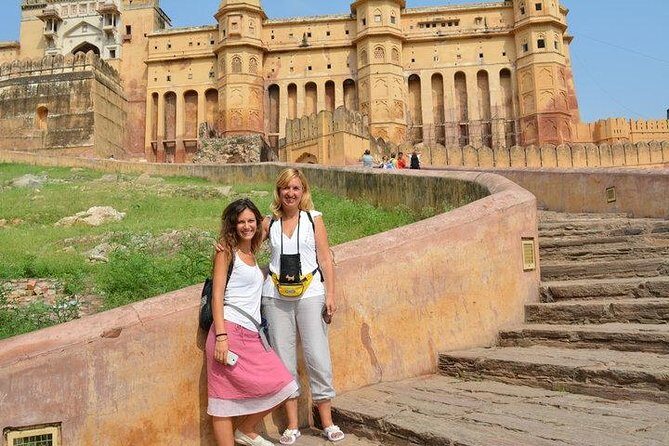
On arrival at Indira Gandhi International Airport, you meet a representative outside exit gate #5. From there, you transfer to your pre-booked Delhi hotel. The whole goal of day one is simple: get you settled without turning your first day into an exhausting search mission.
Practical note: this tour uses a mobile ticket, and the meeting point is the airport. If you’re the type who hates surprises after a long flight, this kind of meet-and-greet matters.
Old Delhi + New Delhi: rickshaws, forts, minarets, and power buildings
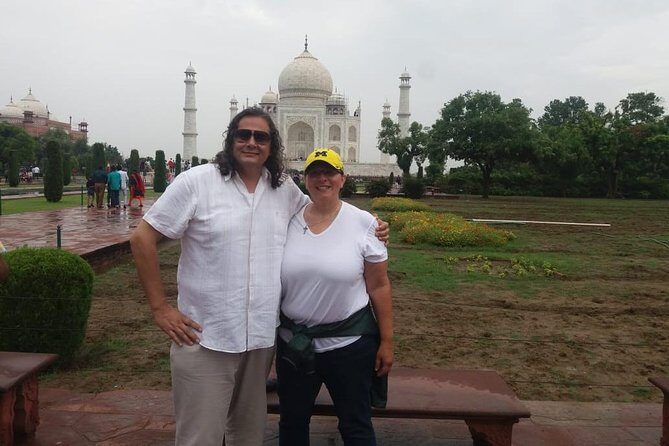
Day two is where Delhi earns its reputation. You start with Old Delhi, with stops that mix Mughal-era landmarks and street-level life. Expect major sights like Raj Ghat, Red Fort, and Jama Masjid, plus time for Chandni Chowk and the spice market. The included rickshaw rides are a good way to get close to the lanes without trying to drive your own scooter through them.
Then you shift to New Delhi, where the monuments feel more planned and monumental. You’ll visit Qutub Minar, India Gate, Rashtrapati Bhawan, and the Lakshmi Narayan Temple and Lotus Temple. This mix is useful because Delhi isn’t one style. It’s layers—different eras, different architectural moods, different ways of worship and governance.
A good way to enjoy this day is to treat it like two different worlds. Old Delhi is your sensory workout. New Delhi is your architectural reset. If you do it that way, you won’t feel like you’re just ticking boxes.
Agra: fort views first, then the Taj-area atmosphere
The drive to Agra comes after breakfast. On arrival, you meet and greet your guide and get checked into your hotel. Later, you visit Agra Fort, a UNESCO-listed monument tied to the Mughal story.
Then comes Mehtab Bagh, which is known for its view angle toward the Taj Mahal across the Yamuna River. Even if you haven’t seen the Taj yet, this stop helps you understand where the camera angles come from. It also makes sunrise day feel more meaningful, because you’ve already mapped the geography.
This is also a good day to start thinking about comfort. Agra sightseeing can involve open areas and sun exposure, so keep water in reach—especially since the tour includes a packed water bottle daily.
Sunrise Taj Mahal: yes, it’s worth it (and yes, weather rules)
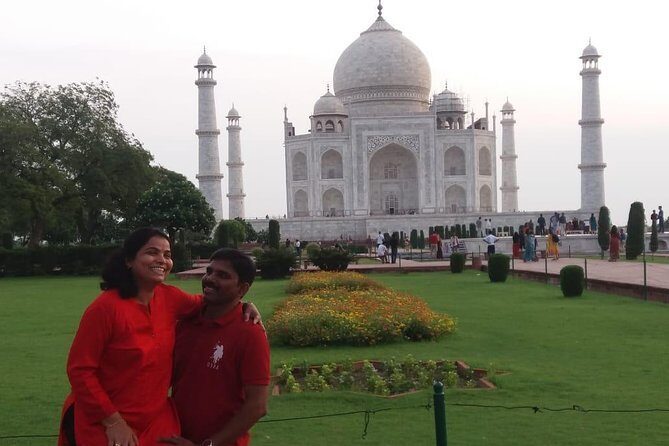
Day four is your early-morning spotlight: the Taj Mahal visit is set for sunrise, and it’s included as long as conditions allow. The Taj Mahal is the emblem of Shah Jahan’s vision of eternal love, built in 1653 in white marble, and it’s a UNESCO World Heritage Site.
Will you love it more if you’re up early? Usually. The sunrise plan isn’t magic because of a movie script. It’s magic because of light. Soft morning color changes how the marble reads, and the crowd energy tends to be different than later in the day.
The honest catch: it says sunrise is subject to weather. That’s not the tour being dramatic—it’s reality. If it’s foggy or rainy, the timing can shift. If you’re flexible and treat it as a priority to show up ready, you’ll do fine.
After Taj Mahal, you return for breakfast and then drive to Jaipur, checking into your hotel for rest.

Jaipur’s Pink City: Amer Fort, palaces, and the science of Jantar Mantar
Jaipur day is built around the sights people talk about for good reason. After breakfast, you head to Amer Fort, the main highlight for many visitors. It’s a huge focus point because it connects royal power, architecture, and the geography of the region.
You also visit Jal Mahal, which sits in the middle of a lake—one of those scenes that looks almost staged until you’re actually there. City Palace follows, where you see both the royal design and the official residence story of the Jaipur royal family. Then it’s Jantar Mantar, a UNESCO World Heritage Site with large astronomical instruments. This stop is a good change of pace if you’re starting to feel like everything is just marble and gates.
You’ll also see Hawa Mahal, the famous facade that’s basically a honeycomb of windows, plus Marigold Market if time permits. If you’re hoping for souvenirs, fabrics, or local snacks, this is where that energy can pay off.
Evening is mostly free in Jaipur, which is useful. You can decompress, try a meal at your own pace, or just walk around and digest what you’ve seen.
The Pushkar detour en route to Udaipur
Day six shifts the vibe. You drive to Udaipur, with a stop on the way in Pushkar. This is a holy town, and it’s not a quick roadside photo. The tour includes visits to the Brahma Temple, Pushkar Lake, and also Man Mahal and Savitri Temple.
Why this stop matters: it breaks up the long travel time with something culturally different from the fort-and-palace circuit. It also gives you a smaller-scale Rajasthan feel before you reach Udaipur’s lake setting.
When you arrive in Udaipur, you transfer to your hotel and you’re done. No extra big activity is listed for that evening. That’s not a disappointment; it’s what lets you enjoy Udaipur rather than crash through it.
Udaipur: City Palace on the lake, then a sunset cruise
Udaipur sightseeing is split into classic landmarks and a signature water experience. You start with City Palace, built by Maharana Udai Singh on the bank of Lake Pichola. Then it’s Jagdish Temple and Sahelion-ki-Bari, a garden area that’s a nice visual pause after palace architecture.
The evening is the payoff. You enjoy a sunset boat cruise on Lake Pichola. This is one of those experiences that changes how you see Udaipur. From land, you admire the palaces and temples. From the water, you get the spacing—how the city sits around the waterline and how the light moves across buildings.
If you like photography, this is where you slow down. If you don’t, it’s still worth it because the cruise gives you a real sense of place that walking tours can’t replicate.
Day 8: your departure without stress
After breakfast, you pack and head to the airport or your next transport point on time. The tour notes that you’ll go to the Udaipur or Jaipur/Delhi airport or railway station depending on your plan, so you’re not stuck guessing logistics at the end.
A small but smart habit: keep a little buffer for traffic. Even with organized timing, India travel can have surprises, and a few extra minutes makes the departure feel calmer.
Price and value: what $750.34 per person really buys
At about $750.34 per person, this package can feel like good value when you look at what’s bundled. You’re getting 7 nights accommodation (single/double/twin sharing based on your booking request) and breakfast every morning. You’re also getting private, air-conditioned car transport for the full route, plus airport pickup and drop.
The big value piece is the guide coverage across Delhi, Agra, Jaipur, and Udaipur. Having professional English-speaking guides included reduces the common pain of independent travel: you arrive at a site and only half understand what you’re looking at.
There’s also practical inclusions that add up: a boat ride in Udaipur, rickshaw time in Old Delhi, and daily packed water bottles. Hotel taxes, parking, tolls, and driver allowance are covered too, so there aren’t many surprise line items during the days themselves.
What’s not included is just as important: entry fees to monuments and palaces are extra. So if you’re budgeting tightly, plan for those tickets. Also, any tips, porterage, and personal expenses aren’t included.
Comfort, guides, and the human factor that makes it work
This tour’s reputation isn’t only about the sights. It’s about the day-to-day travel experience. The feedback that shines includes praise for punctuality and comfort, and specific mentions of people: Chiku as a helpful, courteous driver, plus guide Joshi in Agra and Singh in Jaipur doing an excellent job explaining what you’re seeing.
That matters because the Golden Triangle can be overwhelming. When timing is right, you avoid the worst crowds, you don’t feel rushed through major stops, and you actually remember the details. When timing is off, you spend the trip tired and just trying to survive the next transfer.
If you care about having someone smooth the logistics, this package is built for you.
Logistics you should plan for: time, weather, and what to wear
This is a car-based route, so expect long travel stretches between cities. It’s not a problem if you pack for comfort—think water, a hat/sunglasses for sun, and something light for layering in the evenings.
The most important weather-related element is sunrise at the Taj Mahal. The tour makes it clear the timing depends on conditions. If you treat sunrise as a best-effort plan and not a guaranteed sunrise photo, you’ll stay calm.
Dress code is smart casual. That’s easy to follow. For temples, you might still want to dress modestly, but the tour doesn’t list strict clothing rules beyond the overall smart casual guidance.
Vegetarian meals are something you can request, since a vegetarian option is available if you advise at booking.
Who should book this Golden Triangle with Udaipur?
Book this if you want:
- A private, guided route across Delhi, Agra, Jaipur, and Udaipur without doing the research grind.
- Big highlights handled for you: Old Delhi street sights, sunrise Taj Mahal (weather permitting), Amer Fort, and a Lake Pichola sunset cruise.
- Comfortable transport with a driver and an itinerary that still gives a little breathing room, like Jaipur’s free evening.
Consider other options if:
- You dislike early starts and want later Taj timing no matter what.
- You want total freedom each day with no scheduled sightseeing blocks.
- You want entry fees fully included. Here, tickets are extra.
Should you book it?
If your ideal first trip to Northern India includes the Golden Triangle plus Udaipur, and you’d rather spend your energy enjoying places than organizing them, I think this is a strong choice. The value comes from the combination of private transport, included professional guides, breakfast, and key experiences like rickshaw time and a Udaipur boat cruise.
My only advice before you commit is to budget for monument entry fees and go in mentally ready for long travel days. Do that, and you’re set up for a trip that feels guided, comfortable, and genuinely worth the early alarm clock.
FAQ
Are monument entry fees included?
No. Entry fees to monuments and palaces are listed as not included, so you should plan for those additional tickets during the sightseeing days.
Is the Taj Mahal sunrise visit guaranteed?
It’s planned for sunrise, but it is subject to weather conditions, so you should treat it as a best-effort sunrise experience.
What parts of the tour include guides?
Professional English-speaking tour guides are included for day sightseeing in Delhi, Agra, Jaipur, and Udaipur.
What’s included with the trip besides hotels?
Breakfast is included daily, and a dinner is listed as included. You also get airport pickup and drop, private air-conditioned car transport, a Udaipur boat ride, and a daily packed water bottle per person.
Are there rickshaw and boat rides?
Yes. Old Delhi includes rickshaw rides, and Udaipur includes one boat ride (a sunset cruise on Lake Pichola).
Do I need a passport?
Yes. A current valid passport is required on the day of travel.
Is this a private tour, and is there a minimum group size?
It’s a private tour/activity, and only your group participates. The booking requires a minimum of 02 people per booking.