REVIEW · NEW DELHI
Golden Triangle Tour With Ranthambore Tiger Safari
Book on Viator →Operated by 707 TOURS · Bookable on Viator
Golden Triangle tours can blur together fast, but this one keeps moving for the right reasons. You’ll stitch together Delhi, Agra, and Jaipur with two jeep safaris at Ranthambore National Park, all handled with a private chauffeured car and local English-speaking guides.
What I really like is the time-saving setup: the driver moves you between cities while you focus on the sights, especially on the Delhi and Agra days. I also like the safari structure—morning and evening drives with time to rest between them. The only real drawback to consider is that monument entry fees are not included, so you’ll still want spending money ready for tickets at major sites.
In This Review
- Key Highlights That Make This Tour Work
- How Delhi–Agra–Jaipur Plus Ranthambore Fits in 7 Days
- Day 1 in Delhi: A Real Arrival Buffer After Pickup
- Day 2 in Delhi: Humayun’s Tomb, Qutb Minar, Jama Masjid, and the Big Government Landmarks
- The Agra Transition: Taj Mahal Day Plus Agra Fort, Then Off to Ranthambore
- Ranthambore National Park: Two Jeep Safaris That Are the Main Event
- Day 5 Jaipur Arrival: The City Switch Feels Smooth
- Day 6 Jaipur Highlights: Amber, Hawa Mahal, Jal Mahal, City Palace, and Jantar Mantar
- What’s Included vs. What You’ll Pay: The Real Value Math
- Guides and Driver Team: Why the Trip Feels Effortless
- Practical Tips for You on the Delhi, Taj, and Safari Days
- Should You Book This Golden Triangle With Ranthambore Tour?
- FAQ
- How long is the Golden Triangle and Ranthambore tour?
- Where does the tour start and end?
- Is pickup included?
- Is this a private tour?
- What transportation do you use?
- Are hotel and meals included?
- Are entrance fees for monuments included?
- How many jeep safaris are included at Ranthambore?
- What kind of guidance do I get in the cities?
- Can I cancel for a refund?
Key Highlights That Make This Tour Work
- Private car, door-to-door transfers so you don’t lose hours figuring out routes and meeting points
- English-speaking guides for Delhi, Agra, and Jaipur to connect the dots on what you’re seeing
- Two Ranthambore jeep safaris with a morning-to-afternoon rhythm and an evening return
- 4-star double-share hotels plus breakfast most mornings and select dinners
- A full Golden Triangle route that avoids the common problem of seeing only one city well
How Delhi–Agra–Jaipur Plus Ranthambore Fits in 7 Days
This itinerary is built for people who want big sights and wildlife without turning the whole trip into nonstop stress. You start with Delhi monuments, move to Agra for the Taj Mahal and Agra Fort, then head to Ranthambore for tiger country, and finish in Jaipur with the icons of Rajasthan.
The payoff is practical: traveling in a single private loop means you’re not constantly re-planning or changing logistics. Your days are packed, but they’re paced with car time and scheduled stops, not random “free time” gaps that waste daylight.
If you like a plan with enough structure to reduce friction—and you still enjoy walking through places at your own speed—this format usually lands well.
A few more New Delhi tours and experiences worth a look



Day 1 in Delhi: A Real Arrival Buffer After Pickup
Day 1 is intentionally light. You get pickup on arrival and a transfer to your hotel, then you’re basically left to rest. That small choice matters in Delhi, where traffic can chew up energy even before sightseeing begins.
I like this kind of arrival buffer because it helps you avoid the classic mistake: arriving exhausted, then trying to cram temples and tombs on day one. Here, you get time to reset, check your schedule, and be ready for the full Delhi sightseeing day the next morning.
No major paid tickets are highlighted for this day, so the main focus is simply getting comfortable in your base in Delhi before the route kicks into gear.
Day 2 in Delhi: Humayun’s Tomb, Qutb Minar, Jama Masjid, and the Big Government Landmarks
Delhi day is a concentrated hit of Mughal and early modern landmarks, and the car routing helps you cover it without sprinting across town.
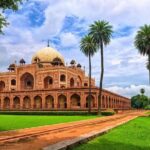
You’ll start with Humayun’s Tomb, a Mughal royal tomb commissioned in 1569–70 by Empress Bega Begum, with Persian architects credited in the design. Then you’ll move to Qutb Minar in the UNESCO-listed Qutb complex—an easy-to-notice highlight because it’s a tall, five-storey minaret structure rising to 73 meters.
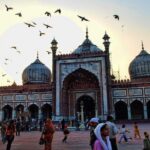
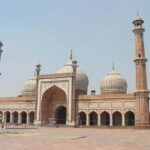
From there, you shift to Jama Masjid, one of Delhi’s largest mosques, built between 1650 and 1656 by Shah Jahan. After that come several “architecture and atmosphere” stops: India Gate, plus the areas where Parliament House and Rashtrapati Bhavan sit. You may also pass iconic government buildings from the car on the way between sites, which is handy when you want the look and context without turning it into another museum-style visit.
A practical note: the big monuments here list admission tickets as not included, so plan for ticket costs. Even if you don’t love paperwork, having money set aside prevents the mid-day scramble.
The Agra Transition: Taj Mahal Day Plus Agra Fort, Then Off to Ranthambore
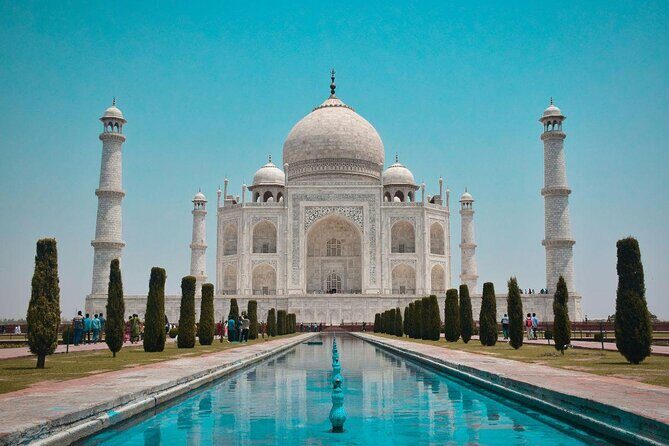
On Day 3, Agra becomes the “wow” center. You head to the Taj Mahal, where the tour timing gives you enough time to take in the marble mausoleum and its setting on the Yamuna river bank. It was commissioned in 1632 by Shah Jahan for Mumtaz Mahal, and the complex also holds Shah Jahan’s tomb.
Then you move to Agra Fort, tied to Mughal rule and described as a main residence for emperors until the capital shifted to Delhi. The fort is a different kind of experience than the Taj: more layered, more fortress energy, and often a place where your guide’s explanation makes the stones feel like a story instead of background.
After Agra sightseeing, you drive to Ranthambore and check into your hotel. This is a smart way to handle the logistics because you don’t leave the wildlife part for later. You arrive ready for the next day’s safari.
Ranthambore National Park: Two Jeep Safaris That Are the Main Event
This is the reason most people book. Ranthambore National Park isn’t just a checkbox; it’s the wildlife payoff for pairing it with the Golden Triangle.
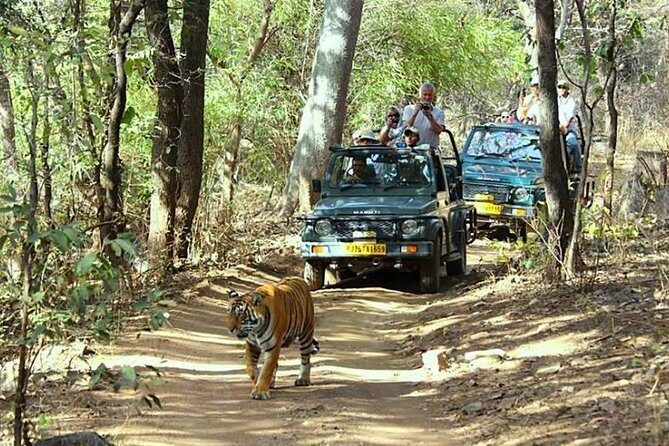
Day 4 is your safari rhythm. You go out on a jeep safari in the morning, then return for breakfast and lunch at the hotel. Later, you head out again in the evening for a second round in the jungle.
Two drives matter because sightings don’t always happen on schedule. You can’t force a tiger to appear, but two safari windows give you more chances and more time for the landscape to reveal itself. Also, the built-in break between morning and evening keeps the day from turning into a grind. Instead of being stuck in the vehicle all day with no recovery, you get meals and downtime.
Bring the mindset that this day is about patience and reading the environment—hearing birds, watching movement, and understanding how people behave on safari when wildlife might be nearby.



Day 5 Jaipur Arrival: The City Switch Feels Smooth
After Ranthambore, you drive to Jaipur and check in. This is one of the nice parts of the route: you don’t come off a safari day and then immediately start climbing forts. You get a real reset, then the next day is when Jaipur goes full sightseeing mode.
If you’re thinking about energy levels, Day 5 is a good buffer between wildlife and big monuments. Jaipur sites can involve walking and standing in sun, so having a day to get settled makes Day 6 much more enjoyable.
Day 6 Jaipur Highlights: Amber, Hawa Mahal, Jal Mahal, City Palace, and Jantar Mantar
Jaipur day is stacked with the Rajasthan icons people actually travel for.
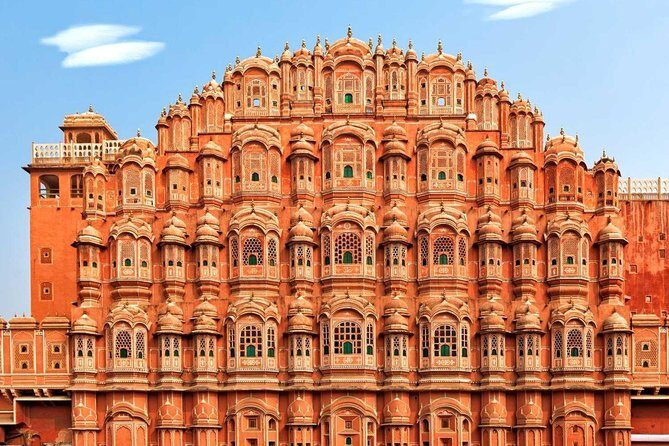
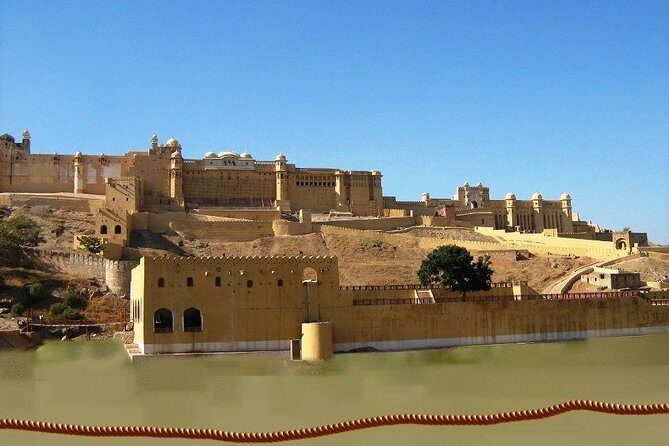
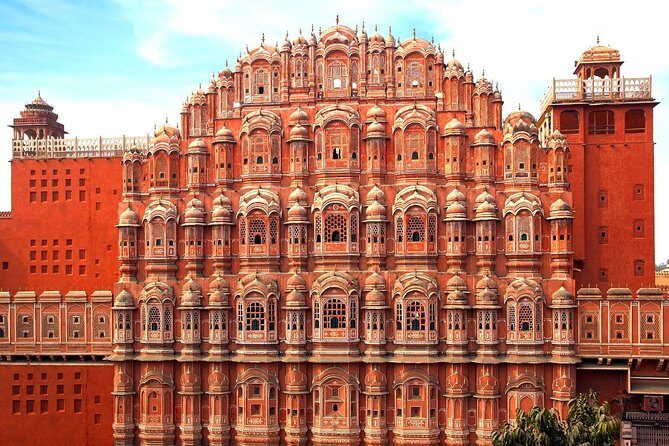
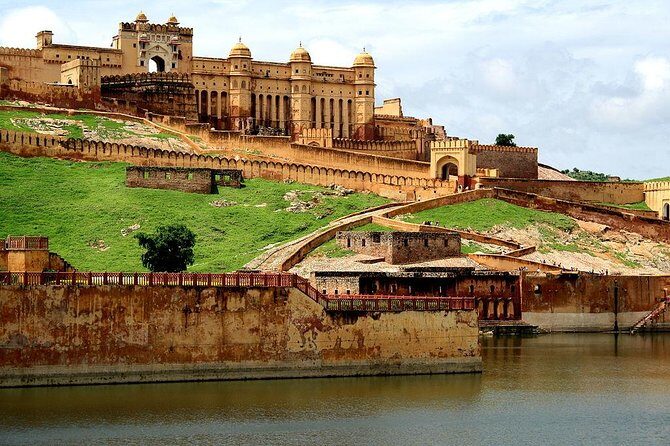
You’ll start at Amber (Amer Fort), located in Amer about 11 kilometers from Jaipur. It’s on a hill, and the fort setting tends to feel grand even before you fully enter. Next comes Hawa Mahal (Palace of Wind), built in 1799 and famous for its red and pink sandstone facade. The design relates to the women’s chambers, so your guide’s explanation helps you understand why the facade looks the way it does instead of treating it as a photo backdrop.
Then you’ll see Jal Mahal, a palace in the middle of Man Sagar Lake. Even if you don’t spend much time there, it’s a neat visual stop because it changes the “fort” vibe into something more reflective and scenic.
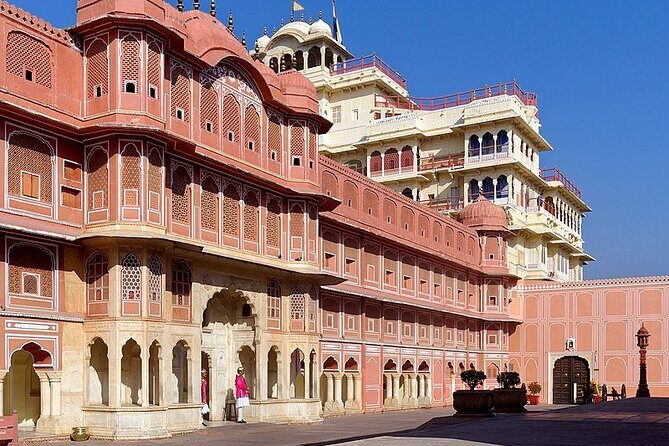
After that, the tour visits the City Palace of Jaipur, established when Maharaja Sawai Jai Singh II moved his court to Jaipur. The complex connects royal power to the layout of the city, so it’s a great place to understand how the palace sat at the heart of Jaipur life.
Finally, there’s Jantar Mantar, known for architectural astronomy instruments built by Maharaja Jai Singh II from 1723 onward. It’s not just a collection of old objects; it’s a reminder that Jaipur wasn’t only about palaces—it was also about measurement and timekeeping.
As with other major stops, monument entry fees are listed as not included, so budget accordingly.
What’s Included vs. What You’ll Pay: The Real Value Math
At $760 per person for about 7 days, the best way to judge this tour is to look at what’s bundled.
Included:
- An air-conditioned vehicle for transfers and sightseeing days
- Morning and evening jeep safari at Ranthambore
- 4-star accommodation on double sharing, with breakfast
- English-speaking guides for Delhi, Agra, and Jaipur
- Six breakfasts and two dinners
- Transfers that handle the door-to-door movement across cities
Not included:
- Monument fees (Taj Mahal, forts, mosques, and the Jaipur sites you’ll visit all fall under this category)
Here’s why it feels like value: two long-distance city legs plus wildlife safaris are usually what blow up costs when booked separately. You also get guided context for major sites, and the private car reduces the time sink that often comes with group logistics.
If you’re the type who hates hunting down ticket counters and coordinating ride shares in unfamiliar areas, this package becomes even more worthwhile.
Guides and Driver Team: Why the Trip Feels Effortless
This tour leans heavily on people. And when the right guide is assigned, the difference shows quickly—especially at the Taj Mahal and Agra Fort days.
One name that comes up often is Vipin. His style, based on past experiences shared with the operator, is practical: pick-up on time, clear explanations of what you’re seeing at the Taj Mahal, and good photo help. Another strong Agra-focused guide mentioned is Lucky, described as polite, attentive, and with strong English for understanding both the place and the story behind it.
For Jaipur and broader Golden Triangle context, guides like DS are described as using clear, short explanations that still answer questions. Other guides and drivers referenced include Deepak (especially for Taj Mahal history explanations and photo help), Manik (driver support and advice), Rajesh (smooth car handling and organization), Dilawaler Singh (protective, helpful driving), and Pooran Singh Ji (memorable, well-supported touring).
You can’t pick the exact person in advance from the info given, but the pattern is consistent: the tour’s quality often hinges on whether your guide can explain quickly and keep you moving without rushing your photos.
Practical Tips for You on the Delhi, Taj, and Safari Days
These aren’t listed as tour rules, but they’re smart travel tactics for this exact route.
- Plan for tickets on monument days. Since monument fees aren’t included, set aside funds for the big sites like the Taj Mahal, Agra Fort, Amber, and the major Delhi mosques and complexes.
- Wear layers on safari days. Early morning and evening in tiger country can feel different from midday.
- Keep your essentials easy to grab. Safari outings are time-focused, so you’ll appreciate having sunglasses, water, and a light layer ready without rummaging.
- Bring a camera-friendly mindset. Guides like Vipin and Deepak are described as helping with photos, so if photography matters to you, tell your guide you want a few specific shots and timing.
Should You Book This Golden Triangle With Ranthambore Tour?
I’d book it if you want three things at once: major India icons, guided storytelling, and a serious attempt at tiger spotting—without turning your days into a transportation puzzle.
It’s also a good match if you value structure. Delhi and Jaipur can be overwhelming solo, and the private car setup helps you keep your focus on the sites rather than the logistics. The safari schedule with two jeep drives gives you more than one shot at wildlife.
Skip it (or at least re-check your expectations) if you hate paying monument fees on top of the package price, or if you’re hoping for a flexible itinerary day-by-day. This trip runs on a defined loop, and it’s designed for efficiency.
FAQ
How long is the Golden Triangle and Ranthambore tour?
It’s about 7 days, with the itinerary organized as a 6-night experience.
Where does the tour start and end?
You start in New Delhi with pickup on arrival, and you end with a drive back to Delhi for transfer to the airport.
Is pickup included?
Yes, pickup on your arrival is included.
Is this a private tour?
Yes. It’s a private tour/activity, so only your group participates.
What transportation do you use?
You travel in an air-conditioned vehicle with door-to-door transfers between cities and sightseeing stops.
Are hotel and meals included?
Yes. You get 4-star accommodation on double sharing with breakfast, plus six breakfasts total and two dinners.
Are entrance fees for monuments included?
No. Monument fees are not included.
How many jeep safaris are included at Ranthambore?
There are two jeep safaris: one in the morning and one in the evening.
What kind of guidance do I get in the cities?
You’ll have English-speaking guides for Delhi, Agra, and Jaipur.
Can I cancel for a refund?
Yes, free cancellation is available if you cancel at least 24 hours in advance for a full refund.