REVIEW · NEW DELHI
Golden Triangle Private Luxury Tours India 4N/5Days
Book on Viator →Operated by India Travel Bear · Bookable on Viator
Delhi traffic can be brutal, so this tour cuts straight through the fatigue. You’ll do Golden Triangle highlights in five days, in a private air-conditioned vehicle, with a hotel stay in Jaipur and a guide who helps you understand what you’re seeing.
I especially like the combo of UNESCO stops plus smart pacing. On top of that, guides such as Danesh and Ajmal are repeatedly credited with explaining key details and planning great photo angles, including early Taj Mahal timing.
The main thing to weigh is that entrance fees usually aren’t included, and this route is busy—so it’s more “see a lot” than “linger slowly” in each place.
In This Review
- Key takeaways before you go
- Golden Triangle, but with fewer headaches: how private logistics change the feel
- Day 1 in Delhi: Qutub Minar, Humayun’s Tomb, and Old Delhi’s major fort-and-mosque pair
- Qutub Minar: the early power landmark
- India Gate and the formal New Delhi stops
- Humayun’s Tomb: Mughal geometry in red sandstone and white marble
- Chandni Chowk and the Old Delhi walk-through
- Red Fort and Jama Masjid: finish with two heavy hitters
- Day 2 in Agra: Taj Mahal early timing, Agra Fort, and Mehtab Bagh at sunset
- Taj Mahal: the guide’s role is the difference between seeing and understanding
- Agra Fort: the Taj’s older, tougher sibling
- Mehtab Bagh: sunset is the point
- Day 3: Fatehpur Sikri and Abhaneri stepwell, then Jaipur check-in around 7 PM
- Fatehpur Sikri: a capital that didn’t last
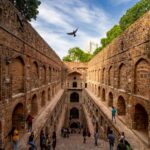
- Abhaneri and Chand Baori: 3,500 steps of geometry
- Arrive Jaipur around 7 PM
- Jaipur Day 4: Amber Fort, Jal Mahal, City Palace, Hawa Mahal, and Albert Hall
- Amber Fort: Hindu-Mughal styling and lots of palace detail
- Jal Mahal: the palace in the lake
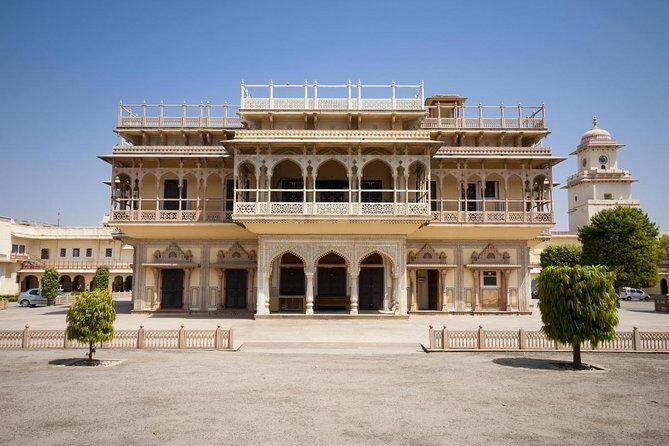
- City Palace: courtyards and palace blocks
- Hawa Mahal: the Wind Palace facade
- Patrika Gate and Albert Hall Museum: color plus culture
- Price and value: what $500 covers, and what it doesn’t
- The guide factor: what Danesh, Ajmal, and Tariq add to your visit
- Practical notes so your Golden Triangle days feel manageable
- Should you book Golden Triangle Private Luxury Tours India (4N/5Days)?
- FAQ
- What does the tour include for meals and hotel?
- Are monument entrance fees included?
- Is pickup and drop-off from Delhi included?
- Is this tour private or shared with strangers?
- Is transportation air-conditioned?
- Do you provide bottled water?
- Do I need a passport for this trip?
- Can I cancel for a full refund?
Key takeaways before you go
- Private transport between Delhi, Agra, and Jaipur saves serious time versus public transit
- Hotel in Jaipur plus breakfast removes one big planning headache
- Photo-focused Taj Mahal timing is a standout strength (early arrivals and best viewpoints)
- A guide who connects architecture to the story helps the monuments click
- Budget for monument entry fees and be ready for quick shop stops near sights
Golden Triangle, but with fewer headaches: how private logistics change the feel
This is the classic Delhi–Agra–Jaipur loop, but what makes it feel smoother is the door-to-door transport structure. You’re not trying to coordinate buses, trains, and taxis while you’re also learning routes and ticket rules. Instead, you’re in an air-conditioned vehicle, moving directly between major sites.
That matters on a Golden Triangle trip because the “time sink” isn’t just driving. It’s waiting, switching, and losing half a day to logistics. With a private setup, you keep your energy for the places you actually came for—UNESCO World Heritage sights like the Taj Mahal and Qutub Minar.
One more practical win: you get bottled water during the journeys. It sounds small, but on long travel days it helps you stay functional between stops.
You can also read our reviews of more private tours in New Delhi


Day 1 in Delhi: Qutub Minar, Humayun’s Tomb, and Old Delhi’s major fort-and-mosque pair
Day 1 stacks Delhi’s top UNESCO and Mughal-era landmarks, plus a walk through Old Delhi’s market core. Your route includes stops at Qutub Minar, Humayun’s Tomb, Red Fort, and Jama Masjid—plus major government-architecture photo points.
Qutub Minar: the early power landmark
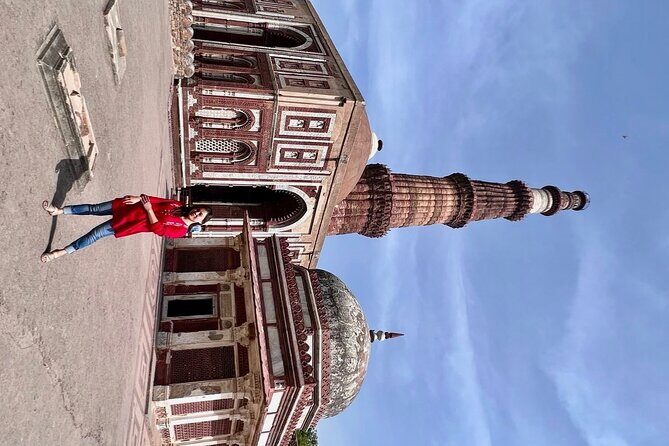
Qutub Minar is one of those sites that looks instantly impressive, even before you understand it. It’s a UNESCO World Heritage monument and among the tallest brick minarets in the world, tied to early Indo-Islamic architecture commissioned in the early 13th century.
Practical note: the admission ticket isn’t included for this stop. Plan to pay separately, and give yourself enough time for a careful look at the tower’s shape and detailing.
India Gate and the formal New Delhi stops
India Gate is a free stop and works well as a break from the concentrated monument circuit. It’s a war memorial with names of soldiers inscribed—simple, direct, and easy to absorb in 30 minutes.
Then you’ll have exterior-style architecture stops around Parliament House and Rashtrapati Bhavan. These are British-era designs by Sir Edwin Lutyens and Sir Herbert Baker, mixed with Indian-style elements. The Mughal Gardens inside Rashtrapati Bhavan can be open to the public at certain times of the year, so if your dates match, that’s a nice bonus green break.
Humayun’s Tomb: Mughal geometry in red sandstone and white marble
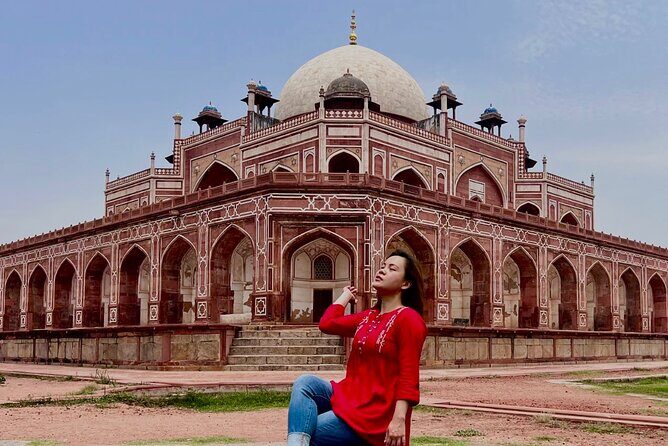
Humayun’s Tomb is another UNESCO World Heritage site and one of the earlier Mughal masterpieces. Expect a massive central dome, red sandstone base with white marble details, and a garden layout that makes the whole complex feel planned rather than random.
Again: admission tickets aren’t included here, so treat it as a paid entry stop.
A few more New Delhi tours and experiences worth a look





Chandni Chowk and the Old Delhi walk-through
Chandni Chowk is free and on foot you’ll feel Old Delhi’s rhythm fast. It’s one of the oldest and most well-known markets in the area, established by Shah Jahan. You’ll likely get a focused walk rather than a full-day shopping marathon.
If you’re into street food, keep your expectations realistic: this is about seeing the market energy and sampling if you want, not about a curated tasting menu. The safest approach is to buy one or two items you see clearly and avoid overloading your stomach before more monuments.
Red Fort and Jama Masjid: finish with two heavy hitters
Red Fort is UNESCO and a major Mughal fortress built by Shah Jahan in the 17th century. It’s a “big walls, big story” experience—perfect for a guided explanation of how power worked in that era.
Jama Masjid is equally important. It’s one of India’s largest mosques, built by Shah Jahan between 1650 and 1656. The scale is the point, and a guide helps you read the architecture instead of just looking at it.
Practical note: both of these are marked as admission not included, so budget for ticket costs.
Day 2 in Agra: Taj Mahal early timing, Agra Fort, and Mehtab Bagh at sunset
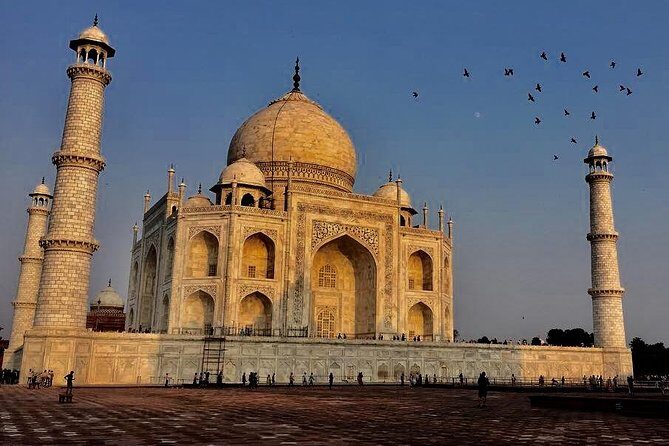
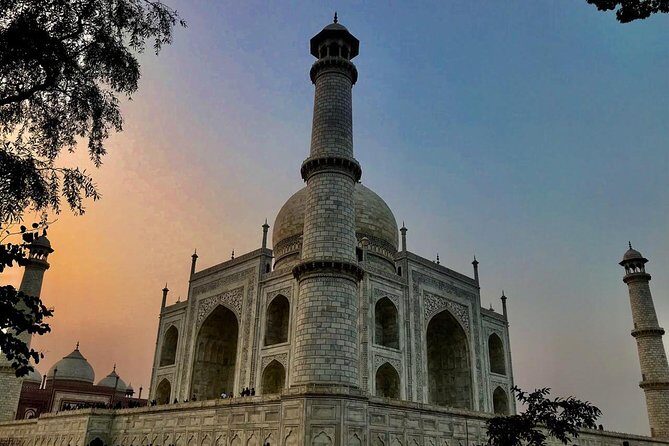
Agra is where the itinerary earns its reputation. You’ll do the Taj Mahal, then Agra Fort, then finish with Mehtab Bagh for a sunset view across the Yamuna.
Taj Mahal: the guide’s role is the difference between seeing and understanding
The Taj Mahal is UNESCO and, yes, one of the world-famous “you must go once” monuments. It was built by Shah Jahan in memory of Mumtaz Mahal, with the Yamuna River and gardens framing the marble complex.
Here’s the practical value of a good guide: they can direct you to the best viewpoints for your time window. In real guide performance, people credit tour guides such as Danesh and Danish for explaining the building’s details and showing where to stand for strong views and photos.
If you love photos, you’ll also want to care about timing. Ajmal in particular is praised for getting people to the Taj early to reduce crowd pressure and for finding good angles. That means your visit feels more controlled, not frantic.
Admission isn’t included here, so expect ticket costs at the gate or via the required entry process.
Agra Fort: the Taj’s older, tougher sibling
Agra Fort is UNESCO too and was a main Mughal residence for the emperors. It’s where you see forts, palaces, balconies, and gardens under one larger fort structure.
This stop is shorter (about an hour), so don’t expect a museum-style pace. Instead, use the guide to point out what to notice fast—where power sat, how defenses and living spaces worked together, and how the complex reflects Mughal authority.
Mehtab Bagh: sunset is the point
Mehtab Bagh—also called Moonlight Garden—sits across the Yamuna and is famous for its panoramic view of the Taj Mahal. The big payoff is the light change, especially near sunset.
Admission isn’t listed as included, but the experience itself is about being in the right place as the sky cools. Even if your photos aren’t perfect, the view is the show.
Day 3: Fatehpur Sikri and Abhaneri stepwell, then Jaipur check-in around 7 PM
Day 3 shifts from Mughal power centers to Rajasthan’s older architectural surprises. You’ll start near Agra at Fatehpur Sikri, then go to Abhaneri for the famous stepwell, and finally reach Jaipur about 7 PM for hotel check-in.
Fatehpur Sikri: a capital that didn’t last
Fatehpur Sikri is UNESCO and was built by Akbar in the late 16th century. It served as the Mughal capital for a short period before being abandoned due to water shortages, which gives the city a strange “too much, too fast” feeling when you think about it.
It’s also free for this tour stop. That’s one of the best value moments in the whole route—two big UNESCO-style experiences in one travel day with no entry fee listed for at least one.
Abhaneri and Chand Baori: 3,500 steps of geometry
Abhaneri is known for Chand Baori, a deep and large stepwell made of narrow stairs and multiple levels—about 3,500 steps over around 13 stories. This kind of place hits different when you picture it as an old water system, not just a photo stop.
The stepwell is also listed as free here, so you’ll get a big architectural experience without paying an entry fee on this specific stop.
Arrive Jaipur around 7 PM
You’ll be checking into your Jaipur hotel around 7 PM after the day’s driving and sightseeing. That timing makes Day 4 more relaxed in the sense that you don’t have to rush through Jaipur the same night—you can rest and start fresh for Amber Fort and the rest.
Jaipur Day 4: Amber Fort, Jal Mahal, City Palace, Hawa Mahal, and Albert Hall
Jaipur is where the route turns from “big empire sites” into “royal city icons.” Day 4 is heavy on landmarks and includes several of the most photographed names in Rajasthan.
Amber Fort: Hindu-Mughal styling and lots of palace detail
Amber Fort is a top stop and a blend of red sandstone and marble with both Hindu and Mughal architectural influence. You’ll see ramparts, gates, and several palace interiors/areas like Diwan-i-Aam, Diwan-i-Khas, Sheesh Mahal, and Sukh Niwas.
Expect about two hours here. Since admission isn’t included, this is another place where ticket cost needs to be planned.
Also, this is a major walking-and-stair stop depending on how you move through the complex. Comfortable shoes aren’t optional.
Jal Mahal: the palace in the lake
Jal Mahal sits in the middle of Man Sagar Lake and is known for its water-surrounded look. The fort-palace style is Rajput and Mughal in influence, and it was used as a hunting lodge and pleasure palace.
The practical trick is to set your expectation: most of the magic is in views from outside and around the lake edges rather than a full interior exploration.
Admission isn’t included here.
City Palace: courtyards and palace blocks
City Palace is Jaipur’s royal residence complex and mixes Rajput, Mughal, and even European stylistic influences. You’ll move through courtyards and palaces rather than just one exhibit room.
Since this stop is listed at about an hour, focus on what your guide highlights—key halls and the layout that shows how the royal family lived and administered the city.
Admission isn’t included.
Hawa Mahal: the Wind Palace facade
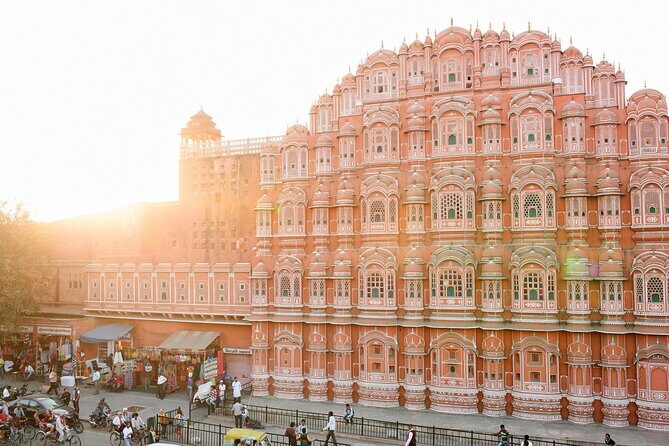
Hawa Mahal is the famous facade shaped like a crown. It’s called Palace of Winds because the design was intended to allow cool breezes through, which would have helped in Jaipur’s hot summers.
It’s a great stop for quick admiration and photos, and it’s short enough to keep the day flowing.
Admission isn’t included.
Patrika Gate and Albert Hall Museum: color plus culture
Patrika Gate is a colorful entrance gate connected to Jawahar Circle Garden. It features sections representing aspects of Rajasthan like forts, palaces, festivals, wildlife, and local attire in mural form. It’s short, about 30 minutes, and a nice break from the heavier palace forts.
Albert Hall Museum is Indo-Saracenic architecture with a mix of Mughal, Rajput, and European features. Inside, the collection includes artifacts such as sculptures, paintings, textiles, arms and armor, and decorative arts. Plan to keep your museum time focused since the stop is about 30 minutes.
Admission isn’t included for Albert Hall in the provided info.
Price and value: what $500 covers, and what it doesn’t
At $500 per person for about five days, you’re not just paying for sites—you’re paying for the frictionless parts of travel that most people hate: timing, transport, and interpretation.
From the included items, you get:
- a professional guide
- an air-conditioned vehicle and parking fees
- bottles of mineral water during journeys
- hotel pickup and drop-off if you select that option
- breakfast included for four mornings
- Jaipur accommodation included
- mobile ticket usage
- group discounts (and it’s still private for your party)
What’s not included:
- tips for guide and driver (recommended)
- monument entrance fees
Here’s the key value point: your ticket costs can add up fast across so many paid monuments—Qutub Minar, Humayun’s Tomb, Red Fort, Jama Masjid, Taj Mahal, Agra Fort, Amber Fort, and more. So your “real cost” is the base price plus those entrances plus a tip budget.
If you want the math to feel fair, this tour still wins for most people because you’re buying time and a guide’s pacing, not just paying for transportation.
The guide factor: what Danesh, Ajmal, and Tariq add to your visit
This is where the experience seems to really earn its high ratings. Multiple guides get praised for doing the two things that matter most at monuments: explain what you’re looking at, and help you get the best views without wasting time.
People credit Danesh and Danish with clear explanations of the Taj Mahal and its history, plus strong photo and video results. Ajmal gets special mention for timing Taj Mahal visits early so you face fewer crowds and for showing the best spots for sunrise-style photos.
Tariq (and also guides listed under names like Muhammad Tariq Mughni) are praised for calm, helpful handling and answering lots of questions. One person highlights that English is spoken along with another language, which matters if you’re visiting complex architecture and want real clarity.
One balanced caution from the experience data: there can be stops at shops during the day (especially around the Taj area). If you dislike that, set your expectations now. You can still enjoy the monuments, but decide in advance if you’ll make purchases or just keep moving.
Practical notes so your Golden Triangle days feel manageable

A few things will make your week smoother without adding extra work for you:
- Bring a valid passport on the day of travel, since it’s required.
- Wear shoes that work on uneven surfaces. Forts and mausoleums often mean stairs and long walking.
- Expect ticket payments at multiple monuments, because entrance fees are not included.
- If you care about photos, ask your guide (in plain terms) about the best viewpoint timing for Taj Mahal and any view stops like Mehtab Bagh.
- Plan to be flexible with pacing. This route is packed with major stops, so you’ll spend more time moving between sites than sitting down to rest.
Also, the tour is private—only your group participates—so you’re not getting stuck with awkward group pacing. That helps a lot if you want photos, questions, or just a calmer pace.
Should you book Golden Triangle Private Luxury Tours India (4N/5Days)?
I think this tour is a strong choice if you want:
- the classic Delhi–Agra–Jaipur sights without the public-transport headache
- a hotel in Jaipur with breakfast handled for you
- a guide who helps you understand monuments and improve photo results
- an efficient route that hits major UNESCO highlights
I’d hesitate if:
- you prefer slow sightseeing with long free time in each location
- you don’t want any shop stops at all
- you want entrance fees included in the base price (because they aren’t)
If you’re aiming for the best mix of convenience, major sites, and guide-led storytelling across a short window, this is the kind of Golden Triangle trip that makes sense.
FAQ
What does the tour include for meals and hotel?
You get Jaipur accommodation and breakfast is included for four days.
Are monument entrance fees included?
No. Monument entrance fees are not included in the tour price.
Is pickup and drop-off from Delhi included?
It depends on the option selected. The tour can include hotel pickup and drop-off.
Is this tour private or shared with strangers?
This is a private tour/activity, so only your group participates.
Is transportation air-conditioned?
Yes. An air-conditioned vehicle is included.
Do you provide bottled water?
Bottles of mineral water are provided during the journeys.
Do I need a passport for this trip?
Yes. A current valid passport is required on the day of travel.
Can I cancel for a full refund?
Yes, there is free cancellation. You can cancel up to 24 hours in advance for a full refund.