REVIEW · JAIPUR
From Ranthambore: Official Tiger Safari in Canter With Guide
Book on GetYourGuide →Operated by Find My Holidays · Bookable on GetYourGuide
Ranthambore can turn silence into a tiger moment. What makes this experience special is the open-top Canter setup and the chance to hear real park talk from a professional guide while you scan for Bengal tigers, leopards, sloth bears, and birds. For a price point around $27 per person and a tight 3-hour outing, it’s one of the more straightforward ways to hunt for wildlife in Rajasthan without staying out all day.
One thing to keep your expectations grounded: tiger sightings are never guaranteed. This is a tiger reserve, not a zoo, and your zone assignment (plus daily animal movement) can heavily shape what you actually see.
In This Review
- Key things that make this safari worth your time
- Ranthambore Safari Basics: what a Canter ride really gives you
- Price and value: is $27 a smart move or a gamble?
- Where you start: Ganesh Dham Circle and the timing game
- How Ranthambore’s zones affect your odds (Zones 1–5 vs the rest)
- What you’ll scan for: the species list that makes the safari fun
- The guide experience: what English support can look like
- Group reality on a 20-seater Canter: how to stay focused
- Your comfort checklist: what to bring for 3 hours in the park
- Booking and logistics you can’t ignore: limited safari slots
- Who this safari suits best (and who should think twice)
- The honest rating signal: why experiences can vary
- Should you book this Ranthambore tiger safari?
- FAQ
- How long is the Ranthambore tiger safari in the Canter?
- Where does the safari start from?
- Is the Canter safari open-top?
- Can I choose a morning or afternoon safari?
- What animals can I expect to look for?
- Is a tiger sighting guaranteed?
- What’s included in the price?
- What language is the guide?
- Do I need to bring my passport?
- Who should not book this safari?
Key things that make this safari worth your time

- Open-top visibility on a 20-seater Canter gives you better wildlife spotting angles than you’d get in a closed vehicle
- A live, English naturalist-style guide helps you make sense of what you’re seeing in real time
- Ranthambore’s 10 zones mean your odds change depending on where the forest department places your safari
- Tiger-frequent Zones 1 to 5 are where chances tend to run higher
- Birding plus big mammals keeps the safari interesting even on slower wildlife days
- Advance booking matters because limited safaris can sell out fast, especially in peak season
Ranthambore Safari Basics: what a Canter ride really gives you
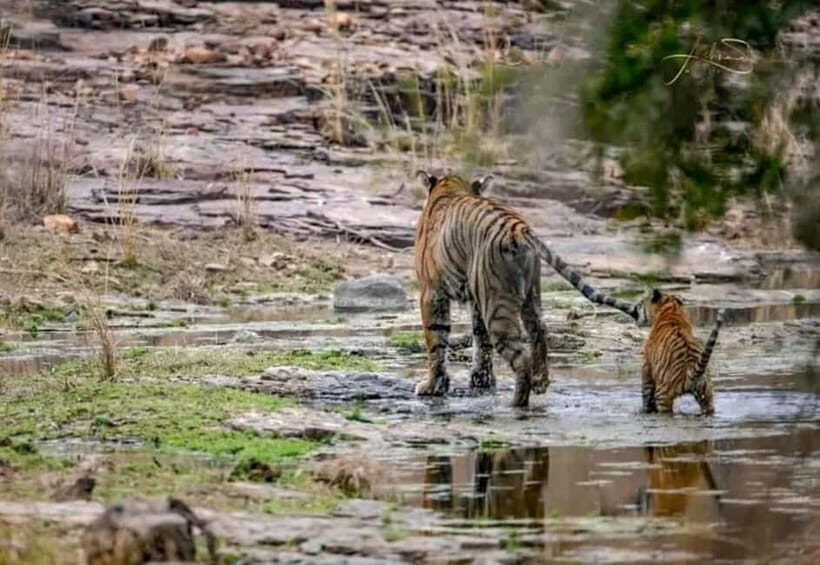
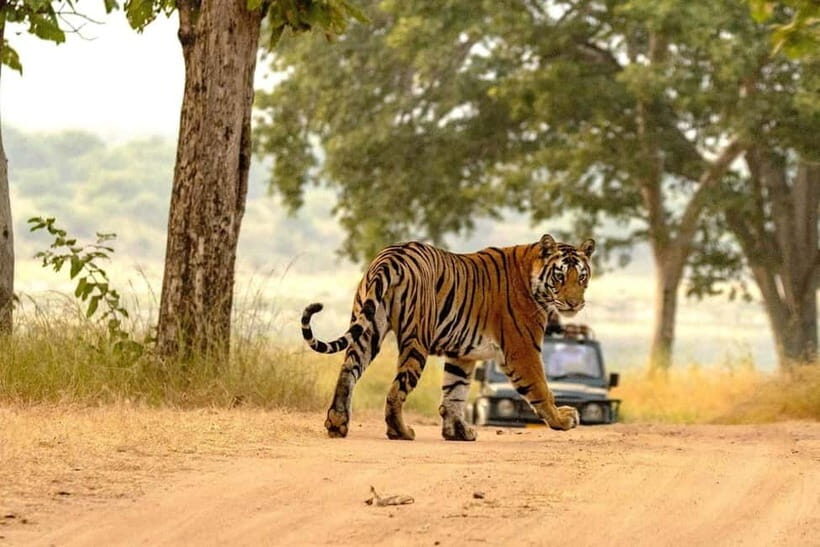
This is a shared Canter safari in Ranthambore National Park. You ride in an open-top, 20-seater vehicle with a guide who’s there to help you read the park. That vehicle style matters because wildlife often appears where you need an angle—behind a shrub line, at the edge of a track, or across a shallow depression where closed vehicles feel limiting.
The overall format is simple and efficient: meet up at Ganesh Dham Circle, head into the park, and spend about 3 hours on safari before returning to the same meeting point. You can usually choose a morning or afternoon slot, which is handy when you’re juggling trains, hotel check-ins, or a second activity in Rajasthan.
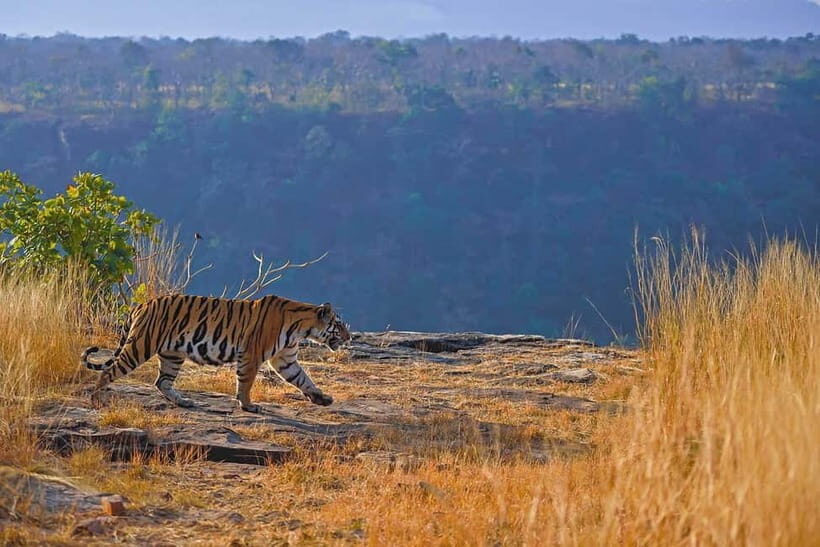
The best part of this setup is how it turns “wildlife luck” into something you can actually work with. With a knowledgeable guide pointing out signs—calls, tracks, feeding areas, water edges—you spend less time guessing and more time scanning with purpose. And because you’re in Ranthambore’s tiger reserve, the wildlife list isn’t just fantasy. You’re looking at Bengal tigers, leopards, sloth bears, wild boars, deer species, plus crocodiles and a long list of birds.
You can also read our reviews of more guided tours in Jaipur


Price and value: is $27 a smart move or a gamble?
At $27 per person for a 3-hour park safari, the value comes from three things that are usually separate costs when you book badly:
- Entry fees to Ranthambore National Park are included
- The Canter safari itself is included
- A professional guide and taxes are included
So you’re not paying $27 and then getting hit with surprise add-ons for the park permit or guide time.
That said, wildlife safaris are still a gamble in the real world. You’re paying for access to a controlled area and a chance to see animals, not a guaranteed tiger photo. The operator also flags that safaris are subject to availability and can sell out, with refunds if the forest department can’t allocate your slot. That’s the system you’re working inside.
My practical take: if you want one solid safari session in Ranthambore and you’re flexible about seeing wildlife types (birds as well as big cats), this price feels fair. If you need a guaranteed tiger sighting, nothing in Ranthambore will do that—because it’s not a zoo.
Where you start: Ganesh Dham Circle and the timing game

You board the safari from Ganesh Dham Circle (गणेश धाम सर्किल). That matters because wildlife windows are tight. If you’re late, you don’t just lose a few minutes—you can miss the best placement in the zone schedule.
One real-world note to plan around: pickups and meeting coordination can be smooth, but sometimes people end up walking a short distance to reach the exact starting point. Build a buffer. I’d rather arrive early with time for a water bottle and a quick bathroom stop than rush in and feel stressed.
Once you meet the guide and get on board, you’re in park mode fast. There’s time built in for wildlife viewing and a photo stop, and depending on whether you book morning or afternoon, you may catch sunrise or sunset light as part of the experience.
How Ranthambore’s zones affect your odds (Zones 1–5 vs the rest)
Ranthambore is divided into 10 zones, and this isn’t a minor detail. It’s one of the biggest reasons two safaris with the same species list can feel totally different.
Here’s what you can take as a practical guide:
- Tiger sightings are more frequent in Zones 1 to 5
- Other zones exist, but the chances can change because animals don’t behave like a schedule
If you care most about tigers and leopards, aim your planning around the idea that Zones 1–5 are your best-bet zones. If you end up placed outside those zones, don’t treat it as failure. You can still see deer, wild boars, birds, and sometimes big cats, but the probability shifts.
This is also why I recommend you treat the zone like a key part of your booking decision. If you can influence zone choice when you confirm your safari, do it. If you can’t, go in expecting wildlife variety and keep your eyes wide for movement and calls.
What you’ll scan for: the species list that makes the safari fun

You’re not just chasing one animal. The safari is built around scanning for a mix of wildlife across Ranthambore.
Here’s what’s in play:
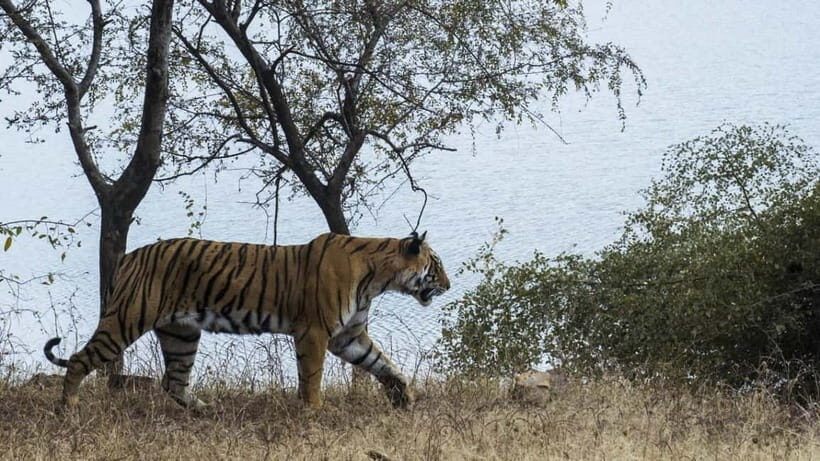
- Bengal tigers (unpredictable, but the whole point)
- Leopards
- Sloth bears
- Wild boars
- Deer species
- Crocodiles (more likely near water edges)
- 300+ bird species across the park
The bird angle is underrated. Even if the big cats don’t show themselves, birds can keep your attention locked. And birds often act like a signpost—if they’re alert, something might be happening nearby.
I also like that your guide is there to explain what you’re seeing. With wildlife, half the fun is learning how to interpret the scene: where animals tend to feed, which tracks matter, and why a quiet patch of vegetation can hold the whole story.
A few more Jaipur tours and experiences worth a look






The guide experience: what English support can look like
This safari includes a live tour guide in English. That’s a huge help if you don’t read local wildlife terms or you want context while the action is happening.
Still, here’s how to think about it practically: English quality can vary, especially in short safari time blocks. Some guides might speak in more “field commentary” style (quick explanations while you scan), while others may slow down to explain more.
My advice is simple: if you want richer English narration, come prepared with patience. Wildlife pauses matter. When the guide stops talking, it’s usually because spotting is happening.
Group reality on a 20-seater Canter: how to stay focused
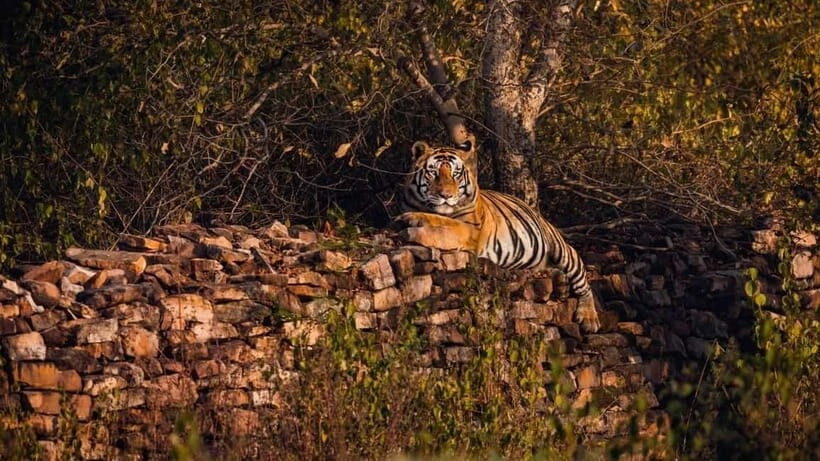
This is a shared safari in a full vehicle. That’s part of the value—lower cost, more people on one vehicle—but it changes the vibe.
On a canter safari, you can run into the “everyone is filming” problem. Phones out, voices up, people talking over quieter moments. That can make it harder to notice a rustle or a distant call.
So I’d recommend you build your own focus routine:
- Keep your camera ready but don’t keep it constantly raised
- Watch the guide’s cues and where people point
- Treat the pauses between sightings like part of the game, not dead time
And if you ever have a choice between vehicle types on similar safaris, a smaller or calmer setup can reduce noise. For this particular experience, you should expect canter-style group energy.
Your comfort checklist: what to bring for 3 hours in the park
Ranthambore is not a stroll. It’s a wildlife ride with sun, dust, and heat or cold depending on the season. Bring what you need to stay comfortable.
Use this pack list as your baseline:
- Comfortable shoes
- Hat
- Camera
- Sunscreen
- Water
- Binoculars
Binoculars are a big deal. Even when an animal is visible, distance can turn “I saw something” into “I understood what I saw.” Binoculars help you keep the hunt accurate.
Also, dress for sun and for sudden temperature changes. Even within the same day, park weather can swing.
Booking and logistics you can’t ignore: limited safari slots
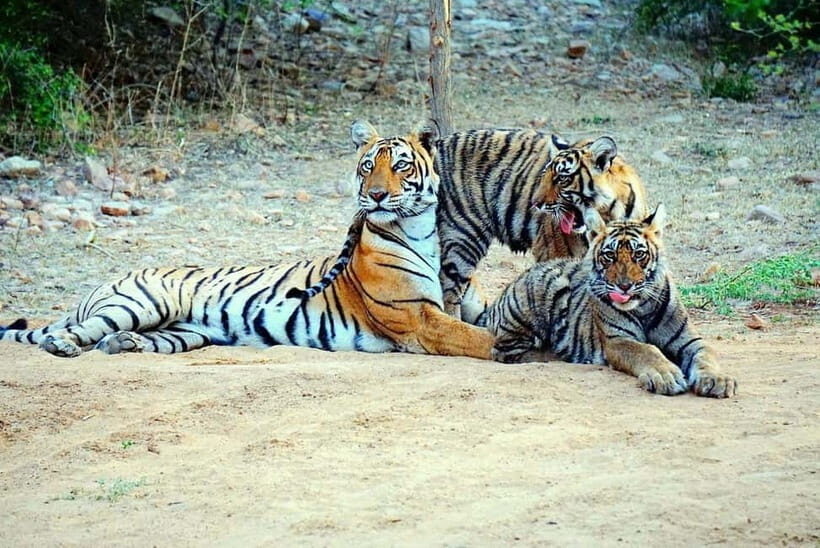
The safari system is managed by the Government Forest Department, and that’s why you have to treat this like a slot you’re trying to secure, not a guarantee you already own.
Key points to plan around:
- Safaris are subject to availability and fill quickly
- This is not a confirmed booking because forest department capacity is limited
- If safaris are sold out, you should get a full refund
- You may need to provide your passport for park entry via WhatsApp or email after booking
- The safari operates under forest department rules
This is the part that separates a smooth trip from a stressful one. If you’re going during peak season, I strongly recommend you lock it in as early as you can. And if you’re trying to stack multiple Ranthambore activities, don’t schedule them too tightly around safari timing.
One more thing: you’ll be asked to present a valid passport to take part. Plan that ahead of time.
Who this safari suits best (and who should think twice)
This safari is a good fit if you want:
- A short, focused wildlife outing (3 hours)
- An open-top view with a guide
- Chances at multiple species, not just one animal
It’s also helpful if you care about learning. The guide is part of the value, not an afterthought.
It may not be the best fit if:
- You’re pregnant
- You have back problems
Those constraints are listed as “not suitable,” so don’t try to muscle through it. A canter vehicle can be bumpy, and wildlife safari timing doesn’t allow long breaks.
Wheelchair access is listed as wheelchair accessible, but if you fall into the back-pain category, treat that as the real limiter for comfort and safety.
The honest rating signal: why experiences can vary
With any tiger reserve safari, the day matters. Animal movement, zone placement, and even how your vehicle behaves can shift your outcome fast.
You’ll often see two kinds of safari days:
- The “everything clicks” day: animals appear, the vehicle gets in the right area, and the guide helps you notice what matters
- The “slower day” pattern: lots of birds and smaller mammals, fewer major sightings, and a tiger or leopard that stays out of view
So the best way to judge this tour isn’t by reading for guaranteed tiger language. Judge it by thinking about what you’ll do if the tiger doesn’t show. If you’re still excited about birds, deer, and learning the park patterns, you’ll likely enjoy yourself.
Should you book this Ranthambore tiger safari?
Book it if you want a real Ranthambore experience with a guide, open-top wildlife viewing, and included entry fees at a fair price. Choose it when you can be flexible on what you see—because unpredictability is the nature of the reserve.
Skip it (or change your plan) if you’re the type who only considers the day “worth it” with a tiger close enough for a sure photo. In Ranthambore, the tiger is a guest of the forest, not a scheduled attraction.
My final advice: prioritize securing a slot early, and if you get any influence over zone selection, push for Zones 1–5. Then pack for comfort, keep your eyes open, and enjoy the hunt as the main event.
FAQ
How long is the Ranthambore tiger safari in the Canter?
The safari lasts 3 hours.
Where does the safari start from?
The starting point is Ganesh Dham Circle (गणेश धाम सर्किल). The tour returns there at the end.
Is the Canter safari open-top?
Yes. You ride in an open-top, 20-seater Canter vehicle.
Can I choose a morning or afternoon safari?
Yes. You can choose between a morning or afternoon safari depending on availability.
What animals can I expect to look for?
You may spot Bengal tigers, leopards, sloth bears, wild boars, deer species, and you can also see crocodiles and 300+ bird species.
Is a tiger sighting guaranteed?
No. Tiger sightings are unpredictable, and this is a tiger reserve, not a zoo.
What’s included in the price?
Included items are entry fees to Ranthambore National Park, a shared Canter safari, services of a professional guide, and all taxes.
What language is the guide?
The live guide is English.
Do I need to bring my passport?
Yes. You must present a valid passport for park entry, and you may be asked to send it after booking via WhatsApp or email.
Who should not book this safari?
It’s listed as not suitable for pregnant women and people with back problems. Pets are also not allowed.