REVIEW · NEW DELHI
From Delhi: 8 Day GoldenTriangle Tour with Varanasi ByFlight
Book on GetYourGuide →Operated by Travel India One Day · Bookable on GetYourGuide
Eight days, four cities, and big emotions. I like how this trip stacks sunrise Taj Mahal moments with a real Varanasi river experience, plus a guided tour through Delhi, Agra, and Jaipur. I also love the chance to see the Ganga Aarti-style evening atmosphere at the ghats. One thing to plan for: monument entrance fees and most meals are not included, so your total daily cost can rise fast once ticket time hits.
The rhythm is simple: private transport, a tour guide at the key sights, and built-in rides that make the cities feel less like checklists. You get breakfast at your hotels, and the itinerary does the hard timing work—early starts, sunset viewpoints, and boat rides when the light is right.
If you like your travel to be efficient (not slow and optional), this works well. If you hate early mornings or you’re the type who wants unlimited wandering time with no schedule at all, you might feel a bit pushed on the days when the program starts before you’re fully awake.
In This Review
- Key things that make this tour worth a look
- Golden Triangle with Varanasi: how the pacing really works
- Delhi rickshaw streets, India Gate to Humayun’s Tomb
- Agra: Mehtab Bagh sunset, then sunrise Taj Mahal
- Fatehpur Sikri stop and the ride into Jaipur’s forts-and-palaces day
- Jaipur’s Amer Fort, Hawa Mahal, City Palace, and Jantar Mantar
- Flying to Varanasi: Ganga river moments at sunset
- Varanasi at dawn: sunrise boat ride, Kashi Vishwanath, and Sarnath
- Money, included value, and what costs extra
- Should you book this Golden Triangle tour with Varanasi?
- FAQ
- What cities does the tour include?
- Are flights included in the price?
- Is breakfast included?
- Are monument entrance tickets included?
- Are lunch and dinner included?
- What do I need to bring for the trip?
Key things that make this tour worth a look
- Sunrise Taj Mahal plus a Mehtab Bagh sunset view so you see the Taj in two different moods
- Delhi rickshaw ride that puts you right into the street-level energy
- Private car touring across Delhi, Agra, and Jaipur, with a guide for major sights
- Two Varanasi boat rides (sunrise and sunset) built around the river’s changing feel
- Flights included for Jaipur → Varanasi and Varanasi → Delhi, so you’re not losing a full day to train schedules
Golden Triangle with Varanasi: how the pacing really works
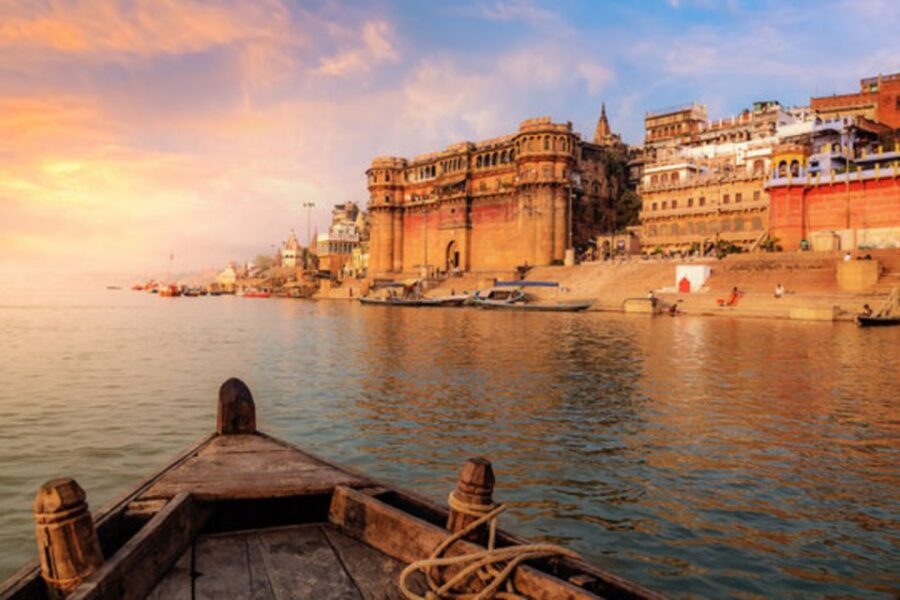
This is a classic route, but with a strong added section in Varanasi. The Golden Triangle leg gives you the postcard anchors: Delhi sights, Agra’s Taj Mahal, and Jaipur’s forts and palaces. Then the trip shifts gears—spiritual river life takes center stage in Varanasi, with boat rides and ghats-focused viewing.
What you’re really paying for here is time management. You’re not piecing together transport between cities, and you’re not guessing how to structure early starts for the most important sights. The itinerary also uses a mix of daylight planning (Delhi and Jaipur monuments) and light-based experiences (Taj sunrise and river sunset). That matters because Taj Mahal and Varanasi at the ghats reward the right time of day more than most attractions do.
The private transportation helps too. You can move at the pace of your group, stop for things when timing allows, and avoid the extra stress of constant re-coordination. From service examples shared by past guests, the driver support tends to be friendly and practical—helpful with navigation, and flexible if you can’t reach a spot in the usual way by car. That kind of “problem solving” is underrated on multi-city trips.
Just keep your expectations grounded: this is not a slow cultural semester. It’s a well-packed 8 days where you’ll see a lot, and you’ll want to stay ready for early mornings and long sightseeing blocks.
You can also read our reviews of more tours and experiences in New Delhi.



Delhi rickshaw streets, India Gate to Humayun’s Tomb
Your Delhi day is designed to give you both movement and landmarks. First comes the rickshaw ride through Chandni Chowk, which is the fastest way to get your bearings without needing a map-reading contest. It’s a street-level experience—tight turns, real shop fronts, and people moving with purpose—so you come away feeling like you touched the city, not just watched it from a vehicle.
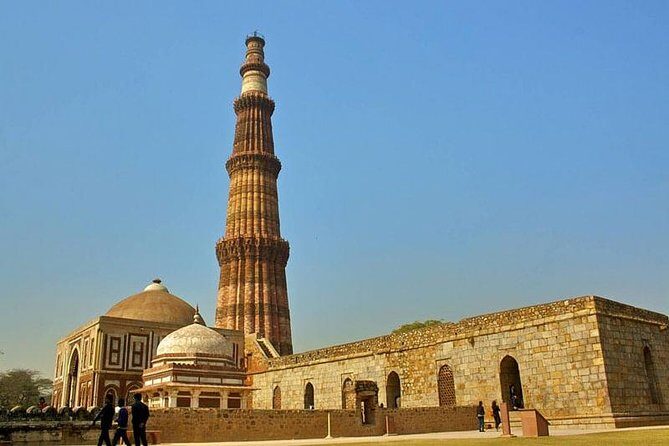
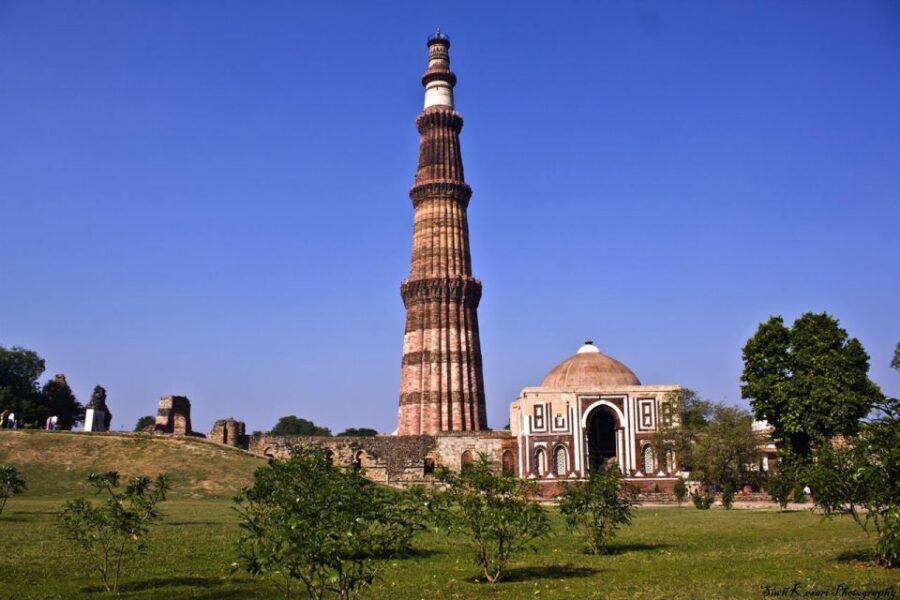
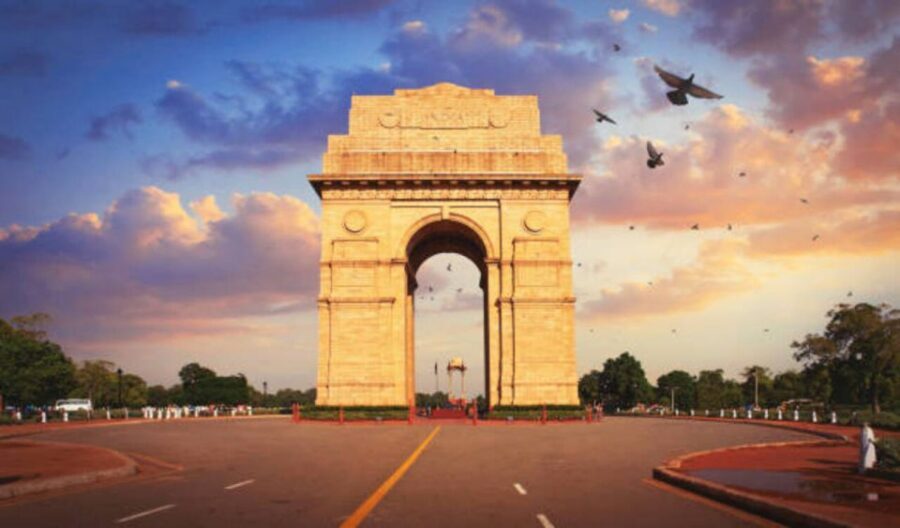
After that, the tour steps back to the monument scale. You’ll visit major Delhi highlights, including India Gate, Humayun’s Tomb, Qutub Minar, and the Lotus Temple. The mix is smart because it changes the visual language: one day you’re looking at big civic structures, and the next you’re seeing more spiritual/architectural forms that feel quieter and more reflective than the street markets.
A practical tip: wear comfortable shoes and keep your day bag light. Delhi sightseeing plus a rickshaw ride can mean short walks between viewpoints and entrances, even when you’re mostly in a vehicle. Also, since entrance tickets are not included, you’ll want to budget for monument entry fees as they come up. Your guide can usually tell you what’s needed on the spot, but it’s still better if you have the cash/cards ready.
If you enjoy learning as you go—history explained in plain language while you’re standing in front of the building—this itinerary supports that. The tour includes monuments sightseeing with tour guide, not just a driver doing the driving.
Agra: Mehtab Bagh sunset, then sunrise Taj Mahal
Agra is where the trip earns its reputation. You get two different Taj moments, which is the kind of detail that upgrades a tour from routine to memorable.
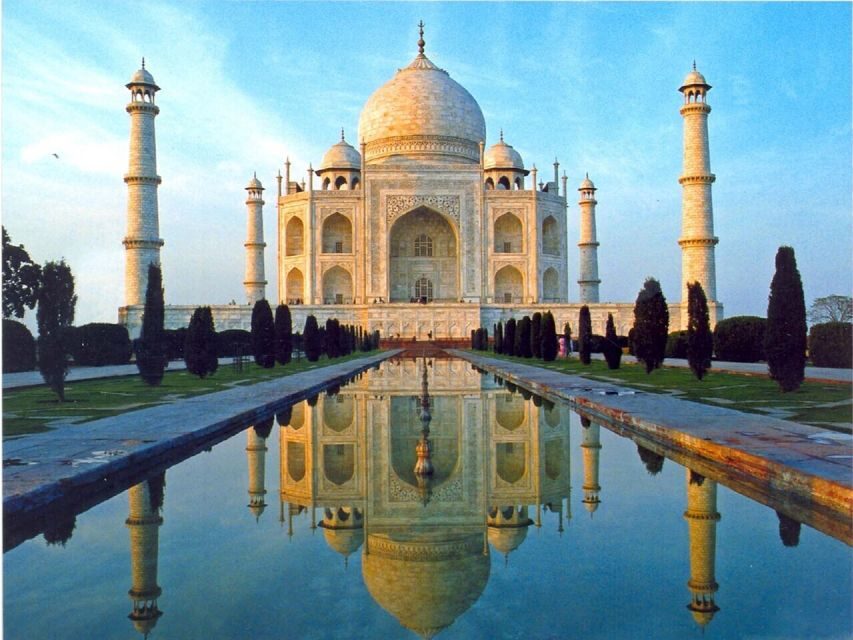
On the first Agra day, you go for the sunset view from Mehtab Bagh. This viewpoint is popular because it offers a different angle and softer light than midday. Even if you’ve seen Taj photos before, sunset tends to change the feel—more atmosphere, less glare, and a slower mood.
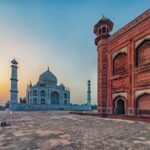
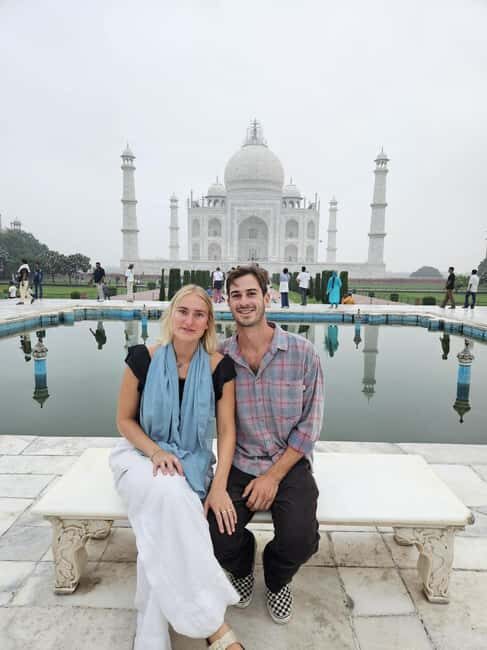
Then comes the next morning’s big play: you rise early to see the Taj Mahal at sunrise. The whole point of doing it at sunrise is not just the “wow factor.” It’s also about crowd control and the way the marble surface looks under gentle morning light. You’ll be grateful for the early timing later, especially on a trip where the rest of the days are already packed.
Agra also includes an extra fun ride element: a Tonga ride is listed as part of the highlights. That’s worth it because it keeps Agra from feeling like a single indoor/outdoor monument sprint. It adds movement and local texture.
After the Taj-focused hours, you move on. The itinerary includes the return to your hotel for breakfast and then the next travel day direction toward Jaipur—so you’re not stuck in Agra longer than needed. That’s good if you want variety, but it means you should protect your energy the night before. If you treat the Taj mornings like a normal “sleep in” vacation day, you’ll feel it.
Fatehpur Sikri stop and the ride into Jaipur’s forts-and-palaces day
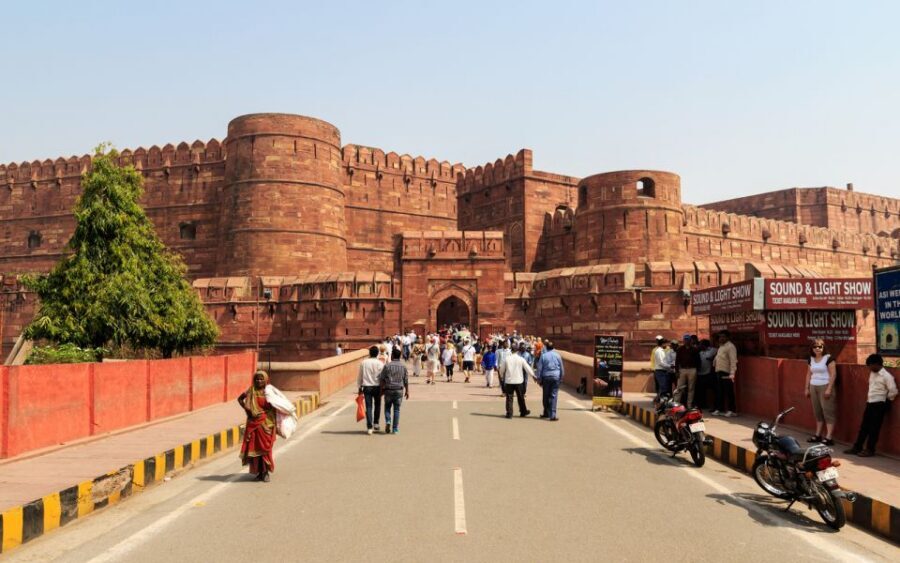
The transition from Agra to Jaipur has one major benefit: it breaks up the travel day with an actual sightseeing stop. Fatehpur Sikri is included on the route, so you’re not spending the day only on highways and fuel breaks.
Then you arrive in Jaipur and check in. The itinerary keeps Jaipur as your bigger sightseeing block, rather than trying to cram too much on arrival. That matters because Jaipur is where you’ll do most of the walking and viewing at the major sites.
Jaipur days can be hot and tiring in many seasons, so your best strategy is to plan for shade and slower pacing inside forts and palaces. Your guide can help you organize the sequence so you’re not constantly backtracking.
One more point: Jaipur’s “Pink City” identity shows up in how the city’s architecture reads at street level. The experience here isn’t just about the biggest buildings. It’s about the way the town looks as a whole while you’re moving from one sight to another.
And yes, there’s a reason this stop after Agra works: it’s a different visual style. Agra hits you with marble grandeur. Jaipur hits you with forts, palace courtyards, and the feel of a city designed for royal display and public spectacle.
Jaipur’s Amer Fort, Hawa Mahal, City Palace, and Jantar Mantar
Your Jaipur sightseeing day focuses on the places that define the city for first-time visitors.
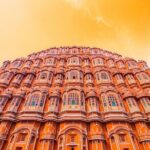
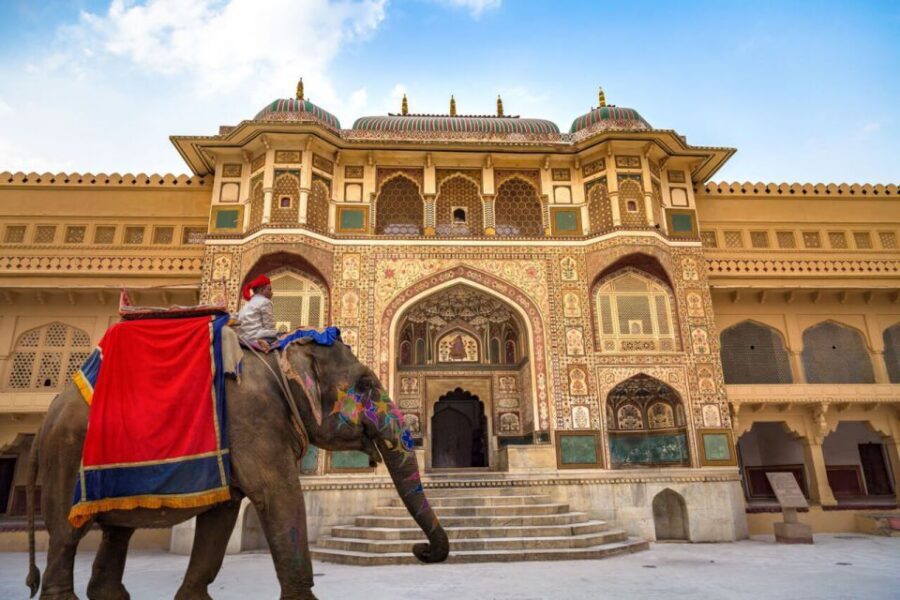
You’ll visit Amer Fort, which is a must for almost anyone because it’s one of Jaipur’s signature fort experiences. You’ll also see Hawa Mahal and City Palace, with Jantar Mantar added for the science-and-geometry side of Jaipur’s royal planning.
This combination is smart. If your day only included palaces and forts, you might miss the more unusual angle of Jaipur’s design culture. Adding Jantar Mantar gives you something different: views that feel built for measurement and observation rather than just defense or ceremony.
The tour includes monuments sightseeing with tour guide, so you’re not left figuring out what you’re looking at by yourself. That matters most at places like Jantar Mantar, where the purpose is easier to understand when someone explains it in plain terms while you’re standing there.
A practical consideration: Jaipur’s sights often involve stairs, uneven walkways, and long courtyard pacing. Pack water, take breaks when your guide suggests them, and don’t rush photos like you’re in a sprint. The goal is to enjoy the order of scenes—fort views, palace details, then the open-air geometry—without exhausting your legs before you’re done.



Flying to Varanasi: Ganga river moments at sunset
From Jaipur, you switch to a flight to Varanasi, the spiritual capital that changes the whole mood of the trip. This is a key value point: using a flight prevents you from eating a full day in transit. It also keeps the itinerary from becoming one long blur of seats.
When you arrive, you check in and relax for a while. Then the evening program starts with river time. You’ll experience the atmosphere around the Ganga, plus a boat ride along the river at sunset. This is one of those experiences where you don’t need to be an expert to get it. Boat time changes your perspective. You see the ghats from the water, and the city’s energy feels more layered than from roads alone.
The highlights mention views of the Ganga Aarti ceremony, and the itinerary’s language points you toward evening rituals and sunset energy. You should expect sights and sounds that feel intense, especially if this is your first time in Varanasi. Keep your senses on: photography is fun, but don’t let it replace paying attention to what’s happening around you.
If you’re sensitive to crowds or want “quiet vacation mode,” Varanasi can test that. But if you’re willing to trade some comfort for real atmosphere, this part is why the tour exists.
Also, remember: meals are not included. So after a day of travel and sightseeing, you’ll want to plan for food costs in Varanasi rather than assuming lunch and dinner are already handled.
Varanasi at dawn: sunrise boat ride, Kashi Vishwanath, and Sarnath
The most unforgettable part of Varanasi often comes before most people are awake. Day 7 starts before dawn with a boat ride on the River Ganges to watch sunrise and see ancient Hindu rituals on the ghats.
That’s not just a scenic activity. It’s a cultural time slot. The river wakes up differently when the light is faint and the ritual cycle is underway. You’re seeing Varanasi in a moment most daylight tourists miss.
After the boat ride, you explore the narrow lanes and visit Kashi Vishwanath Temple, dedicated to Lord Shiva. Then the itinerary continues to Sarnath, where Lord Buddha delivered his first sermon. Even if you don’t know every detail beforehand, this pairing is meaningful: you’re moving between major spiritual traditions in the same broader region of faith and teaching.
A key tip for this day: go slow in the lanes. Narrow lanes can feel like a maze, and crowds can appear quickly even when it’s early. Your guide’s route planning is important here, because it reduces the chance you’ll get stuck navigating while also trying to manage the sunrise schedule.
You’ll end the day back at your hotel, and then Day 8 returns you to Delhi by flight. That closing structure matters. It gives you enough time to experience Varanasi’s morning rituals without needing an extra day just to recover before flying out.
Money, included value, and what costs extra
Let’s talk value because the listed price looks shockingly low at $11 per person. The included items help explain why the package might feel like a deal on paper, but you should still sanity-check your expected total cost.
What’s included:
- 8 nights of accommodation with breakfast
- Airport pickup and drop-off
- Private car transportation for sightseeing
- Monuments sightseeing with tour guide
- Boat ride in Varanasi
- Flights: Jaipur to Varanasi and Varanasi to Delhi
- All taxes and service charges
What’s not included:
- Entrance tickets of all monuments
- Lunches and dinners
- Personal expenses
That means your biggest “surprise cost” is monument entry fees plus daily meals. If you’re the type who likes full-service meals every day, your budget will rise quickly. If you’re comfortable doing simple lunches and keeping dinners casual, you’ll likely stay closer to the package baseline.
Also note the tour is private, and private touring is often where prices swing up or down. Here, you’re getting private transport across multiple cities plus guide time, which is usually where the value sits for this kind of route.
Comfort notes:
- You’re mostly moving by car or short flights, so you aren’t doing endless long-distance overnight travel.
- Hotels include breakfast, so your mornings are easier to manage.
- The program includes early morning Taj viewing and pre-dawn Varanasi, so plan for sleep.
Language support:
- The tour indicates languages like English, French, German, Spanish, Italian, and Japanese. If you’re not traveling in English, confirm your preferred language ahead of time.
Rules and essentials:
- Bring a passport or ID card.
- Alcohol and drugs are not allowed.
- Wear shoes you can walk in, and keep a light layer for early mornings.
Should you book this Golden Triangle tour with Varanasi?
I’d recommend booking if you want a structured route that covers the big anchors—Delhi, Agra, Jaipur, and then Varanasi—without you doing the logistics math.
You should strongly consider it if:
- You want sunrise Taj Mahal plus a second Taj angle at sunset
- You care about Varanasi as a real experience with two boat rides
- You like having a guide at monuments so you spend less time decoding and more time understanding
- You’re okay with a packed schedule and early starts
You might skip it if:
- You hate paying extra for monument entrance fees and meals
- You want lots of free time to wander without any timetable influence
- You’re very sensitive to crowd energy, since Varanasi and major Delhi markets can feel intense
One good way to decide: look at your tolerance for “early + packed.” If that combo sounds like your kind of adventure, this is a solid way to do India in a single coherent trip—one that uses timing, not just transportation, to make the most important moments land.
FAQ
What cities does the tour include?
The tour covers Delhi, Agra, Jaipur, and Varanasi.
Are flights included in the price?
Yes. Flight tickets are included for Jaipur to Varanasi and Varanasi to Delhi.
Is breakfast included?
Yes. The package includes 8 nights’ accommodation with breakfast.
Are monument entrance tickets included?
No. Entrance Tickets of all Monuments are not included.
Are lunch and dinner included?
No. Lunches and dinners are not included.
What do I need to bring for the trip?
You should bring a passport or ID card.