REVIEW · NEW DELHI
From Chaats to Chandni Chowk: A Gourmet Journey
Book on Viator →Operated by Luxe Timetravel · Bookable on Viator
Chandni Chowk tastes like a memory. This 4-hour Old Delhi food experience ties together Chandni Chowk spice streets, major landmarks, and a food lesson that goes beyond eating. You start with a guided route from Sunehri Masjid, ride by tuk-tuk, and end with sweets that make the whole day feel complete.
I love how the tour stays small (limited to 18) and private for your group, so the English-speaking guide can slow down and answer questions instead of rushing. I also love the food range: classics like pani puri, pakoras, stuffed parathas, paneer masala, and Indian desserts to close things out.
One possible drawback to plan for: admission timing and what is included can depend on the option you select, especially for Jama Masjid. It is smart to double-check what your booking includes before you go.
In This Review
- Key things to know before you go
- Old Delhi starts at Sunehri Masjid, then keeps moving
- Jama Masjid: a major landmark with a practical payoff
- Chandni Chowk food streets and the spice market senses test
- What you should expect to taste
- Chapatti-making at a Sikh temple kitchen: where food becomes a lesson
- The drive past President House, India Gate, and Parliament House
- Why this matters for a food tour
- Price and logistics: why about $40 can make sense
- The guide factor: storytelling that helps you taste better
- How to plan your day for a smooth 4 hours
- Bring these basics
- Use the guide’s strengths early
- Who this tour suits best
- Should you book From Chaats to Chandni Chowk?
- FAQ
- How long is the tour?
- Where can pickup happen?
- Is the tour suitable for vegetarians?
- What’s included in the price?
- Do you get a drop-off at the end?
- What is the cancellation policy?
Key things to know before you go
- Sunehri Masjid to Jama Masjid with a guide and a tuk-tuk ride that helps you keep energy for food
- Chandni Chowk spice market where you can learn how everyday spices get used in real dishes
- Chapatti-making at a Sikh temple with a 24-hour kitchen, so you see food culture from the inside
- A monuments drive past President House, India Gate, and Parliament House to add context without turning this into a history lecture
- Small-group, private setup (up to 18) plus bottled water and refreshing Indian drinks
- Ticket details vary by option for mosque entry, so confirm for your specific booking
Old Delhi starts at Sunehri Masjid, then keeps moving
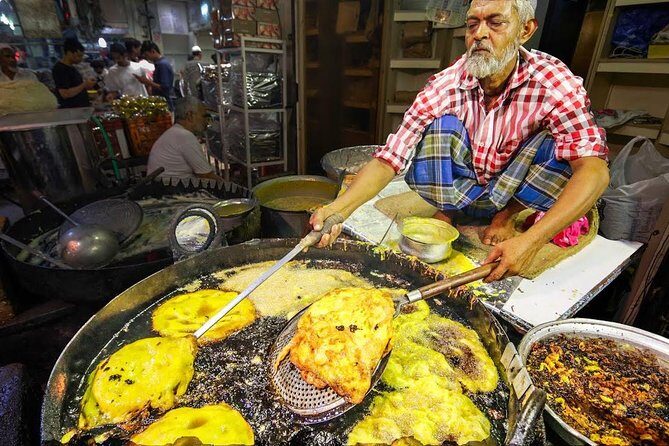
Your experience kicks off with pickup from anywhere in Delhi, Noida, Gurugram, Ghaziabad, or Faridabad if that option is selected. Then you meet your guide at Sunehri Masjid, where the plan is simple: you get oriented fast, and you head into Old Delhi by tuk-tuk.
This first stretch matters because Old Delhi traffic and lane systems can be confusing. The tuk-tuk ride helps you get bearings quickly, and it also sets the tone as your guide points out what different bazaars are known for to the local community.
You can also read our reviews of more tours and experiences in New Delhi.



Jama Masjid: a major landmark with a practical payoff
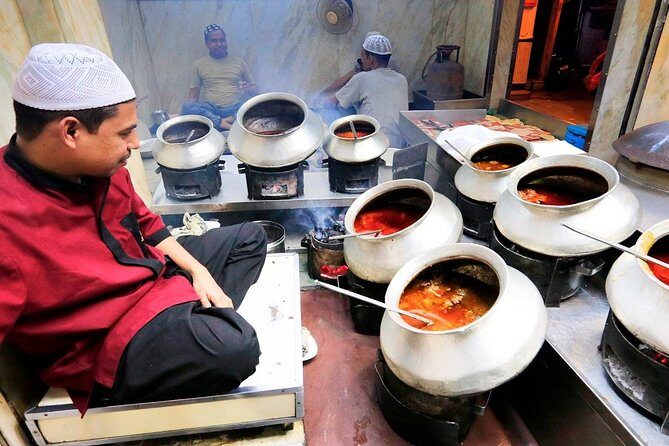
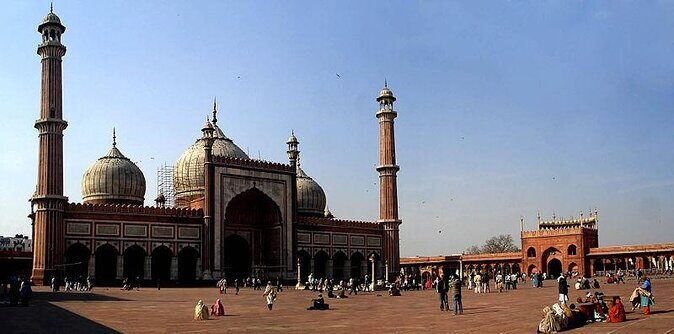
Next comes Jama Masjid, the big red-sandstone mosque in the heart of Chandni Chowk. It is one of those places where the architecture makes you look up even if you are trying to focus on lunch. The courtyard is your main time here, and the guide frames it so you understand why it sits right across from the Red Fort area.
There is also a clear logistics win: your time on-site is planned (about 30 minutes), so you see the courtyard without losing the afternoon to extra waiting. Admission is noted as included if the option is selected, while the Sunehri Masjid stop is listed as free.
Quick practical note: if you prefer clear boundaries on costs, confirm whether Jama Masjid admission is part of your selected option. That is the main detail that can affect how “included” the experience feels.
Chandni Chowk food streets and the spice market senses test
Now you get into Chandni Chowk, where the whole point is to eat and learn at the same time. This is the stop where your senses get a workout: spice stalls, busy lanes, and the smell of food that is being prepared nearby.
The guide gives facts and uses for common spices, not just names. That helps you later when you see those spices in curries, fried snacks, and breads. It is also the part of the tour that turns your meal into something you can decode.
What you should expect to taste
The tour is built around classic Old Delhi flavors. You should expect a mix like:
- pani puri
- pakoras
- stuffed parathas
- paneer masala curry
- Indian desserts at the end
The food mix is designed to work for both vegetarians and non-vegetarians. Some dishes you might encounter based on what is common in this route include options like chole bhature, plus grilled items such as paneer tikka or chicken tikka depending on your group’s tastes and the day’s menu flow.
If spice is your comfort zone, great. If you are spice-sensitive, speak up early. With a smaller group and a guide who can slow things down, it is easier to request milder choices than in a large walking tour where people are moving as one unit.
Chapatti-making at a Sikh temple kitchen: where food becomes a lesson
After the spice and snack phase, the tour shifts gears to something hands-on: a Sikh temple experience with a 24-hour kitchen where you learn the art of making chapattis. This is one of the more meaningful parts because it is not only about what you taste. It is about how food work happens—how dough turns into bread and how a community kitchen keeps going.
Even if you only observe for part of it, you will walk away with a better sense of daily food culture. And if you get a chance to participate, it is the kind of activity that makes you remember the flavors long after the last dessert is gone.
One practical upside: this kind of stop breaks up the day. You go from street-level noise to a calmer, structured space where you can catch your breath and focus on the process.



The drive past President House, India Gate, and Parliament House
After the Old Delhi portion, the experience threads in major landmarks by passing key government sites and memorials. You do not need to turn into a tour-book historian to enjoy this part, because the guide keeps the context short and usable.
You pass President House (today known as Rashtrapati Bhavan), originally built as the residence for the Viceroy of India. You also stop for sights and explanations near India Gate, including the memorial detail that names 13,300 Indian army servicemen carved on the wall who died during the First World War.
Then you see Parliament House, which houses the Lok Sabha and the Rajya Sabha (India’s bicameral parliament). This is a nice change of pace from food lanes. It also helps you understand how Delhi layers old and new in the same day.
Why this matters for a food tour
If all you do is eat, you can still have a great trip. But this route adds just enough landmark context to make the city feel less like a food-only stop and more like a real place where daily life continues around you. It is a smart way to balance taste with context inside one 4-hour window.
Price and logistics: why about $40 can make sense
At $40 per person for roughly 4 hours, this tour competes well in the Delhi food-tour market because you get more than just a guide and a walk. Included items are doing real work here:
- a small-group setup (limited to 18)
- private guiding for your group (not mixed with strangers)
- bottled water and refreshing Indian drinks
- a local tuk-tuk ride for pickup and during the tour
- a local English-speaking guide
- suitability for vegetarians and non-vegetarians
Food tours can get expensive when they only offer a small tasting and leave you to figure out the rest. Here, the structure is built around multiple planned food moments, plus desserts to finish. You are not just sampling one item and calling it done.
Also, the experience offers a mobile ticket and confirmation at booking. That reduces last-minute scrambling, which is a win when your time window is tight.
The guide factor: storytelling that helps you taste better
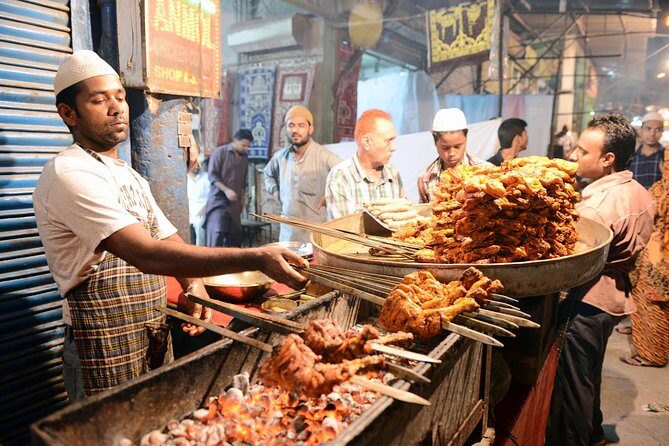
This tour is led by Local English speaking Guide support, and the results are noticeable: people have praised the storytelling and the professionalism of the arrangements. One name that pops up in the experience is Rishabh, described as a tour executive who explains local food choices clearly.
Even if you do not remember every detail, that kind of explanation helps you connect the dots. You start to notice which spices are common, how fried snacks differ from breads, and why certain dishes show up together in Old Delhi.
And because the group is capped at 18 and private for your group, it is easier to ask practical questions like:
- Is this vegetarian?
- How spicy is this?
- What is the key ingredient in this curry or filling?
How to plan your day for a smooth 4 hours
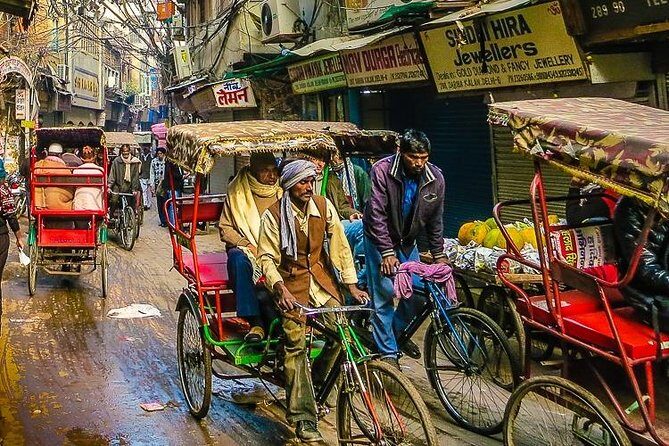
This is not a slow, sit-and-stare museum tour. It is a food-forward route with a few big sights added in. That means you should plan around comfort.
Bring these basics
- Wear comfortable shoes for mosque courtyards and market lanes.
- Carry a light layer; indoor spaces and cool evenings can shift temperatures.
- Come hungry but leave room for dessert. Indian desserts are part of the plan.
Use the guide’s strengths early
Ask about spice levels at the first food stop. If you wait until later, you may have already taken a few bites that are too strong for you. With a guide doing real route management, early questions tend to pay off.
Who this tour suits best
This fits best if you fall into one of these categories:
- You want a Chandni Chowk food experience with structure, not just wandering.
- You like food with context, especially when a temple kitchen and chapatti-making enter the picture.
- You prefer a smaller group and a private feel rather than a loud pack moving as one line.
- You want to cover Old Delhi plus a few landmark sights in one afternoon.
If you are traveling only for monuments and do not care much about food, this may feel like too much eating. But if you love the idea of learning why Delhi tastes the way it does, the combination works.
Should you book From Chaats to Chandni Chowk?
If you want a Delhi day that ends with you full, satisfied, and able to explain what you ate, I would book it. The strongest reason is the mix: street snacks, spice knowledge, a hands-on chapatti lesson at a temple kitchen, and a dessert finish, all supported by a guide and included drinks.
Before you click confirm, do one small check: make sure you understand which mosque admissions are included based on your selected option. Once you have that settled, the rest is straightforward.
If you like food tours that also add city context without turning into an all-day sightseeing slog, this is a strong fit.
FAQ
How long is the tour?
The tour runs for about 4 hours.
Where can pickup happen?
Pickup is available from anywhere in Delhi, Noida, Gurugram, Ghaziabad, and Faridabad if you select that option.
Is the tour suitable for vegetarians?
Yes. The tour is suitable for both vegetarians and non-vegetarians.
What’s included in the price?
Included items are the food and drinks tasting, bottled water and refreshing Indian drinks, a local English-speaking guide, and a small-group Delhi foodie adventure limited to 18 guests. A local tuk-tuk ride for pickup and during the tour is also included. Mosque admission depends on the option selected (Sunehri Masjid is free; Jama Masjid ticket is included if the option is selected).
Do you get a drop-off at the end?
Yes, there is a complimentary drop-off to your place of choice anywhere in Delhi, Noida, Gurugram, Ghaziabad, or Faridabad if the option is selected.
What is the cancellation policy?
You can cancel for free up to 24 hours in advance for a full refund. If you cancel less than 24 hours before the start time, you will not receive a refund.