REVIEW · NEW DELHI
Four Days Private Luxury Delhi Agra & Jaipur Golden Triangle tour
Book on Viator →Operated by The Taj Wonder Tours · Bookable on Viator
Four days, three cities, one smooth ride. This private luxury Golden Triangle tour links Delhi, Agra, and Jaipur with pre-booked hotels, daily breakfast, and an English-speaking guide—plus the big wow factor of a sunrise Taj Mahal and a jeep ride at Amber Fort. I especially like the A/C private car that keeps the logistics simple, and I also like that your hotel and breakfast are handled in advance. The main catch: monument entrance fees are not included, so you will pay for most sites on the ground.
This is the kind of trip that works when you want first-timer clarity without feeling rushed in the wrong ways. You get a built-in route with smart stops—Qutub Minar, Jama Masjid, Gurudwara Bangla Sahib, India Gate, Taj Mahal, Agra Fort, Fatehpur Sikri, and the core sights of Jaipur—while your driver and guide take care of the moving parts. If you hate early starts or you’re traveling with tight timing and want every museum detail, you may find the pace a bit full.
In This Review
- Key highlights worth knowing before you go
- The Golden Triangle in four days: what the schedule really feels like
- Day 1 in Delhi: airport pickup and the Delhi monument mix
- Day 2 in Agra: sunrise energy for the Taj Mahal, then imperial fort views
- Day 3 in Jaipur: Amber Fort jeep ride and the city’s three big stops
- Your guide and driver: why names matter for comfort and clarity
- Price and logistics: is $190 per person good value?
- What you should plan for: timing, money, and comfort
- Should you book this 4-day private Golden Triangle tour?
- FAQ
- What’s included in the tour price?
- Are monument entrance fees included?
- Do you get airport pickup and drop-off?
- What cities and major sights are covered?
- What hotel standard can I choose?
- Is this a private tour or shared group?
Key highlights worth knowing before you go
- Sunrise Taj Mahal visit for the best light and a calmer start to your day
- Amber Fort jeep excursion that turns a classic stop into an adventure
- English-speaking guide in each city to help you read the sites, not just see them
- 3- or 4-star hotel options with breakfast so you’re not negotiating meals at every step
- A/C private sedan/SUV + door-to-door transfers that reduce Delhi and city-hopping stress
- Family-friendly planning shown in real trip feedback, including support for different ages
The Golden Triangle in four days: what the schedule really feels like
The Golden Triangle is a shortcut through India’s most famous “starter pack”: imperial Delhi monuments, the Mughal masterpiece of the Taj Mahal in Agra, and Jaipur’s royal architecture and astronomy-era brainpower. The whole value of doing it privately is that you stop wasting time figuring out routes, ticket counters, and transit plans.
You should expect a trip built around travel comfort and timed sightseeing blocks. The driving days are real—there’s about 3 hours from Delhi to Agra, 3 hours from Agra to Jaipur via Fatehpur Sikri, and roughly 4 hours on the final hop back to Delhi. That’s not “relaxing,” exactly, but it is efficient, and it keeps your sightseeing days focused.
Also, this style of tour tends to work best if you want to see the big landmarks clearly rather than chase niche detours. You’ll get the major sights, in a sensible order, with explanations from your guide so the places make sense beyond the postcard.
You can also read our reviews of more private tours in New Delhi


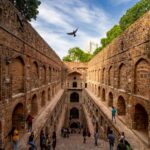
Day 1 in Delhi: airport pickup and the Delhi monument mix
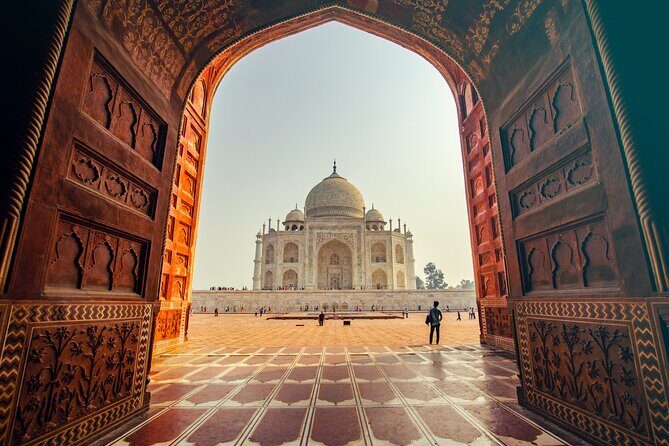
Your day starts the easy way: you’re met at Indira Gandhi International Airport by a representative or chauffeur and transferred to your hotel. This matters because first-day Delhi stress is real—after flights, you want wheels and a plan, not paperwork.
Once you’re set, you get a classic Delhi spread with a mix of eras and faiths:
Qutub Minar (about 1 hour 30 minutes)
Qutub Minar is a red sandstone tower with intricate carvings and Qur’anic verses, tied to the early Delhi Sultanate. Plan for climbing or at least viewing time that feels “vertical”—even if you don’t go deep inside, you’ll appreciate the scale. Entrance here is not included, so factor that into your budget.
Jama Masjid (about 1 hour)
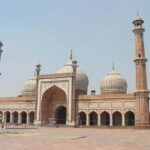
Jama Masjid is one of Delhi’s largest mosques, built under Shah Jahan in the 1600s. Even if you’re not visiting for religious reasons, it’s a major historic space with a strong sense of scale. This is one of those places where dress codes and respectful behavior matter—go in prepared to cover up and keep things calm.
Gurudwara Bangla Sahib (about 1 hour, free entry)
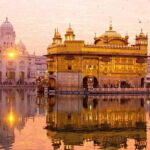
This Sikh gurdwara is known for its warm, welcoming atmosphere. It’s one of the few stops that’s listed with free admission, so it’s a nice way to balance the paid monuments.
India Gate and a look toward Parliament House (short stops)
India Gate is a war memorial on the ceremonial axis. You spend about 30 minutes here, with a view extension toward the Parliament House area. This is quick, but it gives you a sense of modern Delhi’s official architecture, right after the older sacred and historic sites.
Then the long transfer to Agra
Later, you travel to Agra by expressway. The schedule puts this at around 3 hours, and the value of the private car is that you’re not juggling public transport in a new country.
Day 2 in Agra: sunrise energy for the Taj Mahal, then imperial fort views
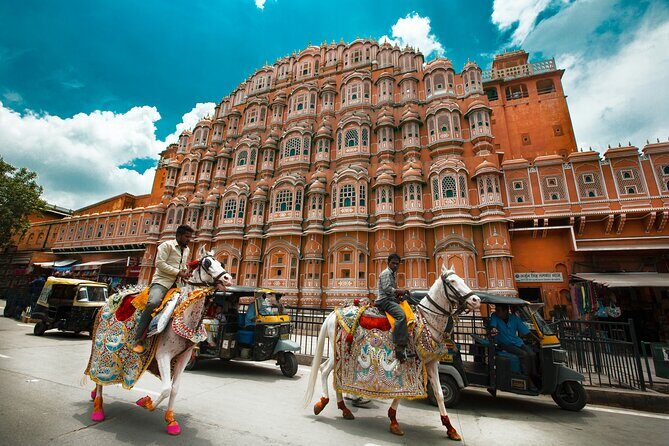
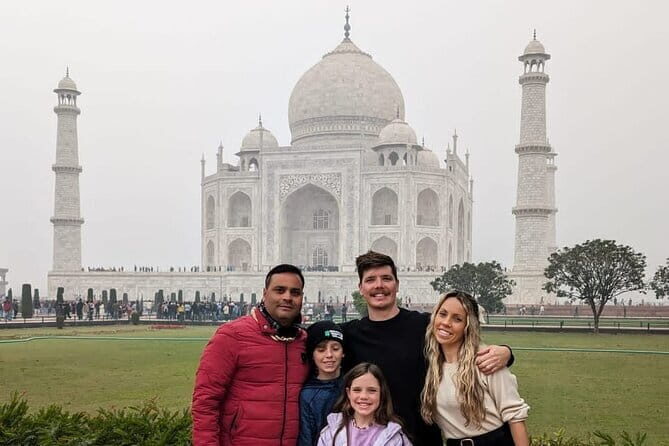
Agra is where the Golden Triangle earns its name. Your most iconic moment comes early: a sunrise Taj Mahal visit. You’re scheduled for about 2 hours at the Taj Mahal, and the sunrise timing isn’t just romantic—it’s practical. The light is better, and you start before crowds peak.
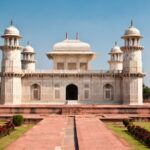
The Taj Mahal is a UNESCO World Heritage site and the famous tomb built by Shah Jahan for Mumtaz Mahal. With an English-speaking guide, you get more than surface-level viewing. You can focus on the design details—domes, minarets, symmetry—because someone explains what you’re looking at.
Agra Fort (about 1 hour)
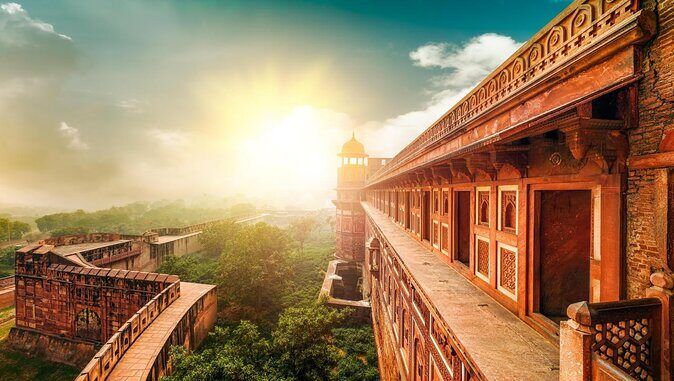
After the Taj, you return and refresh, and later visit Agra Fort, a UNESCO site with red sandstone walls that enclose palaces, audience halls, and two mosques. The fort is scheduled for about 1 hour, which is enough to grasp the Mughal power center without turning it into an all-day march. Entrance fees are not included here, so have your payment plan ready.
A real smart move: the Fatehpur Sikri stop
On the way toward Jaipur, you visit Fatehpur Sikri (about 1 hour 30 minutes), described as a perfectly preserved ghost town. It was built by Akbar and abandoned after about 14 years. This stop is a great palate cleanser from the intense Taj-and-fort loop. It also adds variety: the “abandoned city” feel makes you slow down and look longer.
Then you drive to Jaipur. The transfer is scheduled for about 3 hours. You land in time for the main Jaipur sights the next day.
Day 3 in Jaipur: Amber Fort jeep ride and the city’s three big stops
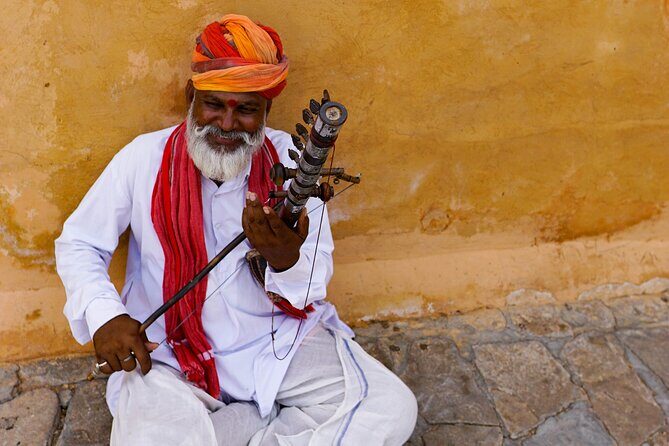
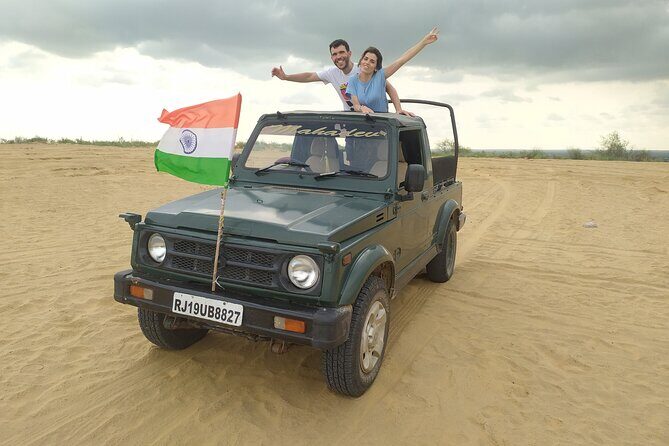
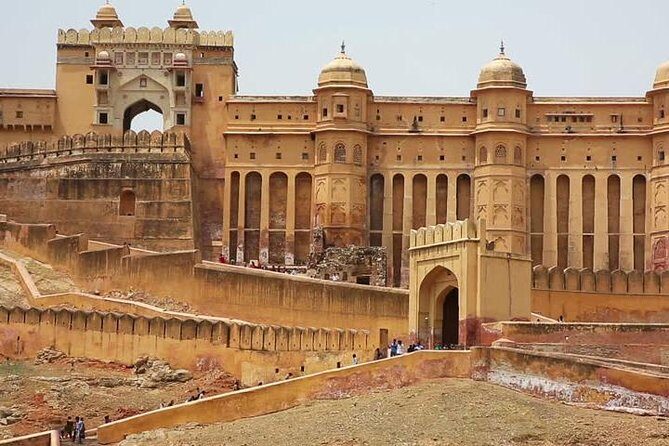
Jaipur is where you get the royal-city personality. You start with Amer Fort (Amber Palace), scheduled for about 2 hours. The headline here is the special jeep ride at Amber Fort. That one detail changes the vibe immediately. It’s not just walking up hill paths—you’re using vehicles to reach the fort area, which helps if you want the “iconic” look without exhausting yourself before the rest of the day.
Amber Fort is known for its artistic style elements, and the timing works well: you do it early, while energy is still high and before the day’s heat and crowds build.
Next comes Jantar Mantar (about 1 hour), Jaipur’s observatory and a UNESCO site. This is a great reminder that Jaipur wasn’t only about palaces. It also reflects the court’s astronomy and measurement skills. The guide’s job matters most here—because without context, it can look like a collection of big stone instruments.
City Palace of Jaipur (about 1 hour)
After lunch, you tour the Maharaja’s City Palace, now partly a museum. Expect a blend of Mughal and Hindu architecture, with a rare collection of paintings, Rajput armor, and costumes. This stop gives you the feel of how the royal court looked and how power was displayed.
Hawa Mahal (about 30 minutes)
Finally, you visit Hawa Mahal, the Palace of Wind, built in red and pink sandstone and extending toward the Zenana women’s quarters. The allotted time is about 30 minutes, which makes sense because the beauty is in the façade rhythm and the quick sightline opportunities. If you love photography, use that half hour well.
Then the day ends with the return drive to Delhi, about 4 hours, with drop-off at Delhi airport or your hotel.
Your guide and driver: why names matter for comfort and clarity
In places like Delhi, Agra, and Jaipur, the difference between seeing and understanding often comes down to the guide. This tour is built around professional English-speaking guidance, and the strongest feedback patterns show real names tied to good on-the-ground help.
I noticed recurring mentions of guides such as Manindra in Delhi, Ishi in Agra, and Pratik in Jaipur—people called out for being friendly and helpful while explaining what you’re looking at. On the driver side, names like Birendra, Vijay, and Ravi Yadav show up in feedback tied to smooth pickup and care during the day. While I can’t promise your exact team, that pattern is a good sign: the operator clearly invests in staff who can handle logistics and keep the day comfortable.
A small but meaningful point: because it’s private, your guide isn’t competing with other groups for attention. You can ask questions, pace yourself, and keep the day from turning into a checklist stampede.
A few more New Delhi tours and experiences worth a look





Price and logistics: is $190 per person good value?
At $190 per person, the value depends on what you want from a short trip: comfort, organization, and a guided route that hits the major highlights without the planning headache.
Here’s what you’re paying for that often costs more when booked separately:
- Private A/C transportation in a Toyota sedan/SUV with fuel, tolls, parking, and driver allowances covered
- 3 nights of hotel accommodation with breakfast (you can select 3- or 4-star options)
- A professional English-speaking tour guide across the route
- Airport pickup and door-to-door transfers
- A paid-feeling activity included: the Amber Fort jeep ride
Now the trade-off: monument entrance fees are not included. That means Qutub Minar, Taj Mahal, Agra Fort, Fatehpur Sikri, Amber Fort, Jantar Mantar, City Palace, and Hawa Mahal all come with additional costs. You’ll also pay personal expenses like tips, laundry, phone bills, and beverages.
So is it value? If you’d otherwise spend time arranging private transport, hunting tickets, and coordinating guides for three cities, this bundle usually makes sense. If you’re a do-it-alone traveler who already knows exactly how you’ll move and you don’t mind paying as you go, you might compare costs against booking each city separately.
What you should plan for: timing, money, and comfort
This tour is designed for smooth movement, but the sightseeing rhythm is still intense—especially around Agra and Jaipur.
Expect an early morning for the Taj Mahal. Sunrise visits work because they start before the day heats up and before the peak crowd. If mornings are your enemy, plan ahead: eat breakfast if available, and keep water handy.
Bring cash for entrance fees and extras. Since entrance tickets are directly paid, you’ll want the ability to pay quickly when you arrive. Also keep some flexibility for personal items and optional purchases.
Wear shoes you can walk in. Forts and courtyards mean uneven surfaces and stairs. Even with jeep access at Amber Fort, you’ll still walk.
Dress thoughtfully at religious sites. Jama Masjid and Gurudwara Bangla Sahib are sacred spaces. Covering up and staying respectful makes the visit smoother for everyone.
Money math tip: If you’re choosing between 3- and 4-star hotels, remember that hotel price is already baked in. Your bigger variable during the trip is entrance fees plus what you spend outside the included meals.
Should you book this 4-day private Golden Triangle tour?
Book it if you want the Golden Triangle highlights with less friction: private A/C transfers, English guidance, organized hotel stays, and a route that hits Delhi, Agra, and Jaipur efficiently. It’s also a smart choice if you want iconic moments like the sunrise Taj Mahal and the Amber Fort jeep ride without spending your precious vacation days coordinating details.
Consider a different style if you’re traveling on a very strict budget and hate paying entrance fees at multiple stops. Also think twice if you want a slower pace with lots of downtime—this plan is built for momentum.
If you like clear structure, short targeted sightseeing blocks, and the feeling of being handled from pickup to drop-off, this one is a solid match. You’ll come away with three cities’ worth of meaning, not just three sets of photos.
FAQ
What’s included in the tour price?
You get a private exclusive air-conditioned Toyota sedan/SUV, 3 nights of accommodation with breakfast (based on your booking option), a professional English-speaking tour guide, the special jeep ride at Amber Fort, fuel and toll taxes, driver allowances, parking charges, and breakfast (3).
Are monument entrance fees included?
No. Entrance fees to monuments are directly paid by you. Many of the major sights on the route are listed as not included.
Do you get airport pickup and drop-off?
Yes. You’re met at Indira Gandhi International Airport and transferred to your hotel. At the end, you’re dropped at the Delhi airport/your hotel.
What cities and major sights are covered?
The tour covers New Delhi, Agra, and Jaipur. Key sights include Qutub Minar, Jama Masjid, Gurudwara Bangla Sahib, India Gate, the sunrise Taj Mahal, Agra Fort, Fatehpur Sikri, Amber Fort, Jantar Mantar, City Palace, and Hawa Mahal.
What hotel standard can I choose?
You can choose three- or four-star hotel accommodation as part of the booking option.
Is this a private tour or shared group?
This is a private tour/activity. Only your group participates.