REVIEW · HAVELOCK ISLAND
Exploring the Skies with Newtonian Telescope
Book on Viator →Operated by Seashell Habitat Institute Activity Centre · Bookable on Viator
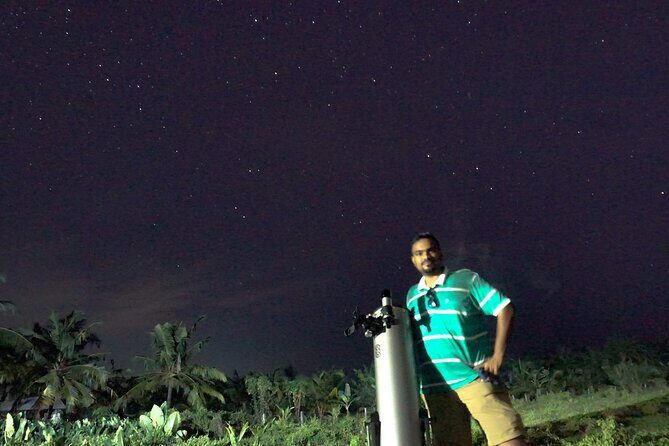
You get a front-row seat to Andaman’s night sky. This Havelock stargazing session uses a Newtonian telescope and pairs telescope views with naked-eye constellations and real explanations from guides like Aditya. I love that it’s set up specifically to reduce light pollution by walking about 500 meters from the main meeting area. One thing to consider: the session depends on clear weather, and group mix (including kids) can change how much attention everyone gets.
Two big wins for me are the show-and-tell flow—starting with sky basics and then moving to the telescope—and the chance to see dramatic objects like Saturn and Jupiter. I also like the personal touch: the guide work turns the sky into stories, not just facts. A possible drawback is timing and comfort; if you’re expecting cozy seating, it can help to bring a light layer or note that some people asked for recliner-style comfort since the session can run close to two hours.
In This Review
- Key Highlights I Think You’ll Care About
- Where This Stargazing Happens: SeaShell, Havelock to a Darker Patch
- The 8 PM Start: How the Session Works (And What to Expect)
- What You’ll See Through the Newtonian Telescope
- The Sky Basics Lesson: Naked-Eye Constellations First
- The Storytelling Part: Why Explanations Make the Night Better
- Timing, Comfort, and Group Size: The Practical Bits
- Getting There and What to Bring
- Price and Value: Is $33.71 Worth It?
- Weather Reality Check (And How to Think About It)
- Should You Book Newtonian Telescope Stargazing in Havelock?
- FAQ
- Where is the stargazing session located?
- How much does it cost per person?
- How long does the activity last?
- What time does it run?
- What do we do during the session?
- Is the experience suitable for beginners?
- How big are the groups?
- What happens if the weather isn’t clear?
- Do I get a mobile ticket?
- Is the session accessible for people with service animals?
Key Highlights I Think You’ll Care About
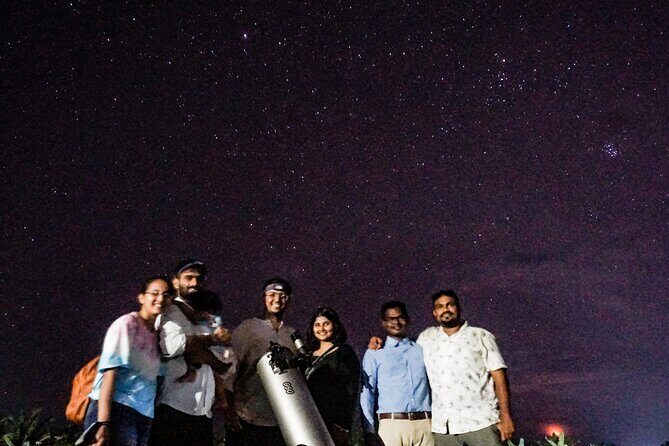
- Darker-sky start: The activity begins about 500 meters away where light pollution drops.
- Newtonian telescope focus: You don’t just look at charts; you look through the scope.
- Beginner-friendly sky lesson: You start with constellations by eye before telescope views.
- Clear-weather dependent: The experience needs good skies, and poor conditions can affect what happens.
- Small group size: Maximum of 15 people, which usually helps the guide manage questions.
- Guides bring it to life: Aditya (and others like Harshal) are repeatedly praised for warm, patient explanations.
Where This Stargazing Happens: SeaShell, Havelock to a Darker Patch
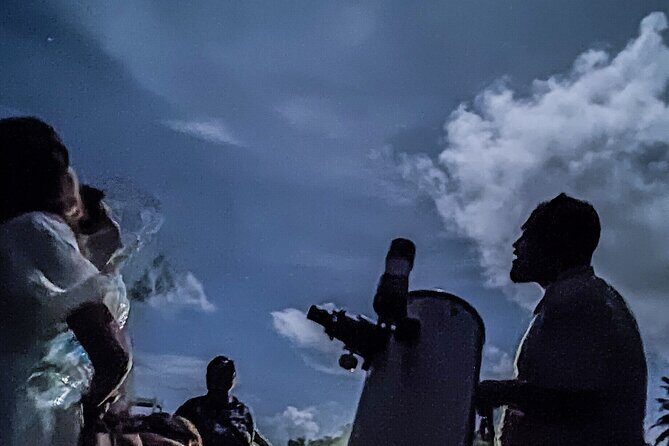
This night activity is based around SeaShell, Havelock No-02, on Swaraj Dweep (Havelock Island). You’ll meet at that main point, then the session actually starts about 500 meters away, in a spot with less street lighting than the main area. That small distance matters more than you’d think. In island towns, even a short walk can make the difference between vague stars and a sky that feels sharp and alive.
The session is scheduled in the evening, and it’s designed for the time when the sky is truly dark. Opening hours list a daily window from 8:00 PM to 10:00 PM, with the activity ending back at the meeting point afterward. If you’re the type who likes a clear plan, this one is straightforward: show up, walk to the viewing area, learn the sky, observe through the telescope, then head back.
You can also read our reviews of more tours and experiences in Havelock Island.


The 8 PM Start: How the Session Works (And What to Expect)
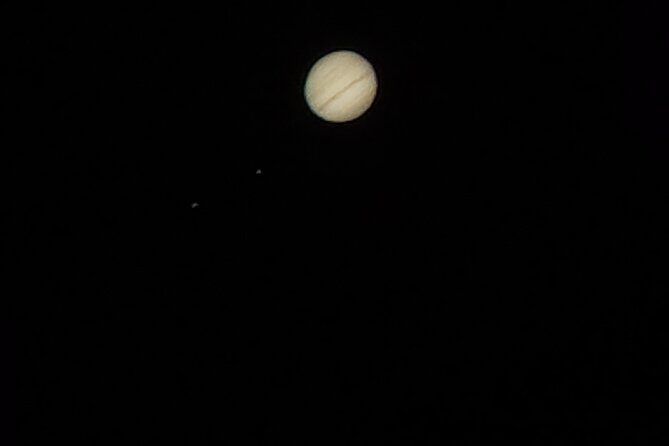
The flow is built for people who are curious but new to astronomy. It begins with a short telescope introduction, so you understand what you’re looking at before the views start. Then you begin with naked-eye observations—constellations first, not deep technical astronomy. That’s a smart choice. If you can find a few patterns with your own eyes, the telescope views feel less random.
After that, you move to telescope observing of specific celestial objects. The guide keeps talking throughout with basic storytelling and explanations tied to what you’re currently seeing. One reason people get hooked here is that the astronomy lesson stays connected to the moment. You’re not just passively listening; the guide helps you connect a bright point of light to what’s actually going on.
Duration is listed at about 1 hour 30 minutes (approx.). In practice, people mention it can run about 2 hours, so I’d plan for closer to two than 90 minutes. Once it’s dark, you’ll also want to avoid treating it like a quick photo stop. This is a slow, watch-and-learn experience.
What You’ll See Through the Newtonian Telescope
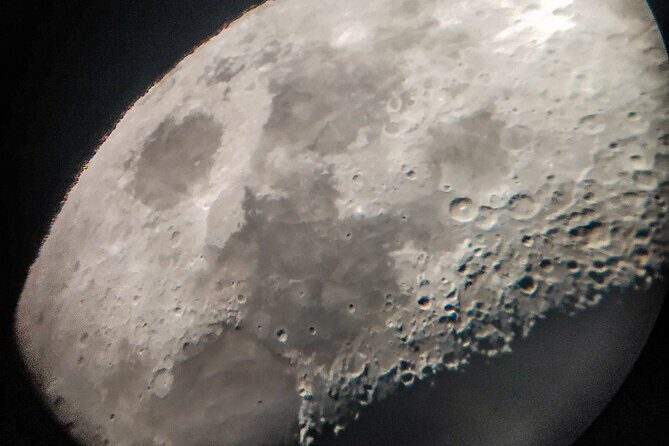
This is the heart of the activity. The Newtonian telescope isn’t there for decoration—it’s there so you can actually observe striking targets rather than just look at the night sky in general.
From what I’ve seen reflected in the session descriptions, the telescope views commonly include objects like:
- Saturn, including talk about its rings
- Jupiter and its visible companions (including moons when conditions allow)
Even if you only remember one thing, I’d make it this: you’ll likely see the “wow” objects that people usually only learn about in school. That makes it a fun contrast to the usual Andaman routines. If you’ve already done scuba or snorkeling, this gives your brain something different—less water, more sky.
Also, the session doesn’t stop at the telescope view. The guide often explains why you see what you see. For example, people mention explanations like why we see only one face of the Moon and why stars were used for navigation in the past. That kind of context turns a view into a story you can carry home.
The Sky Basics Lesson: Naked-Eye Constellations First
A lot of star parties skip the “how to look” part. This one starts with it. You begin with constellations by eye. That helps you build a quick mental map before the telescope changes the scene.
This approach pays off in two ways:
- You stop feeling lost. The sky isn’t only a background; it becomes organized.
- The telescope views connect to something you already spotted. When the guide points to a region you recognize, the whole session feels more satisfying.
I also like that the explanations stay beginner-level. You don’t need prior astronomy knowledge. The point is to get you comfortable enough that the sky starts to make sense, one pattern and one object at a time.
The Storytelling Part: Why Explanations Make the Night Better
People often think stargazing is mostly about the equipment. But here’s what usually makes it memorable: the guide’s narration. Guides such as Aditya are repeatedly described as warm, welcoming, and patient, with explanations that keep the night light and fun rather than lecture-like.
This is where you get the “wait, that’s cool” moments:
- Learning the role of constellations in human navigation
- Understanding why Moon observations work the way they do
- Picking up small astronomy facts tied directly to what you’re seeing that night
That storytelling layer is what converts casual interest into real curiosity. Even if you’re not a science person, you can still follow along because the guide keeps linking explanations to the visible sky.
If you’re traveling with someone who thinks astronomy is too technical, this is also a good level to start. It’s structured enough to be understandable, but interactive enough to stay entertaining.

Timing, Comfort, and Group Size: The Practical Bits
This is a night session and the viewing area is outdoors. Plan for it to feel cooler than you expect, especially when you’re sitting still for a while. Dress in layers. If you hate cold hands, bring something for them.
There’s another comfort point that comes up: people sometimes wish for more comfortable seating. One suggestion mentioned arranging recliner-style chairs, since the session can last around two hours. You may not get that exact setup, but it’s a good reminder to come prepared—bring a light wrap and be ready for a longer sitting session than a quick activity.
Group size is capped at 15 people. That’s small enough for the guide to notice who needs help finding objects. It also means your experience can depend on the group mix. If you’re aiming for a quiet, focused vibe, try to keep expectations realistic when you’re in a mixed group.
Getting There and What to Bring
Your meeting point is SeaShell, Havelock No-02, Swaraj Dweep (Beach, Govind Nagar), Havelock Island. The activity starts 500 meters away from there to a lower-light area, and it ends back at the meeting point.
The tour uses a mobile ticket, so have it accessible on your phone. Service animals are allowed, which is helpful information if you need one for support. It’s also listed as being near public transportation, so you shouldn’t need a private car to get there.
What I’d bring for an easier night:
- A light layer (nights can cool down fast)
- Something warm for your legs if you get cold sitting
- Your phone with enough battery if you like to reference the sky (though the goal is observing, not screen time)
Price and Value: Is $33.71 Worth It?
At $33.71 per person, this isn’t a random gimmick. It costs about what you’d expect for a specialized night experience, and it includes real equipment-based observing and guided explanation.
Here’s how I’d judge value for you:
- If you want something different from standard beach activities, this delivers a clear change of pace.
- If you’re brand new to astronomy, the structured beginner approach helps you leave with understanding, not just photos.
- If you’re hoping for classic planets, this session is built around telescope observing—not just vague star spotting.
If you’re already deep into astrophotography and hardcore astronomy, you might find it less advanced than a technical observing night. But for most people visiting Havelock, this is one of the best ways to turn clear skies into a memorable skill: looking smarter at the sky.
Weather Reality Check (And How to Think About It)
The experience requires good weather. That matters in the Andaman islands because clouds can erase the very views you came for. If conditions aren’t suitable, it may be canceled, and you’ll usually be offered a different date or a full refund.
My practical advice: schedule this when you have flexibility. If it’s your only free night and the skies turn cloudy, you may feel stuck. If you’ve got at least a couple nights in your plan, you’ll have a much better chance of catching clear skies.
Should You Book Newtonian Telescope Stargazing in Havelock?
I think you should book it if you want a night activity that’s genuinely different from the usual ocean-and-forest loop, and you like the idea of learning as you look. It’s a strong pick for first-timers because it starts with constellations and moves to telescope views like Saturn and Jupiter in a guided, understandable way.
Skip it (or at least adjust expectations) if you only want a fast, casual look and you hate being outdoors for up to around two hours. Also, if your group includes very young kids who may lose interest quickly, plan for that attention span to shape the atmosphere.
If you’re a curious adult, a couple, or a small group who enjoys explanations with their sightseeing, this is a solid value: small group size, dark-sky viewing, a real telescope setup, and guide-led storytelling that makes the sky feel less mysterious.
FAQ
Where is the stargazing session located?
It’s in Havelock Island, India, with the meeting point at SeaShell, Havelock No-02, Swaraj Dweep (Beach, Govind Nagar). The activity starts about 500 meters away from the meeting point and ends back there.
How much does it cost per person?
The price is $33.71 per person.
How long does the activity last?
The duration is listed as about 1 hour 30 minutes (some people note it can run closer to two hours).
What time does it run?
Opening hours show Monday–Sunday, 8:00 PM to 10:00 PM.
What do we do during the session?
You’ll get a telescope description, do naked-eye constellation observations, then observe celestial objects through the telescope. The guide also includes sky storytelling and basic discussion based on what’s visible.
Is the experience suitable for beginners?
Yes. It’s described as a beginner-level session targeted at people intrigued by the universe.
How big are the groups?
The activity has a maximum of 15 travelers/participants.
What happens if the weather isn’t clear?
This experience requires good weather. If it’s canceled due to poor weather, you’ll be offered a different date or a full refund.
Do I get a mobile ticket?
Yes, the experience includes a mobile ticket.
Is the session accessible for people with service animals?
Service animals are allowed.