REVIEW · BANGALORE
Discover Bangalore with Me
Book on GetYourGuide →Operated by Bangalore Storia · Bookable on GetYourGuide
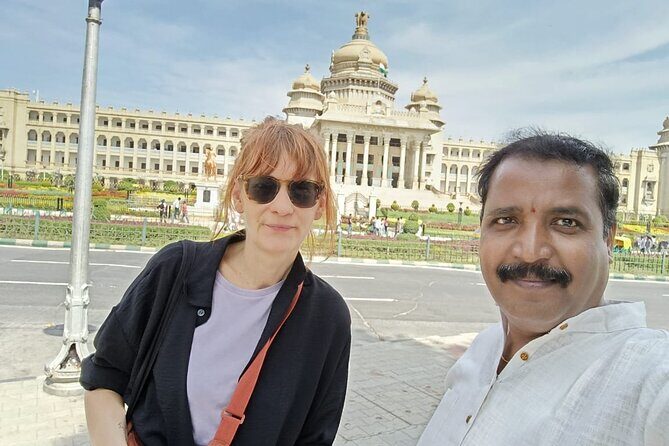
A walk like this turns big roads into real stories. You cover MG Road and Brigade Road, then shift to KR Market’s flower world and finish at Tipu Sultan’s Summer Palace, with a local guide who keeps the pace relaxed. I love the private, no-rush feel and the way Anand (your guide) connects places to the city’s changing eras, from British-era corners to Mysore-era landmarks. The only real caution: it’s a moderate-walking experience, and it’s not the right match if you have back problems, vertigo, or you’re pregnant.
What makes this one worth your time is practical context you can use immediately. You get oriented fast, then learn how the market runs day-to-day—colors, scents, and the vendor reality—not just photos and facts. I also like that metro transit is built into the plan, with metro tickets included, so you’re not solving logistics while navigating crowds.
One possible drawback to consider: the tour includes an approximate 2–3 USD entry fee at Tipu Sultan’s Summer Palace, and you’ll want to budget for water and snacks since those aren’t included.
In This Review
- Key highlights at a glance
- Entering the day: a 5-hour metro-and-walk route through Bangalore
- MG Road and Brigade Road: where Bangalore’s modern face meets older stories
- Practical tip
- Cauvery Emporium to the side-street maze: spotting landmarks with meaning
- KR Market and the flower stalls: scents, vendor routines, and colonial-era architecture
- What you should expect during the market segment
- Bangalore Fort from the Kempe Gowda era: small footprint, real significance
- Kote Venkataraman Temple: an early 17th-century stop with Mysore-era context
- Tipu Sultan’s Summer Palace: teakwood architecture and museum artifacts
- What to do if you’re short on time in the palace
- Metro tickets, safety, and what to bring to stay comfortable
- Who should book this walk, and who should skip it
- Price and value: what $21 gets you in Bangalore
- Language and pacing: an easy day to follow
- Should you book Discover Bangalore with Me?
- FAQ
- Where does the tour meet?
- Where does the tour end?
- How long is the tour?
- Is this a private tour?
- What’s included in the price?
- What is not included?
- What should I bring?
- Which languages are available?
- Who should avoid this tour?
- How does cancellation work?
Key highlights at a glance
- MG Road orientation from the MG Metro Station so you start with a clear sense of where you are
- Cauvery Emporium + Brigade Road history tied to landmark buildings and older street patterns
- KR Market as Asia’s largest flower market focus with vendor life and British-era architecture
- Bangalore Fort from the Kempe Gowda era: small site, big local significance
- Kote Venkataraman Temple (early 17th century) tied to the Mysore Wodeyars
- Tipu Sultan’s Summer Palace with teakwood architecture and museum artifacts
Entering the day: a 5-hour metro-and-walk route through Bangalore
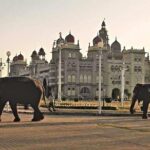
This is a private, guided walk built around Bangalore’s rhythm rather than a checklist. You start at MG Road Metro Station (meeting at the entrance by the statue of an Elephant) and then move by metro for short stretches. The total time is around 5 hours, which is long enough to feel you’ve seen more than just the famous stops.
The “no rush” part matters. You’re not herded through. You can ask questions, take photos, and pause when the street gets busy. In a city where the pace can feel intense, having a guide who controls the tempo helps a lot.
Because it’s a private group, it’s also easier to tailor the day to your comfort level. If you’re more into street life and architecture, you can lean that way. If you’d rather focus on history, you can do that too. Anand’s style, based on what people emphasize, is patient and question-friendly—so you won’t feel cut off when you get curious.
You can also read our reviews of more tours and experiences in Bangalore.
MG Road and Brigade Road: where Bangalore’s modern face meets older stories
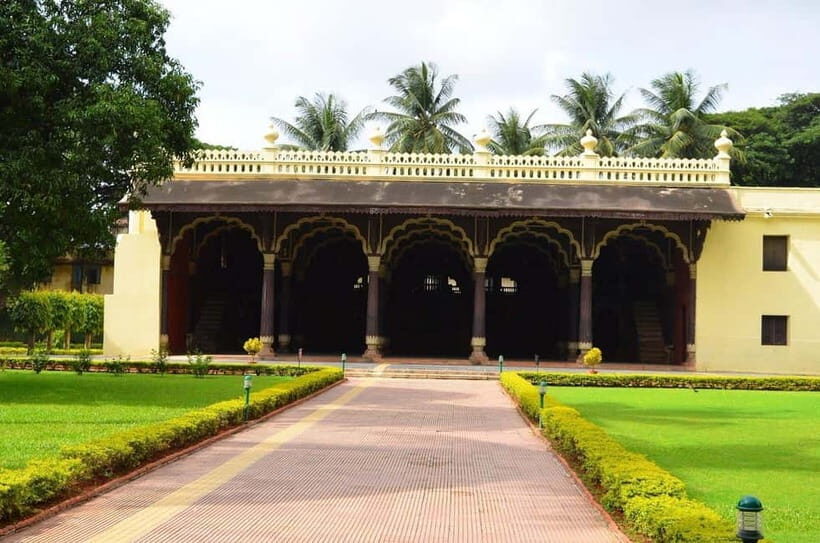
The day begins in the MG Road area, one of Bangalore’s best places to get your bearings. You’ll have a photo stop early, then a guided look at the road’s landmark buildings and the street history around them. Starting at a metro hub is smart: it’s easy to reach, and it keeps the first leg simple.
One of my favorite parts of this kind of opening is how it changes your brain’s map. MG Road can look like just another city corridor until someone points out what to notice—why certain buildings and roads evolved where they did. You’ll walk down and around Brigade Road and MG Road, including the Cauvery Emporium area, and then you’ll head into smaller lanes where the city feels less polished and more lived-in.
There’s also an “alley” element. That’s where street history shows up fastest: older shopfront patterns, the scale of side streets, and the sense of what people do day-to-day. Even if you only catch small details, this is how you start seeing Bangalore as a layered place instead of a set of monuments.
Practical tip
Wear shoes you can walk in comfortably. This isn’t a slow sightseeing stroll the whole time—you’ll be moving between sites and through busy market zones.
Cauvery Emporium to the side-street maze: spotting landmarks with meaning
After the early MG Road orientation, you shift into a more story-driven walk. The guide takes you through the history of the road, then connects it to the landmarks you’re seeing. You’ll also get time for small photo stops along the way.
The biggest value here isn’t just knowing what a building is called. It’s understanding why it matters in Bangalore’s city story—how old commercial areas gave way to newer patterns, and how streets and businesses shaped the neighborhood over time. When you know the “why,” you notice more on your own later.
You’ll also see how a busy commercial street can hide quiet bits of older Bangalore. Those side alleys are useful for anyone who wants the feel of the city beyond main roads.
KR Market and the flower stalls: scents, vendor routines, and colonial-era architecture
KR Market is where the tour becomes sensory. You head there after the earlier city walk and metro movement, and you spend a focused chunk of time around the market area with a clear theme: the flower market and what daily vendor life looks like.
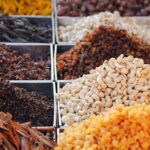
This is described as Asia’s largest flower market, and the emphasis is on the colors and scents, plus the hustle and bustle of how trading works. You’re not just walking past stalls; you’re learning the rhythm—how flowers move, what vendors deal with, and why the market’s schedule matters to locals.
The market itself has deep architectural clues too. The building and nearby structures reflect British-era establishment, so while you’re standing among today’s activity, you’re also looking at the colonial-era bones of the place. That mix is part of the fun: you’re seeing Bangalore as a city that reuses space and overlays new life on older structures.


What you should expect during the market segment
- Strong visual focus (plenty to photograph)
- Close-range street interaction (crowds can form quickly)
- A guide who helps you navigate safely and efficiently
This is also where a good guide makes or breaks the experience. The tour is designed so you’re not stuck doing awkward stops while people flow around you. If crowds aren’t your favorite thing, this is still manageable because you’re moving with someone who knows how to time pauses.
Bangalore Fort from the Kempe Gowda era: small footprint, real significance
Next comes Bangalore Fort. It’s not huge, but it’s presented as significant, dating back to the Kempe Gowda era. That’s the key idea: smaller historic sites can still anchor a place in time.
You’ll get a photo stop and guided time here, with context to help you understand what you’re looking at and why locals connect the fort to Bangalore’s early identity. When you travel, it’s easy to miss these “smaller but meaningful” stops—this tour treats it as part of the core story.
If you like history but hate being overwhelmed by massive sites, this is a good balance. You get time, explanation, and then you move on without losing momentum.
Kote Venkataraman Temple: an early 17th-century stop with Mysore-era context
After Bangalore Fort, you move toward Kote Venkataraman Temple, one of the older temples in Bangalore. It’s described as being built in the early 17th century during the reign of the Mysore Wodeyars.
This temple stop works well because it connects city history to faith and local tradition. It’s not just sightseeing. The guide’s job is to give you context—what makes this temple old, and how that fits into the larger Mysore-era story of the region.
Even if you’re not deeply into temple architecture, this is a chance to slow down and observe. Temples often change how you feel in a place. The best part is that you’re not doing it in isolation; you’re building context from the earlier stops.
Tipu Sultan’s Summer Palace: teakwood architecture and museum artifacts
The final major highlight is Tipu Sultan’s Summer Palace. The tour frames it as a marvel of teakwood architecture, and you’ll spend guided time there that includes museum-style exhibits with Tipu Sultan’s artifacts.
This is the moment when the day’s story arc clicks into place. You start the day in modern Bangalore streets, then you work your way through earlier commercial life and local fort and temple history, and finally land in a royal-period site with physical objects and a museum layer.
One important budgeting note: entry fee is not included, and it’s listed as approximately 2–3 USD. You’ll want to carry some cash or be ready to pay on site.
What to do if you’re short on time in the palace
Bring your attention to what the guide emphasizes. If the museum exhibits feel like a lot, choose a few items that connect best to the architectural story. That’s where the guide’s explanations make you remember more than just the building photo.
Metro tickets, safety, and what to bring to stay comfortable
This tour uses Bangalore Metro to commute between parts of the route. Metro tickets are included, which is a real value add when you’d otherwise have to figure out transit basics during a busy day.
The meeting point is designed to be easy and safe: MG Metro Station entrance, near the statue of an Elephant, and the guide will be carrying a small blue backpack. That detail matters more than people think. In a crowded station area, it prevents lost time and stress.
What you should bring:
- Hat
- Water
Also, the tour doesn’t include bottled water or food, so plan to buy something if you need it. If you’re doing the market and palace segments back-to-back, you’ll appreciate having water handy.
Not allowed rules include no pets and no alcoholic drinks in the vehicle (though most of your time is walking/metro rather than a long vehicle ride).
Who should book this walk, and who should skip it
This is a great fit if you want a guided route through Bangalore that mixes old and newer spaces without turning the day into a sprint. It’s especially well suited to:
- First-time visitors who want fast orientation
- Travelers who like markets and street life, not just monuments
- People who enjoy asking questions and getting clear explanations
Avoid it if any of these apply:
- Back problems (not recommended)
- Vertigo (not suitable)
- Pregnancy (not suitable)
- Wheelchair users (not wheelchair accessible)
It’s also important to note that the guide keeps things paced, but it still involves walking through market crowds and historic areas. “No rush” isn’t the same as “zero walking.”
Price and value: what $21 gets you in Bangalore
At around $21 per person for a 5-hour private tour, this isn’t just a cheap walk. You’re paying for time with a guide, plus transit support.
Here’s what’s included:
- Bangalore metro tickets
- Private guide
- 1 souvenir per guest
- Price for infants
Not included:
- Tipu Sultan’s Summer Palace entry fee (~2–3 USD)
- Bottled water and food
In practical terms, you’re mostly covering guidance and metro costs, plus access to a route that’s easier (and safer) than trying to stitch it together on your own. The big reason it feels good value is the guide. The way Anand is described—knowledgeable, passionate, patient, and attentive—matters because it changes what you get from each stop. You’re not just collecting images; you’re building a mental map of Bangalore.
If your budget is tight, this tour still works because the most significant extra cost is only the Tipu Palace entry. Bring water and plan a snack, and you’re set.
Language and pacing: an easy day to follow
The guide works in English, Hindi, Kannada, Malayalam, and Tamil. That’s useful if you’re traveling with someone who isn’t fully comfortable in English.
Pacing is described as self paced, no rush. You’ll still be on a schedule, but you’re allowed to slow down for questions and photo moments. That reduces the usual “we’re late, keep moving” stress that can make city walks tiring.
Should you book Discover Bangalore with Me?
If you want Bangalore with stories you can actually remember, I’d book it. This tour is built for orientation plus texture: MG Road and Brigade Road context, KR Market market-life and architecture, then fort-and-temple history, ending with Tipu Sultan’s Summer Palace. The metro-based structure also keeps it realistic for a half-day plan.
Skip it only if your health limits walking through crowds or if you already know you won’t enjoy market sections. And do budget a little extra for Tipu Palace entry and a bottle of water.
If your goal is to leave Bangalore with more than photos—more like a city you understand—this private walk is a smart, good-value choice.
FAQ
Where does the tour meet?
You meet at the entrance of MG Metro Station. The guide will be there by the statue of an Elephant, carrying a small blue backpack bag.
Where does the tour end?
The tour ends at K R Market Metro station.
How long is the tour?
The tour is listed as 5 hours.
Is this a private tour?
Yes. It’s a private group, meaning only you (and your friends/relatives, if applicable) participate.
What’s included in the price?
Included are Bangalore Metro tickets, a private guide, 1 souvenir per guest, and the price for infants.
What is not included?
You’ll need to budget for the entry fee at Tipu Sultan’s Summer Palace (about 2–3 USD) and for bottled water and food.
What should I bring?
Bring a hat and water.
Which languages are available?
The live tour guide speaks English, Hindi, Kannada, Malayalam, and Tamil.
Who should avoid this tour?
It’s not recommended for travelers with back problems, and it’s not suitable for pregnant women or people with vertigo. It is also not wheelchair accessible.
How does cancellation work?
You can cancel up to 24 hours in advance for a full refund.