REVIEW · NEW DELHI
Delhi:Private Old & New Delhi Tour.Full &Half Day By Ac Car
Book on GetYourGuide →Operated by REFAJ TRAVELS · Bookable on GetYourGuide
Delhi traffic is real. This tour makes it manageable.
You get a private AC car plus a live guide to stitch together Old Delhi and New Delhi without you playing transportation chess. I especially like the way the route mixes big monuments with street-level moments like Chandni Chowk on a rickshaw. One thing to plan for: if you start after 11:00 AM, you’ll likely miss the full Old Delhi portion.
What I like most is the pace and structure. You’re taken to headline stops like the Red Fort and Jama Masjid, then you transition to New Delhi’s iconic sites like Qutub Minar and Lotus Temple in a way that still feels like a tour, not a checklist. The second big plus is the flexibility with a human guide: guides such as Shamin, Mohammad Arsh, and Aakil have handled questions well and adapted when plans needed adjusting.
The main drawback is timing and crowd/closure reality. Red Fort or Lotus Temple can be closed on certain days, and queues can affect how much time you get at places like the Lotus Temple area. Also, if your day includes a gurudwara stop, you’ll need to deal with barefoot rules and slick floors.
In This Review
- Key highlights worth the attention
- Old Delhi starts at Red Fort: the Mughal “opening scene”
- Chandni Chowk by rickshaw: street life without the stress
- Jama Masjid: the 17th-century centerpiece and how to visit well
- Lunch and the reset between Old and New Delhi
- Qutub Minar and Humayun’s Tomb: two styles, same Mughal gravity
- India Gate and Lotus Temple: memorial mood to spiritual calm
- Presidential House and Parliament: the political center from the road
- Timing is everything: why starting before 11:00 AM changes the whole day
- Monday swaps and closures: plan around what can shut down
- How good is this for $7? The value math that actually matters
- What to bring and how to dress so the day stays smooth
- Private car + guide help with Delhi chaos (and it shows)
- Who should book this Old & New Delhi tour?
- Should you book it? My decision rule
- FAQ
- What does the tour include?
- Are monument entrance tickets included?
- Is food included on this tour?
- What happens if I start the tour after 11:00 AM?
- Which places are closed on Mondays?
- Do I need to bring ID?
- Are shorts allowed?
- Is this tour suitable for pregnant women?
Key highlights worth the attention
- Old Delhi rickshaw time on Chandni Chowk: you see the market energy without doing it on foot all day
- A guided look at major Mughal-era landmarks: Red Fort and Jama Masjid get context beyond photos
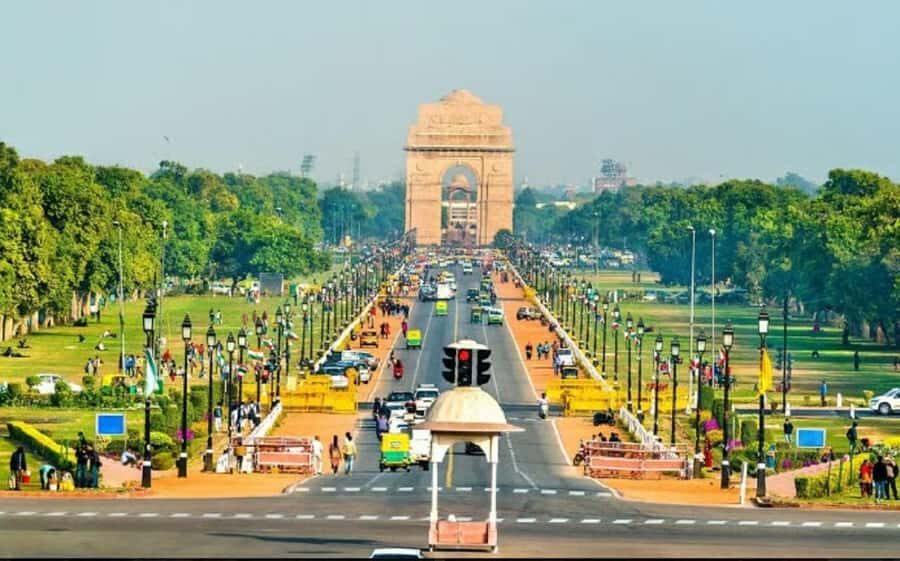
- New Delhi icons in one loop: Qutub Minar, Humayun’s Tomb, India Gate, and Lotus Temple
- Private car comfort: you avoid the stress of coordinating between neighborhoods
- Monuments + viewpoints, with practical stopovers: water provided, guide keeps the flow moving
- Guide support with photos and explanations: some guides even help with extra photo gear when needed
Old Delhi starts at Red Fort: the Mughal “opening scene”
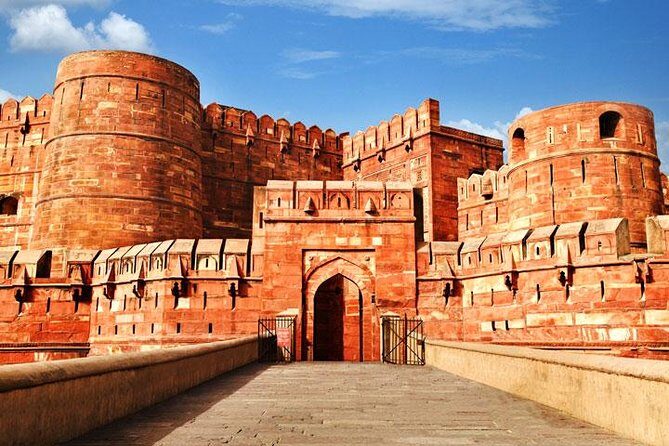
Old Delhi doesn’t begin softly. It begins with size, color, and political power in stone. The tour kicks off with hotel pickup, then heads to the Red Fort area. This is one of the Mughal Emperor Shah Jahan’s grand statements, and even if you’ve only seen images online, the fort’s scale hits in person.
Here’s the practical value: a guide helps you look past the postcard view. Instead of wandering, you get a clear storyline for what you’re seeing and why the architecture mattered. That matters in Delhi, where it’s easy to get distracted by crowds, shops, and photo requests. You’re given a rhythm, which is exactly what you want on a limited day.
A small caution: the Red Fort can be closed on certain days, including national holidays. If your dates fall near a public event, it’s smart to ask your operator beforehand what’s realistic for your itinerary that day.
You can also read our reviews of more private tours in New Delhi


Chandni Chowk by rickshaw: street life without the stress
Next comes one of the most fun segments of the day: sliding into Chandni Chowk by rickshaw. This is where you feel Delhi as a living city rather than a museum.
Why the rickshaw works so well: it’s a short cut through chaos. You experience the sights, smells, and shopfront drama, but you’re not stuck fighting for walking space for long stretches. It’s also a good photo strategy. The angle is different, and you can turn your attention to the people and details instead of watching where your feet are going.
Your guide’s role here is bigger than it sounds. They can point out what you’re looking at and translate what might otherwise feel like a blur of activity. A guide like Shamin is described as not only knowledgeable but also actively engaged, happily answering questions along the way. That kind of energy makes a market ride more than just transportation.
Jama Masjid: the 17th-century centerpiece and how to visit well
From Chandni Chowk, the route moves to Jama Masjid, described as India’s largest mosque from the 17th century. It’s a huge, commanding place, and it changes the mood instantly. One minute you’re in street trade mode; the next you’re in a space that demands slower attention.
This stop is where good guidance really pays off. Without context, you might rush the outer views and miss the internal logic of the space. With a guide, you get a framework for what to notice: the layout, the role the mosque played in the city, and the scale relationship between the grounds and the people in them.
What to keep in mind:
- Dress and behavior matter. The tour has a clear rule against shorts, and you’ll want to follow mosque norms closely.
- Expect a crowd at peak moments. Plan your photos early, and don’t let camera time make you lose the tour flow.
Lunch and the reset between Old and New Delhi
After Old Delhi’s big moments, you’ll take a break for lunch. Food isn’t included in the tour price, so you’ll either use the lunch stop planned by your guide or grab something nearby as instructed.
This is your mental reset. Old Delhi is dense and intense. New Delhi is wider roads, more open monuments, and the kind of views you remember for the silhouette more than the details.
If you want the day to feel smooth, use the lunch break to:
- refill water,
- review what you want to photograph next,
- and pace your energy before the New Delhi leg.
Qutub Minar and Humayun’s Tomb: two styles, same Mughal gravity
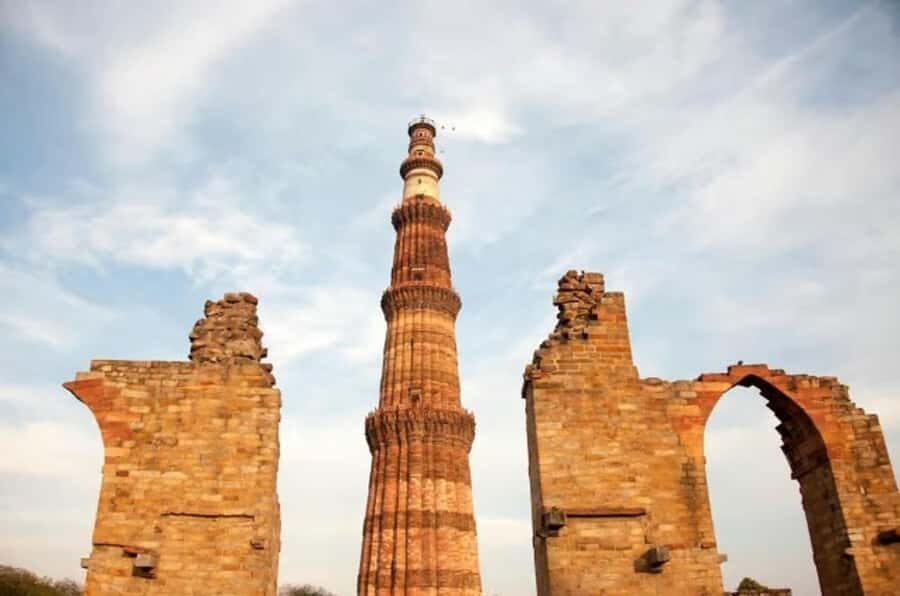
New Delhi’s first major stop is Qutub Minar, known as an awe-inspiring brick minaret and noted as the world’s tallest of its kind. It’s the kind of sight that makes you tilt your head back without meaning to. From street level, it looks almost impossible that it’s stood so long.
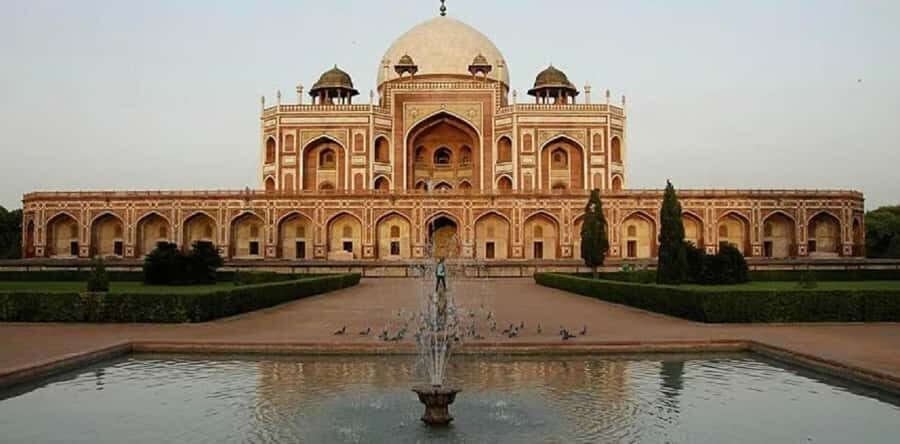
Then you move to the Tomb of Humayun, another Mughal-era landmark that carries a different tone than Qutub Minar. Where Qutub Minar is about height and stone statement, Humayun’s Tomb feels about design harmony: gardens, layout, and a sense of symmetry that you notice as you step around.
Why a guide here is worth it:
- These places are easy to see quickly.
- They’re more rewarding when someone helps you see what changed over time and what features were meant to signal power, belief, and empire.





India Gate and Lotus Temple: memorial mood to spiritual calm
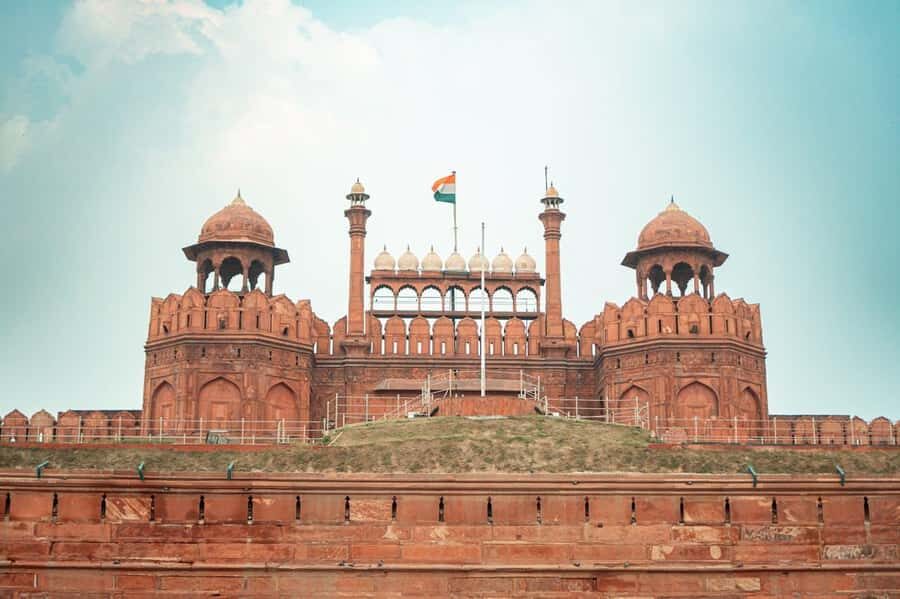
Next up is India Gate, a memorial for Indian soldiers who sacrificed during World War-I. This stop matters because it adds a modern layer to a day that started with empire architecture. It’s not just sightseeing; it’s a pause to connect the monuments to the broader national story.
Then comes Lotus Temple, designed to resemble a blooming lotus flower. It’s one of those places that photographs well from outside, but it can feel even better once you slow down and just be there. You’ll also likely spend time around the temple complex even if the exact “inside” experience depends on line length and timing.
A practical heads-up based on what can happen on the ground: if lines are long, you might not get as much time inside as you hoped. The good news is that the overall temple experience usually still works even with queues, as long as you keep expectations flexible.
Presidential House and Parliament: the political center from the road
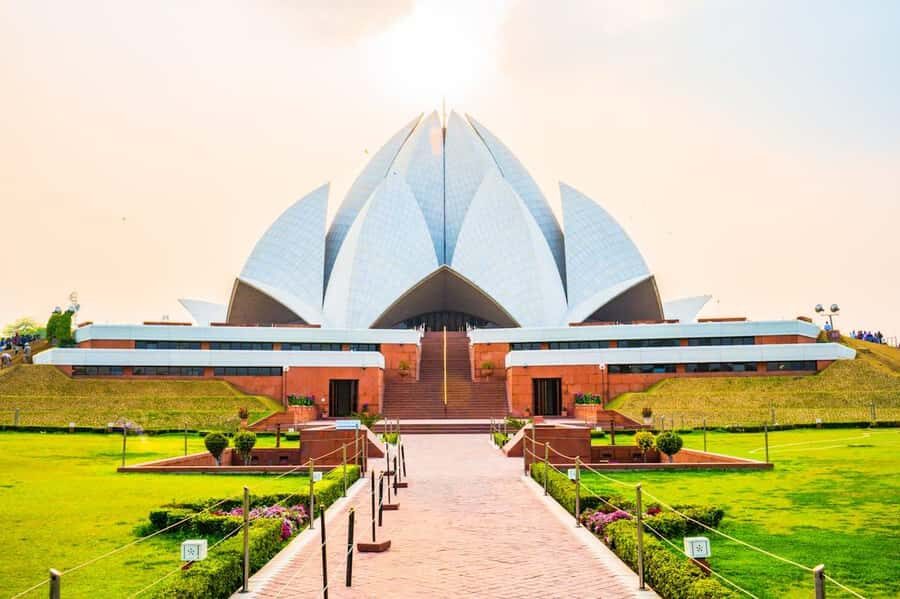
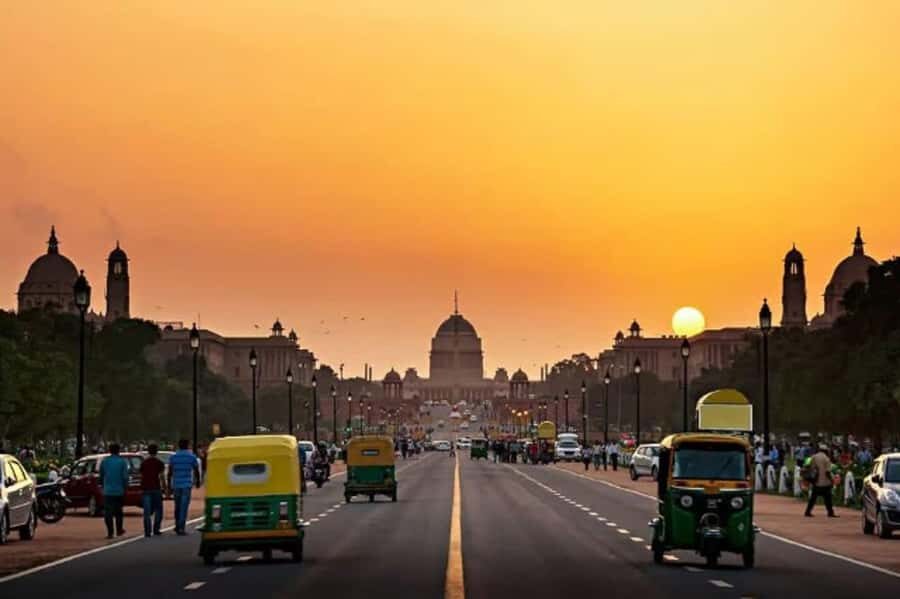
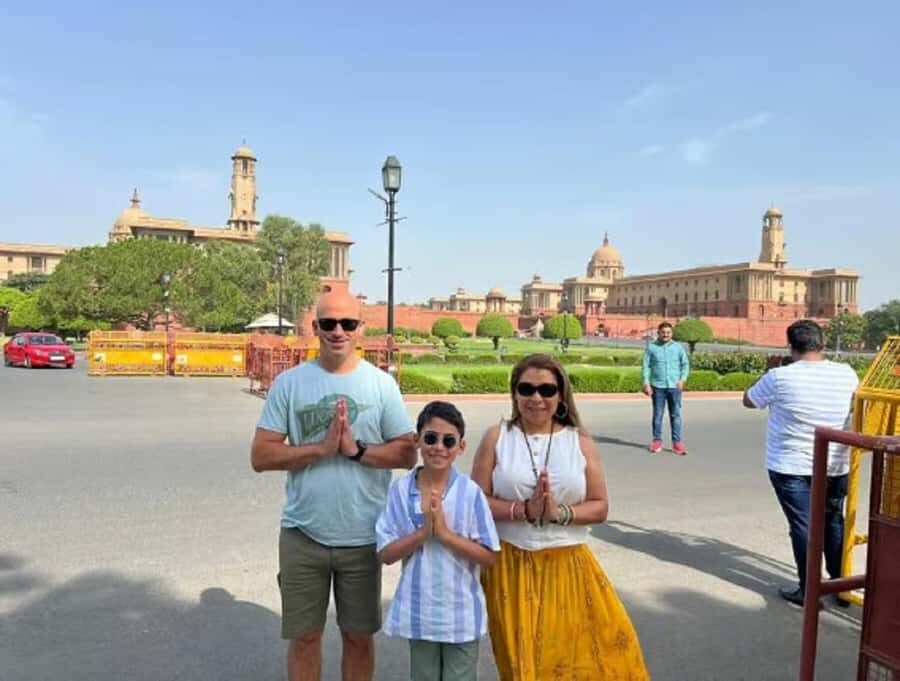
To close the tour, you drive past the Presidential House and Parliament. This is a quick “you’re here” moment. You’re not getting a behind-the-scenes tour, but the sightlines are useful: Delhi suddenly makes sense when you connect monuments to government geography.
This final driving segment is also a sanity saver. It takes the sting out of ending the day. Instead of scrambling for your own last photo stop, you’re collected back into the tour rhythm, then chauffeured back toward your accommodation.
Timing is everything: why starting before 11:00 AM changes the whole day
This tour has a real timing fork. If you choose a start time before 11:00 AM, you can cover both Old and New Delhi highlights. Start after 11:00 AM, and the itinerary shifts to New Delhi only, focusing on sites like India Gate, Parliament House, Humayun’s Tomb, Qutub Minar, and Lotus Temple.
So choose your start time based on your style:
- If you want markets and Mughal-era heavy hitters, go earlier.
- If you’re more comfortable with fewer stops and less walking through dense areas, a later start can still work well.
Monday swaps and closures: plan around what can shut down
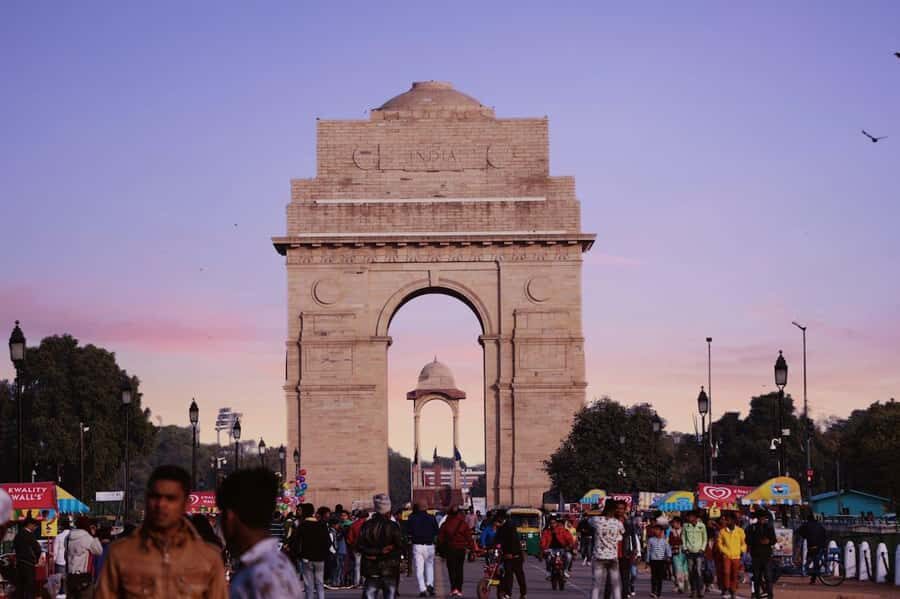
Delhi follows the calendar, and your tour does too. On Mondays, Red Fort and Lotus Temple are closed, and the route replaces them with a visit to Gurudwara Bangla Sahib.
Two takeaways:
- You still get an Old-to-New structure, even with closures.
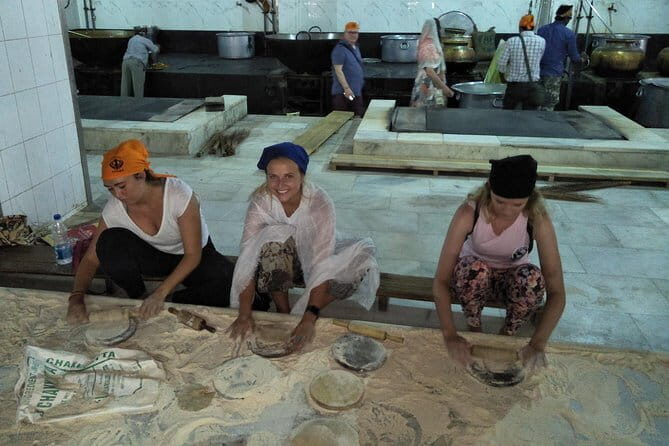
- You need to be ready for religious-site etiquette changes. In particular, gurudwara visits can include barefoot rules. A previous visitor shared a safety tip: once your feet get wet, stick to the carpets to avoid slipping on marble.
The vibe will change on Mondays—less fortress-and-lotus energy, more gurudwara atmosphere—but the day stays full.
How good is this for $7? The value math that actually matters
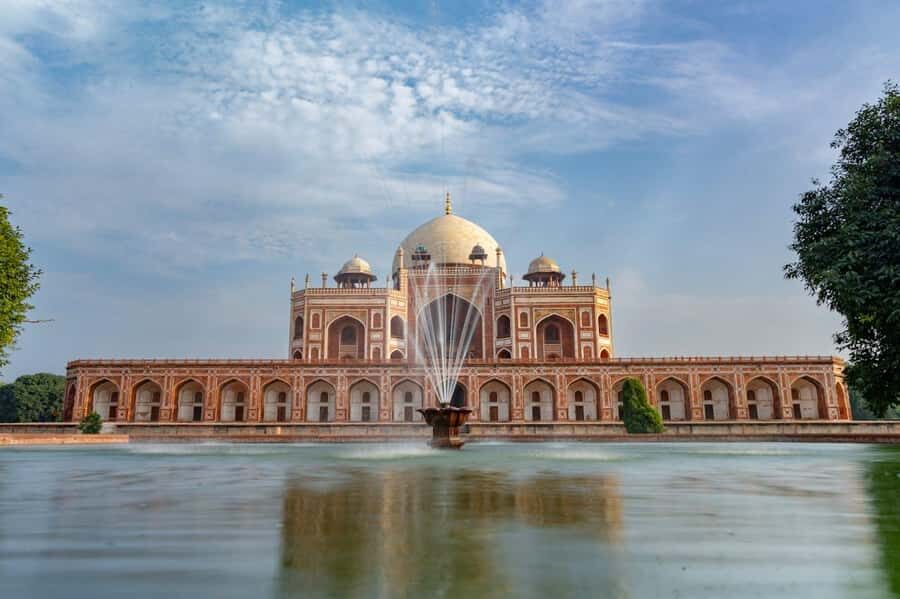
At around $7 per person, the headline question is obvious: how can this include so much?
Here’s the value logic based on what’s included:
- Pickup and drop-off (huge for Delhi convenience)
- Air-conditioned car with driver
- Live tour guide
- Rickshaw ride in Old Delhi
- Bottled water
- All taxes
- Monument entrance tickets only if you book the option that includes them
That combination is the core selling point. You’re not just paying to see places. You’re paying to reduce decision fatigue: where to go, how to get there, and how long you’ll waste trying to figure it out.
What you should watch:
- Food isn’t included, so budget for meals separately.
- Entrance tickets may depend on the option you select. If tickets matter to you, double-check that you’re covered for the monuments you care about most.
What to bring and how to dress so the day stays smooth
This tour is straightforward about a few rules, and following them keeps you from losing time at gates.
Bring:
- Passport or ID card
Do not bring or wear:
- Shorts (the tour notes this explicitly)
Also note the basic site logic:
- Mosques and gurudwaras involve dress and conduct expectations.
- If you do end up at a gurudwara, be prepared for barefoot movement and follow floor guidance so you don’t end up practicing emergency breakdancing on marble.
One more simple tip: if you’re planning lots of photos, consider backup power. Some guides on this kind of tour have even helped with extra battery resources, but you shouldn’t rely on luck—bring your own charging plan if you can.
Private car + guide help with Delhi chaos (and it shows)
Delhi’s traffic can feel like a video game with no pause button. The private AC car changes the entire experience. You’re not stuck figuring out routes or negotiating shared transport logistics. The driver handles the flow while the guide handles the story.
In the reviews, drivers like Ali and Fanesur are described as careful, friendly, and confident in chaotic traffic. That’s not a small detail. When the driving is smooth, you arrive calmer and can actually enjoy the monuments instead of recovering from the ride.
The guides also seem to bring a practical mindset. People highlighted guides such as Mohammad Arsh (and Mohd Arsh) for clear explanations and help with photography. Another guide, Aakil, is noted for being attentive and friendly, making it easier to ask questions and keep moving.
Who should book this Old & New Delhi tour?
This tour is a strong fit if you want:
- a first-timer route that covers major highlights without planning each step,
- a day that balances big monuments with street-level atmosphere,
- and comfort in a private AC car rather than public transport juggling.
It’s less ideal if:
- you’re pregnant, since the tour isn’t suitable for pregnant women (as stated),
- or you want zero walking and zero crowds. Delhi sites can be busy even with a guide organizing timing.
If you love architecture and want both Mughal-era and modern-national context, this works especially well. If you mostly want shopping, you might find you’re doing more sightseeing than browsing.
Should you book it? My decision rule
Book it if you want one day that covers both faces of Delhi: Old Delhi’s Mughal power + market energy, then New Delhi’s monumental skyline. The private car, live guide, rickshaw ride, and water make it feel like more than the sum of stops.
Skip it (or ask lots of questions first) if you’re traveling on a day when closures are likely, like Monday, or if you’re extremely sensitive to crowds and queues. Also, if monument entrance tickets are important, confirm the option you’re purchasing.
If your goal is to get your bearings fast and see the right landmarks in the right order, this tour delivers that.
FAQ
What does the tour include?
It includes hotel pickup and drop-off, transport in an air-conditioned car with a driver, a live tour guide, a rickshaw ride in Old Delhi, bottled mineral water, and all taxes.
Are monument entrance tickets included?
Monument entrance tickets are included if you choose the option that includes them. The tour listing also notes tickets are included for that booked option.
Is food included on this tour?
No. Food and drinks are not included, so you’ll need to cover meals on your own.
What happens if I start the tour after 11:00 AM?
If you choose a start time after 11:00 AM, the tour will only include New Delhi sights such as India Gate, Parliament House, Humayun’s Tomb, Qutub Minar, and Lotus Temple.
Which places are closed on Mondays?
On Mondays, the Red Fort and Lotus Temple are closed. The tour instead visits Gurudwara Bangla Sahib that day.
Do I need to bring ID?
Yes. You should bring your passport or an ID card.
Are shorts allowed?
No. Shorts are not allowed on this tour.
Is this tour suitable for pregnant women?
No. The tour is not suitable for pregnant women.