REVIEW · AGRA
Private Day-Trip to Bharatpur Bird Sanctuary from Agra
Book on Viator →Operated by Hire Taxi India · Bookable on Viator
Bird watching starts before sunrise here. This private Agra day trip to Keoladeo National Park (UNESCO) is built around one thing: slow, close-up wildlife time, then you add a village walk and the abandoned-atmosphere of Fatehpur Sikri.
I especially liked two parts: the long rickshaw ride inside the wetlands and the human touch of having your own guide and driver for the whole route. The bird focus is serious, but the day stays varied with lunch, a rural walk, and a major UNESCO site.
The main drawback is the early start and long day. You’re picked up around 5:00am, so this isn’t for anyone who wants to sleep in or keep things short and simple.
In This Review
- Key Things You Actually Get in This Day Trip
- Price and Logistics: What $96 Buys You
- 5:00am Pickup to 6:30am Arrival: The Early-Start Tradeoff
- Keoladeo National Park by Rickshaw: Slow Travel for Close Encounters
- What You Might See (And Why It Changes)
- The Birding Rhythm: 4 Hours That Feel Like a Real Experience
- Lunch at 1pm: A Proper Break Before the Village Walk
- Village Walking Tour: Rural Daily Life at Human Pace
- Fatehpur Sikri: The UNESCO Ghost-Town Stop That Breaks the Drive
- The People Factor: Why Guides Matter on This Route
- What the Whole Timeline Feels Like (11 to 12 Hours)
- Tickets, Fees, and the Small Stuff That Can Save Your Day
- Should You Book This Tour?
- FAQ
- What time does pickup happen in Agra?
- How long is the day trip?
- Is breakfast included?
- What do I do first after arriving in Bharatpur?
- How long is the rickshaw ride in the bird sanctuary?
- What’s included for lunch?
- Is Fatehpur Sikri part of the trip?
- Are entrance fees included?
- What should I wear?
- Are drinks included?
Key Things You Actually Get in This Day Trip
- Keoladeo National Park at the right time of day: you arrive early so birds are more active in the morning.
- A real rickshaw circuit: you cover a lot of ground while staying quiet and low-key for wildlife viewing.
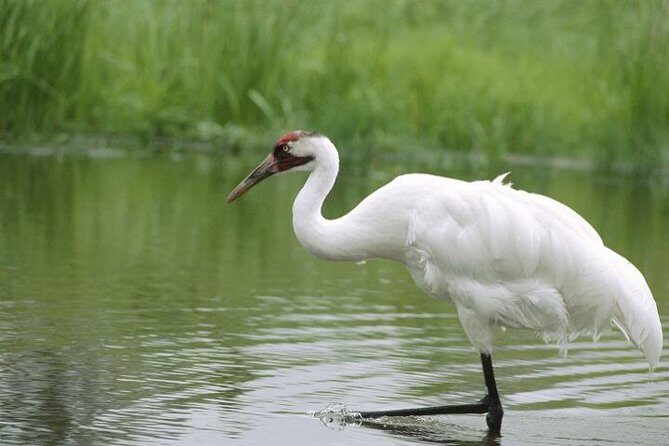
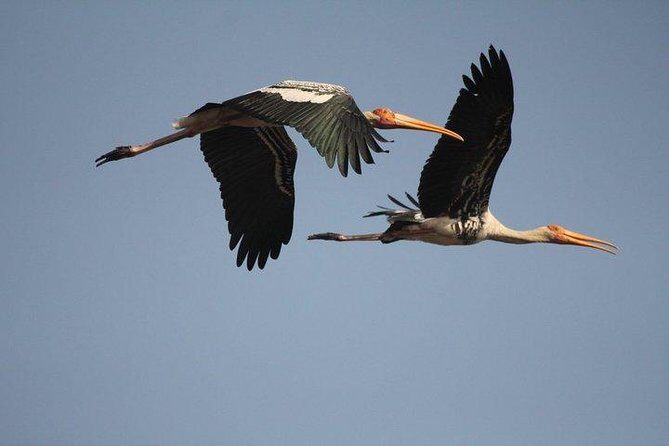
- Birdlife examples to watch for: egret, darter, painted stork, white ibis, spoonbill, grey heron, Sarus crane, cormorant, migratory geese, duck, rosy pelican, and even the rare Siberian crane.
- Air-conditioned lunch break: buffet lunch at a local restaurant to recharge before the village walk.
- A rural village walking tour: time to see daily life in the countryside at a human pace.
- Fatehpur Sikri on the way back: a UNESCO “ghost town” stop that breaks up the ride to Agra.
Price and Logistics: What $96 Buys You
For $96, you’re buying a full private day rather than a hop-on/hop-off style outing. That includes a private vehicle with hotel/railway pickup and drop-off, a professional guide, monument and national park entrance fees, a buffet lunch, and a 4-hour rickshaw ride inside the bird sanctuary.
The value here comes from the combo. You’re paying for a morning that would be hard to organize yourself—getting to Bharatpur at dawn and then managing a quiet way through the wetlands—plus the added sightseeing of Fatehpur Sikri and a rural village stop.
It’s also a good deal if you’re traveling as a small group (since it’s private). If you’re solo, you still get the advantage of not waiting around for other people, which matters when you’re hunting for bird activity windows.
You can also read our reviews of more private tours in Agra



5:00am Pickup to 6:30am Arrival: The Early-Start Tradeoff
The day starts early: pickup is at about 5:00am from your hotel or the railway station in Agra. The drive to Bharatpur is scheduled to get you there around 6:30am, with no breakfast included.
This timing is the whole point. In wetlands, wildlife viewing gets better when you’re on-site early. The plan is to arrive in time to watch birds get active in the morning, and that’s when patience usually pays off.
Practical tip: plan to be ready at pickup time even if your hotel is running a bit late. At dawn, little delays add up fast.
Keoladeo National Park by Rickshaw: Slow Travel for Close Encounters
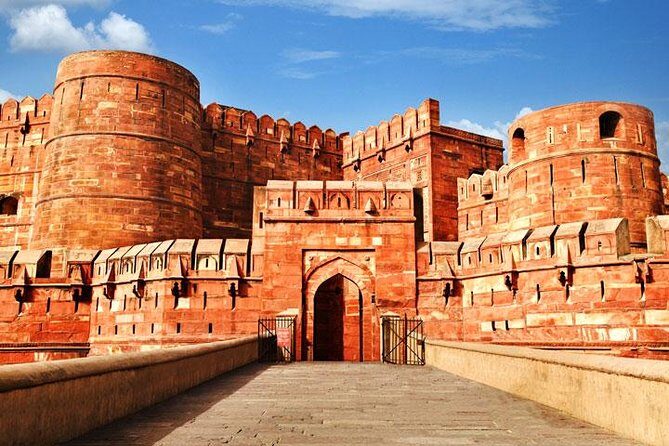
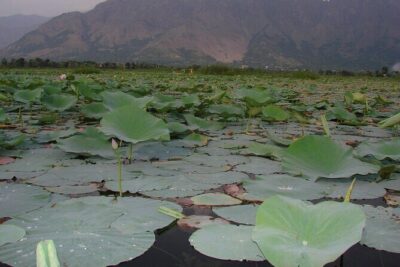
Once you reach Keoladeo National Park, you’re stepping into a UNESCO-listed wetland that has been under protection since 1971. The sanctuary is famous for sheltering thousands of birds, especially over the winter, when lots of migratory species move through.
The rickshaw ride is the key way to experience the park. You’re not just standing at a viewpoint; you’re moving slowly and covering more ground while keeping noise and disruption low. That matters for birds. If you want more than a quick “tour bus” glance, this is the right style of travel.
You’ll spend time scanning for species and patterns: birds along water edges, birds standing still as if they’re part of the scenery, and birds that suddenly flare into motion when something catches the wind.
What You Might See (And Why It Changes)
The route calls out a long list of birds you may spot, including egret, darter, open-bill and painted stork, white ibis, spoonbill, grey heron, Sarus crane, cormorant, migratory geese, duck, rosy pelican, and the rare Siberian crane.
You shouldn’t expect every species on every day. Wildlife always has its own schedule. But the list is a clue to what makes Keoladeo special: it’s not just “a few birds in a field.” It’s a whole food-and-water system, so your sightings tend to come in clusters.
If you’re not a hardcore birder, don’t worry. A good guide can help you read bird behavior—watching how they feed, how they pause, and how different species share the same water channels.
The Birding Rhythm: 4 Hours That Feel Like a Real Experience
The tour includes about 4 hours for the rickshaw ride in Bharatpur. The exact timing can vary by the day, and schedules can flex with wildlife movement and practical realities in the park.
I like this structure because it lets you settle in. In bird sanctuaries, the first few stops can be a mix of spotting and waiting. But with enough time, you start noticing the park’s rhythm: the moments when activity picks up, when you find better sightlines, and when your eyes adjust to the “small motion, big meaning” game that birds play.



Lunch at 1pm: A Proper Break Before the Village Walk
After your morning in the sanctuary, you’ll take a lunch break at around 1pm at a local, air-conditioned restaurant. Lunch is included, and it’s a buffet.
This is more than a meal stop. It’s where your body catches up from the early wake-up and the hours of standing, scanning, and walking around the park edges. After lunch, you’re set up for the next shift of the day: a slower, more human-focused rural experience.
If you’re the kind of traveler who gets hungry the second the clock hits noon, you’re in luck. This itinerary keeps the lunch window planned, not vague.
Village Walking Tour: Rural Daily Life at Human Pace
In the afternoon, you’ll move from wildlife to people. You’ll do a walking tour in a village area around Bharatpur, with about 2 hours set aside for the experience.
The focus is daily life in rural India: everyday routines and a way of living that hasn’t been shaped heavily by modern complexity. You’re not touring a museum here. You’re getting a firsthand look at how ordinary spaces work—paths, homes, and community flow.
This part is especially worth your attention if you travel looking for texture, not just famous landmarks. It helps balance the day so it doesn’t feel like nonstop sightseeing.
A simple note: dress respectfully and keep your pace calm. You’re walking through living spaces.
Fatehpur Sikri: The UNESCO Ghost-Town Stop That Breaks the Drive

After Bharatpur, you return toward Agra and stop at Fatehpur Sikri, a UNESCO World Heritage Site. The plan includes roughly 1.5 hours here.
Fatehpur Sikri is described as a highly preserved abandoned city. It was built by Emperor Akbar in the late 16th century, and then largely left behind after about 14 years because of limited water supply. That short lifespan is part of why the site feels so distinct—this is a place where you can sense the story of a grand attempt that didn’t last.
This stop is a smart addition because it changes the texture of the day. One moment you’re watching birds at water level; the next you’re reading history through walls, courtyards, and stillness.
The People Factor: Why Guides Matter on This Route
On a day like this, the best experiences often come down to the guide’s ability to translate a place into something you can actually see.
In the feedback, specific staff names pop up for a reason: the driver Mukesh and the manager Sahil Sharma are praised as professional and friendly. That matters because the schedule is long and the day starts early—good coordination reduces stress.
On the birding side, the guide Ramesh Gupta is singled out for his knowledge and passion for birding, to the point that his enthusiasm helps even non-birders want to pay attention. Another guide mentioned is Bobby for the Fatehpur Sikri portion, adding a smoother, more meaningful read of the site.
If you’re booking a private tour, this is a big deal: you’re not just buying transport. You’re buying interpretation and pace.
What the Whole Timeline Feels Like (11 to 12 Hours)
You can expect the day to run about 11 to 12 hours total, ending with drop-off back in Agra around 6:00pm.
The day’s rhythm:
- Early pickup around 5:00am
- Arrive Bharatpur around 6:30am
- Rickshaw exploration through the sanctuary (about 4 hours)
- Lunch at about 1pm
- Village walking tour about 2 hours
- Fatehpur Sikri for about 1.5 hours
- Return to Agra and drop-off around 6:00pm
That timeline is packed, but it’s packed with variety: wildlife, food, people, and then UNESCO history.
Tickets, Fees, and the Small Stuff That Can Save Your Day
Entrance fees for monuments and the national park are included, along with national park fees. You’ll also receive a mobile ticket.
Drinks are not included, so plan to buy what you need during the day.
Dress code is smart casual. Since this is a morning of walking and scanning, wear comfortable shoes. You’ll be on your feet more than you might expect from just reading a bird list.
Should You Book This Tour?
Book it if:
- You want a private day with minimal hassle.
- You care about seeing birds beyond a quick viewpoint moment.
- You like having both big landmarks and something more everyday, like the village walk.
- You’re okay with an early start in exchange for a better morning window.
Skip it (or rethink) if:
- You want a relaxed day with late breakfast and flexible timing.
- You’re sensitive to long drives and early pickups.
One more decision aid: this trip is a good match for bird lovers and non-birders alike. Even if you don’t know species names, Keoladeo’s value is how the wetland system works—and a strong guide helps you notice what you’d otherwise miss.
If you’re on the fence, I’d lean yes. You’re getting a full day of organized logistics, included fees, and two UNESCO experiences in one outing, anchored by a rickshaw ride designed for wildlife viewing.
FAQ
What time does pickup happen in Agra?
Pickup is scheduled for about 5:00am from your hotel or the railway station in Agra.
How long is the day trip?
The total duration is approximately 11 to 12 hours, with an evening return to Agra around 6:00pm.
Is breakfast included?
No. Breakfast is not included.
What do I do first after arriving in Bharatpur?
You arrive around 6:30am and tour Keoladeo National Park as birds become active in the morning, including a rickshaw ride.
How long is the rickshaw ride in the bird sanctuary?
The tour includes a 4-hour rickshaw ride in Bharatpur.
What’s included for lunch?
Lunch is included as a buffet at a local, air-conditioned restaurant.
Is Fatehpur Sikri part of the trip?
Yes. You stop en route to visit Fatehpur Sikri, a UNESCO World Heritage Site.
Are entrance fees included?
Yes. Monument entrance fees and national park fees are included.
What should I wear?
The dress code is smart casual.
Are drinks included?
No. Drinks are not included.